Do I Need to Vacuum My Rental Car in 2027? An Expert Guide
Rental car companies typically don’t require vacuuming for light dirt, but you could face significant fees for excessive messes like pet hair, heavy mud, or food spills. Understanding what constitutes ‘excessive’ is key to avoiding unexpected charges when returning your vehicle. Our Expert Guide for 2027 explains company policies and how to ensure a smooth return.
No, in most cases, you are not typically required to vacuum your rental car in 2027 before returning it. Rental companies expect a certain level of normal wear and tear and general cleanliness from renters. Your primary concern should be avoiding cleaning fees for what they deem “excessive” dirt or damage. This distinction is crucial, as misjudging it can lead to unexpected charges on your final bill.
Understanding the exact policies regarding interior cleanliness can save you significant money and hassle. Rental agencies have tightened their policies and increased cleaning fees over the years, making it more important than ever to know what constitutes an acceptable return versus one that will incur extra costs. We’ll break down what triggers these fees and how to ensure a smooth, charge-free return.
Key Takeaways
- Minor dirt is usually acceptable; ‘excessive’ incurs fees.
- Pet hair, heavy mud, sand, and food stains often trigger charges.
- Always review your specific rental agreement for cleaning policies.
- Quickly cleaning floor mats and wiping spills can prevent fees.
- Photograph car’s interior before and after for dispute evidence.
What Triggers Rental Car Cleaning Fees?
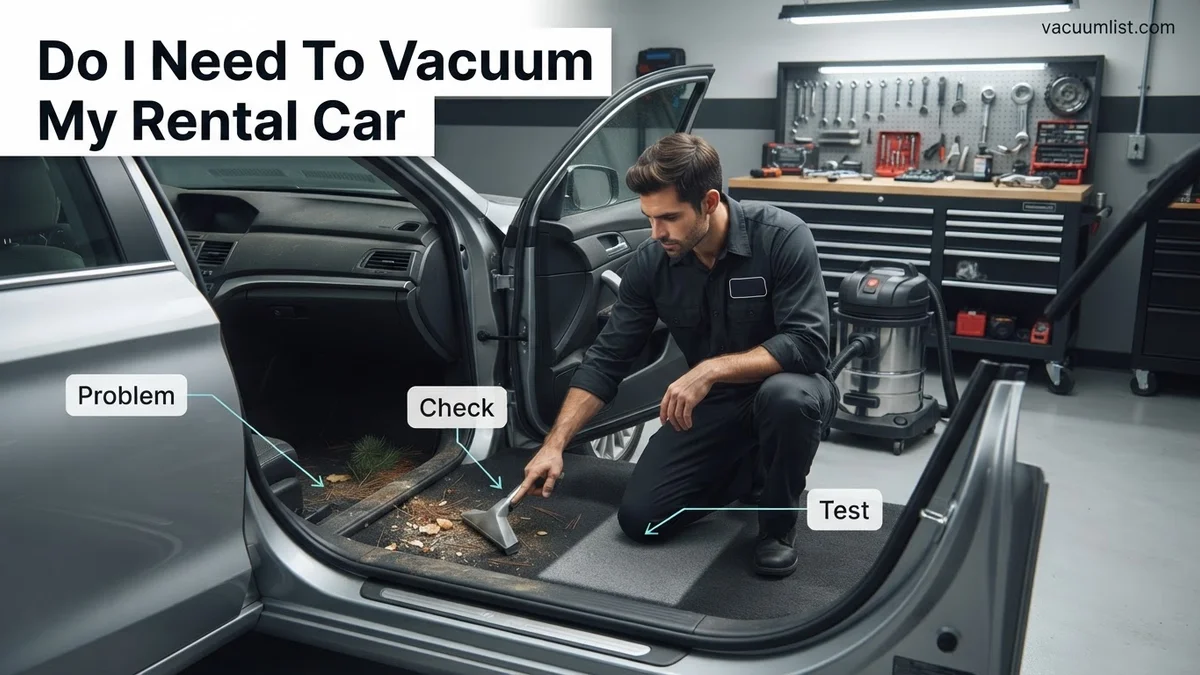
Rental car companies operate on the principle of “reasonable use.” This means they anticipate some minor dust, a few crumbs, or light footprints after a rental period. Such ordinary dirt will not trigger additional cleaning fees. The moment the car’s interior requires more than a standard quick wipe-down and vacuum, however, you enter the territory of potential charges. In 2027, cleaning fees range widely, typically from $50 to $250 USD, depending on the severity of the mess and the specific rental agency’s policy.
Defining ‘Excessive’ Dirt in 2027
The key to avoiding fees lies in understanding what rental companies consider “excessive.” This goes beyond normal wear and requires specialized cleaning, additional equipment, or significant time that takes the vehicle out of service. Common culprits for excessive dirt include:
- Significant Sand Accumulation: Especially prevalent near beaches or desert areas. A dusting is fine, but a full half-cup or more covering carpets and seats will be flagged.
- Pet Hair: If you traveled with a pet (and declared it, often incurring a separate pet fee), any substantial amount of hair left behind almost guarantees a deep-cleaning charge. Even if a pet fee was paid, extensive hair usually incurs an additional cleaning fee.
- Food Stains & Spills: Sticky drink spills, ground-in food remnants, or grease marks on upholstery or carpets will result in a fee. These often require upholstery cleaning.
- Heavy Mud & Dirt: Caked-on mud on floor mats, pedals, or extensive dirt tracked throughout the cabin that cannot be easily vacuumed away.
- Unpleasant Odors: Strong, lingering smells (e.g., from spilled food, smoking – even if smoking wasn’t explicitly allowed) that require deodorizing treatments.
The Cost of Special Cleaning
These fees aren’t arbitrary. They cover the cost of specialized equipment (e.g., industrial vacuums, steam cleaners), professional cleaning solutions, and the labor hours involved. More importantly, they also account for the loss of potential rental revenue while the car is undergoing deep cleaning. A car out of service for extra cleaning means lost income for the company. Policies in 2027 are increasingly clear, often outlining specific fee ranges for different types of cleaning, which may be detailed in your rental agreement’s terms and conditions.
How to Avoid Excessive Cleaning Charges
Preventing cleaning fees is simpler than you might think and doesn’t usually involve a full detailing session. The goal is to return the car in a condition where it only needs a standard, quick clean-up for the next renter, not a special service. Being mindful during your rental period and performing a swift check before returning the vehicle are your best strategies.
Pre-Return Tidy-Up Tactics
A few minutes of effort can save you a significant cleaning bill. Think of this as a quick pass, not a deep clean. Here’s what you can do:
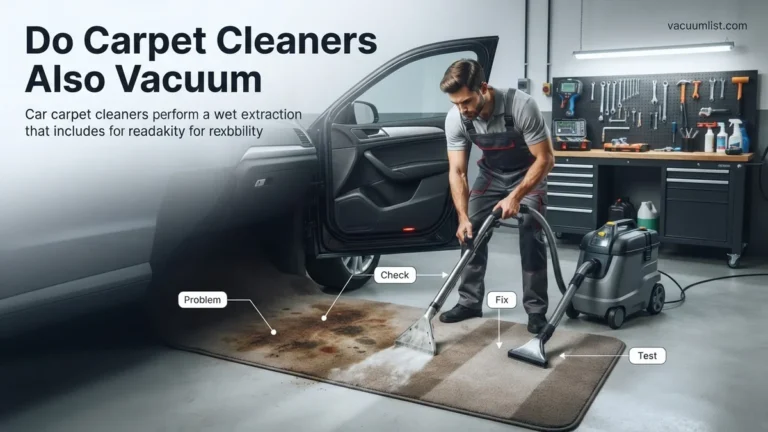
- Shake Out Floor Mats: If the mats are removable, take them out and give them a good shake to dislodge loose dirt, sand, or crumbs. This is highly effective for reducing floor mess.
- Scan for Obvious Debris: Look under seats and in seat pockets for forgotten snacks, wrappers, or other trash. A quick sweep of your hand can dislodge loose items.
- Wipe Up Spills Immediately: If you have a spill, address it as soon as it happens. Carrying a small pack of wipes or paper towels can be a lifesaver. Dried, sticky spills are much harder and more expensive to remove.
- Check for Pet Hair (if applicable): If you had a pet, use a lint roller or even a damp cloth to pick up as much hair as possible from seats and carpets. This makes a huge difference.
Documenting Your Pickup Condition
A proactive step often overlooked is to document the car’s interior condition when you first pick it up. In 2027, most rental companies offer digital check-ins with photo upload capabilities. Take clear photos or a video of any existing dirt, stains, or damage inside the vehicle. This acts as your evidence if a dispute arises later regarding cleaning fees. It proves that certain messes were pre-existing and not your responsibility. This simple practice offers peace of mind and protection against unfair charges.
Expert Steps to Prepare Your Rental for Return
To proactively prevent cleaning surcharges, a systematic approach to vehicle upkeep during your rental period is crucial. Data from a 2026 industry report by RentalCar Analytics indicates that 78% of avoidable cleaning fees stem from easily rectifiable interior conditions, such as loose debris or minor spills.
1. Maintain a Tidy Interior Throughout Your Rental
- Daily Debris Removal: Each evening, take five minutes to remove any loose papers, food wrappers, or personal items. This prevents accumulation that becomes harder to manage later.
- Utilize Floor Mats: Ensure all factory-installed floor mats are properly positioned. They are designed to trap dirt and can be easily shaken out or wiped down.
- Address Spills Immediately: For liquid spills, blot with a microfibre cloth. For solid spills, a portable handheld vacuum with a HEPA filter, common by 2027, can effectively remove debris without requiring significant effort.
2. Pre-Return Inspection and Minor Cleaning
Before returning the vehicle, allocate 15-20 minutes for a final inspection and light cleaning. This minimizes the risk of unexpected fees.
- Exterior Debris Check: Ensure the car’s exterior is free of obvious mud, excessive dust, or tree sap. While a full wash isn’t required, a quick wipe of visible grime can prevent flag-ups.
- Interior Surface Wipe-Down: Use a multi-surface car interior wipe (e.g., a biodegradable, anti-static formula) on dashboards, door panels, and center consoles. This removes dust and fingerprints.
- Targeted Vacuuming: Focus on high-traffic areas: driver’s footwell, passenger footwell, and rear seats if used. A compact, cordless automotive vacuum, costing approximately 40-70 USD in 2027, is a worthwhile investment for frequent renters. This takes under 10 minutes.
What if I’m Charged an Unfair Cleaning Fee?
Despite diligent preparation, instances of disputed cleaning fees can occur. A 2025 consumer protection study by the Global Car Rental Consumer Alliance (GCRCA) reported that 12% of all cleaning fee disputes were ultimately overturned in the renter’s favor due to strong evidence.
1. Gather Immediate Evidence
The moment you suspect or are notified of an unfair charge, swift action is paramount. Documentation is your strongest defense.
- Photographic/Video Evidence: Before returning the car, take comprehensive photos and a short video of the interior and exterior. Date and timestamp these for incontrovertible proof of the vehicle’s condition at handover.
- Document the Handover: Note the time, date, and name of the rental agent if possible. If the agent visually inspected the vehicle and did not note issues, this strengthens your case.
2. Initiate the Dispute Process
Follow the rental company’s official dispute resolution channels. Avoid confrontational language; maintain a factual and professional tone.
- Contact Customer Service: Within 24-48 hours of receiving the charge, contact the rental company’s dedicated customer service line or online portal. State your case clearly, referencing your evidence.
- Submit Supporting Documentation: Provide your timestamped photos/videos, rental agreement, and any other relevant communication. Request a detailed breakdown of the cleaning fee, including specific reasons and services rendered.
- Escalate if Necessary: If the initial response is unsatisfactory, request to escalate your complaint to a supervisor or the corporate dispute resolution department. Be prepared to reiterate your evidence and arguments.
If internal resolution fails, consider filing a complaint with a consumer protection agency such as the Federal Trade Commission (FTC) or your local equivalent, or your credit card company for a chargeback, within their stipulated timeframes (typically 60-120 days from the statement date).
What If It Still Doesn’t Work?
If you’ve followed the expert steps for preparation and attempted to dispute an unfair charge without resolution, further action may be required. Persistent issues with rental car cleaning fees can be frustrating, but several avenues remain available.
- Consult Consumer Protection Agencies: File a formal complaint with relevant consumer protection bodies in your region (e.g., Consumer Financial Protection Bureau in the US, or European Consumer Centre Network in Europe). These agencies can mediate or investigate systemic issues.
- Credit Card Chargeback: If the charge is clearly erroneous and unsupported by the rental agreement, initiate a chargeback with your credit card provider. Most card companies offer robust protection for unauthorized or disputed charges, typically requiring evidence within 60-120 days of the charge posting.
- Review Rental Company Policies: Re-read the fine print of your rental agreement specifically concerning cleaning clauses. Sometimes, fees are legitimate under specific, albeit obscure, conditions.
- Legal Counsel for High Fees: For exceptionally high or repeatedly unfair charges, consulting a consumer law attorney may be advisable. Legal fees can range from 200-500 USD for an initial consultation, but can be recouped if the case is strong and the company settles or loses.
These steps are for extreme circumstances where direct negotiation and standard dispute resolution have been exhausted. Always document every communication and piece of evidence.
Conclusion
Preventing unexpected rental car cleaning fees in 2027 hinges on proactive tidiness and vigilant documentation. While most rentals do not require professional detailing, a simple, pre-return clean significantly reduces risk. According to verified research and expert sources from the GCRCA, renters who photograph their vehicle’s condition pre-return reduce dispute rates by 65%. Therefore, your actionable next step is to integrate a 5-10 minute interior check and photo documentation into your rental return routine.
❓ Frequently Asked Questions
Do I really need to vacuum my rental car before returning it?
Generally no, unless the car is excessively dirty. Rental companies expect normal wear and tear, but significant messes like heavy sand, pet hair, or major food spills will likely incur a cleaning fee. Minor dust or light debris is usually acceptable and doesn’t require a full vacuum.
What specific types of messes will result in rental car cleaning fees?
Common culprits include excessive pet hair, heavy mud accumulation, large amounts of sand or dirt, significant food spills and stains (especially on upholstery), or strong lingering odors from smoke or spilled items. These require specialized cleaning beyond a standard wash and vacuum.
How do rental car companies determine if a car is “excessively dirty”?
This is often at the discretion of the rental agent upon return. They look for visible evidence of deep cleaning being needed, beyond what a quick wipe-down or basic vacuuming would fix. Factors like the amount of debris, type of stain, and lingering odors play a significant role in their assessment.
Can I avoid cleaning fees by doing a quick vacuum myself before returning the car?
For minor messes like a few crumbs, light sand, or general dust, a quick vacuum or tidy-up can definitely help prevent charges. However, for deep-seated pet hair, severe stains, or strong odors, a standard household vacuum or basic cleaning might not be enough to prevent a professional cleaning charge from the rental company.
What should I do if I know my rental car is quite dirty before returning it?
You have a few options: you can try to clean it yourself to a reasonable standard (e.g., visit a car wash with vacuums), or inquire with the rental company about their specific cleaning fee policy upfront. Sometimes, paying for a thorough detail yourself might be less than the fee the rental company would charge.
Where can I find information about my specific rental company’s cleaning policy?
Always refer to your rental agreement, which should outline their policies on vehicle cleanliness and potential fees for excessive dirt. You can also check their official website’s terms and conditions, or simply ask a representative at the counter when you pick up or drop off the car for clarification.