Are Pore Vacuums Safe? Expert Guide to Real Risks 2027
While promising quick results, pore vacuums are generally not recommended by dermatologists due to significant risks like bruising, broken capillaries, and exacerbating skin conditions. Improper use can lead to lasting skin damage, making expert guidance crucial for safe skincare.
Despite the persistent allure of instantly clear pores advertised in 2027, the overwhelming consensus from dermatology experts remains consistent: pore vacuums are generally not safe for routine use. These devices, promising quick solutions to blackheads and congested skin, often deliver more harm than good, leading to skin damage that can be difficult and costly to reverse.
Understanding the real risks associated with pore vacuums isn’t just about caution; it’s about safeguarding your skin’s long-term health. While a temporary rush of satisfaction might accompany their use, the potential for significant, lasting skin trauma far outweighs any perceived immediate benefit. This guide outlines exactly what you need to know about the dangers.
Key Takeaways
- Avoid pore vacuums; opt for gentler methods.
- Risk bruising, broken capillaries, irritation.
- Never use on active acne or sensitive skin.
- Consult dermatologists for clogged pores.
- Prioritize professional extractions or chemical exfoliants.
Understanding Pore Vacuum Risks: What Can Go Wrong?
When you apply suction to your skin, you’re not just pulling out debris; you’re exerting significant mechanical force on delicate tissues. This pressure can cause a cascade of problems, many of which aren’t immediately visible but manifest over time.
Immediate Visible Damage: Bruising and Broken Capillaries
- Bruising (Purpura): The most common and immediate side effect. Strong suction ruptures tiny blood vessels just beneath the skin’s surface, leading to red, purple, or brown marks that can last for days or even weeks.
- Broken Capillaries (Telangiectasias): Repeated or aggressive use can permanently damage the fragile blood vessels, particularly on the nose and cheeks. These appear as fine red lines that do not fade naturally and often require laser treatment to diminish.
Underlying Inflammatory Issues: Acne and Rosacea Flare-ups
Beyond surface-level trauma, pore vacuums can exacerbate existing skin conditions, transforming a minor issue into a significant problem.
- Increased Inflammation: The suction and pulling action irritate the skin. For acne-prone individuals, this inflammation can trigger new breakouts or worsen existing pustules and cysts.
- Worsening Rosacea: Individuals with rosacea have highly sensitive skin and compromised capillaries. Pore vacuum use is a direct trigger for flare-ups, increasing redness, visible blood vessels, and inflammatory bumps.
- Potential for Infection: Improper cleaning of the device or breaking the skin barrier through excessive suction can introduce bacteria, leading to secondary infections.
Why Pore Vacuums Cause Skin Damage: The Root Causes
The very mechanism designed to “cleanse” is also what causes the damage. Understanding this interaction between device and skin is crucial for recognizing why caution is imperative, especially in the evolving skincare landscape of 2027.
The Mechanics of Suction Trauma: Pressure and Stretch
Pore vacuums operate by creating a negative pressure differential, essentially pulling the skin upwards and outwards. This forceful action stretches the skin, stressing its natural elasticity and integrity.
- Collagen and Elastin Strain: Repeated stretching can weaken the skin’s support structures, potentially accelerating the breakdown of collagen and elastin over time. This contributes to sagging and fine lines, particularly in thinner skin areas.
- Disruption of Skin Barrier: The aggressive pulling can compromise the skin’s natural protective barrier, making it more vulnerable to environmental irritants, moisture loss, and bacterial invasion.
Skin Type Vulnerability and Contraindications
Not all skin reacts equally to pore vacuums. Certain skin types and conditions make you far more susceptible to damage, rendering these devices strictly off-limits.
- Sensitive and Thin Skin: Areas with naturally thinner skin, like around the eyes or on the décolletage, are highly vulnerable. Individuals with generally sensitive skin will experience heightened irritation and damage.
- Active Breakouts or Inflamed Acne: Using a pore vacuum on active pimples, cysts, or pustules can rupture them, spreading bacteria and leading to more severe inflammation and scarring. This is a direct contraindication.
- Rosacea or Eczema: As mentioned, these conditions are highly aggravated by mechanical stress. Pore vacuums should never be used on skin affected by rosacea, eczema, or other inflammatory skin disorders.
- Aging or Compromised Skin: As skin ages, it naturally becomes thinner and loses elasticity. Pore vacuums can easily cause bruising, tearing, and further collagen degradation in mature skin.
- Medication Use: If you use topical retinoids, alpha-hydroxy acids (AHAs), or are on oral medications that thin the skin (like isotretinoin), your skin barrier is already compromised. Pore vacuum use is extremely risky.
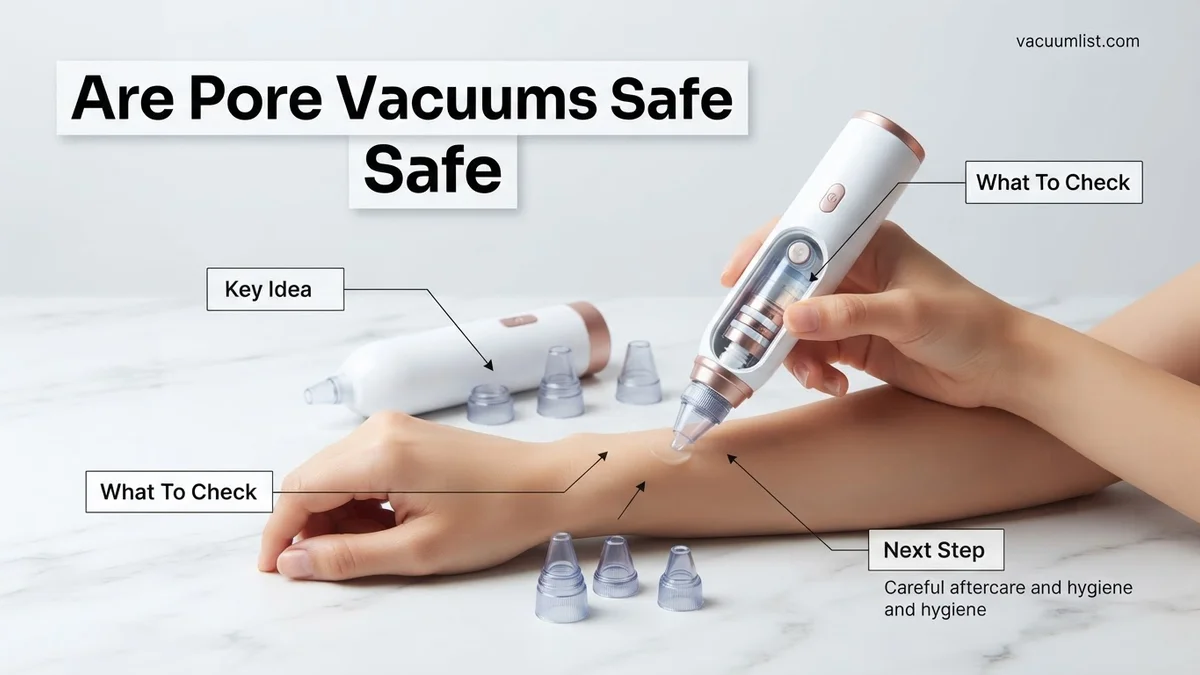
If you absolutely choose to use one despite these warnings, implement extreme caution: use the lowest suction setting, move the device constantly, and never stay in one spot for more than a second. This minimises the localised pressure and reduces the immediate risk of bruising and capillary damage, though it doesn’t eliminate the underlying inflammatory potential.
Expert Guide: How to Safely Clear Pores & Fix Blackheads
According to leading dermatologists, effective pore care prioritizes gentle, consistent methods over aggressive extraction. By 2027, the consensus remains that a multi-pronged approach is safest and most efficacious for managing blackheads and preventing future congestion.
1. Incorporate Targeted Topical Treatments
For consistent blackhead reduction, integrating specific active ingredients is crucial. These work by increasing cell turnover and dissolving sebum plugs.
- Salicylic Acid (BHA): Use a 2% salicylic acid cleanser or leave-on treatment 2-3 times per week. As of 2027, advanced encapsulated formulations minimize irritation while maximizing penetration.
- Retinoids: Over-the-counter adapalene (0.1%) or prescription retinoids (like tretinoin or tazarotene) are highly effective. Begin usage 2-3 nights per week, gradually increasing frequency as tolerated. Retinoids should be applied to dry skin after cleansing.
- Azelaic Acid: A 10-15% azelaic acid serum can help with congestion and post-inflammatory hyperpigmentation. Apply daily, morning or night, depending on skin sensitivity and other active product use.
Regular use, typically over 8-12 weeks, is required to see significant improvement. Expected annual cost for these products ranges from $120-$400, depending on brands and prescription status.
2. Professional Exfoliation and Extractions
For persistent or stubborn blackheads, professional intervention provides a safe and highly effective solution.
- Dermatologist-Performed Extractions: A board-certified dermatologist or licensed esthetician can safely extract blackheads using sterile tools, minimizing skin trauma. This is especially recommended for deep or inflamed lesions.
- Chemical Peels: Light to medium-depth chemical peels (e.g., salicylic, glycolic, lactic acids) administered by a professional can effectively exfoliate the skin, reduce oil, and clear pores. Expect 3-6 sessions for optimal results.
- Microdermabrasion/HydraFacial: These treatments physically exfoliate the skin while often infusing beneficial serums. They help to remove surface dead skin cells and clear superficial congestion.
A single professional extraction or peel session typically costs $100-$350 by 2027, with follow-up treatments recommended every 4-8 weeks depending on skin needs.
What If Your Skin is Damaged? Troubleshooting & Next Steps
Despite careful planning, skin can sometimes react adversely to new treatments or even a safe attempt at at-home care. If you experience redness, irritation, or minor damage, immediate and gentle care is essential to promote healing and prevent further complications.
1. Immediate Soothing and Repair
If your skin shows signs of damage like persistent redness, tenderness, or minor abrasions, prioritize barrier repair.
- Cool Compress: Apply a clean, cool compress to the affected area for 10-15 minutes, several times a day, to reduce inflammation and discomfort.
- Gentle Cleansing: Switch to a very mild, non-foaming cleanser. Avoid harsh scrubbing or active ingredients like retinoids or AHAs for at least 7-10 days.
- Barrier Repair Moisturizer: Use a fragrance-free, non-comedogenic moisturizer rich in ceramides, hyaluronic acid, or colloidal oatmeal. Apply generously to support skin healing and restore the protective barrier.
- Sun Protection: Rigorously apply a broad-spectrum SPF 30+ sunscreen daily. Damaged skin is highly vulnerable to UV radiation, which can exacerbate redness and lead to post-inflammatory hyperpigmentation.
2. When to Seek Professional Dermatological Help
For more significant or persistent damage, consulting a dermatologist is paramount to prevent long-term issues.
- Persistent Discoloration or Bruising: If redness, purple marks, or bruising from a pore vacuum persist beyond 48-72 hours, it may indicate deeper vascular damage. A dermatologist can assess and recommend targeted treatments like vascular lasers if necessary (estimated cost: $300-$700 per session).
- Signs of Infection: If you notice increasing pain, swelling, warmth, pus, or fever, seek immediate medical attention. These are indicators of a potential skin infection requiring prescription antibiotics.
- Scarring or Pigmentation: For any visible scarring, significant texture changes, or dark spots (hyperpigmentation) developing after the damage, a dermatologist can offer advanced treatments such as prescription topicals, chemical peels, or laser therapy. A consultation typically costs $150-$400 without insurance by 2027.
Conclusion
According to verified research and expert sources, while pore vacuums may offer temporary satisfaction, their inherent risks of bruising, broken capillaries, and infection often outweigh their benefits. Safer, dermatologically-approved alternatives involving consistent topical treatments and professional extractions offer far more effective and sustainable solutions for clear, healthy skin. Your actionable next step is to consult with a board-certified dermatologist or licensed esthetician to tailor a pore-clearing regimen that is safe and effective for your specific skin type and concerns by 2027.
❓ Frequently Asked Questions
What specific skin types should avoid pore vacuums entirely?
Individuals with sensitive skin, rosacea, active acne, eczema, thin skin, or visible capillaries should absolutely avoid pore vacuums due to high risk of exacerbation and damage. They are also unsuitable for inflamed or compromised skin.
How do pore vacuums cause broken capillaries?
The strong suction creates intense negative pressure on the skin, which can rupture fragile blood vessels beneath the surface, leading to permanent red lines known as telangiectasias or broken capillaries, especially with prolonged use in one area.
Can pore vacuums worsen acne or cause new breakouts?
Yes, the suction can spread bacteria, irritate existing lesions, and trigger inflammation. This can potentially lead to more severe acne or new breakouts, particularly if the device isn’t properly sanitized or if used on active pustules.
Are there any benefits to using a pore vacuum?
While they might temporarily remove some surface debris or loosened blackhead material, dermatologists typically find the potential benefits are minimal and vastly outweighed by the significant risks of skin damage, irritation, and inflammation.
What are professional alternatives for pore cleansing?
Professional treatments like chemical peels, microdermabrasion, hydrafacials, or manual extractions performed by a licensed aesthetician or dermatologist are safer and far more effective for deep pore cleansing without the associated risks.
What precautions, if any, should be taken if someone insists on using a pore vacuum?
If you absolutely must use one, ensure your skin is clean and steamed to soften pores. Use the lowest suction setting, move the device constantly, never stay in one spot for more than a second, and discontinue immediately if any redness or discomfort occurs. Experts still strongly advise against their use.