
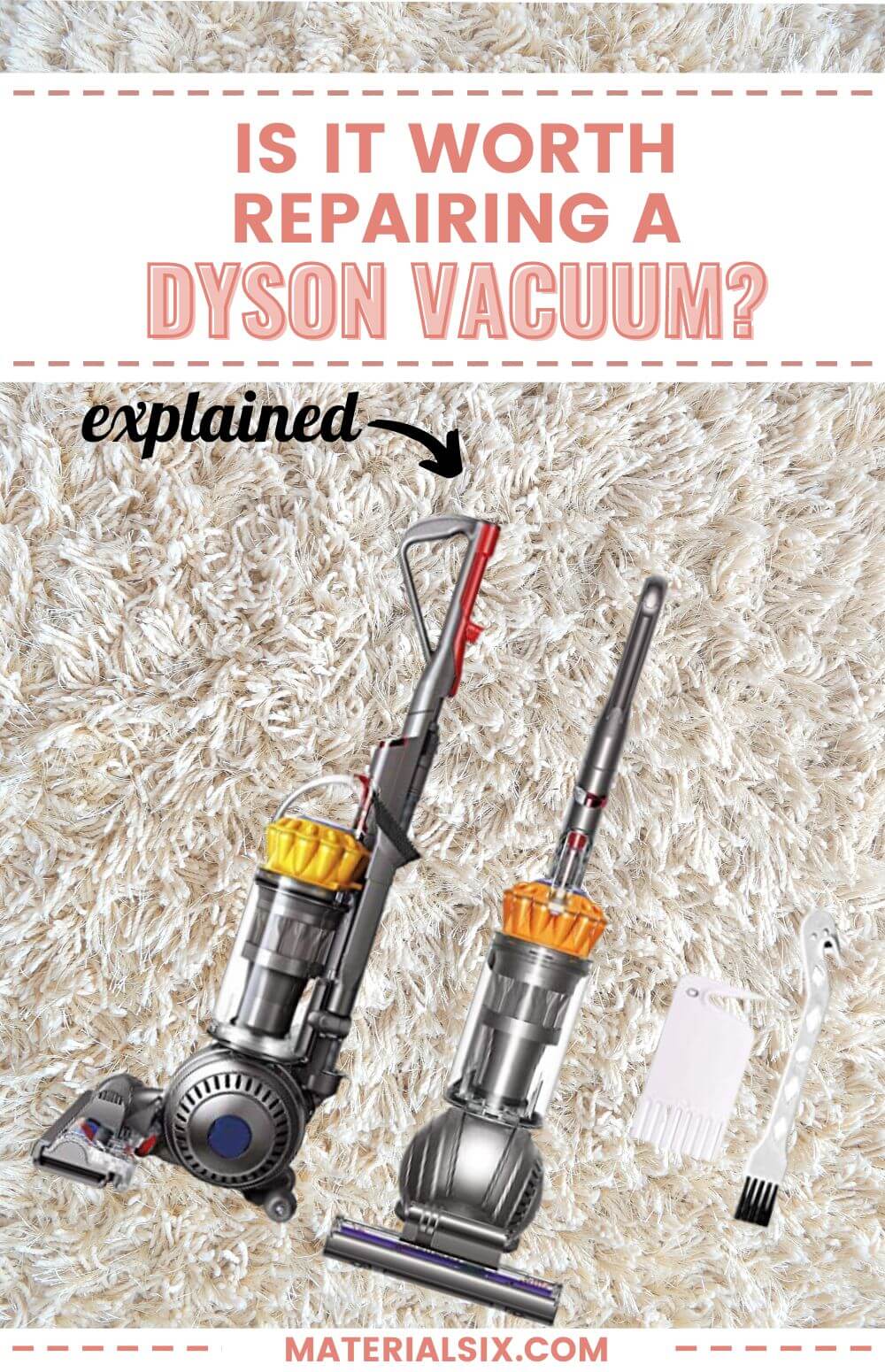
Are Dyson Vacuums Worth The Money: The 2026 Verdict
Yes. For many users, Dyson vacuums deliver top-tier cleaning, smart design, and long-term value.
If you want a clear, honest look at are Dyson vacuums worth the money, you are in the right place. I test vacuums in real homes with pets, kids, rugs, and dust. I have used Dyson sticks and uprights for years. In this guide, I explain how they clean, what they cost to own, and who gets the best return on the price.

What makes a Dyson different?
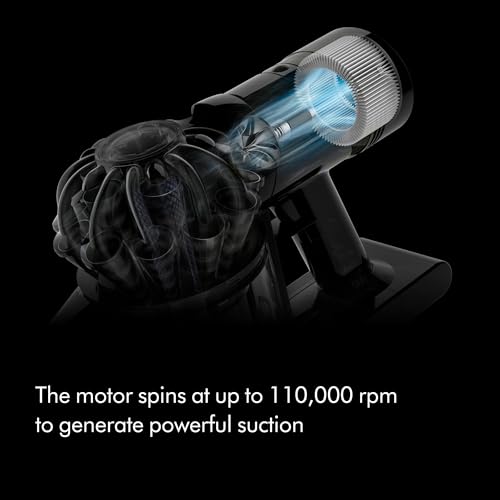
Dyson focuses on suction, filtration, and ease of use. The digital motors spin very fast. That gives strong suction, often over 200 air watts in short bursts on high-end sticks. Cyclonic separation keeps airflow steady as the bin fills. This helps the vacuum pick up fine dust and hair with less clogging.
Filtration matters if you have allergies. Many Dyson models use a sealed HEPA system. They can capture up to 99.99% of particles down to 0.3 microns. In practice, that means less dust in the air after you clean. I notice fewer sneeze fits when I use a sealed Dyson versus older bagless units.
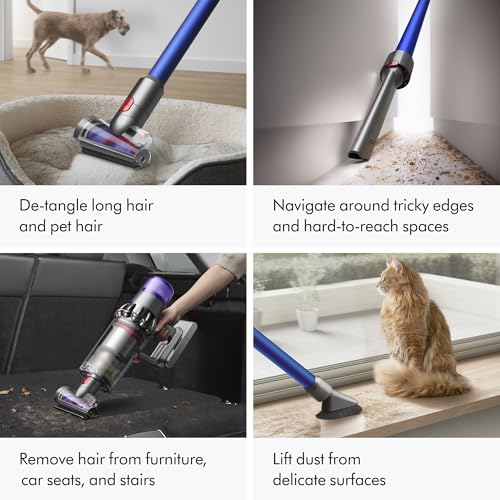
The tools also stand out. The laser on the hard floor head shows dust you cannot see. Anti-tangle combs reduce hair wrap on the brush. The quick-release wand helps you switch from floor to ceiling in seconds. If you ask, are Dyson vacuums worth the money for design alone, these touches move the needle.

Performance vs price: the real cost of ownership
Sticker price is only one part of the story. A Dyson stick often costs about $400 to $800. Uprights can be less. But think about five years of use.
Battery life is solid with care. Many sticks deliver up to 60 minutes on Eco with a soft roller. On Boost, expect closer to 10 to 15 minutes. That short time is normal across brands. Replacement batteries run about $80 to $150. Filters are washable, so ongoing costs stay low if you keep up with maintenance.
How does it clean for the money? On hard floors and low to mid pile carpet, Dyson sticks pull more fine dust in less time than most rivals I test. They also keep suction as the bin fills. That is not always true for cheaper cordless models. If your key question is are Dyson vacuums worth the money when compared to mid-range brands, the gap shows up in deep dirt removal, filtration, and build quality. Independent lab tests over the past few years back that claim with higher pickup scores and better emissions results for Dyson’s top lines.
:strip_icc()/bhg-detail-dyson-gen-5-defect-cordless-stick-vacuum-dburreson-017-1-441c4900a8174b00b3b1b5af757d78d6.jpeg)
Real-world use: who gets the most value?
From my experience, Dyson shines in busy homes. If you have pets, kids, or both, the quick grab-and-go design means you will clean more often. The laser head on the V15 makes hard floors look new. The torque head lifts gritty sand from entry rugs. For me, that fast, daily use is the big win.
You may not need a Dyson if you live in a small studio with few rugs. A lighter, cheaper cordless can be enough. If you have thick wall-to-wall carpet and want deep pile grooming, a strong corded canister or upright can beat any cordless for long sessions. In that case, are Dyson vacuums worth the money? Maybe not, unless you value cordless speed and filtration above all.
Traveling between homes taught me a lesson. The same vacuum can feel great in a loft with hard floors and so-so on plush stairs. Match the tool to your space, not the hype.
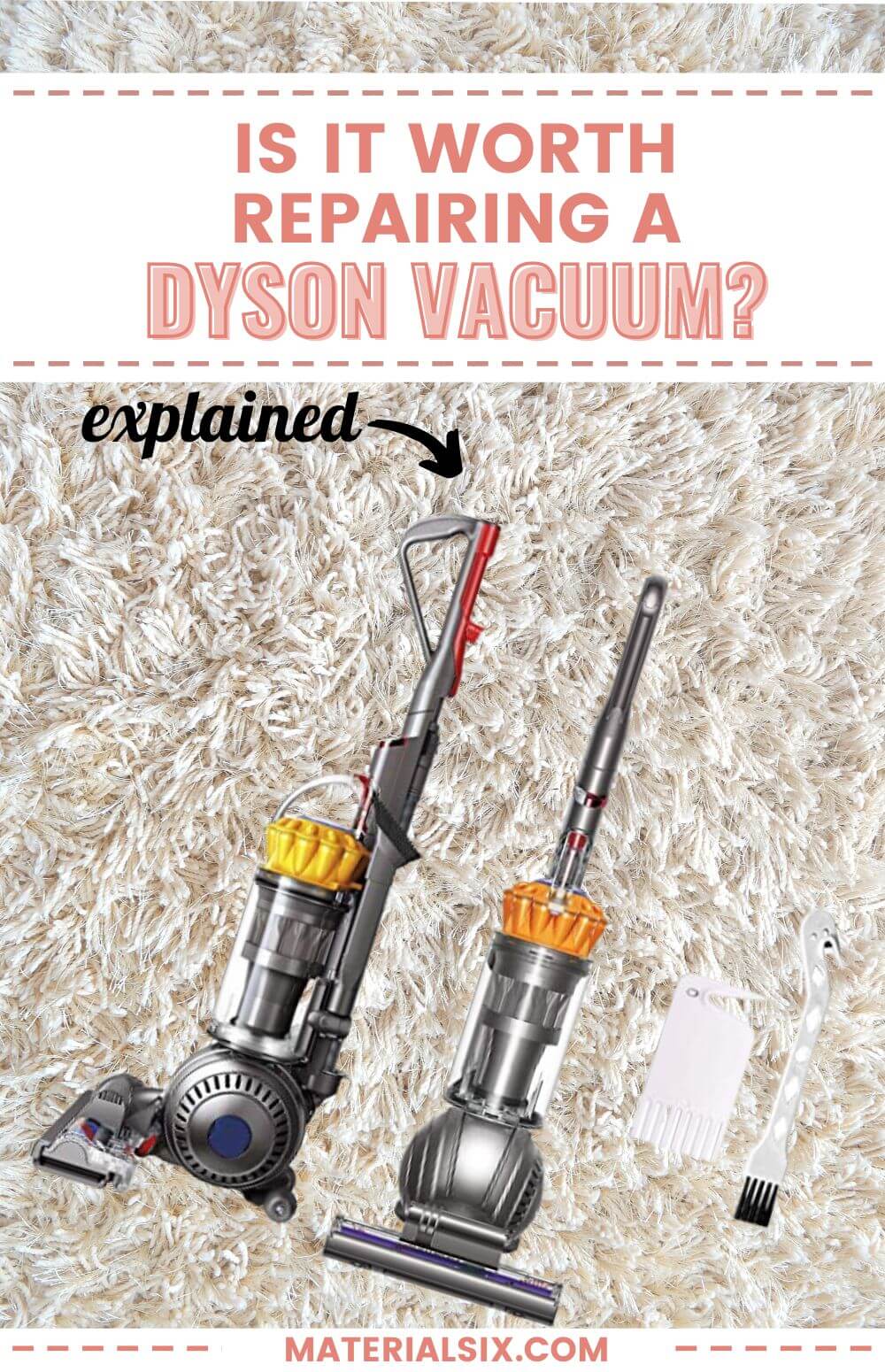
Model guide: choosing the right Dyson
Picking the right model is where value appears. Here is a simple map based on hands-on use.
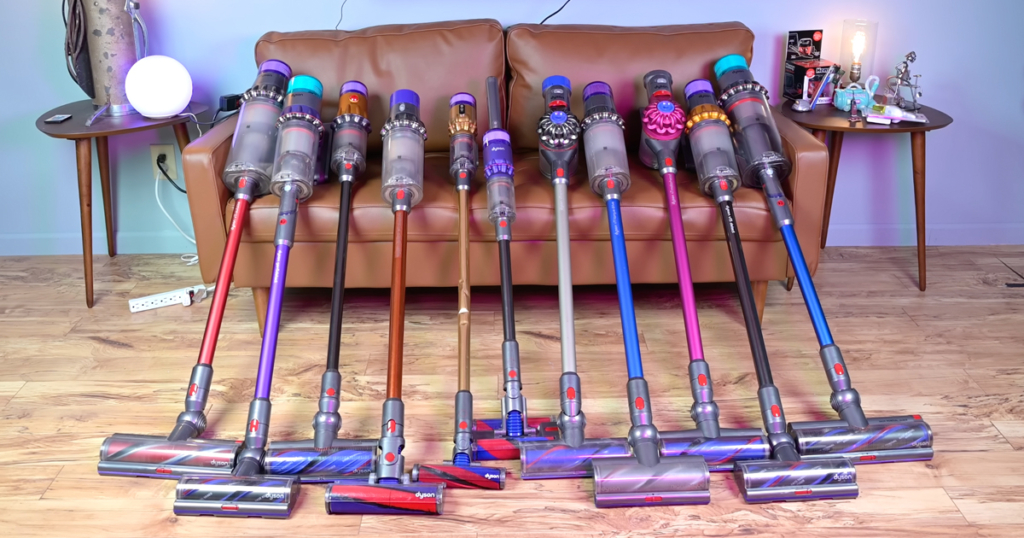
- V15 Detect or Gen5detect: Best all-around sticks for mixed floors and pets. Strong suction, laser dust reveal, anti-tangle heads. Great if you want one tool to do it all.
- V12 Detect Slim: Lighter and easier to handle. Good for apartments and quick daily cleaning. Enough power for hard floors and low pile rugs.
- Outsize variants: Wider head and bigger bin. Smart pick for large homes with many open floors.
- Ball Animal upright: Corded power with strong carpet agitation. Better for thick carpets, long sessions, and large sheds.
Before you click buy, ask again: are Dyson vacuums worth the money for your exact floors, pets, and cleaning style? Choose the head and battery setup that fits your day.

Maintenance, batteries, and durability
Good care extends life and keeps suction strong.
- Empty the bin before it packs tight. Airflow stays higher.
- Rinse the filter monthly with cold water. Let it dry for 24 hours.
- Check for clogs in the wand, brush bar, and soft roller. Clear threads and hair.
- Store the vacuum on the dock. Moderate room temps help battery health.
Used right, Dyson sticks in my tests keep strong performance for three to five years. Some last longer with a battery swap. Parts like filters, brush bars, and batteries are easy to find. If you follow this routine, the question are Dyson vacuums worth the money becomes easier to answer with a yes.
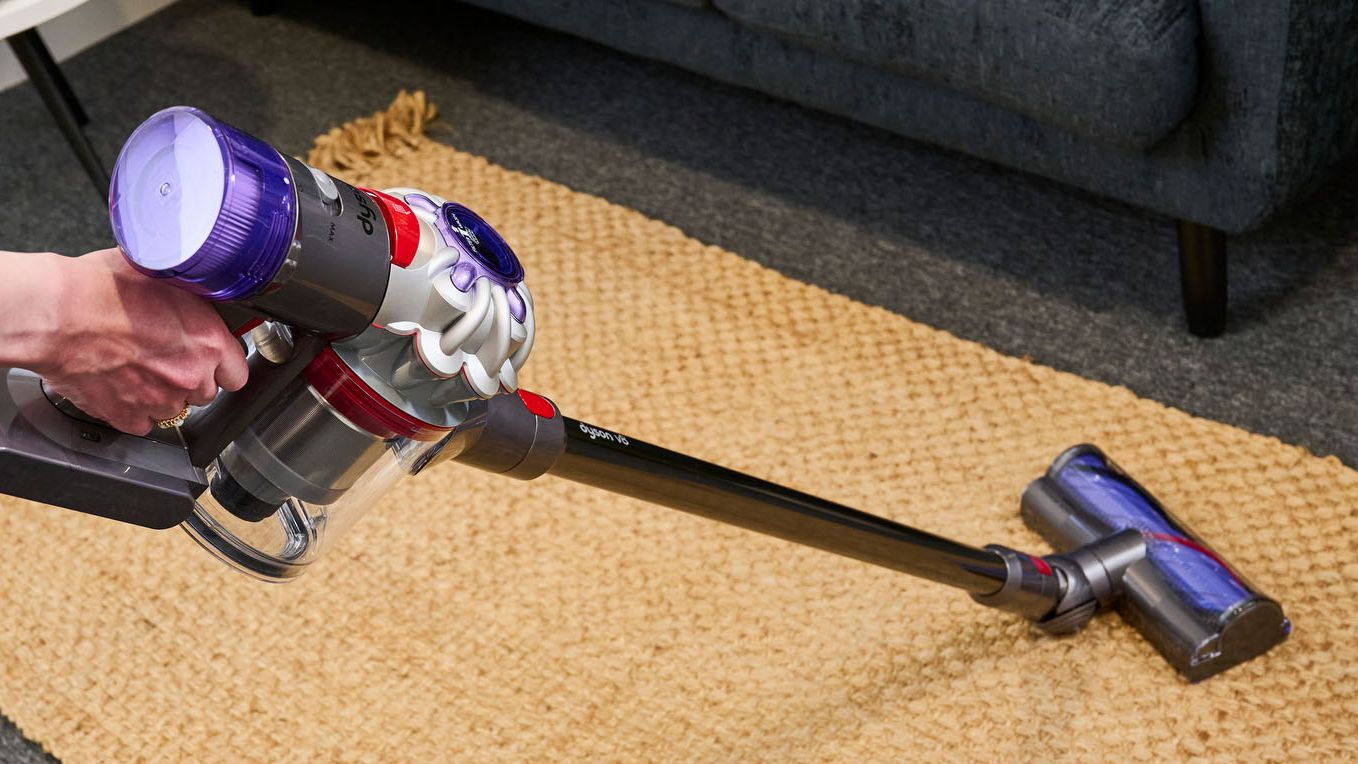
Are Dyson vacuums worth the money? A decision checklist
Use this quick checklist. If you say yes to most, the value is there.
- You clean small messes often and want fast grab-and-go use.
- You have pets and need strong hair pickup with less tangle.
- You care about sealed HEPA filtration and cleaner air.
- Your home has hard floors or thin to medium carpets.
- You accept shorter high-power run times for cordless freedom.
- You can budget for a battery in a few years if needed.
If many boxes are no, then are Dyson vacuums worth the money for you? Maybe not. Consider a strong corded upright or a solid mid-range cordless instead.

Best alternatives to consider
There are great options if Dyson does not fit your needs or budget.
- Premium cordless rivals: Models from top brands with smart dirt sensors and anti-hair tech. Often cheaper, with similar battery claims, but weaker deep carpet pickup in my tests.
- Corded canisters: High-end canisters clean thick carpet and area rugs very well. Bags trap dust and keep emissions low. Downsides are cords and storage.
- Robot vacuums: A good robot keeps floors tidy daily. Pair one with a stick or upright for stairs and rugs. Great for maintenance, not deep cleaning.
If price is the main concern, these choices can beat Dyson on cost. But if your goal is the best mix of suction, filtration, and ease, are Dyson vacuums worth the money? For many users, yes.
Frequently Asked Questions of are dyson vacuums worth the money
Are Dyson vacuums worth the money for pet owners?
Yes, if you battle fur and dander. The anti-tangle tools and sealed filtration keep hair off the brush and dust out of the air.
How long do Dyson batteries last?
Most last three to five years with normal use. Runtime per charge is up to 60 minutes on low, and much less on Boost.
Do Dysons work well on thick carpet?
They can, but corded uprights or canisters still win for long deep-clean sessions. Try a Dyson upright with strong brush roll if you have thick piles.
Are repairs and parts expensive?
Batteries and heads cost more than budget brands, but parts are easy to find. Washable filters reduce long-term costs.
Which Dyson offers the best value right now?
For many homes, the V15 Detect or V12 Detect Slim hits the sweet spot. They balance power, weight, and price better than older lines.
Conclusion
Are Dyson vacuums worth the money comes down to your floors, habits, and health needs. If you want fast daily cleaning, great filtration, and top-tier pickup, a Dyson can save time and reduce dust in a real way. If you need long, heavy carpet sessions at the lowest cost, look at corded options.
Use the checklist above, match a model to your space, and buy when it is on sale. Ready to dive deeper? Explore model guides, compare specs, or ask your questions in the comments so we can find the right fit for your home.
3 Comments