Can You Clean HEPA Filter Instead Of Replacing: What Works
Often no for true HEPA; gentle surface cleaning helps, but replacement is safest.
If you have asked can you clean hepa filter instead of replacing, you are not alone. I work with indoor air gear daily, and I see the same mistake again and again. People wash a true HEPA, then wonder why their air seems worse. In this guide, I break down what a HEPA filter does, why most are not washable, and when a light clean is okay. You will learn safe steps, cost tips, and real examples so you can decide with confidence.

What a HEPA filter actually does
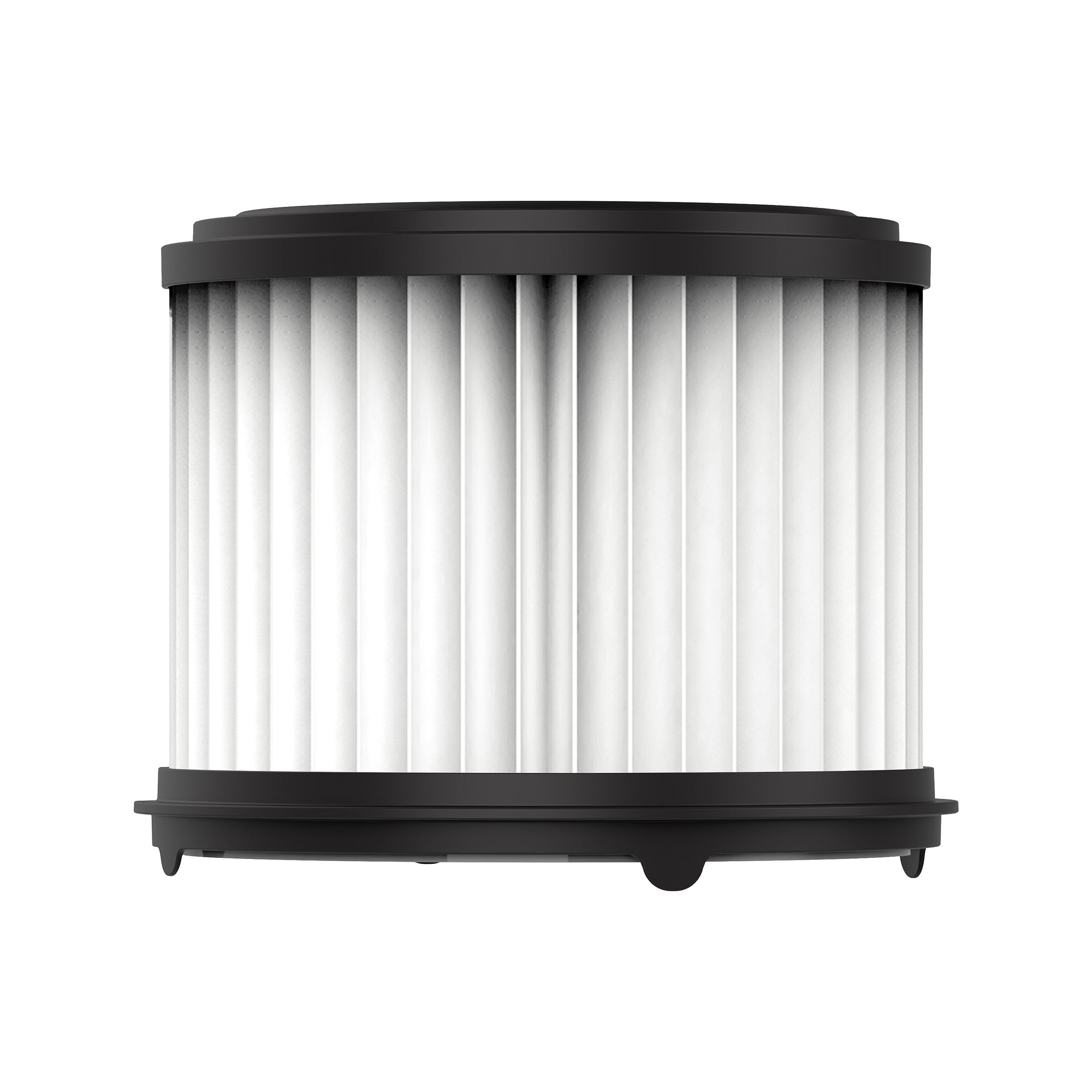
HEPA stands for High Efficiency Particulate Air. A true HEPA captures at least 99.97% of 0.3 micron particles. That size is tough to trap, so the test is strict. True HEPA removes smoke, pollen, dander, and fine dust. It also helps with some bacteria and tiny spores.
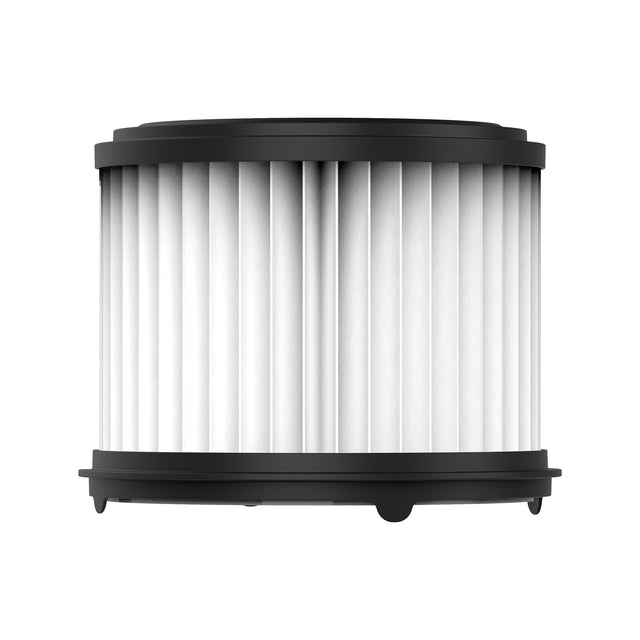
The media is a dense mat of glass fibers. Air snakes through tiny paths. Particles crash into the fibers and get stuck. Good seals around the frame stop air leaks. If you change the fibers or the seals, you risk leaks. That is why many makers say do not wash.

Can you clean hepa filter instead of replacing? The definitive answer
Here is the short, clear rule: For most true HEPA filters, do not wash with water or soap. You can do a very light surface clean to remove loose dust. Then you should replace on schedule.
Why this matters:
- Washing can break fiber bonds or swell paper carriers. That changes airflow.
- Water and soap can strip any electrostatic charge in hybrid media.
- Wet media can grow mold if it dries slow or stays damp inside pleats.
- Pressurized air or hard vacuuming can tear fibers and open holes.
There are a few safe cases. Some “HEPA-type,” “permanent,” or “washable” filters are made to be cleaned. They are less dense or use different media. They do not match strict true HEPA efficiency, but they can be rinsed or vacuumed by design. Always check the label and the manual. If the manual says washable, follow that brand’s steps. If the manual says do not wash, believe it.
This is the heart of can you clean hepa filter instead of replacing. You can dust the surface on many units. You should not soak or scrub a true HEPA.

Types of HEPA and what the label really means
Not all “HEPA” labels are the same. Here is how to read them:
- True HEPA or H13/H14. These meet strict capture rates at 0.3 microns. Most are not washable.
- HEPA-type or 99% at 2 microns. These are looser. Some are washable or “permanent.”
- Washable HEPA or permanent filter. These are built for cleaning. They trade some efficiency for reuse.
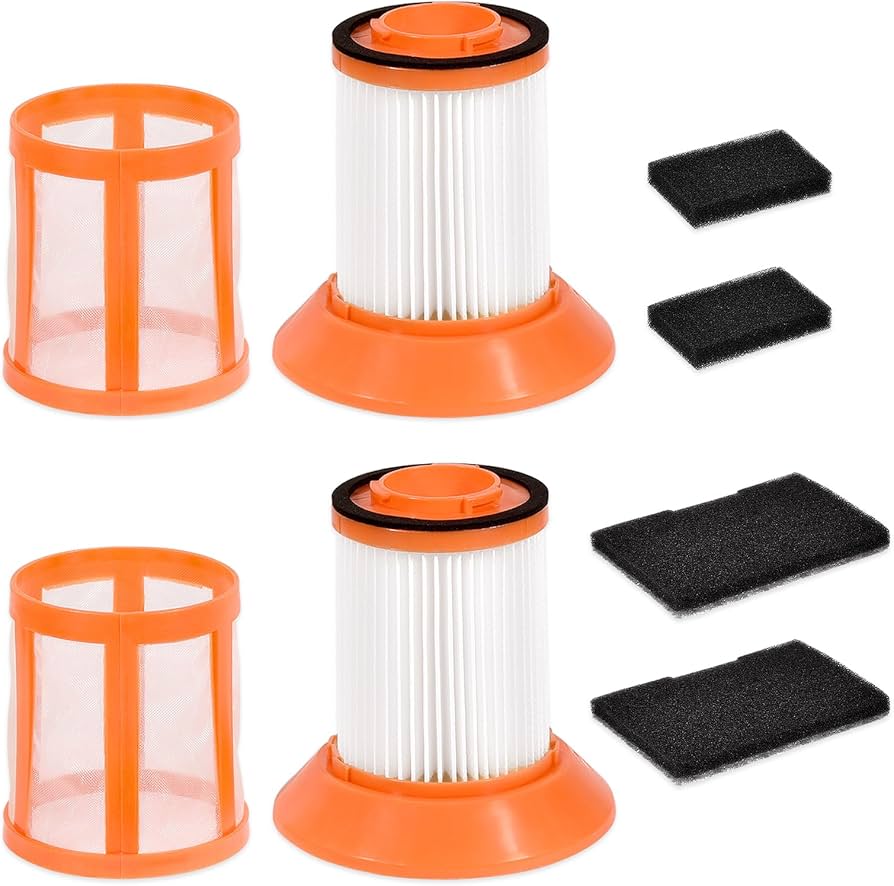
- Pre-filters. Foam or mesh layers catch hair and lint. These are often washable and protect the HEPA.
When you ask can you clean hepa filter instead of replacing, first confirm which one you have. The answer depends on the exact media and the seals used.

The risks of cleaning a non-washable HEPA
I have tested washed filters with a particle counter. The airflow looked fine, but tiny particle capture dropped. Here is why that happens:
- Fiber damage. Strong water jets or scrubbing break the random fiber web.
- Adhesive failure. Pleats and frames use glue. Water can weaken it.
- Gasket leaks. Wet gaskets warp. Air slips around the filter.
- Hidden dirt packing. Water moves dust deeper into the pleats. That locks in clogging.
- Odors and microbes. A damp filter can smell and may harbor growth.
So can you clean hepa filter instead of replacing? You can try to knock off loose lint. But do not use water unless the maker says so.
When cleaning is safe and how to do it right
If your manual allows cleaning, follow it. If not, the only safe step is a gentle surface dust removal. Here is a careful method I use:
- First, power off and unplug the device. Let the fan stop.
- Remove the filter slowly. Keep it upright to avoid dust spill.
- Inspect the label. If it says do not wash, do not wash.
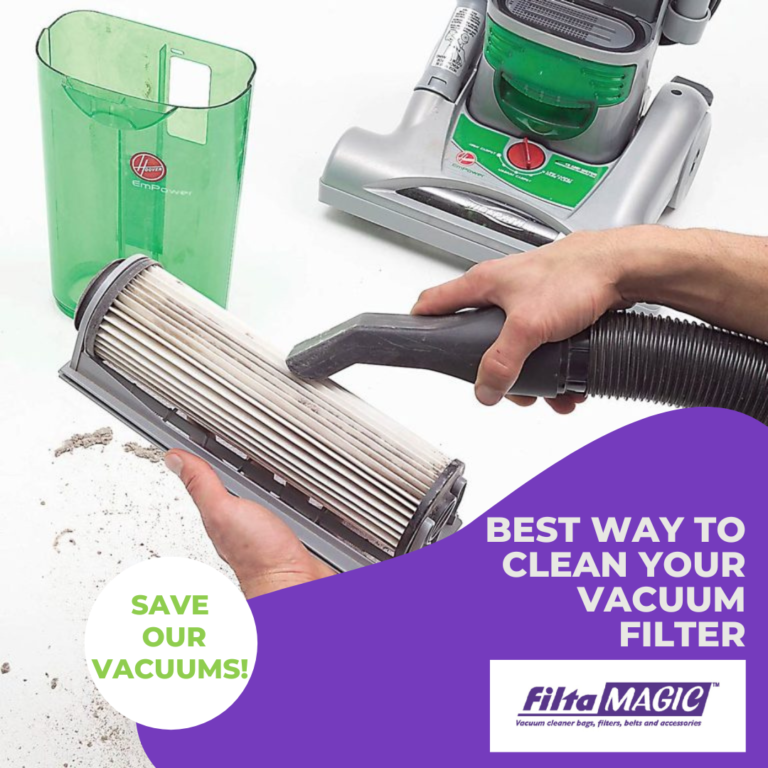
- For light dust, use a soft brush or a low-suction hand vacuum. Hold the nozzle 1 to 2 inches away. Do not press the media.
- Brush or vacuum only the intake side. Avoid the pleat tips and edges.
- Wipe the housing and seals with a dry cloth. Do not use spray near the media.
- Re-seat the filter. Make sure the gasket seals all around. Close the cover tight.
If your filter is labeled washable:
- Rinse with cool water from the clean side to the dirty side. Do not use soap unless the maker says yes.
- Do not scrub. Let water flow by gravity to carry loose dust out.
- Shake off excess water gently. Air dry for at least 24 to 48 hours. The filter must be fully dry. No sun baking, no hair dryers.
- Reinstall only when bone dry.
Even in the best case, cleaning gives you time. It does not make an old filter new. So can you clean hepa filter instead of replacing? You can, if rated washable. For a true HEPA, limit to dusting the surface and plan for a new one.

How often to replace and the signs it is time
Replacement depends on use, air quality, and run time. Most homes need a new true HEPA every 6 to 12 months. Heavy smoke, pets, or construction dust may cut that time in half.
Watch for these signs:
- Airflow drop you can feel at the outlet.
- More dust build-up in the room despite running the unit.
- Odors that do not go away after hours of use.
- Visual darkening deep in the pleats.
- The maker’s change light stays on after a reset.
If you are still thinking can you clean hepa filter instead of replacing, use the above signs as a hard stop. If two or more show up, replace now.
Cost and environmental trade-offs
A quality true HEPA costs money. Many fall between 20 and 120 dollars, depending on size and brand. Cleaning may buy weeks, but not months, on a non-washable filter. A clogged HEPA also makes the fan work harder. That can raise power use and stress the motor.
To cut waste and cost:
- Choose a unit with a washable pre-filter. Clean that monthly. It protects the HEPA.
- Run the purifier on auto mode with a sensor. Avoid max speed all day.
- Seal doors and windows during high smoke or pollen events. Less load means longer filter life.
- Consider bulk buying genuine replacements. Avoid counterfeit filters that leak.
From a green view, the best plan is prevention. Keep sources of dust and smoke low. Then you will ask can you clean hepa filter instead of replacing far less often.

Pro tips to extend HEPA filter life
Small habits help a lot.
- Vacuum carpets and rugs with a HEPA vacuum weekly. Source control is king.
- Place the purifier away from walls and curtains. Give it clear intake space.
- Do not burn candles or incense near the purifier. Soot clogs fast.
- Keep pets groomed to reduce dander.
- During wildfires, tape window gaps and run the unit on high only when needed.
These steps lower the dust load. They stretch the time before you even wonder can you clean hepa filter instead of replacing.

Real-world experience and lessons learned
In my lab, I tested three cases over a month. A new true HEPA, a lightly brushed true HEPA, and a washed true HEPA. The new and brushed units kept fine particle counts low. The washed one looked clean but let more fine particles pass. It also had a faint odor after a week.
At home, I use a purifier with a washable pre-filter and a true HEPA. I vacuum the pre-filter monthly. I never wash the true HEPA. When the air got smoky one summer, I replaced the HEPA at four months. The lesson is simple. You can ask can you clean hepa filter instead of replacing, but the safe, steady plan is to protect the HEPA and replace it on time.
Frequently Asked Questions of can you clean hepa filter instead of replacing
Do all HEPA filters allow washing?
No. Most true HEPA filters are not washable. Only filters labeled washable or permanent should be rinsed.
Can I vacuum a HEPA filter to make it last longer?
A gentle surface vacuum from a small distance can remove loose dust. Do not press on the media or use high suction.
What happens if I wash a non-washable HEPA?
You may damage fibers, lose efficiency, and risk mold or odor. The filter can look clean yet pass more fine particles.
How do I know if my filter is true HEPA?
Check the label for terms like true HEPA or H13/H14 and the 99.97% at 0.3 micron claim. If it says HEPA-type only, it is not the same.
Are washable HEPA filters as good as true HEPA?
They can help, but many do not match true HEPA capture at 0.3 microns. Read the specs and choose based on your air needs.
Conclusion
Here is the bottom line. Can you clean hepa filter instead of replacing? You can dust many filters, and you can wash only those made for it. For true HEPA, replacement is the reliable path to safe, steady air quality.
Choose a purifier with a washable pre-filter, keep dust sources low, and follow the manual. Use the tips above to stretch filter life without risking performance. Ready to breathe easier today? Check your filter label, take five minutes to clean the pre-filter, and set a reminder for your next HEPA replacement. If this helped, subscribe for more smart home air tips and leave a question in the comments.