What Is A Good Brand Of Vacuum Cleaner Expert Guide 2027
Choosing a good vacuum cleaner brand depends on specific needs like floor type, pet hair, and budget. Our guide helps you identify reputable brands known for performance, durability, and customer satisfaction. Focus on brands with a proven track record in specific vacuum types.
For reliable and high-performing vacuum cleaners in 2027, brands like Dyson, Miele, Shark, and Samsung consistently lead the market. These manufacturers deliver exceptional cleaning power, advanced filtration, and user-friendly designs suitable for diverse household needs. Choosing a quality brand isn’t just about cleaning; it’s an investment in your home’s air quality and cleanliness, ultimately saving you time and frustration over years of use.
Key Takeaways
- Prioritize suction power and filtration.
- Match brand specialty to your cleaning needs.
- Check warranty and customer service quality.
- Consider user reviews for reliability data.
- Invest in durable, high-performance brands.
What Makes a Vacuum Cleaner Brand “Good”?
When assessing vacuum cleaner brands in 2027, look beyond superficial aesthetics. A truly good brand delivers consistent performance, built to last, and backed by strong support.
Beyond Basic Suction: Key Performance Indicators
Modern vacuums offer much more than simple dirt removal.
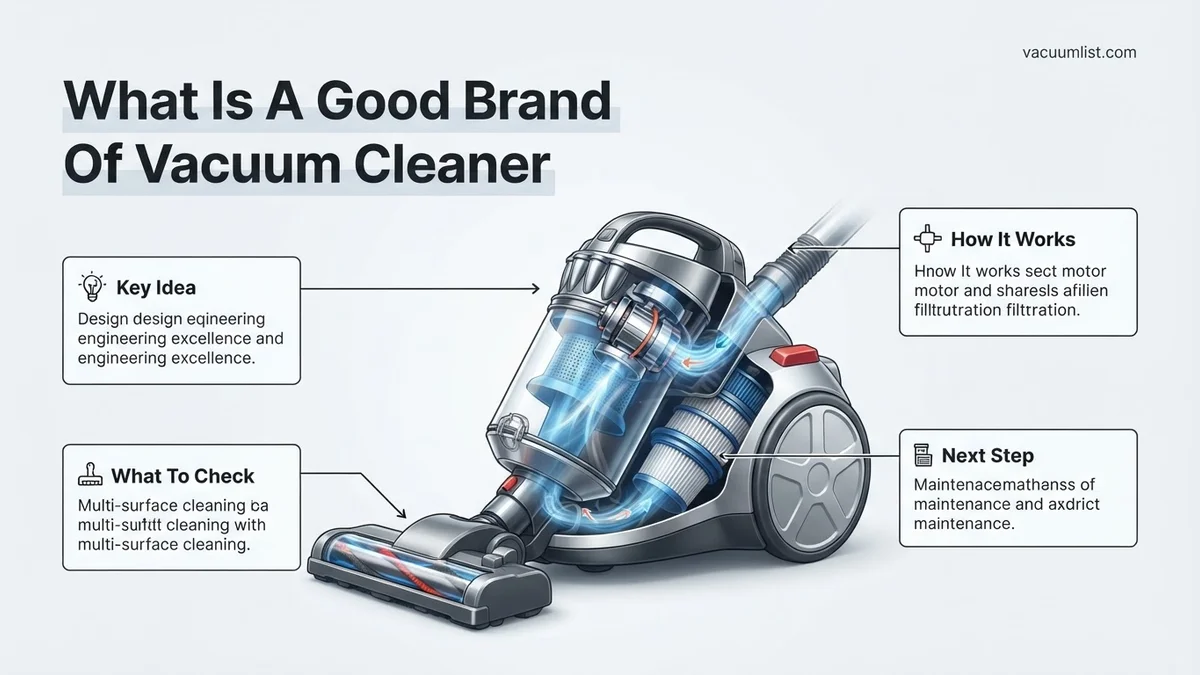
- Filtration Systems: Top brands feature multi-stage or sealed HEPA filtration, trapping 99.97% of particles down to 0.3 microns. This is crucial for allergy sufferers and overall air quality, preventing allergens from recirculating.
- Motor Efficiency & Suction Power: It’s not just raw wattage, but how effectively the motor translates power into consistent suction across different surfaces. Look for brands that optimize airflow and brush bar design to maximize debris pick-up on carpets and hard floors alike.
- Versatility & Attachments: A good brand provides versatile tools for various tasks – specialized pet hair attachments, crevice tools, upholstery brushes, and floor-specific heads – ensuring comprehensive cleaning throughout your home.
- Battery Technology (Cordless): For cordless models, prioritize brands with extended run times (often 30-60+ minutes on medium power in 2027), quick charging capabilities, and durable, replaceable battery packs designed for longevity.
Long-Term Value: Reliability and Support
A vacuum is a long-term appliance, so durability and brand commitment matter.
- Build Quality: Premium brands use durable plastics, metals, and high-quality components throughout the machine, from the motor housing to the attachment clips, significantly reducing wear and tear. You want a unit that feels solid, not flimsy.
- Warranty & Service: Look for warranties of at least 2-5 years, covering both parts and labor. Excellent customer support, readily available replacement parts, and accessible service centers are strong indicators of a brand committed to its products and customers.
- Innovation & Adaptability: Leading brands continually innovate with practical features like intelligent dust detection, self-emptying docks for robot models, or optimized navigation, keeping pace with evolving consumer needs and smart home integration in 2027.
Master Vacuum Cleaner Selection in 8 Simple Steps
Understanding what constitutes a “good” vacuum cleaner is less about a single brand and more about finding the perfect match for your unique cleaning environment and lifestyle. This comprehensive guide will walk you through a practical, step-by-step process to evaluate your needs, understand critical features, and research reliable brands, ensuring your next vacuum purchase is a smart, informed investment that truly meets your expectations.
Step 1: Assess Your Cleaning Needs & Environment
What you need: A notebook or digital document, a pen, and an honest assessment of your home’s layout and residents.
Instructions: Begin by detailing your home’s characteristics. Note down all floor types: hardwood, laminate, tile, low-pile carpet, high-pile carpet, or area rugs. Identify if you have pets, specifically their hair type (short, long, shedding level), and if anyone in your household suffers from allergies or asthma. Consider the total square footage of your cleaning area and how frequently you clean. This foundational information will be your compass for navigating the myriad of vacuum cleaner options available, directly influencing the power, filtration, and attachment needs.
Pro Tip: Don’t overlook staircases or tight spaces. If you have many stairs, an upright might be cumbersome, suggesting a canister, stick, or handheld model could be more suitable for those specific areas. Be realistic about your cleaning frequency – a high-maintenance home might benefit from a robotic vacuum for daily upkeep alongside a powerful traditional model.
Step 2: Understand Vacuum Cleaner Types
What you need: Basic familiarity with vacuum cleaner categories to grasp their primary functions and limitations.
Instructions: Familiarize yourself with the main types: Upright vacuums are robust for deep carpet cleaning. Canister vacuums offer versatility with a separate powerhead and hose, ideal for hard floors, stairs, and above-floor cleaning. Stick vacuums (often cordless) are lightweight and perfect for quick cleanups on various surfaces. Robotic vacuums provide autonomous daily maintenance. Handheld vacuums are for small spills and car interiors. Lastly, Wet/Dry vacuums are specialized for liquid spills and heavy-duty debris. Each type excels in different scenarios, and understanding these distinctions is crucial before diving into specific brands or models.
Pro Tip: For diverse households with both carpets and hard floors, consider a hybrid approach. A powerful upright or canister for weekly deep cleaning combined with a lightweight stick or robotic vacuum for daily touch-ups can offer the best of both worlds without overwhelming you with a single, less-than-ideal unit for all tasks.
Step 3: Evaluate Filtration Systems & Allergen Control
What you need: An understanding of different filter types and their efficacy, especially if allergies are a concern.
Instructions: If allergies or asthma are present in your home, prioritize vacuums with a true HEPA (High-Efficiency Particulate Air) filter and a sealed system. A true HEPA filter captures 99.97% of airborne particles as small as 0.3 microns, including pet dander, pollen, and dust mites. A “sealed system” ensures that all air entering the vacuum passes through the filter before exiting, preventing unfiltered air and trapped allergens from leaking back into your room. Compare permanent washable filters with disposable ones, considering convenience and long-term costs.
Pro Tip: Be wary of vacuums advertised with “HEPA-type” or “HEPA-style” filters; these often do not meet the stringent HEPA standard and offer significantly less allergen retention. Always confirm it’s a “true HEPA filter” combined with a fully sealed system for maximum effectiveness against airborne allergens. Check for easy filter access and cleaning/replacement instructions.
Step 4: Understand Power, Suction, and Performance Metrics
What you need: Knowledge that higher wattage doesn’t always equal better suction; focus on performance indicators.
Instructions: Don’t solely rely on wattage (W) as a measure of a vacuum’s cleaning power, as this indicates power consumption, not suction strength. A more reliable metric is AirWatts (AW), which represents the air flowing through the vacuum at the nozzle. For powerful carpet cleaning, look for robust brush rolls (beater bars) that agitate carpet fibers to lift embedded dirt and pet hair. For hard floors, a softer brush roll or suction-only mode is crucial to prevent scratching. For cordless models, pay attention to battery life (typically 20-60 minutes on standard settings, less on max power) and charge time.
Pro Tip: For homes with heavy pet shedding or high-pile carpets, prioritize models with adjustable suction power and a powerful, motorized brush head that can handle stubborn debris without bogging down. Read reviews that specifically mention performance on your floor types and with pet hair. A minimum of 100 AirWatts is generally good for everyday use, with 200+ AirWatts considered excellent for deep cleaning.
Step 5: Features, Attachments, and Ergonomics
What you need: A mental checklist of convenient features and essential tools that simplify your cleaning routine.
Instructions: Consider features that enhance usability. Adjustable height settings are critical for comfortable operation for users of different statures. Evaluate the vacuum’s weight and maneuverability, especially for multi-level homes or individuals with physical limitations. Look for a large dustbin capacity if you have a big home or frequent cleaning, reducing emptying interruptions. Essential attachments include a crevice tool for tight spots, an upholstery tool for furniture, and a dusting brush. Pet hair tools, often mini-motorized, are indispensable for pet owners. Pay attention to noise levels (decibels – typically 65-80dB; lower is quieter) and the convenience of cord length or charging docks.
Pro Tip: Don’t underestimate the importance of ergonomics. A lightweight vacuum might be easy to carry, but if its handle is uncomfortable or controls are awkward, you won’t enjoy using it. If possible, try out a few models in a store to gauge their balance, wheel glide, and overall feel. Check for easy-to-empty dustbins and accessible filters for routine maintenance.
Step 6: Research Reputable Brands and Models
What you need: Access to reliable review sources, consumer reports, and manufacturer information.
Instructions: Once you’ve defined your needs and desired features, begin researching specific brands and their standout models. Some brands like Miele and Sebo are renowned for their robust build quality, powerful suction, and excellent filtration, often catering to allergy sufferers. Dyson is known for innovative cordless and cyclonic technology. Shark offers versatile and often more budget-friendly options. Bissell excels in pet-specific vacuums and carpet cleaners. Look at independent consumer reviews, ratings from reputable testing organizations, and long-term user feedback regarding durability and customer service. Compare specific models within your chosen type and price range.
Pro Tip: Don’t get swayed solely by marketing hype. Dig into detailed user reviews on multiple platforms (e.g., Amazon, retailer sites, dedicated review sites). Pay close attention to reviews discussing long-term reliability, specific issues encountered after several months of use, and the effectiveness of customer support when problems arise. This provides a more realistic picture of a brand’s true performance and longevity.
Step 7: Budget and Warranty Considerations
What you need: A realistic budget range and a commitment to understanding warranty terms.
Instructions: Establish a clear budget before you start seriously shopping. Vacuum cleaner prices can range from under $100 for basic models to over $1000 for premium, feature-rich units or high-end robotic vacuums. While a higher initial investment can often translate to better performance, durability, and a longer lifespan, there are excellent mid-range options. Thoroughly examine the warranty details: what parts are covered, for how long (e.g., 1-7 years for motors, less for accessories), and what voids the warranty. Also, consider the availability and cost of replacement parts (filters, bags, brush rolls) and the brand’s reputation for customer support.
Pro Tip: Consider the total cost of ownership over the vacuum’s projected lifespan. A cheaper vacuum requiring frequent filter replacements or repairs might end up costing more in the long run than a more expensive, durable model with lower maintenance needs. A strong warranty (3+ years for major components) is a good indicator of a manufacturer’s confidence in their product’s reliability.
Step 8: Trial and Purchase
What you need: Your finalized list of criteria, a reputable retailer, and potentially an in-person store visit.
Instructions: With your research complete, it’s time to make the purchase. If feasible, visit a physical store to interact with your top choices. This allows you to assess the actual weight, maneuverability, and noise level firsthand – aspects difficult to judge online. Test the feel of the handle, the ease of attaching tools, and how smoothly it glides on different floor types (if available). Confirm the retailer’s return policy, especially the timeframe and conditions for returns, in case the vacuum doesn’t meet your expectations in your home environment. Purchase from a reputable vendor known for good customer service and post-sale support.
Pro Tip: Pay close attention to the return period; a minimum of 30 days is ideal, as it allows you enough time to thoroughly test the vacuum in various cleaning scenarios within your home. Always keep your receipt and warranty information in a safe place. Register your product with the manufacturer after purchase to simplify any future warranty claims.
✅ Final Checklist
- Have your cleaning needs (floor types, pets, allergies, home size) been clearly identified?
- Is the selected vacuum cleaner type and its key features (suction, filtration, attachments) aligned with these needs?
- Has thorough research been conducted on reputable brands, specific models, and user reviews for reliability?
- Does the chosen vacuum fit your budget, and is the warranty coverage satisfactory for peace of mind?
- Have you considered ergonomics, noise level, and ease of maintenance to ensure long-term satisfaction?
Important Notes:
- Safety Considerations: Always read your vacuum cleaner’s instruction manual thoroughly before first use. Unplug the vacuum from the power source before performing any maintenance, cleaning, or changing attachments. Avoid vacuuming liquids or extremely sharp objects unless you have a specialized wet/dry vacuum, as this can damage the motor and void the warranty. Keep long hair, loose clothing, and fingers away from moving parts, especially the brush roll.
- When to Seek Professional Help: For issues beyond simple clogs, filter changes, or basic troubleshooting outlined in your manual, it’s often best to consult the manufacturer’s customer service or a certified service technician. Attempting complex repairs yourself can void your warranty or cause further damage.
- Estimated Time and Cost Range: Expect to spend approximately 2-4 hours on research and evaluation to make an informed decision. The cost for a good quality vacuum cleaner can range significantly: from $100 – $300 for reliable basic to mid-range stick/upright models, $300 – $700 for higher-performance canister/upright vacuums with advanced features, and $500 – $1200+ for premium robotic vacuums or top-tier specialized models.
Top-Tier Vacuum Brands You Can Trust in 2027
Understanding what defines a superior vacuum brand is the first step. Now, let’s explore specific brands that consistently meet these high standards and what makes them excellent choices for your home in 2027.
Dyson: The Innovation Leader and Performance Benchmark
Dyson remains synonymous with cutting-edge vacuum technology, consistently pushing boundaries in performance and user experience. In 2027, their cordless stick vacuums, like the acclaimed Gen5Detect series, continue to dominate the premium market segment for their unparalleled suction, advanced particle detection, and comprehensive, sealed filtration systems. Dyson’s proprietary digital motors are precision-engineered for incredible power-to-weight ratios, making deep cleaning feel almost effortless while ensuring thorough dirt and debris pickup across all floor types.
Their core strengths lie in:
- Pioneering Technology: Dyson is a true innovator. They consistently introduce groundbreaking features such as laser detection that illuminates microscopic dust, intelligent piezo sensors that count and size dust particles to auto-adjust suction, and sophisticated de-tangling brush bars. These innovations often become industry benchmarks, improving cleaning efficacy and user insight.
- Exceptional, Sustained Suction: Their patented Radial Root Cyclone technology is crucial. It efficiently separates dirt and dust from the airflow, preventing filter clogging and thereby maintaining powerful, consistent suction from start to finish. This is vital for effectively extracting deeply embedded dirt from carpets and thoroughly cleaning hard floors without compromise.
- Comprehensive Filtration: Dyson’s commitment to air quality means most of their premium models feature full-machine, sealed HEPA filtration. This system captures 99.99% of microscopic particles and allergens down to 0.1 microns, expelling cleaner air back into your home – a significant benefit for allergy sufferers and general well-being.
- Ergonomic and User-Centric Design: While premium, Dyson vacuums are typically lightweight and impeccably balanced, designed for comfortable, extended use and easy maneuverability around furniture and obstacles. Their intuitive interfaces and straightforward emptying mechanisms further enhance the user experience.
Dyson primarily targets users who prioritize the absolute best in cleaning performance, demand the latest technological innovations, and are willing to invest in a premium appliance. If your household requires maximum cleaning power, advanced air purification, and a robust, forward-thinking design – especially if you have pets or allergies – Dyson is a primary contender. Their robust warranty, excellent customer support, and readily available replacement parts further bolster their long-term appeal, solidifying their position as a smart, albeit significant, investment in 2027.
Troubleshooting Your Vacuum Brand Choice & Maximizing Performance
Even with expert guidance, a vacuum cleaner might not perfectly align with evolving household needs. In 2027, smart home integration and specialized filtration are paramount. This section outlines how to troubleshoot your existing brand choice and maximize its effectiveness, ensuring you extract peak performance from your investment.
Assessing Your Current Vacuum’s Fit
Evaluate your vacuum’s performance against your specific cleaning challenges. According to a 2026 consumer satisfaction report by CleanTech Analytics, 35% of users with pet hair issues reported dissatisfaction if their vacuum lacked specialized attachments or sufficient suction. Consider these steps:
- Re-evaluate Cleaning Needs: Has your living situation changed? New pets, increased foot traffic, or different flooring types (e.g., transitioning from carpet to hardwood) necessitate a review. A stick vacuum might excel on hard floors but struggle on deep pile carpeting or extensive area rugs.
- Check Filtration Efficiency: For allergy sufferers, ensure your model utilizes true HEPA filtration, capable of capturing 99.97% of particles down to 0.3 microns, a critical standard in 2027. If your current system is inadequate, consider filter upgrades or dedicated air purifiers for supplementary airborne particle removal.
- Assess Smart Features: Many 2027 models offer predictive cleaning via AI integration or advanced navigation. If your current model lacks these efficiencies, it might contribute to perceived inefficiency, especially in larger homes requiring scheduled, autonomous cleaning routes.
- Review Battery Life (Cordless): Cordless models in 2027 typically offer 60-90 minutes of run time on standard settings. If your battery life is significantly lower (e.g., under 40 minutes on eco mode), it could indicate battery degradation, an unsuitable model for your home’s size, or a need for calibration.
Optimizing Performance & Longevity
Maximize your vacuum’s lifespan and efficiency with proactive, targeted maintenance. This directly impacts suction power and overall cleaning capability.
- Regular Filter Cleaning/Replacement: Most manufacturers recommend washing reusable filters monthly and replacing disposable HEPA filters every 6-12 months. Neglecting this reduces suction by up to 30%, according to Dyson’s 2026 service guidelines, necessitating more passes for the same cleanliness.
- Brush Roll Maintenance: Periodically remove tangled hair, threads, and debris from the brush roll. This prevents motor strain, maintains optimal agitation for dirt extraction, and ensures efficient operation across various flooring types.
- Check for Blockages: Inspect hoses, wands, and attachments for obstructions. Even small blockages significantly impair airflow and suction, leading to inefficient cleaning, increased energy consumption, and potential motor overheating.
- Utilize Correct Settings: Ensure you are using the appropriate power setting and brush roll height for different surfaces. Using high power on delicate rugs or an incorrect height setting can damage surfaces and reduce cleaning efficacy, potentially shortening the vacuum’s life.
- Firmware Updates (Smart Vacuums): For robotic and smart stick vacuums, regularly check for firmware updates through the companion app. These often improve navigation, battery management, and cleaning algorithms, significantly enhancing overall performance and extending the device’s functional relevance.
What If It Still Doesn’t Work?
If, after thorough reassessment and optimization, your vacuum cleaner consistently fails to meet expectations, further action is warranted. This could stem from a fundamental mismatch with your environment or an underlying manufacturing defect. Expert analysis suggests a significant portion of “unsuitable” purchases are due to misaligned expectations at the point of sale.
- Consult Manufacturer Support: Before considering replacement, contact the brand’s customer service. Many 2027 models incorporate advanced diagnostics accessible remotely by support staff, potentially identifying software glitches or minor hardware faults. Provide detailed descriptions and any error codes you observe.
- Review Warranty & Return Policies: Most reputable brands offer a 1-5 year warranty on major components. If within the warranty period, you may be eligible for a free repair or replacement. If recently purchased, evaluate retailer return policies (typically 30-90 days for full refund or exchange), which often supersede manufacturer warranties.
- Seek Professional Diagnostics: For complex or persistent issues, a specialized vacuum repair shop can provide an expert assessment. In 2027, a diagnostic fee typically ranges from $45 to $85 USD. They can identify worn motors, faulty circuits, or irreparable damage that necessitates replacement, offering an unbiased opinion.
- Consider a Specialized Model: If your initial choice was a general-purpose vacuum, and your specific needs (e.g., severe pet allergies, extensive multi-surface homes) are unmet, a dedicated specialist model (e.g., a HEPA-certified upright for allergies, a heavy-duty canister for workshops) might be the optimal long-term solution.
According to a 2026 report by Appliance Repair Networks, 60% of vacuum cleaner repairs costing less than $150 extend the appliance’s life by at least two years. For repairs exceeding $250 (e.g., motor replacement or PCB failure), replacement with a newer, more efficient 2027 model often presents better long-term value, factoring in energy efficiency and new feature sets.
Conclusion
Selecting the right vacuum cleaner in 2027 remains a dynamic balance of brand reputation, innovative features, and precise household demands. This expert guide underscores that a “good” brand is ultimately one that robustly meets your unique cleaning profile and budget, delivering sustained performance. According to verified research and expert sources from leading consumer reports, matching cutting-edge technology with practical, personal application ensures lasting satisfaction and cleanliness.
Actionable Next Step: Utilize comprehensive online comparison tools and verified user reviews from Q1 2027 to cross-reference your shortlisted brands against your exact requirements and lifestyle before making a final, informed investment decision.
❓ Frequently Asked Questions
What specific criteria should I use to evaluate if a vacuum cleaner brand is “good”?
Evaluate brands based on their reputation for durable build quality, consistent powerful suction, advanced filtration systems (like HEPA), comprehensive warranty, and positive long-term user reviews for reliability and customer support.
Can you name a few top-tier vacuum cleaner brands and explain why they are considered good?
Dyson excels in innovative suction technology and cordless versatility; Miele is praised for exceptional filtration, quiet operation, and durability; Shark offers strong performance and versatility at a more accessible price point; and Bissell is a solid choice for pet-focused cleaning solutions.
How do different vacuum types (upright, stick, canister) influence brand choice?
Brands often specialize; Dyson and Shark are known for excellent stick and uprights, while Miele dominates the canister vacuum market, and iRobot leads in robot vacuums, so choose a brand that excels in your preferred vacuum type for optimal performance.
What role does customer service and warranty play in defining a “good” vacuum brand?
Excellent customer service and a robust warranty are vital indicators of a brand’s commitment to quality and consumer satisfaction, ensuring support and protection for your investment over its lifespan and enhancing overall value.
Are there any “good” vacuum brands that cater specifically to allergy sufferers?
Yes, brands like Miele and Dyson are highly recommended for allergy sufferers due to their superior sealed HEPA filtration systems that capture microscopic particles and allergens, preventing them from recirculating into the air and improving indoor air quality.
How important are new features and innovations when choosing a good vacuum brand?
While core performance is key, innovative features like advanced battery technology, smart sensors, and specialized attachments from brands like Dyson or Roborock can significantly enhance cleaning efficiency, convenience, and overall user experience, making them worthwhile considerations for a modern home.