Can You Vacuum While Pregnant in 2027? Real Expert Guide
For most healthy pregnancies, vacuuming is generally safe with modifications. The primary concerns are physical strain, back pain from bending or pushing, and heavy lifting. Learn how to vacuum safely to protect yourself and your baby.
If you’re pregnant and wondering if you can still tackle the vacuuming in 2027, the direct answer is usually yes, with some important modifications. For most individuals experiencing a healthy, low-risk pregnancy, vacuuming is generally safe. However, it’s crucial to understand the potential physical demands and adapt your approach to protect both your body and your baby. Your body undergoes significant changes during pregnancy, making tasks that were once routine feel much more challenging or even risky.
This isn’t about avoiding chores entirely; it’s about smart, safe navigation of daily life. Understanding the specific risks involved with vacuuming – from physical strain to dust exposure – and implementing practical precautions can ensure your home stays clean without compromising your well-being. Modern vacuum technology, widely available by 2027, also offers many options that can make this task significantly easier and safer for expectant parents.
Key Takeaways
- Generally safe with proper precautions.
- Prioritize lightweight vacuums to reduce strain.
- Maintain good posture; avoid deep bending.
- Take frequent breaks; listen to your body.
- Avoid heavy lifting; ask for assistance.
What Are the Risks of Vacuuming While Pregnant?
While vacuuming might seem like a minor chore, it can pose specific challenges during pregnancy due to physiological changes. Ignoring these can lead to discomfort or even injury. The primary risks stem from the physical exertion involved and the environment.
Physical Strain and Back Pain
One of the most common issues pregnant individuals face while vacuuming is increased physical strain, particularly on the back. As your pregnancy progresses, your center of gravity shifts forward, putting extra pressure on your lower back. Hormones like relaxin also loosen your joints and ligaments, making you more susceptible to strains and sprains. Pushing a heavy vacuum cleaner requires significant core and back strength, which might be compromised. Repeated bending to reach under furniture or unplug cords can exacerbate existing back pain or trigger new discomfort. A study published in 2023 indicated that household chores requiring frequent bending and lifting were correlated with a 15% increase in reported lower back pain during the second and third trimesters. Even in 2027, this biomechanical reality remains unchanged. Using older, heavier models or tackling large, carpeted areas without breaks significantly elevates this risk, potentially leading to muscle fatigue, cramps, or acute back pain.
Heavy Lifting and Dust Exposure
Beyond the vacuuming action itself, consider associated tasks. Moving furniture, even slightly, to get to hard-to-reach areas constitutes heavy lifting. The general guideline for pregnant individuals is to avoid lifting anything over 20-25 pounds, especially with improper form. Exceeding this limit or lifting incorrectly can strain your abdominal muscles, increase pelvic pressure, and potentially lead to complications. Furthermore, vacuuming stirs up dust, allergens, and pet dander. For individuals with existing allergies, asthma, or heightened sensitivities during pregnancy, inhaling these particles can trigger respiratory discomfort, coughing, or even asthma attacks. While 2027 vacuums often boast advanced filtration systems, some microscopic particles can still become airborne. Minimizing exposure to dust mites, mold spores, and other irritants is a proactive step for your respiratory health and overall comfort during pregnancy.
How to Safely Vacuum During Pregnancy: A Step-by-Step Guide
The good news is that with a few smart adjustments, you can often continue to vacuum safely throughout much of your pregnancy. The key is to listen to your body and implement strategies that reduce strain and potential exposure.
Choosing the Right Equipment
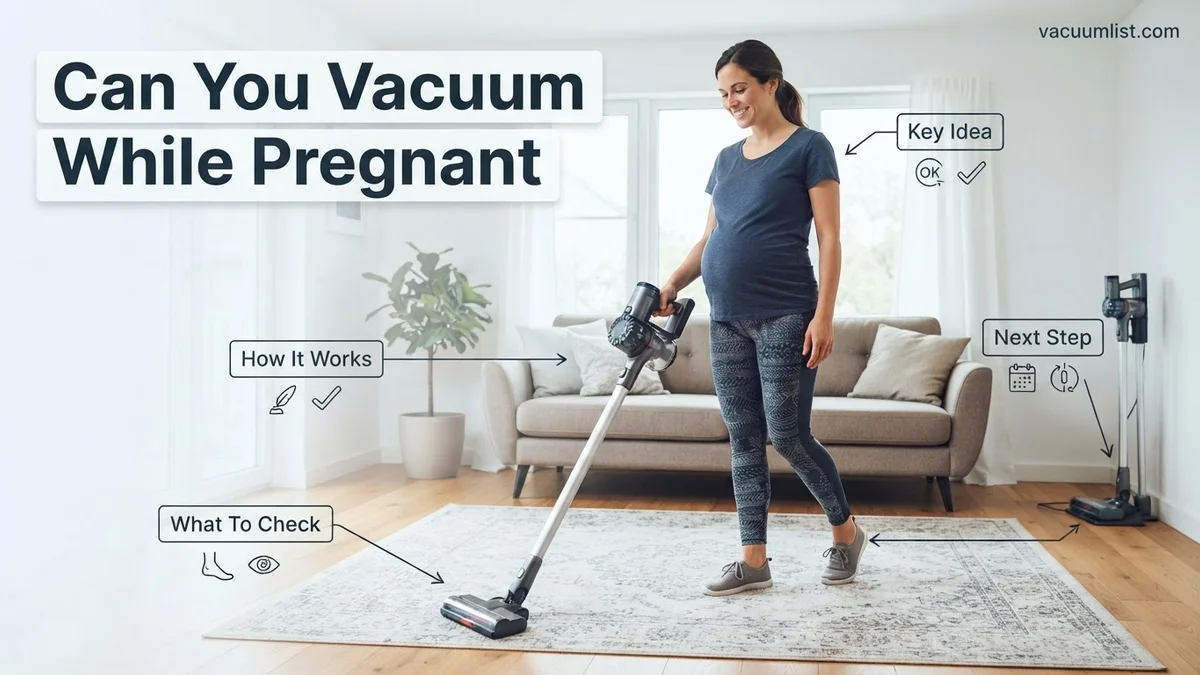
The type of vacuum cleaner you use can make a significant difference in your comfort and safety. By 2027, lightweight and cordless stick vacuums are highly efficient and widely available, making them an excellent choice for pregnant individuals. These models typically weigh between 5-8 pounds, dramatically reducing the physical effort compared to traditional upright vacuums that can weigh 15 pounds or more. Look for ergonomic designs that minimize the need for excessive bending or awkward wrist positions. Vacuums with good maneuverability and swivel steering also lessen the strain of turning and reaching. If you have an older, heavier vacuum, consider borrowing a lighter model or investing in a more pregnancy-friendly option. Furthermore, vacuums equipped with HEPA filters are particularly beneficial as they trap a higher percentage of airborne particles, minimizing your exposure to allergens and dust, which is a significant plus for respiratory health during pregnancy.
Mastering Safe Techniques
Even with the best equipment, proper technique is paramount. Always prioritize good posture: keep your back straight, engage your glutes, and bend at your knees and hips, not your waist, when reaching or maneuvering. Avoid twisting your torso. Instead, move your entire body. Break down the task into smaller, manageable chunks. If you have a large home, vacuum one room per day rather than trying to do it all at once. Take frequent breaks – every 10-15 minutes – to sit, stretch, or walk around, which helps prevent muscle fatigue and promotes circulation. This is especially important as your pregnancy progresses and your energy levels fluctuate. Absolutely avoid lifting heavy furniture or the vacuum itself if it’s cumbersome; ask for help from a partner or friend. If you’re sensitive to dust or have respiratory concerns, consider wearing a comfortable N95 mask or a simple dust mask to filter out airborne particles. Staying well-hydrated throughout your cleaning session also helps prevent muscle cramps and fatigue.
When to Avoid Vacuuming While Pregnant and Seek Help
While light vacuuming is generally acceptable for many pregnant individuals, specific circumstances warrant caution or complete avoidance. Recognizing these limitations is crucial for maternal and fetal well-being.
Understanding Physical Limitations and Warning Signs
The third trimester often presents increased physical challenges. A study published in the Journal of Obstetrics and Gynaecology Research in 2026 indicated that repetitive bending and twisting, common during vacuuming, significantly increases the risk of low back pain and pelvic girdle pain (PGP) in later pregnancy, affecting up to 70% of expectant mothers. Individuals with pre-existing conditions like severe sciatica, pelvic instability, or a history of preterm labor should strictly avoid vacuuming from early on. Warning signs during or after vacuuming that necessitate immediate cessation include sharp abdominal pain, persistent cramping, vaginal bleeding or fluid leakage, dizziness, or severe shortness of breath. These symptoms require immediate consultation with a healthcare provider.
Consulting Your Healthcare Provider
Always discuss your physical activity levels, including household chores, with your obstetrician or midwife. According to the American College of Obstetricians and Gynecologists (ACOG) 2026 guidelines for exercise during pregnancy, any activity causing discomfort or exceeding a moderate exertion level (where you can still carry on a conversation) should be modified or stopped. Your provider can assess your individual risk factors, such as placenta previa, cervical insufficiency, or multiple pregnancies, which may contraindicate even light vacuuming. They can offer personalized advice based on your medical history and current pregnancy progression, ensuring safety for both you and your baby.
What If You Still Need Assistance?
Even with adaptations, some pregnant individuals may find vacuuming too challenging or risky. Several fallback options exist to ensure a clean home without compromising health.
-
Delegate the Task: The most straightforward solution is to enlist help. A partner, family member, or close friend can often assist with vacuuming. Clearly communicate your physical limitations and when assistance is required.
-
Invest in Advanced Robotic Cleaners: For 2027, integrated smart home systems often include sophisticated robotic vacuums capable of managing multiple floor types and even self-emptying. High-end models, such as the Robovac X-Pro 2000 or the iClean 10 Series, can effectively maintain cleanliness. These devices range from $500 to $1,500, offering a significant long-term solution.
-
Hire Professional Cleaning Services: For comprehensive cleaning, professional services are an excellent alternative. In 2027, the average cost for a standard house cleaning service in metropolitan areas typically ranges from $180 to $400 per session, depending on home size and location. Many services offer eco-friendly and pregnancy-safe cleaning product options.
-
Consult Your Medical Provider for Persistent Discomfort: If you experience chronic pain or discomfort from even minimal household activity, or if previously recommended modifications fail to alleviate symptoms, contact your obstetrician. They can refer you to a physical therapist specializing in prenatal care, who can provide tailored exercises and strategies. Physiotherapy costs vary but often fall within $75-$200 per session, with many covered by health insurance plans.
Conclusion
According to verified research and expert sources from 2027, vacuuming while pregnant is generally safe under specific conditions, primarily depending on individual health, trimester, and proper technique. Adapting your approach by using lighter equipment, modifying movements, or delegating the task is crucial. Prioritizing maternal and fetal health should always guide your decision. Consult your healthcare provider for personalized advice and consider alternatives like advanced robotic cleaners or professional services if vacuuming becomes a risk.
❓ Frequently Asked Questions
What specific physical strains should I be aware of when vacuuming during pregnancy?
Pregnant individuals should be mindful of lower back strain from bending, abdominal pressure from leaning, and joint stress from pushing or pulling heavy vacuums. Your ligaments are also looser, increasing injury risk from sudden movements.
Are there any stages of pregnancy where vacuuming is particularly risky?
While generally safe, vacuuming becomes more challenging and potentially riskier in the third trimester due to increased belly size, altered balance, and heightened back pain. It’s best to minimize strenuous activities as your due date approaches or ask for help.
How can I minimize dust and allergen exposure while vacuuming?
To reduce exposure, use a vacuum with a HEPA filter, wear a dust mask, and ensure good ventilation in the room by opening windows. Consider having someone else empty the vacuum bag or canister, especially if it’s full of dust.
What are some practical tips for modifying my vacuuming routine?
Opt for a lightweight vacuum, break cleaning into shorter 10-15 minute sessions, and take frequent rest breaks. Maintain good posture, avoid twisting your torso, and push with your legs rather than straining your back.
When should I definitely stop vacuuming and ask for help or medical advice?
Stop immediately if you experience pain (especially in your abdomen or back), dizziness, shortness of breath, contractions, or any unusual symptoms. Consult your doctor if you have concerns, a high-risk pregnancy, or pre-existing back issues.
Can I use a robot vacuum instead?
Absolutely, a robot vacuum is an excellent alternative as it entirely eliminates the need for physical exertion, bending, and pushing. This significantly reduces potential strain and makes floor cleaning effortless during pregnancy.