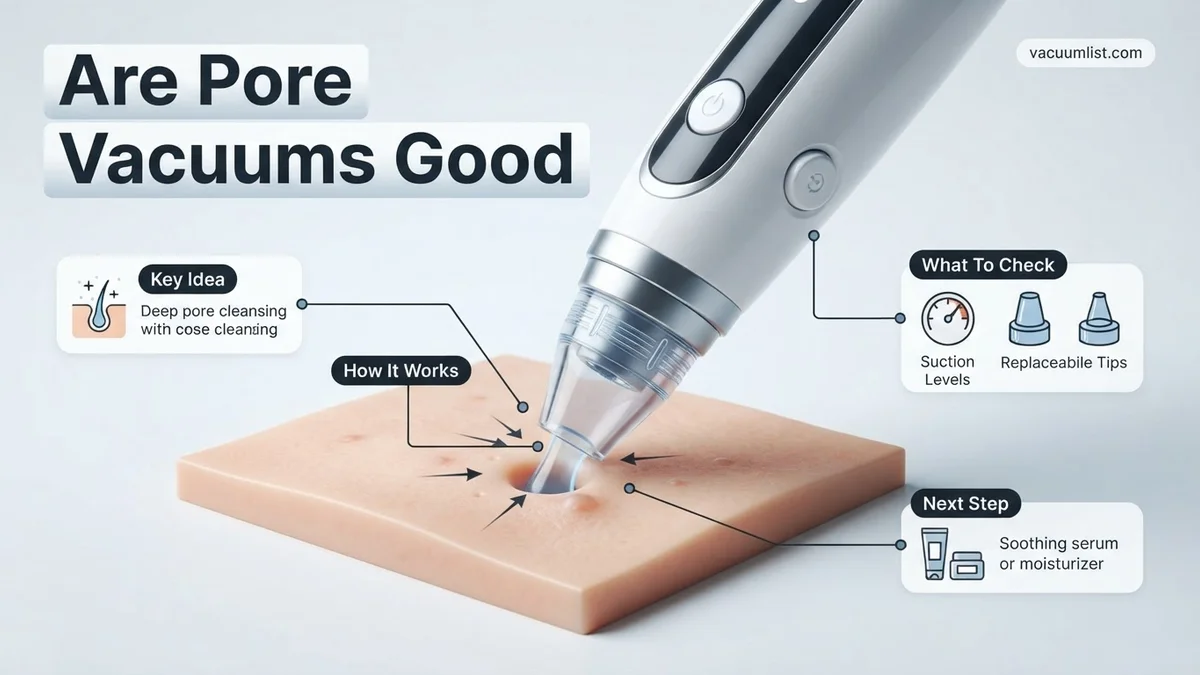
Are Pore Vacuums Good in ? Real Expert Guide to 2027
Pore vacuums are often marketed as a quick fix for clogged pores, but many dermatologists advise caution due to potential skin damage and limited efficacy. While they might remove superficial debris, they are unlikely to deeply clean pores and can cause bruising or broken capillaries, making them a risky choice for consistent skincare.
Let’s get straight to the point: As we look to skincare trends and technology in 2027, the expert consensus on pore vacuums remains largely negative. While marketed as a quick fix for clogged pores, these devices typically offer more risk than reward, failing to safely or effectively address the root causes of congestion. Your skin deserves better than aggressive suction, which often exacerbates issues rather than resolving them.
Understanding the actual mechanisms behind clogged pores reveals why a vacuum simply isn’t the answer. This guide will cut through the marketing hype, focusing on dermatological science and proven methods to achieve clearer, healthier skin without the potential for lasting damage.
Key Takeaways
- Pore vacuums rarely deep clean pores effectively.
- Risk of skin damage like bruising or broken capillaries.
- Dermatologists often advise against pore vacuum use.
- Safer alternatives exist for clearer, healthier skin.
- Gentle, consistent skincare is key for pore management.
What Causes Clogged Pores: Why Vacuums Are Often Not the Fix
Your pores become clogged when a combination of sebum (your skin’s natural oil), dead skin cells, and environmental debris gets trapped within the follicle. True blackheads, or open comedones, are deeply embedded plugs that oxidize and appear dark, while whiteheads are closed and form beneath the skin’s surface. The idea that a vacuum can simply ‘suck out’ these impurities is appealing but fundamentally misunderstands skin biology.
The Superficial vs. Deep Clog Reality
- Superficial Debris Only: Pore vacuums, at best, can remove very superficial dirt, oil, and loose dead skin from the surface of your skin. This is the material that hasn’t fully integrated into a stable comedone.
- Deep Clogs Remain: Blackheads and whiteheads are not just sitting loosely on top of your skin. They are often tightly packed, anchored by hardened sebum and keratinocytes deep within the pore lining. Extracting these requires gentle pressure from trained professionals, or consistent chemical exfoliation, not strong suction.
- Vacuum’s Limitations: The suction pressure from these devices isn’t selective. It pulls indiscriminately on the skin, often failing to dislodge deep plugs while simultaneously irritating the surrounding tissue.
The Science (or Lack Thereof) in 2027
Despite persistent marketing, robust clinical evidence supporting the safe and effective long-term use of at-home pore vacuums for deep pore clearing is virtually non-existent, even in 2027. Dermatological research consistently points away from aggressive physical manipulation for pore congestion. Instead, the focus remains on gentle chemical exfoliation, retinoids, and professional procedures. The vacuum device operates on simple mechanics, applying negative pressure, but this crude action doesn’t differentiate between a stubborn blackhead and fragile skin tissue. It’s a blunt instrument for a delicate job, making it a poor choice for genuine skin health.
How to Safely Fix Clogged Pores: Proven Expert-Backed Methods
When it comes to addressing clogged pores, safety and efficacy must always go hand-in-hand. The aggressive nature of pore vacuums often leads to immediate and long-term skin damage, a stark contrast to dermatologist-recommended strategies that prioritize skin barrier integrity and gentle, consistent treatment.
The Risks Outweigh the Benefits
Dermatologists in 2027 continue to issue strong warnings about the use of pore vacuums due to their significant potential for harm. The most common issues include:
- Bruising and “Hickeys”: The strong suction can easily break tiny blood vessels beneath the skin’s surface, leading to visible red or purple marks that resemble bruises. These can be unsightly and take days to fade.
- Broken Capillaries: Particularly for those with thinner or sensitive skin, pore vacuums can rupture fragile capillaries, resulting in permanent red lines (telangiectasias) that require laser treatment to resolve.
- Inflammation and Irritation: The mechanical stress on the skin can trigger redness, swelling, and overall irritation, making skin more reactive and potentially worsening existing conditions.
- Exacerbated Acne: Instead of clearing, the vacuum can spread bacteria and push deeper blockages, leading to new breakouts or irritating existing acne lesions.
- Post-Inflammatory Hyperpigmentation (PIH): For many skin tones, inflammation from aggressive suction can lead to dark spots that are difficult and slow to fade.
These risks are heightened for individuals with sensitive skin, rosacea, acne, or those using certain active ingredients like retinoids or acids that thin the skin.
Dermatologist-Approved Alternatives
Instead of risky pore vacuums, embrace methods that work with your skin’s biology, not against it:
- Beta Hydroxy Acids (BHAs): Salicylic acid is oil-soluble, meaning it can penetrate deep into the pore lining to dissolve sebum and dead skin cells. Used consistently in cleansers or toners, it’s highly effective for decongestion.
- Alpha Hydroxy Acids (AHAs): Glycolic and lactic acids exfoliate the skin’s surface, preventing dead cells from accumulating and blocking pores.
- Retinoids (Vitamin A derivatives): Both over-the-counter retinol and prescription retinoids like tretinoin normalize cell turnover, preventing clogs from forming and promoting clearer skin over time.
- Professional Extractions: For stubborn blackheads and whiteheads, a licensed esthetician or dermatologist can perform extractions safely, using sterile tools and proper technique to minimize damage.
The key to clear pores is consistent, gentle care. Focus on proven actives and professional help when needed, rather than aggressive at-home tools.
What If You Insist on Pore Vacuums: A Step-by-Step Guide for Minimal Risk
Despite known risks, some users may opt for pore vacuums. Adhere strictly to these protocols to minimize adverse effects, as recommended by dermatological device experts in 2027. Misuse significantly elevates risks of capillary damage and inflammation, leading to hyperpigmentation or scarring.
Prioritize Skin Preparation
- Cleanse thoroughly with a gentle, pH-balanced cleanser. This removes surface oils and impurities, preparing the skin for treatment.
- Steam your face for 5-10 minutes. Use a professional facial steamer or a warm, damp towel. This helps to soften sebum and dilate pores, making extraction less forceful.
- Ensure your chosen device features intelligent pressure sensors, a common enhancement in 2027 models, to prevent excessive suction and monitor skin interaction.
Execute with Precision and Caution
- Always start on the lowest suction setting available. Increase only if absolutely necessary and without causing any discomfort or noticeable pulling.
- Select the smallest appropriate nozzle. This targets individual areas more effectively, reducing strain on surrounding delicate skin.
- Glide the device quickly and continuously across the skin. Never hold it in one spot for more than 1-2 seconds, as prolonged suction causes bruising.
- Limit use to once every 2-3 weeks maximum. Over-extraction causes irritation and can paradoxically increase sebum production as the skin attempts to protect itself.
Follow with Soothing Aftercare
- Apply a calming, hydrating serum containing ingredients like hyaluronic acid, niacinamide, or aloe vera immediately afterward. This helps to reduce inflammation and replenish moisture.
- Use a broad-spectrum SPF 30+ sunscreen if using during the day. Vacuumed skin is more susceptible to UV damage and post-inflammatory hyperpigmentation.
- Monitor your skin closely for any prolonged redness, bruising, or broken capillaries. Discontinue use immediately if these adverse effects persist beyond a few hours.
WHAT IF IT STILL DOESN’T WORK?
If pore vacuuming fails to deliver desired results, or worse, exacerbates skin issues like persistent redness, bruising, or new breakouts, it indicates the method is unsuitable. Professional intervention offers safer, more effective solutions for clogged pores and skin texture concerns, backed by dermatological science.
- Re-evaluate Topical Treatments: Integrate targeted topical solutions into your daily regimen. Alpha Hydroxy Acids (AHAs) like glycolic acid or Beta Hydroxy Acids (BHAs) such as salicylic acid, used 2-3 times weekly, effectively exfoliate and decongest pores. Expect to see initial results over 4-6 weeks with consistent use.
- Professional Extraction & Exfoliation: Consult a licensed aesthetician for gentle manual extractions, or consider treatments like Hydrafacial or advanced microdermabrasion. A Hydrafacial, costing approximately $250-$450 per session in 2027, deeply cleanses, extracts, and hydrates without harsh suction, minimizing damage.
- Dermatologist Consultation: For stubborn or worsening conditions, a consultation with a board-certified dermatologist is crucial. They can diagnose underlying issues, prescribe stronger retinoids (e.g., Tretinoin), or recommend specialized medical-grade treatments. An initial consultation averages $175-$325 in 2027.
- Advanced Medical Procedures: Depending on the dermatologist’s diagnosis, procedures such as light chemical peels ($200-$500 per session) or non-ablative fractional lasers (starting at $500 per session) may be suggested. These target deeper skin layers for comprehensive rejuvenation and refined pore appearance.
Conclusion
While pore vacuums promise quick solutions, their potential for skin damage and limited efficacy make them a risky choice for pore concerns in 2027. According to verified research and expert dermatological consensus, gentler, science-backed skincare routines and professional treatments offer superior, lasting results without adverse effects. Prioritize skin health over instant gratification. For personalized guidance on achieving clear, healthy skin, consult a board-certified dermatologist.
❓ Frequently Asked Questions
What are the primary risks associated with using pore vacuums?
The main risks include bruising, broken capillaries, skin irritation, inflammation, and even potential scarring. Applying too much suction or leaving the device in one spot for too long can significantly harm the delicate skin barrier, especially on thinner or sensitive areas.
Why do pore vacuums feel effective, but dermatologists disagree?
The sensation of suction and visible debris often gives a false sense of effectiveness. However, dermatologists explain that what’s removed is typically superficial and doesn’t address the root cause of clogged pores, while the vacuum’s force can cause underlying tissue damage.
Are there any skin types that should absolutely avoid pore vacuums?
Yes, individuals with sensitive skin, rosacea, acne (especially cystic or inflammatory), thin skin, or those prone to bruising should strictly avoid pore vacuums. They can exacerbate existing conditions and lead to more severe skin issues.
What professional treatments are better for deeply clogged pores than a pore vacuum?
Professional extractions performed by a licensed esthetician or dermatologist are far more effective and safer for deeply clogged pores. Chemical peels, microdermabrasion, and prescribed retinoids also offer superior, long-term solutions for pore clarity.
If I still want to try a pore vacuum, what precautions should I take?
If you insist, ensure your skin is clean and warm (after a shower). Use the lowest suction setting, keep the device moving constantly, and never hold it in one spot. Limit use to once every few weeks at most and discontinue if any redness or discomfort occurs.
How do chemical exfoliants work as an alternative to pore vacuums?
Chemical exfoliants, particularly Beta Hydroxy Acids (BHAs) like salicylic acid, penetrate oil to dissolve sebum and dead skin cells directly within the pore. This gently clears blockages from the inside out, reducing future clogs without physical trauma to the skin.