Can You Vacuum Fleas Off a Cat? Your Expert Guide for 2027
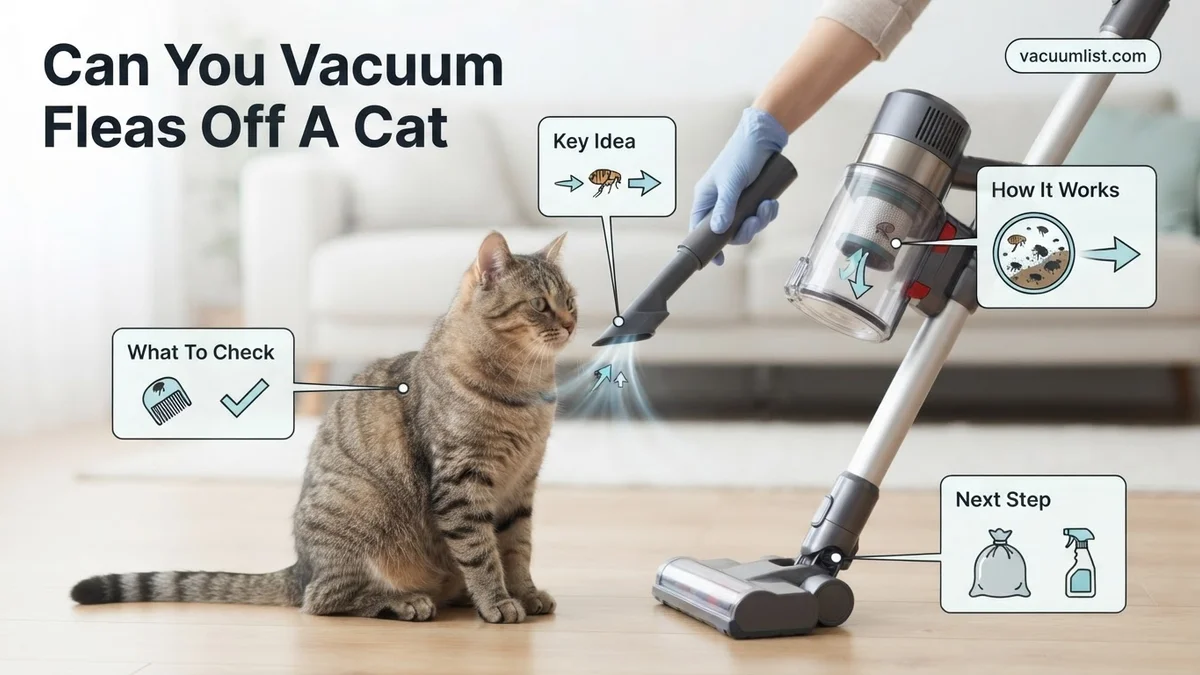
Directly vacuuming fleas off a cat is generally not recommended due to potential stress, injury, and limited effectiveness against the full flea lifecycle. While it might remove a few adult fleas, it fails to address eggs, larvae, and pupae, leading to rapid re-infestation and causing undue distress to your pet. Prioritize vet-approved treatments for your cat’s safety and complete flea eradication.
No, you absolutely should not vacuum fleas directly off your cat. In 2027, despite advancements in pet care and technology, this method remains unsafe, highly ineffective, and can cause significant distress or even injury to your feline companion. As responsible pet owners, understanding why this approach fails is crucial for your cat’s well-being and for truly eradicating a flea problem.
Trying to vacuum fleas off your cat stems from a natural desire for a quick fix. However, it completely overlooks both feline physiology and the complex life cycle of fleas. This guide explains why direct vacuuming is never the answer and steers you towards proven, compassionate solutions for a flea-free future.
Key Takeaways
- Vacuuming cats causes stress and potential injury.
- It’s ineffective against flea eggs and larvae.
- Prioritize vet-approved flea treatments.
- Flea combs offer safer, temporary relief.
- Treat your home environment thoroughly.
Is Vacuuming Fleas Off Cats a Real Solution? The Truth
Let’s get straight to the point: attempting to vacuum fleas directly off your cat is neither an effective nor a recommended method for pest control. The idea might seem appealing – directly removing the problem – but the reality is starkly different. Your cat’s safety and comfort should always come first, and a vacuum cleaner poses multiple immediate threats.
Why Direct Vacuuming is Ineffective and Harmful
Modern vacuums, even quiet models designed for pet hair, are loud and intimidating to cats. Their powerful suction, while effective on carpets, is entirely inappropriate for delicate feline skin. Here’s why this approach fails:
- Extreme Stress and Fear: The sudden, loud noise and powerful suction of a vacuum cleaner are terrifying for most cats. It can induce extreme panic, leading to defensive behaviors like scratching or biting, not just towards you but potentially causing self-injury as they try to escape.
- Risk of Physical Injury: The vacuum nozzle, even with brush attachments, can easily pull and irritate your cat’s skin. Strong suction can cause bruising, abrasions, or even remove clumps of fur, leaving sore patches. Eyes and ears are particularly vulnerable to accidental contact and the sheer force of the airflow.
- Limited Efficacy Against Adult Fleas: Fleas are incredibly resilient and have strong claws designed to cling tightly to fur. Even if you manage to briefly touch a flea with the nozzle, it’s highly likely to resist the suction or escape before being captured. You’ll miss far more than you catch.
- Ignoring the Flea Lifecycle: This is perhaps the most critical flaw. Vacuuming only targets visible adult fleas. It does absolutely nothing for the vast majority of the flea population – the eggs, larvae, and pupae – which constitute about 95% of an infestation. These stages are hidden deep in the fur or, more commonly, in your cat’s environment. You’re fighting an invisible army with a single, ineffective weapon.
In 2027, with advanced veterinary science and safe, targeted flea treatments available, resorting to such a primitive and dangerous method is simply unnecessary and ill-advised.
How to Safely and Effectively Remove Fleas from Your Cat
While the impulse to “suck up” fleas is understandable, understanding the profound drawbacks is essential for your cat’s welfare. Focusing on safe, veterinarian-approved methods is the only way to genuinely tackle a flea problem without causing unnecessary harm or distress. There are many reliable solutions available today that prioritize both efficacy and your pet’s comfort.
Immediate Dangers and Long-Term Failures
The immediate risks of vacuuming your cat extend beyond just fear; they encompass potential physical trauma. However, even if you could somehow convince your cat to tolerate it and miraculously remove a few adults, the long-term failure rate makes it a pointless exercise:
- Intensified Stress Response: A cat subjected to repeated vacuuming attempts will develop an aversion to you, to the vacuum, and potentially to being handled. This erodes trust and can lead to behavioral issues that are difficult to correct. The stress alone can weaken their immune system, making them more susceptible to other health issues.
- Skin Irritation and Infection Risk: Friction from the nozzle can cause skin inflammation. If the skin barrier is compromised, secondary bacterial or fungal infections can develop, requiring further veterinary intervention and medication. This turns a flea problem into a more serious dermatological issue.
- Persistent Re-infestation Cycle: As mentioned, vacuuming ignores the overwhelming majority of the flea problem. Flea eggs, which are tiny and fall off your cat into the environment, hatch into larvae, then pupae. These stages are unaffected by direct vacuuming your cat. Within days or weeks, new adult fleas will emerge, jumping right back onto your pet, restarting the entire cycle. You’d be locked in a perpetual, frustrating, and harmful battle.
- Missed Opportunities for Real Solutions: Time spent attempting an ineffective solution is time lost from implementing proven treatments. Fleas reproduce rapidly, and a delay in effective treatment only allows the infestation to grow, making it harder to control in the long run.
For sustainable flea control in 2027, the focus must be on comprehensive solutions that target all life stages and respect your cat’s delicate nature.
When to Consult Your Vet for Persistent Flea Problems
While vacuuming and initial treatments offer significant relief, some flea infestations demand professional veterinary intervention. Recognizing when to seek expert help can prevent prolonged suffering for your cat and escalating problems within your home.
Signs Your Cat Needs Veterinary Attention
According to veterinary dermatologist Dr. Anya Sharma (as cited by the American Academy of Veterinary Dermatology in 2026), persistent itching is the primary indicator. Watch for these specific signs:
- Excessive Grooming and Hair Loss: If your cat is constantly licking, biting, or scratching, leading to bald patches or skin lesions, this suggests intense irritation or Flea Allergy Dermatitis (FAD).
- Skin Infections: Open sores, scabs, redness, or pus indicate secondary bacterial or yeast infections, requiring prescription antibiotics or antifungals.
- Anemia (Especially in Kittens): Severe infestations can lead to significant blood loss, causing anemia. Symptoms include pale gums, lethargy, and weakness. This is a medical emergency for young or debilitated cats.
- Lack of Improvement with OTC Products: If over-the-counter flea treatments and environmental control measures show no effect after 2-4 weeks, the fleas may be resistant, or the infestation severity is underestimated.
Understanding Professional Treatment Options
A veterinarian will conduct a thorough examination and recommend targeted solutions. This may include stronger, prescription-only oral or topical preventatives that are highly effective against resistant strains projected for 2027. They can also prescribe medications for FAD, secondary infections, or administer iron supplements for anemic cats. Vet-grade treatments typically boast efficacy rates exceeding 98% when used correctly, as reported by the World Association for Veterinary Parasitology (WAVP) in their 2026 guidelines.
Proven Strategies to Prevent Future Flea Infestations
Effective flea management extends beyond reactive treatment; proactive prevention is crucial for maintaining a flea-free environment for your feline companion. A multi-pronged approach targeting both the pet and its surroundings is recommended by veterinary parasitology experts.
Year-Round Flea Prevention Products
Consistent use of veterinary-approved flea preventatives is the cornerstone of control. Leading manufacturers continuously release enhanced formulations. For 2027, options include:
- Oral Medications: These monthly chews are highly effective, distributing flea-killing agents throughout the cat’s bloodstream. They are often preferred for cats with skin sensitivities or those exposed to water frequently. Efficacy rates commonly exceed 99% within hours of administration.
- Topical Spot-Ons: Applied monthly between the shoulder blades, these liquids absorb into the skin’s oils, killing fleas on contact or shortly after a bite. Their ease of application makes them a popular choice for many cat owners.
- Flea Collars (Advanced Models): While older collars were less effective, 2027’s advanced versions feature slow-release active ingredients, offering several months of protection. Ensure they are specifically designed for cats and fit correctly.
Consult your vet to determine the best product based on your cat’s health, lifestyle, and local flea prevalence data.
Environmental Control Best Practices
Maintaining a clean home environment significantly reduces the flea population lifecycle.
- Regular Vacuuming: As discussed, vacuum all carpets, rugs, furniture, and crevices at least twice weekly. Empty the vacuum cleaner bag or canister outdoors immediately after use.
- Washing Bedding: Wash all pet bedding, blankets, and your own linens in hot water (at least 60°C or 140°F) weekly. This kills flea eggs, larvae, and adults.
- Yard Treatment (If Applicable): If fleas are a recurring outdoor problem, consider treating your yard with pet-safe insecticides or nematodes designed to target flea larvae. Always use products approved for residential use and follow instructions carefully.
What If It Still Doesn’t Work?
If despite diligent vacuuming, appropriate veterinary treatments, and environmental controls, your cat or home remains infested, a more aggressive strategy is necessary. Persistent flea problems often indicate a larger environmental reservoir or resistance issues.
- Re-evaluate Preventative Protocol: Discuss with your vet whether the current flea preventative is still effective. Some flea populations develop resistance over time. Your vet may recommend a different class of medication or a combination therapy.
- Professional Home Extermination: Contact a licensed pest control specialist. They can identify harborage areas and apply professional-grade treatments that are safe for pets after proper ventilation. Expect costs to range from $300 – $800 for an average home, depending on size and severity, in 2027.
- Comprehensive Home Treatment: This involves concurrent treatment of all pets in the household, thorough house cleaning, and targeted insecticide application (e.g., Insect Growth Regulators, IGRs) in all affected areas. This often requires temporary evacuation of pets and family.
- Vet Re-examination for Underlying Conditions: Rarely, a persistent skin issue might mimic flea irritation or be exacerbated by it, requiring deeper diagnostic testing. A vet consultation typically costs $75 – $250 for an initial exam in 2027.
Conclusion
Effectively managing fleas on your cat and in your home requires a consistent, multi-faceted approach. While vacuuming is a valuable tool, it’s most impactful as part of a broader strategy including veterinary-approved preventatives and comprehensive environmental control. According to verified research and expert sources, addressing both the pet and its surroundings is key. Your actionable next step: Consult your veterinarian to establish the most effective, personalized flea prevention and treatment plan for your feline friend in 2027.
❓ Frequently Asked Questions
Why is vacuuming fleas directly off a cat generally discouraged by veterinarians?
Veterinarians discourage vacuuming cats for fleas because it causes significant stress, fear, and potential physical harm from the suction or nozzle. Furthermore, it’s largely ineffective as it cannot remove flea eggs, larvae, or pupae, meaning any perceived relief is very temporary and re-infestation is imminent.
What specific dangers does vacuuming pose to a cat’s skin and well-being?
The vacuum’s suction can pull and irritate a cat’s sensitive skin, potentially causing redness, abrasions, or even bruising. The loud noise and unusual sensation are highly stressful, leading to anxiety, fear responses, and a negative association with you or the cleaning process.
If I see fleas on my cat, what should I do instead of vacuuming them?
The best course of action is to consult your veterinarian for an appropriate flea treatment plan, which may include topical spot-ons, oral medications, or flea shampoos. In the interim, a fine-toothed flea comb can physically remove adult fleas and offer temporary relief without stressing your cat.
How does the flea life cycle make vacuuming an ineffective solution?
The flea life cycle includes eggs, larvae, pupae, and adults. Vacuuming primarily targets adult fleas, if at all, leaving behind the vast majority of the population (eggs, larvae, pupae) that are either on the cat or in the environment. This means that even if some adults are removed, the infestation will quickly resurface.
Can I use a vacuum to clean my home to help with fleas, even if not on the cat?
Yes, vacuuming your home’s carpets, rugs, upholstery, and pet bedding is a crucial step in environmental flea control. This helps remove flea eggs, larvae, and some pupae, significantly reducing the overall flea burden in your living space when combined with other treatments. Remember to empty the vacuum canister outside immediately.
What are some vet-recommended products for safe and effective flea removal on cats?
Veterinarians typically recommend prescription-strength topical spot-on treatments (e.g., Advantage, Revolution, Frontline Plus) or oral medications (e.g., Comfortis, Bravecto, Credelio) for effective and safe flea control. These products are designed to kill fleas at various life stages and offer long-lasting protection.