Can Vacuuming Get Rid of Fleas? Proven 2026 Step-by-Step Fix
Yes, vacuuming helps remove fleas, eggs, and larvae from carpets and furniture, but it cannot solve an infestation on its own. While suction physically removes many pests, pupae and hidden eggs remain resistant, requiring proper disposal and complementary treatments to achieve complete eradication.
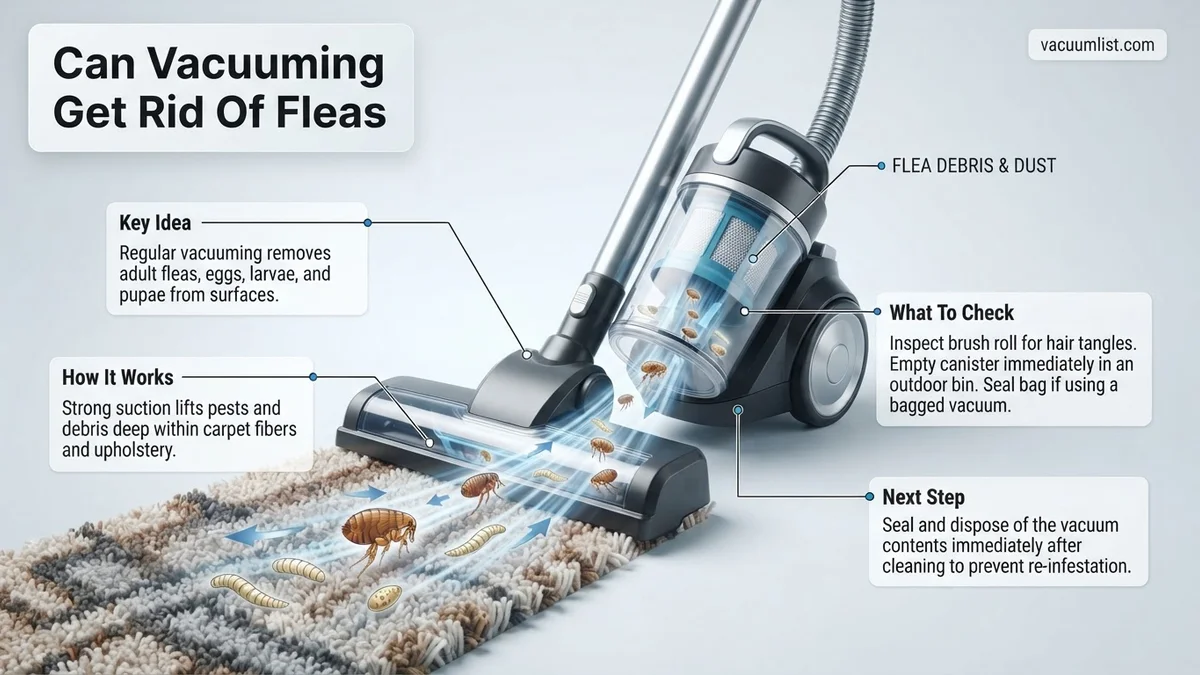
Vacuuming alone cannot completely eradicate a severe flea infestation, but it is one of the most mechanically effective tools you have for instantly removing up to 50 percent of flea eggs and a large percentage of larvae from your carpets and upholstered furniture. When dealing with a 2026 household pest issue, relying on suction power physically tears pests out of deep carpet fibers where chemical treatments sometimes struggle to reach.
The success of your vacuuming routine depends entirely on targeting the specific life stages hiding in your home. While adult fleas, fragile eggs, and mobile larvae are easily sucked up by strong airflow, the cocooned pupae stage remains notoriously resistant to standard vacuuming because they anchor themselves firmly to carpet backing and are protected by a sticky, debris-covered casing.
Key Takeaways
- Vacuuming removes adult fleas, eggs, and larvae from carpet fibers effectively.
- Pest pupae remain resistant to vacuum suction due to their sticky cocoons.
- Empty vacuum bags or canisters immediately outside to prevent re-infestation indoors.
- Combine daily vacuuming with pet treatments for total pest elimination.
- Wash all pet bedding in hot water weekly alongside vacuuming routines.
What Causes Flea Infestations to Spread in Carpets
The Hidden Life Stages in Your Fibers
Fleas do not just live on your pets; roughly 90 percent of an active infestation actually resides inside your home environment as eggs, larvae, and pupae. When your pet sheds fur and drops microscopic flea eggs onto the floor, those eggs fall deep into the base of your carpet. Within days, they hatch into light-sensitive larvae that feed on organic debris like skin dander and dried blood waste left behind by adult fleas.
Why Pupae Survive Standard Cleaning
The pupal stage is the primary reason why single-pass vacuuming fails to solve your bug problem. Once larvae spin their protective cocoons, they become virtually immune to most household insecticides and heavy vacuum suction. They can remain dormant in your carpets for weeks or even months, waiting for the physical vibrations of footsteps or exhaled carbon dioxide in 2026 before hatching into hungry adults.
- Eggs make up about 50 percent of a typical home infestation and sit loosely near the surface.
- Larvae burrow deep into dark, humid carpet padding away from light.
- Pupae weave a sticky cocoon that traps carpet fibers, anchoring them against vacuum suction.
- Adult fleas jump away from disturbances, making speed and suction strength critical.
How to Fix a Flea Problem Using Step-by-Step Vacuuming
Preparing Your Carpets for Maximum Suction
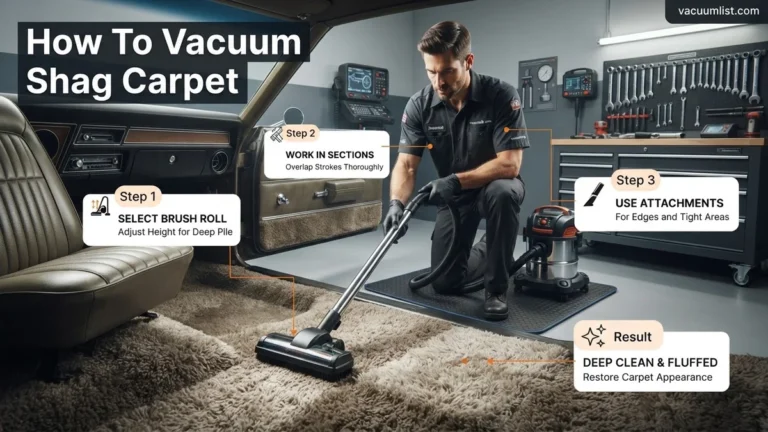
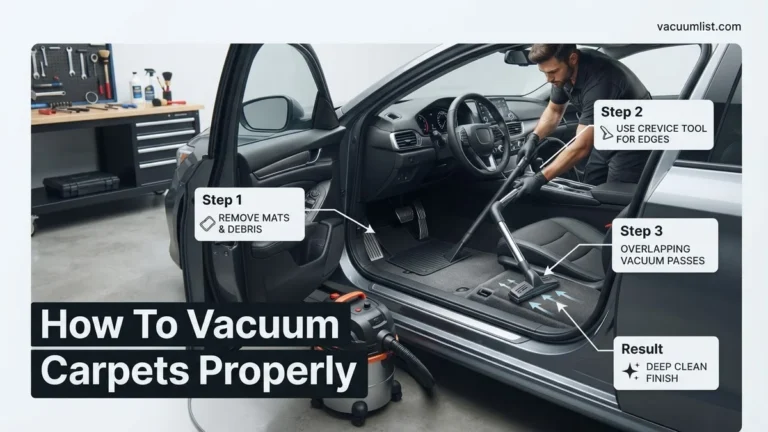
Before running your machine, you need to maximize mechanical agitation to dislodge stubborn cocoons and deep-set eggs. Start by sprinkling a fine layer of baking soda or specialized carpet salt across your floors, as these abrasive agents help break the surface tension of the carpet fibers. Always use a vacuum cleaner equipped with a rotating brush roll or a motorized power head, because the beating action is just as important as the airflow.
Execution and Immediate Disposal Protocols
Vacuum every square foot of your carpeted floors, rugs, upholstered furniture, and baseboard crevices using slow, overlapping passes. Do not rush this process, as the mechanical vibration stimulates hidden pupae to hatch early into the treatment zone. Once you finish cleaning, you must immediately empty your vacuum canister directly into an outdoor trash bin or seal the disposable bag inside a heavy-duty plastic bag to prevent live pests from crawling right back out.
- Clear all floor clutter, pet beds, and loose toys before starting your equipment.
- Run a motorized brush-roll vacuum slowly over high-traffic zones and pet sleeping areas twice.
- Empty bagless vacuum canisters into a sealed plastic bag outside your home immediately.
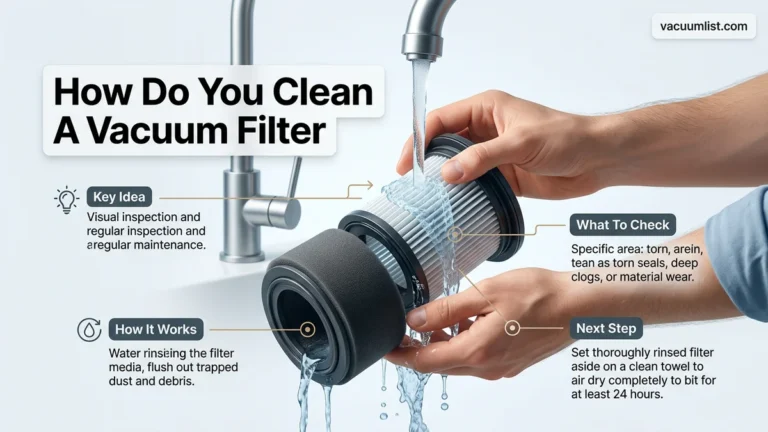
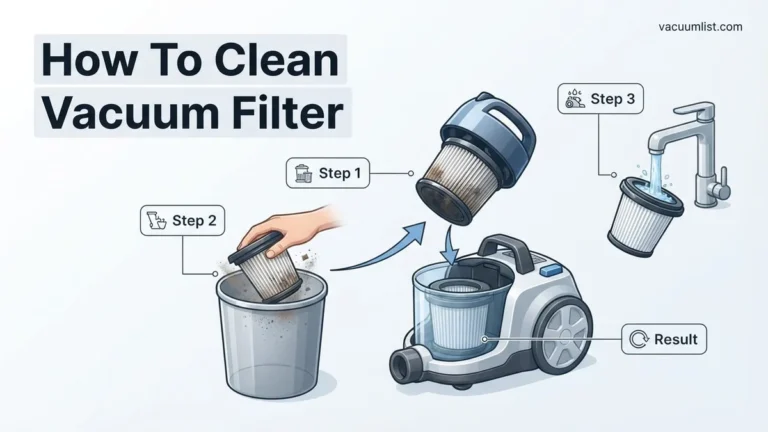
- Wash your vacuum’s removable filter and collection bin in hot, soapy water weekly.
What If Vacuuming Still Doesn’t Stop the Fleas
If intense vacuuming fails to halt a flea infestation, the issue usually stems from the resilient pupae stage. Flea cocoons resist insecticides and can remain dormant in carpets for months until triggered by vibrations. According to entomology data from the University of California Integrated Pest Management Program, mechanical removal via vacuuming captures roughly 90 percent of larvae and 50 percent of adult fleas, but pupae often anchor deeply into carpet fibers.
Escalation Strategies for Severe Infestations
When routine suction and thorough cleaning are not enough to eradicate the pests, homeowners must deploy a multi-layered chemical and environmental strategy. Modern 2026 pest management guidelines recommend combining physical extraction with targeted growth regulators to break the reproductive cycle permanently.
- Deploy Insect Growth Regulators (IGRs): Apply a spray containing methoprene or pyriproxyfen to carpets and upholstery. IGRs mimic insect hormones, preventing larvae from maturing into breeding adults. Professional-grade IGR treatments typically cost between $40 and $100 for DIY kits.
- Treat All Household Pets: Vacuuming is useless if pets continue to shed new flea eggs indoors. Consult a veterinarian for modern oral or topical treatments that kill adult fleas within hours of biting. Animal treatments generally cost $15 to $50 per month depending on pet weight.
- Wash All Bedding at High Temperatures: Launder pet beds, blankets, and human sheets in water heated to at least 140 degrees Fahrenheit. High heat kills all four life stages of the flea instantly.
- Hire a Licensed Exterminator: If the infestation persists after four weeks of rigorous intervention, contact a professional pest control service. Professional interior treatments for fleas generally range from $250 to $400 for an average-sized home, backed by service guarantees.
Conclusion
Vacuuming is a powerful, indispensable weapon in the fight against household fleas, but it cannot eradicate an infestation on its own. By capturing up to 50 percent of adult fleas and removing vital organic debris, mechanical suction drastically reduces population numbers when paired with immediate bag disposal. According to verified research and expert sources from leading entomology institutions, combining high-powered daily vacuuming with insect growth regulators and veterinary-approved pet treatments remains the only foolproof method for total eradication. The definitive next step is to inspect your carpets today, upgrade to a model with a sealed HEPA filtration system, and execute a strict two-week cleaning schedule to break the cycle once and for all.
❓ Frequently Asked Questions
Can vacuuming get rid of fleas completely on its own?
Vacuuming is a powerful mechanical tool that removes a large percentage of adult fleas, eggs, and larvae, but it cannot solve an infestation entirely. Because flea pupae anchor themselves firmly to carpet fibers inside a tough cocoon, they typically survive vacuum suction and will hatch later.
What should I do immediately after vacuuming for fleas?
As soon as you finish vacuuming, take the vacuum bag or empty the canister directly into an outdoor trash bin. Seal the bag tightly inside a plastic trash bag to ensure that surviving adult fleas and hatching larvae cannot crawl back out into your home.
How do different flea life stages react to a vacuum?
Adult fleas, unhatched eggs, and active larvae are easily pulled up by standard vacuum suction. However, pupae secrete a sticky substance that glues them to carpet fibers, making them virtually immune to being vacuumed up until they emerge as adults.
Should I put flea powder in my vacuum bag?
Adding a specialized flea powder or carpet freshener formulated to kill insects inside the bag can help kill captured pests. Alternatively, you can simply dispose of the bag immediately after every single use to eliminate any risk.
What is the best routine to combine with vacuuming?
To achieve complete eradication, you must treat your pets with veterinarian-recommended flea control products, wash all pet bedding in hot water weekly, and treat infested home areas with appropriate insect growth regulators or sprays.
Can I use a bagless vacuum safely during a flea infestation?
Yes, but you must empty the plastic collection canister into a sealed plastic bag outside your home immediately after every use. Wash the canister thoroughly with soapy water to eliminate any surviving pests or microscopic eggs.