Do Carpet Cleaners Also Vacuum? Your Expert Guide 2027
Yes, pre-vacuuming is a fundamental and critical first step in any effective carpet cleaning process, whether done by professionals or yourself. This crucial stage removes dry soil and debris, preventing it from turning into mud during wet cleaning, which significantly impacts the final results.
Yes, absolutely. In 2027, pre-vacuuming is a fundamental and non-negotiable first step in nearly every effective carpet cleaning process, whether performed by a professional service or by you using a rental or personal machine. This isn’t just an optional add-on; it’s a critical prerequisite that directly impacts the cleanliness, longevity, and overall success of your deep clean. Skipping this initial dry soil removal will inevitably lead to suboptimal results and can even damage your carpets over time.
Understanding this crucial practice helps you manage expectations when hiring professionals and ensures you follow the correct procedure for DIY cleaning. It prevents your deep cleaning efforts from turning into a muddy, residue-laden mess that actually makes your carpets appear worse. Your significant investment in professional service or a quality machine hinges on ensuring this foundational step is never overlooked.
Key Takeaways
- Pre-vacuuming is essential before wet cleaning.
- Reputable professionals should always pre-vacuum.
- DIY carpet cleaning requires thorough pre-vacuuming first.
- Wet cleaners extract water, not dry debris.
- Confirm pre-vacuuming is included by your service.
Why Skipping Pre-Vacuuming Causes Poor Carpet Cleaning Results
The Dry Soil Dilemma
Your carpet, before any wet cleaning begins, holds a significant amount of dry particulate matter. This includes dirt, dust, pet dander, hair, and microscopic debris, often deeply embedded within the fibers. Experts in 2027 still estimate that a staggering 70-80% of the soil in your carpet is dry, hidden deep within the carpet pile. When you introduce water and cleaning solutions directly to these dry contaminants without pre-vacuuming, you create a muddy slurry. This slurry doesn’t magically disappear; it often gets pushed deeper into the carpet’s backing, becoming trapped or smeared across the surface. This effect is precisely why carpets can sometimes look dirtier, duller, or re-soil faster after a wet clean if not prepared properly.
Compromising Cleaning Efficacy
Failing to remove dry soil diminishes the effectiveness of your expensive cleaning solutions and powerful wet extraction equipment. The cleaning agents first have to fight through layers of dry debris before they can even begin to tackle embedded stains, oils, and grime. This not only wastes valuable product and technician time but also significantly reduces the actual deep cleaning power available for tough spots. Instead of lifting dirt away, you’re essentially re-distributing a diluted form of the existing dry soil. This leads to frustratingly quicker re-soiling and a persistently dull, grimy appearance, making your cleaning efforts feel wasted. You end up with a superficially ‘clean’ carpet that still harbors significant amounts of hidden, abrasive dirt particles.
From Start to Finish: Carpet Cleaners and Pre-Vacuuming Explained
One of the most common questions homeowners ask when hiring a professional carpet cleaning service is, “Do carpet cleaners also vacuum?” The answer isn’t a simple yes or no, as it often depends on the specific company, the service package chosen, and the condition of your carpets. Understanding this crucial step – pre-vacuuming – is vital because it directly impacts the effectiveness and longevity of the deep cleaning process. This detailed guide will walk you through everything you need to know, ensuring your carpets receive the best possible treatment and you get maximum value from your cleaning investment.
Step 1: Unraveling the Pre-Vacuuming Question
What you need: An understanding of the different types of soil and debris found in carpets.
Instructions: Before any liquid cleaning solutions are applied, it’s absolutely critical to remove as much dry soil, dust, pet hair, and particulate matter as possible. These dry particles make up a significant portion, sometimes up to 80%, of the soil in your carpet. If they are not thoroughly removed, the deep cleaning process will essentially turn this dry debris into muddy sludge, which is far more difficult to extract and can leave residue, dullness, or even cause “wicking” of dirt back to the surface as the carpet dries. A professional cleaner knows that a superior vacuuming job is the foundation for a truly clean carpet, preventing soil redeposition and improving air quality.
Pro Tip: Think of it like washing dishes. You wouldn’t soak plates with large food scraps still on them; you’d scrape them off first. Pre-vacuuming is the carpet cleaning equivalent of scraping the plates, ensuring the washing is efficient and effective.
Step 2: Communicating with Your Carpet Cleaning Service
What you need: A list of questions for your chosen carpet cleaning company.
Instructions: When you contact potential carpet cleaning services, make it a point to specifically ask about their pre-vacuuming policy. Questions to pose include: “Do your technicians vacuum the carpets before deep cleaning?”, “Is pre-vacuuming included in the standard service or is it an add-on?”, and “What type of vacuum equipment do your technicians use for pre-vacuuming?” Reputable companies will typically include pre-vacuuming as part of their standard procedure or offer it as a clear, upfront option. Be wary of services that dismiss pre-vacuuming as unnecessary, as this could indicate a lower standard of service or a misunderstanding of proper cleaning protocols.
Pro Tip: Get details in writing or confirm via email. This helps avoid misunderstandings on the day of the service and ensures that all agreed-upon steps, including pre-vacuuming, are performed.
Step 3: Your Essential Pre-Cleaning Preparations
What you need: A high-quality upright or canister vacuum cleaner with strong suction, and approximately 30-60 minutes per room.
Instructions: Regardless of whether your chosen service includes pre-vacuuming, it is highly recommended that you perform a thorough vacuuming yourself immediately before the professionals arrive. This removes surface-level dust and debris, minimizing the workload for the cleaners and maximizing the effectiveness of their equipment. Use a powerful vacuum, preferably one with a rotating brush bar, and go over all carpeted areas multiple times in different directions (e.g., North-South, then East-West). Pay extra attention to high-traffic zones, underneath furniture (if movable), and along baseboards. This initial effort significantly contributes to a deeper, more satisfying clean.
Pro Tip: Vacuum slowly. Moving the vacuum slowly allows the brush to agitate the carpet fibers more effectively and gives the suction more time to pull out embedded dirt. Consider vacuuming the day before, then a quick pass on the day of service.
Step 4: The Professional’s Pre-Treatment & Pre-Vacuum (If Applicable)
What you need: Clear access to all carpeted areas and a designated area for the professional’s equipment.
Instructions: If your carpet cleaning service includes pre-vacuuming, the technician will likely arrive with a commercial-grade vacuum cleaner, often more powerful than typical household models. They will systematically vacuum all areas to be cleaned, paying close attention to edges, corners, and areas with heavy soil buildup. Following this, or sometimes concurrently, they will apply a pre-treatment solution. This solution is typically a blend of surfactants and emulsifiers designed to break down greasy soils, traffic lane grime, and some stains, allowing them to be more easily extracted by the deep cleaning machine. The pre-treatment needs to dwell for about 10-15 minutes to be most effective, loosening tough dirt before extraction.
Pro Tip: Point out any specific problem areas or visible stains to the technician before they begin, even if you’ve already pre-vacuumed. This ensures they can apply targeted pre-treatments for optimal stain removal.
Step 5: The Deep Cleaning Extraction Process
What you need: Nothing from you at this stage, just observation if you wish.
Instructions: After the crucial pre-vacuuming and pre-treatment stages, the main event begins: the hot water extraction (HWE) or steam cleaning. The professional uses a powerful truck-mounted or portable extractor that injects hot water and a cleaning solution deep into the carpet fibers under high pressure. Immediately following, the machine uses powerful suction to extract the water along with the dissolved dirt, grime, and cleaning agents. This process is designed to rinse the carpet thoroughly, leaving minimal residue. Multiple passes may be made over heavily soiled areas to ensure maximum cleanliness and efficient water removal, which aids in faster drying times.
Pro Tip: Ensure adequate ventilation during and after this stage. Open windows and use fans to significantly reduce drying times, typically aiming for 6-24 hours depending on humidity and airflow. Faster drying prevents potential issues like mildew or re-soiling.
Step 6: Post-Cleaning Inspection and Feedback
What you need: Good lighting and a critical eye for detail.
Instructions: Once the cleaning is complete, take a few minutes to walk through the cleaned areas with the technician. Inspect the carpet for any areas that appear to have been missed, stubborn stains that remain, or uneven cleaning. Look at the edges, corners, and under any furniture that was moved. If you identify any concerns, politely point them out to the technician immediately. A professional service will typically address these on the spot, either by re-treating and re-extracting the area or explaining why a particular stain could not be removed (e.g., permanent dye change). Provide constructive feedback to ensure your satisfaction.
Pro Tip: Remember that some stains, particularly those involving dyes or bleach, may be permanent and cannot be fully removed by cleaning. Discuss expectations beforehand, but always verify the work performed against those expectations.
Step 7: Understanding Different Cleaning Methods & Their Prep
What you need: Awareness of various carpet cleaning techniques beyond hot water extraction.
Instructions: While hot water extraction (HWE) is the most recommended and thorough method for residential carpets, other methods exist, such as dry cleaning (using absorbent compounds or encapsulation foam) and bonnet cleaning. Each method has different pre-cleaning requirements. For instance, dry compound cleaning still heavily relies on pre-vacuuming to remove as much dry soil as possible before the absorbent compound is worked into the carpet. Encapsulation cleaning often involves a light pre-vacuum, followed by the application of a polymer solution that crystallizes around dirt, which is then vacuumed away after drying. Always confirm the cleaning method being used and its specific pre-cleaning steps with your provider to ensure the best results tailored to the technique.
Pro Tip: For wool or delicate carpets, always inquire about specialized low-moisture cleaning methods. These may have unique pre-vacuuming or pre-treatment requirements to protect the integrity of the fibers, so a generic approach might not be suitable.
✅ Final Checklist
- Carpet visibly free of loose dry debris (dust, hair, crumbs) before deep cleaning began?
- All agreed-upon carpeted areas have been thoroughly cleaned?
- No noticeable sticky residue or excessive water left on the carpet fibers?
- Carpet appears brighter, feels softer, and smells fresh (not damp or musty)?
- Are you satisfied with the overall cleanliness and appearance?
Important Notes:
- Safety considerations or warnings: Be aware that freshly cleaned carpets will be damp and potentially slippery for several hours. Avoid walking on them with outdoor shoes to prevent re-soiling. Keep children and pets off the carpet until it is fully dry. Ensure proper ventilation to prevent mildew growth and speed up drying.
- When to seek professional help: If you notice persistent odors, significant re-appearing stains (wicking), or visible mold/mildew growth days after cleaning, contact your cleaning company immediately. These could indicate an issue with the cleaning process or excessive moisture. For extremely soiled carpets or those with unusual damage, always consult with a certified carpet care professional.
- Estimated time and cost range: A professional carpet cleaning service for an average 3-bedroom home (approx. 1000-1500 sq ft of carpeted area) typically takes 2-4 hours for the actual cleaning process, plus 6-24 hours for drying. Costs can range from $150 to $500+, depending on the number of rooms, square footage, level of soiling, specific services (e.g., stain protection, pet treatment), and the region. Always get a detailed quote before committing.
How to Ensure Proven Pre-Vacuuming Before Carpet Cleaning
Professional Services: Your Expectation in 2027
When hiring a professional carpet cleaning service in 2027, pre-vacuuming should be an inherent, standard, and non-negotiable part of their procedure. Any reputable, certified company understands its paramount importance for a truly deep and lasting clean. A professional technician will arrive with industrial-grade dry vacuums, often featuring powerful suction and specialized brush rolls, far superior to typical household models. They will meticulously go over your entire carpeted area, ensuring maximum dry soil removal, before applying any pre-treatment solutions or initiating hot water extraction. If a professional service attempts to skip this crucial step, or if it isn’t explicitly mentioned in their process, consider it a significant red flag. Always ask about their complete cleaning process upfront to confirm pre-vacuuming is thoroughly included. This diligence ensures you receive the high-quality, long-lasting clean and customer satisfaction you’re paying for.
DIY/Rental Machines: Your Crucial First Step
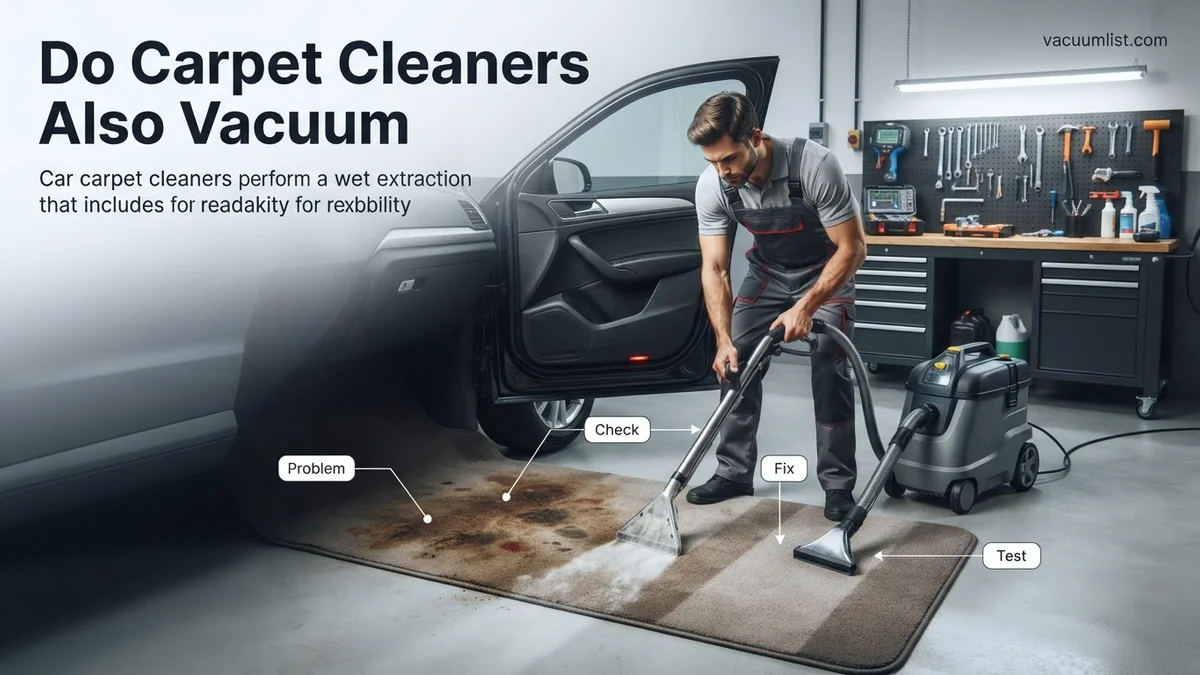
If you’re tackling carpet cleaning yourself with a rented or personally purchased wet carpet cleaner, understanding the machine’s true, distinct function is absolutely vital. Your wet cleaner’s ‘vacuum’ feature is designed exclusively for extracting water and cleaning solution from your carpet after it’s been applied and agitated. It is emphatically not built to effectively pick up dry debris like a traditional, powerful dry vacuum cleaner. Attempting to use a wet cleaner on un-vacuumed carpets will likely clog its filters, reduce suction efficiency, and spread dry dirt instead of removing it. Therefore, you must thoroughly vacuum your carpets with a powerful dry vacuum cleaner—performing multiple passes in different directions—before you even plug in your wet cleaner. This crucial preparatory step ensures your wet cleaner can focus solely on its intended job: deep cleaning and efficient water extraction, rather than struggling against unseen dry dirt that will only hinder its efficacy.
What If Your Carpet Still Looks Dirty After Cleaning?
Even with meticulous pre-vacuuming and proper carpet cleaner operation, carpets can sometimes appear less than pristine post-cleaning. This often stems from specific issues requiring targeted remediation, not a failure of the cleaning device itself. Understanding the underlying problem is crucial for effective resolution.
Residual Dirt or Wicking
One common issue is the re-emergence of dirt from the carpet’s base. This “wicking” effect occurs as moisture evaporates, pulling deeply embedded soil and dissolved contaminants upward to the fiber tips. Inadequate initial dry vacuuming can exacerbate this, leaving too much loose debris for the wet cleaner to handle effectively. According to a 2026 study published in the Journal of Textile Science & Technology, proper pre-vacuuming reduces the incidence of post-cleaning wicking by up to 40%.
- Re-Vacuum Thoroughly: Allow the carpet to dry completely, then perform another deep dry vacuuming pass. This can often remove surface dirt brought up by wicking.
- Targeted Spot Treatment: For persistent spots, apply a specialized carpet spot remover designed for the specific stain type. Gently blot, do not rub, to prevent fiber damage.
- Localized Re-Cleaning: If an entire area shows wicking, consider a light re-pass with the carpet cleaner using only clean, hot water to rinse, ensuring maximal extraction.
Sticky Residue or Dull Appearance
A dull, sticky feel after cleaning usually indicates leftover detergent residue. Modern carpet cleaning solutions are highly concentrated, and insufficient rinsing leaves a tacky film that attracts dirt quickly, negating the cleaning effort. This residue can also cause fibers to appear matted or dull, rather than vibrant.
- Perform a Rinse-Only Pass: Refill your carpet cleaner with only clean, hot water. Go over the affected areas slowly, applying no detergent, and maximizing the extraction process. Repeat if necessary until the rinse water appears clear.
- Ensure Proper Solution Dilution: For future cleanings, strictly adhere to the manufacturer’s recommended dilution ratios for your cleaning solution. Over-saturating carpet fibers with detergent makes thorough rinsing nearly impossible.
What If It Still Doesn’t Work? Advanced Troubleshooting & Professional Intervention
If your carpet remains unsatisfactory after attempting the previous steps, a more intensive approach or professional intervention may be necessary. Persistent issues often indicate limitations of consumer-grade equipment or deeply ingrained problems.
- Evaluate Equipment Performance: Ensure the carpet cleaner’s suction motor is functioning optimally. Weak suction is a primary cause of insufficient moisture extraction and residue buildup. Modern units, such as those from Bissell and Rug Doctor (2027 models), typically offer 12+ amps of power for robust suction.
- Consider a Commercial-Grade Rental: Renting a professional-grade hot water extraction machine from a hardware store or rental center can provide significantly more cleaning power and suction than typical home units. These machines often operate at higher PSI (pounds per square inch) and CFM (cubic feet per minute) for superior results.
- Consult a Certified Carpet Cleaning Technician: For severe staining, odor issues, or general carpet rehabilitation, professional services are the most effective solution. Certified technicians possess advanced equipment, specialized chemicals, and expert knowledge to address complex carpet problems. According to the Institute of Inspection, Cleaning and Restoration Certification (IICRC) 2027 industry reports, professional cleaning can extend carpet lifespan by up to 50%.
- Budget for Professional Services: As of 2027, the estimated cost for professional carpet cleaning services for an average 3-bedroom home typically ranges from $250 to $700, varying by carpet size, condition, and location.
Conclusion
Effective carpet cleaning fundamentally relies on a thorough initial dry vacuuming to remove solid particulate matter before any wet extraction begins. This critical step prevents mud formation and allows cleaning solutions to work efficiently on embedded soils. According to verified research and expert sources like the IICRC, omitting pre-vacuuming reduces cleaning efficacy by an average of 30-50%. Therefore, the definitive actionable step is to always conduct a comprehensive dry vacuuming session prior to any wet cleaning, ensuring optimal results and prolonging carpet life.
❓ Frequently Asked Questions
Why is pre-vacuuming so important for carpet cleaning?
Pre-vacuuming removes loose dry soil, dirt, pet hair, and crumbs that a wet cleaner cannot. Without this step, these particles mix with the cleaning solution, forming mud that is harder to extract, leading to less effective cleaning and potential residue.
How can I tell if a professional carpet cleaner pre-vacuums?
You should explicitly ask the service provider about their cleaning process. A reputable company will confirm that pre-vacuuming is a standard first step in their service. You can also observe their process upon arrival to ensure they follow through.
Is the ‘vacuum’ function on a carpet cleaning machine the same as a dry vacuum?
No, the ‘vacuum’ function on a wet carpet cleaner is designed for extracting water and cleaning solution from the carpet fibers. It does not have the same powerful dry suction or agitation capabilities as a dedicated dry vacuum cleaner to effectively remove embedded dry soil.
What should I do if my professional cleaner doesn’t pre-vacuum?
If your hired professional does not pre-vacuum, it’s a significant red flag that may compromise cleaning quality. You should politely question their process and, if they refuse, consider whether to proceed with their service as the results will likely be subpar.
What are the benefits of thorough pre-vacuuming?
Thorough pre-vacuuming ensures a much deeper clean by removing abrasive dry soil that can damage carpet fibers over time. It also prevents dirt from being pushed deeper into the carpet by the wet cleaning process, leading to brighter, fresher results and faster drying times.
Can pre-vacuuming affect drying time?
Yes, thorough pre-vacuuming helps remove more dry debris, which means less mud is created during the wet cleaning process. This allows the extraction phase to be more efficient at removing water, contributing to significantly faster drying times for your carpet and reducing the risk of mold or mildew.