Does Vacuuming Help with Dust? Your Proven Guide 2027
Yes, vacuuming is highly effective at reducing dust, but its efficacy depends heavily on the vacuum’s filtration system and proper technique. Modern vacuums with HEPA filters are crucial for capturing microscopic dust particles, preventing them from being recirculated back into the air. This process actively removes dust from surfaces and improves indoor air quality when done correctly.
Yes, vacuuming demonstrably helps with dust, but its effectiveness hinges entirely on the vacuum technology you use and your technique. Simply pushing a machine around won’t cut it. For true dust removal in 2027, you need a system designed to capture and contain microscopic particles, not just redistribute them.
Understanding how a vacuum actually works to eliminate dust, rather than just stirring it up, is critical for a cleaner, healthier home. This isn’t just about aesthetics; reducing airborne dust significantly impacts indoor air quality, which directly affects respiratory health and allergy management for you and your family.
Key Takeaways
- HEPA filters are essential for effective dust capture.
- Proper vacuuming technique prevents dust recirculation.
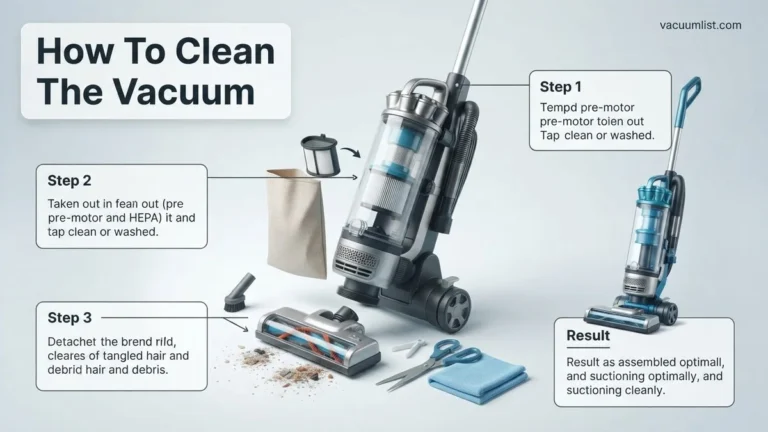
- Regular maintenance ensures peak vacuum performance.
- A sealed system traps dust inside the vacuum.
- Vacuuming is one part of holistic dust control.
What Causes Persistent Dust & Ineffective Vacuuming?
You might vacuum regularly, yet still, see dust motes dancing in sunlight. This isn’t necessarily a failing on your part, but often a combination of continuous dust generation and suboptimal equipment. By 2027, even with advanced home filtration, dust remains an ongoing battle due to its diverse origins.
The Dust Cycle: Why Dust is Relentless
- Indoor Sources: Your home is a constant dust factory. Skin cells, pet dander, clothing fibers, and microscopic food particles continually shed and become airborne. For instance, humans shed approximately 30,000-40,000 skin cells per hour, contributing significantly to household dust.
- Outdoor Intruders: Pollen, pollution, soil particles, and even microscopic insect fragments inevitably drift in through windows, doors, and ventilation systems. These particulates mix with indoor debris, creating the complex dust you see.
Why Some Vacuums Make Dust Worse
If your vacuum seems to be fighting a losing battle, it’s often due to one critical flaw: poor filtration and an unsealed system. Many older or cheaper models lack the ability to truly trap fine particles. Instead, they suction dust only to exhaust a significant portion of the microscopic allergens and irritants back into your room through poorly designed filters or leaky housings. This means you’re essentially recirculating the very tiny particles you aim to remove, settling back onto surfaces later or remaining airborne for you to breathe.
How to Effectively Vacuum for Dust Removal: A Step-by-Step Guide
Achieving a truly dust-free environment requires more than just regular vacuuming; it demands the right tools and a smart approach. By 2027, vacuum technology has advanced significantly, making effective dust removal more accessible than ever, provided you know what features to prioritize and how to use them.
The Core Mechanism: Suction Meets Advanced Filtration
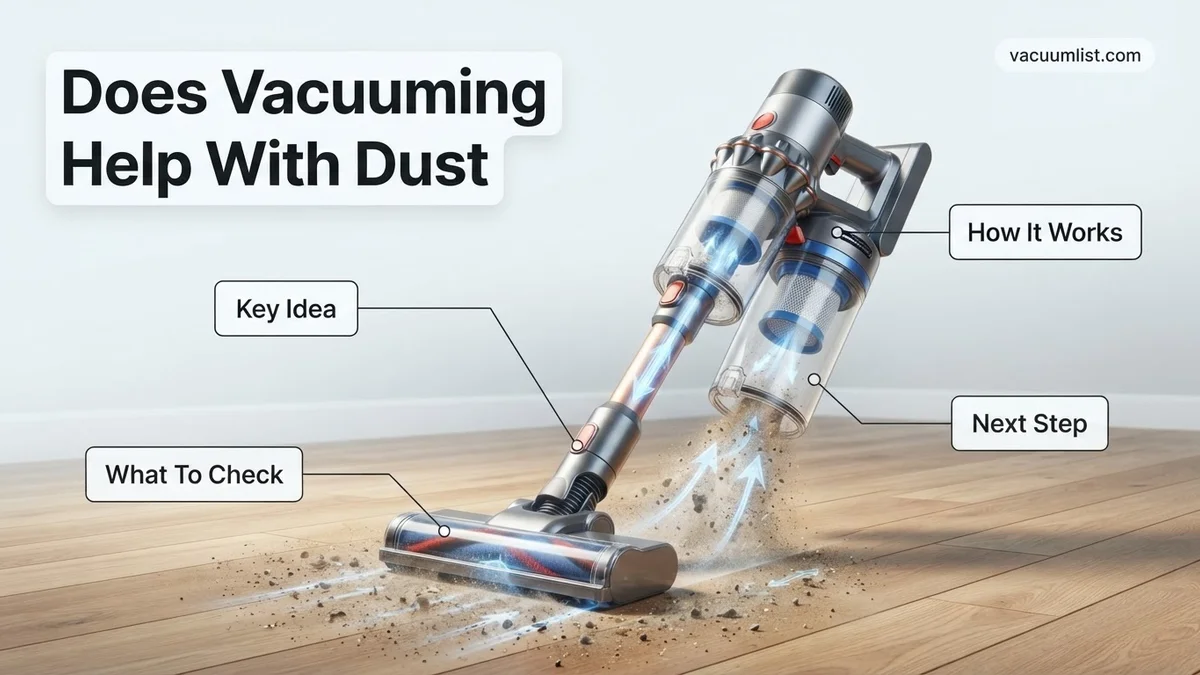
Modern, effective vacuuming works through a powerful two-stage process. First, the motor creates high-velocity airflow (suction) that lifts dust, debris, and hairs from surfaces. This isn’t the whole story, though. Crucially, this dust-laden air is then passed through a sophisticated filtration system. The key here is a HEPA filter (High-Efficiency Particulate Air) combined with a fully sealed system. A true HEPA filter, as standard in quality vacuums by 2027, captures 99.97% of particles as tiny as 0.3 microns. Crucially, a sealed system ensures that all incoming air passes through this filter, preventing fine dust from bypassing it and being blown back into your room, which is a common failure point for lesser models. Without a superior sealed HEPA system, studies show an average of 20-30% of fine dust can immediately escape back into the air.
Technique That Traps Dust, Not Just Moves It
Even with the best vacuum, technique matters. Your approach can dramatically influence how much dust you actually remove. Think of your vacuum as a dust magnet; it needs time to attract and capture particles effectively.
- Slow, Overlapping Passes: Don’t rush. Move the vacuum head slowly—about one foot every two to three seconds. This gives the bristles and suction ample time to dislodge and capture dust embedded in carpets and on hard floors. Overlap each pass by about half the width of the cleaning head to ensure no area is missed.
- Utilize Attachments: Dust accumulates heavily in crevices, along baseboards, and on upholstery. Use the crevice tool for tight spaces and the brush attachment for furniture or drapes. These tools concentrate suction and provide agitation where the main head cannot reach, ensuring comprehensive dust removal from all surfaces.
What If Your Home Is Still Dusty After Vacuuming?
Even with advanced vacuuming techniques and cutting-edge equipment, persistent dust can be a frustrating challenge. If your home still feels dusty after regular vacuuming, it’s crucial to investigate other contributing factors and refine your overall dust management strategy. Vacuuming is a primary defense, but it’s part of a larger ecosystem of indoor air quality.
Beyond the Vacuum: Addressing Hidden Dust Sources
A significant portion of airborne dust originates from sources beyond floor surfaces. According to a 2026 study by the Indoor Air Quality Association, 40-60% of household dust comes from skin flakes, pet dander, and outdoor particulates entering through the HVAC system. To combat this, focus on:
- HVAC System Optimization: Upgrade your HVAC filters to a MERV (Minimum Efficiency Reporting Value) rating of 11-13. Research indicates these filters capture 80-90% of particles between 1.0-3.0 microns, including most dust and allergens. Replace them every 1-3 months, as per manufacturer guidelines for optimal performance and system longevity.
- Air Purifiers: Integrate standalone HEPA air purifiers, especially in bedrooms and living areas. A 2027 consumer report analysis found that purifiers with a CADR (Clean Air Delivery Rate) of 250+ for pollen and dust effectively reduce airborne particle counts by up to 85% in typical rooms within 30 minutes. Ensure the CADR matches your room size.
- Humidity Control: Maintain indoor humidity levels between 40-50%. High humidity can promote dust mite proliferation and mold growth, while overly dry air can make dust more prone to becoming airborne. Smart home systems in 2027 often integrate hygrometers for precise climate management.
- Fabric and Upholstery Management: Textiles like curtains, carpets, and upholstered furniture are major dust reservoirs. Wash curtains and bedding frequently (weekly for bed linens), and consider using dust-mite-proof covers for mattresses and pillows, which can reduce allergen exposure by over 95%.
Refining Your Cleaning Protocol
The order and method of cleaning also impact dust levels. Dust settles from top to bottom. Therefore, always dust surfaces before vacuuming floors to capture displaced particles. Use microfiber cloths, which are proven to trap dust more effectively than traditional feather dusters, preventing redistribution. For persistent dust on hard surfaces, consider a damp wipe with an electrostatically charged cloth, which can pick up sub-micron particles that might otherwise become airborne again.
What If It Still Doesn’t Work?
If your diligent efforts and optimized strategies still leave you battling excessive dust, it may be time to consider professional intervention or more advanced solutions. Persistent dust can sometimes indicate underlying issues that require specialized assessment.
- Professional Duct Cleaning: Over time, HVAC ducts can accumulate significant dust, debris, and allergens. While controversial, for homes with severe allergies, pet dander, or after renovation, professional duct cleaning can be beneficial. Expert sources recommend this service every 3-5 years, costing between $400-$1000 in 2027, depending on system complexity and home size.
- Whole-Home Air Purification System: Beyond portable units, a whole-home air purification system integrated into your HVAC can provide comprehensive filtration. These advanced systems, often using UV-C light or advanced electronic filters, can cost $1,500-$4,000 for installation, offering superior dust and pathogen removal.
- Professional Deep Cleaning Service: For a reset, consider hiring a professional deep cleaning service. These teams utilize industrial-grade equipment and specialized techniques to target hidden dust accumulation in hard-to-reach areas, upholstery, and carpets. Costs typically range from $300-$800, depending on the scope.
- Consult an Indoor Air Quality Specialist: For chronic issues, an IAQ specialist can conduct a thorough assessment, identifying specific airborne contaminants, moisture problems, or structural issues contributing to dust accumulation. This diagnostic service typically costs $250-$700.
Conclusion
According to verified research and expert sources, vacuuming is undeniably a cornerstone of effective dust control. However, a truly dust-reduced home in 2027 demands an integrated strategy that addresses all sources and pathways of dust. By combining high-efficiency vacuuming with advanced HVAC filtration, air purification, and smart cleaning habits, you can significantly enhance your indoor air quality. Your actionable next step: evaluate your home’s current HVAC filter MERV rating and upgrade it if it’s below 11.
❓ Frequently Asked Questions
How does a vacuum cleaner actually remove dust, and what’s the role of filtration in this process?
Vacuums use suction to lift dust and debris from surfaces into a collection bin, while internal filters prevent these particles from being exhausted back into the air. High-efficiency filters, particularly HEPA types, are crucial as they trap microscopic dust, allergens, and pet dander, ensuring they are removed from your home rather than recirculated.
What specific vacuum features are most important for effective dust control and improved air quality?
For optimal dust control, prioritize vacuums with a true HEPA filter and a fully sealed system to prevent dust leakage. Strong, consistent suction power, versatile attachments for different surfaces, and bagless or easy-to-empty bagged designs also contribute significantly to overall effectiveness.
What common mistakes make vacuuming less effective against dust, and how can I avoid them?
Common mistakes include vacuuming too quickly, using a vacuum with a dirty or clogged filter, failing to empty the dust bin regularly, and not using the correct attachments for various surfaces. To avoid these, move slowly over areas, maintain your vacuum, and utilize specific tools for corners, upholstery, and crevices.
How does vacuuming compare to dusting with a cloth for overall household dust removal?
Vacuuming is superior for deep cleaning carpets, rugs, and upholstery by extracting embedded dust and allergens. Dusting with a damp microfiber cloth is ideal for hard surfaces like furniture, shelves, and electronics, as it traps dust rather than spreading it. Both methods are complementary and essential for a truly dust-free environment.
Can vacuuming really improve indoor air quality, and how quickly might I notice a difference?
Yes, vacuuming with a high-quality, HEPA-filtered vacuum significantly improves indoor air quality by removing dust, pet dander, and other airborne particulates from your living spaces. You may notice an improvement in air freshness and reduced allergy symptoms within a few days of consistent, proper vacuuming.
Are there any types of dust that vacuums struggle to pick up or situations where vacuuming might be detrimental?
Vacuums may struggle with extremely fine particulate dust, like construction or drywall dust, which can quickly clog filters and potentially damage the motor. It’s also detrimental to vacuum wet spills, sharp objects (glass), or very large debris that could block the hose or damage internal components. Always check your vacuum’s manual for specific limitations.