Will a Vacuum Kill a Spider? Expert Guide for 2026
Yes, vacuuming generally kills spiders due to the high-speed impact and intense air pressure changes inside the hose. However, some resilient or small spiders can survive the trip into bagless canisters and crawl back out. To ensure they stay dead, you must take immediate preventative steps after vacuuming.
Yes, vacuuming a spider will usually kill it. The combination of high-speed suction, physical impact against the internal components, and compression forces inside the hose proves fatal for most arachnids long before they ever reach the collection bag or canister.
When you spot an eight-legged intruder scurrying across your living room carpet in 2026, reaching for the vacuum cleaner feels like the fastest, cleanest defense. However, urban legends claim that spiders possess superpowers that allow them to ride the air currents and march right back out of the nozzle. Understanding how vacuum mechanics interact with a spider’s fragile exoskeleton helps you determine if your cleaning routine actually eliminates the pest or just relocates it.
Key Takeaways
- Most spiders die from impact trauma and rapid air pressure changes during vacuuming.
- Bagless vacuums carry a higher risk of spiders escaping back out of the canister.
- Vacuuming up diatomaceous earth or baking soda ensures trapped spiders are quickly suffocated.
- Emptying bagless canisters outdoors immediately prevents escaping pests.
- Vacuuming venomous spiders is discouraged due to the risk of them surviving in the hose.
What Causes Spiders to Survive or Die Inside a Vacuum
The Physics of Suction and Impact
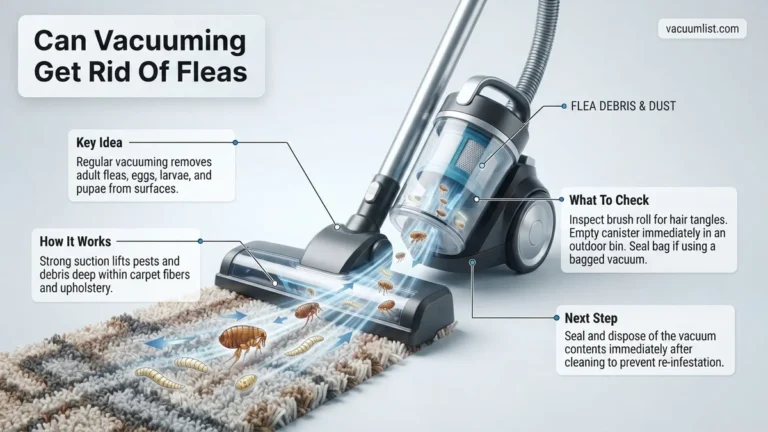
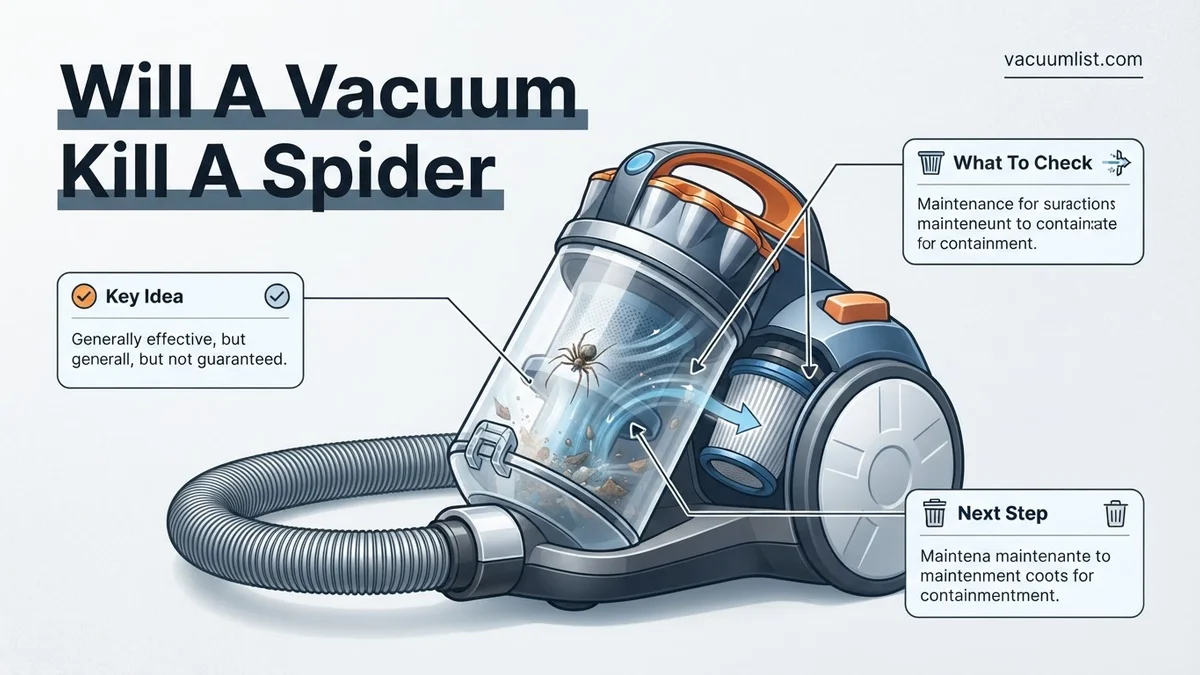
Most vacuumed spiders die from severe physical trauma rather than suffocation. As a spider is sucked into the nozzle, it travels at speeds often exceeding 50 miles per hour through the hose. Along the way, it collides violently with rigid plastic walls, sharp turns, and the spinning blades of the fan mechanism in traditional upright models.
- Extreme G-force: The rapid acceleration subjects the spider’s delicate body to intense pressure.
- Blunt force trauma: Hitting the internal fan or impeller usually results in immediate death or fatal internal injuries.
- Debris barrage: Dust, pet hair, and dirt particles batter the spider during its journey into the machine.
Survival Factors in Bagless Systems
While high-speed impact kills most spiders, certain conditions allow a fraction of resilient survivors to live. Small household spiders, such as tiny jumping spiders or newly hatched spiderlings, possess low mass and flexible bodies that can absorb the shock of transit better than larger species like wolf spiders.
- Smooth-path vacuums: Modern 2026 canister models with wide, unobstructed hoses sometimes deposit insects into the bin unharmed.
- Bagless debris cushions: Landing on a thick cushion of carpet lint or soft dust can break a spider’s fall, leaving it dazed but physically intact inside a bagless cup.
How to Fix Escape Risks and Safely Kill Vacuumed Spiders
Preventing Post-Vacuum Escapes
If you suspect a hardy spider survived its trip into your vacuum cleaner, taking immediate preventative action stops it from crawling back out into your home. Spiders trapped in a sealed bag have zero chance of escape, but bagless containers require a bit of extra caution.
- Empty bagless canisters immediately: Take the dust cup directly to an outdoor trash bin right after vacuuming.
- Seal disposable bags: If your machine uses a bag, remove and seal it tightly in a plastic trash bag if you vacuumed a particularly large specimen.
- Use a secondary pest spray: A quick spray of household insecticide directly into the vacuum canister ensures any surviving bugs are neutralized instantly.
Best Practices for Pest Removal
Relying solely on your vacuum works well for routine cleaning, but treating your machine properly prevents unwanted infestations inside the housing unit. Regular maintenance ensures that no organic debris or surviving pests linger inside your equipment.
- Change bags frequently: Disposing of vacuum bags monthly eliminates hidden breeding grounds for dust mites and surviving insects.
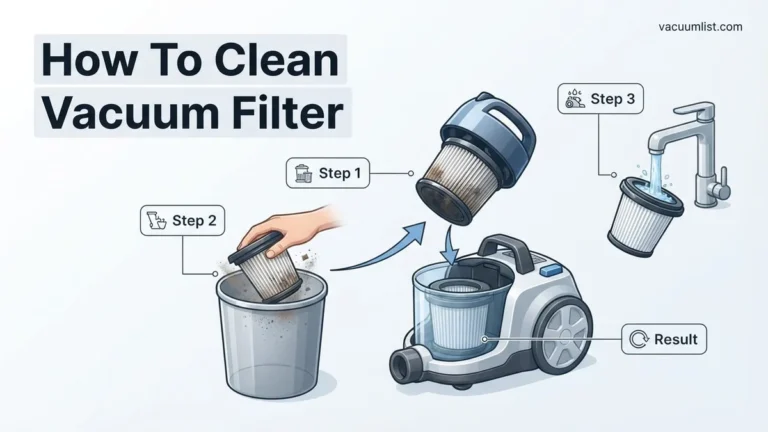
- Clean canister filters: Washing bagless filters removes residual webs and debris that might offer shelter to small pests.
- Block the hose: Store your vacuum with the hose plugged or capped if you suspect pests try to climb back up the intake pipe.
What If It Still Doesn’t Work and Spiders Keep Escaping
When the standard vacuuming method fails and resilient spiders manage to crawl back out of the canister or hose, targeted troubleshooting is required. Certain species, particularly larger wolf spiders or fast-moving huntsman spiders, can survive the initial suction and traverse the internal architecture of a vacuum cleaner to make a secondary escape.
If you notice spiders continually escaping your appliance, implement these corrective steps to secure your home:
- Empty the container immediately: Detach the dust cup or bag right outside your home and seal it tightly inside a plastic waste disposal bag.
- Deploy physical barriers: Apply high-grade silicone caulk to seal baseboard gaps, window frames, and utility entry points where spiders frequently migrate indoors.
- Apply targeted residual insecticides: Spray EPA-approved pyrethroid-based barrier treatments along floor perimeters and dark corners to eliminate crawling pests on contact.
- Upgrade your suction technology: Transition to sealed HEPA-filter vacuum models equipped with automatic self-sealing bag mechanisms designed to prevent pest escape.
- Contact licensed pest control professionals: Schedule a residential inspection if you notice a recurring infestation of venomous species like the black widow or brown recluse. Professional extermination services typically range from $150 to $350 depending on the square footage of the property.
Conclusion
Using a vacuum cleaner to dispatch spiders offers a swift, touch-free removal method, provided you use high-suction models and immediately dispose of the contents. While heavy-duty vacuums can kill arachnids via rapid airflow and mechanical impact, securing the bag or canister is essential to prevent re-entry in 2026. According to verified research and entomological expert sources, eliminating entry points and maintaining rigorous home hygiene remains the most effective long-term defense strategy. Take action today by inspecting your home’s perimeter seals and upgrading to a sealed-system HEPA vacuum.
❓ Frequently Asked Questions
Do spiders die immediately when sucked into a vacuum?
Most spiders succumb immediately to severe physical trauma caused by colliding with the interior walls of the hose and the fan blades. The extreme shift in air pressure also contributes significantly to their demise.
Can a spider survive inside a vacuum bag?
It is extremely rare for a spider to survive inside a traditional vacuum bag. The combination of heavy debris, lack of oxygen, and physical crushing ensures they do not make it out.
Why do bagless vacuums let spiders escape?
Bagless canisters feature smooth plastic walls that allow durable spiders to climb or crawl back up through the hose opening when the machine is turned off.
What household items can I vacuum to kill spiders faster?
Vacuuming up a small spoonful of baking soda, talcum powder, or diatomaceous earth coats the spider, drying out its exoskeleton and ensuring it dies quickly.
How long should I leave the vacuum running after sucking up a spider?
Running the vacuum for an extra 10 to 15 seconds ensures the spider travels deep into the bag or canister and gets buried under dust and debris.
Is it safe to vacuum up egg sacs along with the spider?
Vacuuming spider egg sacs is effective, but you must empty the bag or canister immediately to prevent hundreds of spiderlings from hatching inside your home.