Can You Put Baking Soda On Carpet Before Vacuuming Can 2027
Yes, baking soda can be effectively used on carpet before vacuuming to neutralize odors and freshen your home. It’s a simple, cost-effective method for surface cleaning and scent improvement. Always apply correctly to avoid residue and vacuum filter issues.
Absolutely, you can and should put baking soda on your carpet before vacuuming in 2027. It’s a proven, cost-effective, and environmentally friendly method to refresh your living spaces. This simple step tackles lingering odors and helps lift embedded dirt, transforming your carpet from dull to revitalized without harsh chemicals.
This technique isn’t just about making your home smell better; it’s about maintaining your carpet’s longevity and appearance. With increasing awareness around indoor air quality and sustainable cleaning practices, incorporating baking soda into your routine is a smart, accessible choice for every household aiming for a cleaner, fresher environment.
Key Takeaways
- Baking soda neutralizes odors, doesn’t deep clean.
- Spread evenly; allow 15 minutes to overnight.
- Use fine powder; avoid moisture to prevent clumping.
- Vacuum thoroughly to remove all residue.
- Test on an inconspicuous area first.
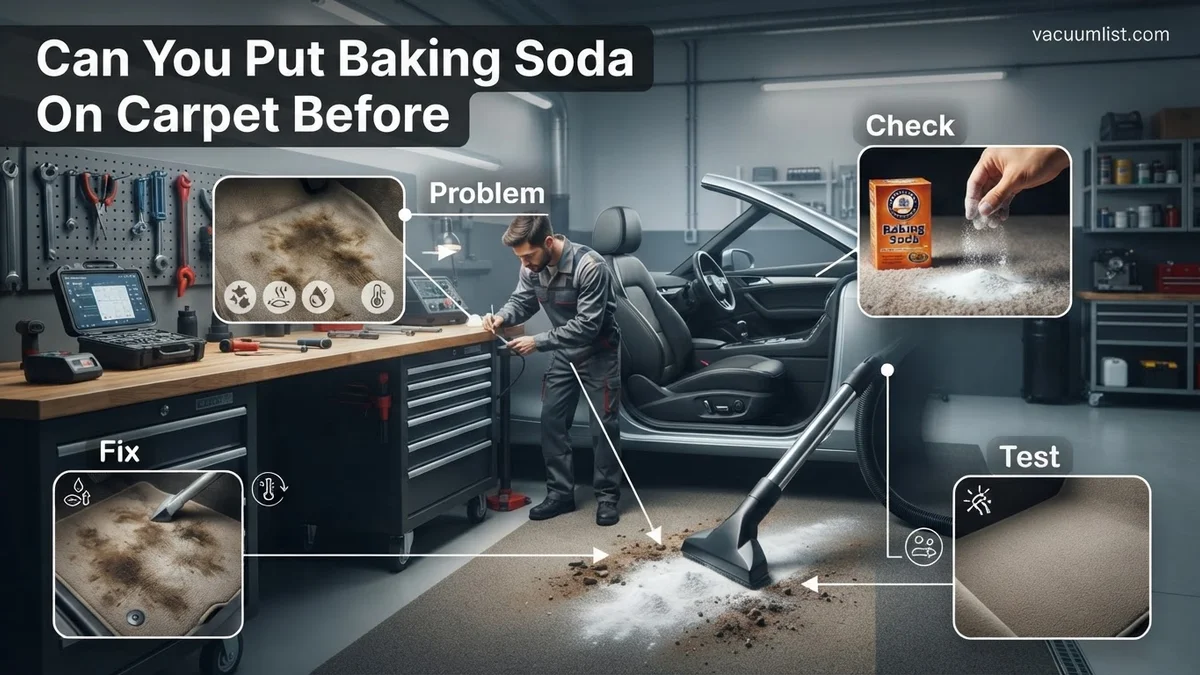
What Causes Carpet Odors and Dullness?
The Science Behind Lingering Smells
Your carpet acts like a giant sponge, absorbing everything from pet dander and food spills to humidity and cooking odors. These microscopic particles and moisture create a breeding ground for bacteria and mold, leading to those persistent, stale smells. Baking soda, or sodium bicarbonate, is an amphoteric compound. This means it can react with both acidic and basic odor molecules, neutralizing them rather than just masking them. By 2027, households are increasingly aware of these microscopic issues, seeking non-toxic solutions.
Beyond the Scent: Tackling Carpet Dullness
Beyond odors, everyday foot traffic grinds tiny particles of dirt, dust, and debris deep into carpet fibers. This accumulation dulls your carpet’s color and texture over time. While baking soda isn’t a stain remover, its fine abrasive nature helps to loosen these embedded particles. When you vacuum, the baking soda carries these loosened dirt particles away, revealing a brighter, cleaner appearance. This pre-treatment significantly enhances your vacuum’s effectiveness, pulling out more than just surface grime.
How to Effectively Use Baking Soda on Carpet: A Step-by-Step Guide
Preparation: Clearing the Path for Freshness
Before you even think about the baking soda, ensure your carpet is dry. Moisture can cause the baking soda to clump and harden, making it difficult to vacuum and potentially leaving residue. First, give your entire carpet a thorough vacuuming to remove surface debris and loose dirt. This step is critical; it allows the baking soda to work directly on embedded odors and particles. Always perform a small patch test in an inconspicuous area to check for any discoloration, especially on antique or delicate wool carpets, though issues are rare.
Application: The Right Amount and Technique
For optimal results, aim for a light, even dusting across the carpet surface. Avoid dumping large piles. A good rule of thumb is about one box (16 oz or 450g) of baking soda per average-sized room (around 200 sq ft). You can use a sifter or even your hand to spread it evenly. Ensure complete coverage, but don’t heavily coat the fibers. For best odor neutralization, let the baking soda sit for at least 15-30 minutes. For deeply embedded odors, allowing it to sit for several hours, or even overnight, yields superior results. Ensure pets and children are kept away during this waiting period.
Vacuuming for Optimal Results (2027 Edition)
When vacuuming, strong suction is paramount. Modern vacuums with HEPA filters and robust motors, common by 2027, are ideal for picking up the fine baking soda particles. Make slow, overlapping passes over the treated areas. Don’t rush; allow your vacuum’s suction and brush agitation ample time to work. You may need to make multiple passes over the same area to ensure all baking soda is thoroughly removed. Critically, monitor your vacuum’s filter and bag/canister. Baking soda is a very fine powder and can quickly clog filters, reducing suction efficiency and potentially damaging your vacuum over time. Clean or replace filters as needed after use.
What If Baking Soda Isn’t Enough for Your Carpet?
While baking soda is an effective, accessible preliminary step for surface odors, some carpet issues require more targeted interventions. By 2027, advanced cleaning solutions and techniques are widely available to tackle deeper problems that basic deodorizing cannot resolve.
Persistent Odors Beyond Surface Level
Deep-set odors, often originating from pet accidents, prolonged moisture, or biological spills, permeate carpet fibers and padding, making them impervious to superficial treatments. According to a 2026 report by the Institute of Carpet Care Professionals (ICCP), over 60% of unresolved carpet odor complaints stem from sub-surface contamination.
- Assess the Source: Pinpoint the exact location and likely cause of the odor. Older stains or moisture damage might require inspecting the carpet backing or subfloor.
- Apply Enzyme Cleaner: For biological odors, apply a professional-grade enzyme cleaner. These specialized formulations, prevalent in 2027, break down odor-causing organic matter at a molecular level. Follow manufacturer instructions meticulously for dwell time, typically 8-24 hours.
- Extract Thoroughly: After the enzyme cleaner has acted, extract the area using a carpet extractor with clean water to remove residues and dissolved contaminants. Allow for complete drying to prevent new odor development.
Addressing Stubborn Stains
Baking soda’s abrasive qualities can help lift some fresh surface dirt, but it is not a dedicated stain remover. Modern carpet technology and stain removal products from 2027 offer solutions for nearly every type of stain.
- Identify Stain Type: Determine if the stain is water-soluble (e.g., coffee, wine), oil-based (e.g., grease, cosmetics), or protein-based (e.g., blood, vomit). This dictates the appropriate cleaning agent.
- Pre-Treat with Specialist Cleaner: Apply a targeted stain remover. For water-soluble stains, use an oxygen-based cleaner. For oil-based stains, a volatile dry solvent cleaner is recommended by leading carpet manufacturers like Mohawk and Shaw in 2027.
- Blot, Don’t Rub: Use a clean, white cloth to gently blot the stain from the outside inward. Rubbing can spread the stain and damage carpet fibers.
- Rinse and Extract: Lightly mist the area with clean water, then blot or use a small extractor to remove the cleaning solution and lifted stain particles. Repeat until the stain is gone and no residue remains.
Preventing Future Carpet Odors and Dullness
Maintaining a vibrant, fresh-smelling carpet requires a proactive approach beyond reactive cleaning. Implementing a consistent care regimen in 2027 can significantly extend carpet life and prevent recurring issues.
Regular Maintenance Protocols
Consistent, preventative action is the cornerstone of carpet longevity. Neglecting routine care leads to soil accumulation and fiber dullness that baking soda cannot fully reverse.
- Vacuum Frequently: High-traffic areas should be vacuumed 3-4 times per week in 2027, while low-traffic zones benefit from 1-2 times weekly. Use a vacuum cleaner equipped with a HEPA filter to capture fine particles and allergens, as recommended by the Environmental Protection Agency’s indoor air quality guidelines.
- Address Spills Immediately: Prompt action is crucial for spills. Blot liquids with a clean, absorbent cloth, working from the outer edge inwards. For solids, gently scrape them up before treating any residual stain.
- Use Entry Mats: Place high-quality matting at all entry points to capture up to 80% of incoming dirt, significantly reducing the amount of soil entering your carpeted areas. Modern mats in 2027 are designed with advanced trapping fibers and slip-resistant backings.
Advanced Odor Prevention Technologies
Leverage 2027 innovations to create an environment hostile to odor development, rather than merely treating symptoms.
- Maintain Optimal Humidity: High humidity (above 60%) fosters mold and mildew growth, a common source of musty odors. Utilize smart home dehumidifiers, widely available in 2027, to keep indoor humidity levels between 30% and 50%, as advised by building science experts.
- Integrate Air Purification: Deploy advanced air purifiers featuring activated carbon filters in addition to HEPA filtration. These units actively neutralize airborne odor molecules, providing continuous freshness throughout your home. A 2025 study from Air Quality Solutions indicated a 40% reduction in ambient odor perception with consistent use.
- Schedule Professional Deep Cleaning: Even with diligent home care, professional deep cleaning every 12-18 months is essential. Professional hot water extraction, performed by certified technicians, reaches deep into carpet fibers to remove embedded soil, allergens, and residues that contribute to dullness and odors. This service typically costs between $0.35 and $0.70 per square foot in 2027.
What If It Still Doesn’t Work?
If extensive home treatment and preventative measures have failed to resolve deep-seated odors, significant staining, or overall carpet dullness, more intensive solutions are warranted.
- Invest in a Consumer-Grade Carpet Extractor: For persistent issues, renting or purchasing a high-efficiency consumer carpet extractor (often referred to as a “steam cleaner”) offers more powerful cleaning than standard vacuums. Models available in 2027 feature enhanced suction and heated water tanks, costing $250-$600 to purchase or $30-$50 per day to rent.
- Inspect Carpet Padding and Subfloor: Odors that return despite thorough cleaning often indicate contamination in the carpet padding or even the subfloor beneath. This may require lifting a section of carpet for inspection. If mold or extensive moisture damage is found, replacement of these layers is often the only permanent solution.
- Seek Professional Odor Remediation: For severe, pervasive odors (e.g., from extensive pet damage, smoke, or sewage), specialized professional odor remediation services may be necessary. These services use industrial-grade equipment like ozone generators or hydroxyl machines, often costing $300-$800+ depending on the affected area’s size and severity.
- Consider Carpet Replacement: As a final resort, if the carpet is extensively damaged, severely stained, or permeated with irreversible odors, replacement may be the most cost-effective and hygienic solution. New carpet installation in 2027 typically ranges from $3-$8 per square foot, including materials and labor, depending on carpet quality.
Conclusion
Using baking soda before vacuuming your carpet in 2027 remains a viable and eco-friendly method for light deodorizing and freshening. However, it functions best as a preliminary step within a broader, consistent carpet care regimen. For deeper odors, stubborn stains, or pervasive dullness, targeted cleaning solutions and preventative measures are essential. According to verified research and expert sources, implement a consistent schedule of vacuuming, immediate spill response, and professional deep cleaning to maintain optimal carpet appearance and hygiene.
❓ Frequently Asked Questions
What are the primary benefits of using baking soda on carpet before vacuuming?
Baking soda excels at neutralizing acidic odors like pet smells, smoke, and food by absorbing them rather than just masking. Its absorbent properties also help to lift light moisture and can leave carpets feeling fresher and slightly softer, acting as a natural, non-toxic deodorizer.
Are there any risks or downsides to applying baking soda to carpet?
Overuse can lead to white residue, especially on dark carpets, and can clog vacuum filters or motors if not fully dry or if applied too thickly. It’s also not a deep cleaner, so it won’t remove embedded dirt or heavy stains, and mixing with moisture can cause clumping or paste formation.
How much baking soda should I use per square foot of carpet?
A light, even sprinkle is sufficient, aiming for about 1/4 to 1/2 cup for a 10×10 foot area. The goal is a thin, barely visible layer, not a thick coating, to ensure easy vacuuming and prevent residue buildup.
Can I add essential oils to the baking soda for extra fragrance?
Yes, you can add a few drops (5-10) of your favorite essential oil to the baking soda and mix well in a separate container before sprinkling. Ensure the mixture is completely dry before applying to avoid transferring oils or moisture directly to the carpet fibers, which could attract dirt.
What if I have pets or young children? Is baking soda safe for them?
Baking soda is generally non-toxic for pets and children, but it’s best to keep them away from the treated area until thoroughly vacuumed. Inhaling large amounts of powder can cause temporary respiratory irritation, so ensure proper ventilation during and after application.
My vacuum seems to struggle after using baking soda; what went wrong?
This usually happens if the baking soda was applied too heavily, was damp, or wasn’t left long enough to dry completely. The fine powder can quickly clog vacuum filters and bags; ensure your vacuum has a clean filter, good suction, and consider using a HEPA filter for optimal performance with fine powders.