How Long Can You Store Clothes in Vacuum Bags Real 2027
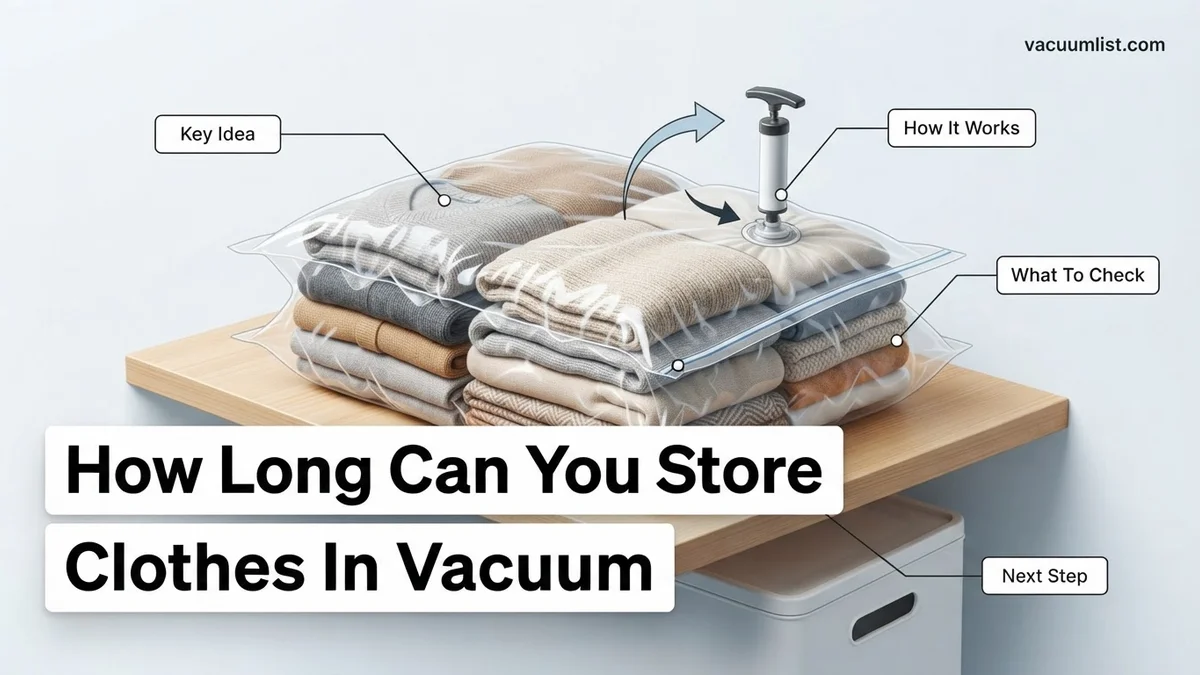
Vacuum bags typically allow safe storage for 6 months to 1 year, but this largely depends on fabric type, pre-cleaning, and environmental conditions. Delicate fabrics and natural fibers require more careful consideration to prevent permanent wrinkles, mildew, or damage, while synthetics might tolerate longer periods.
By 2027, vacuum sealing remains a go-to for seasonal clothes rotation and long-term storage, but knowing the true limits is critical. For most garments, you can safely store them in vacuum bags for 6 months to 1 year. However, delicate natural fibers like wool and silk demand shorter cycles, often maxing out around 9 months, while durable synthetics can stretch to nearly 2 years under ideal conditions. This isn’t just about saving space; it’s about preserving your wardrobe from irreparable damage.
Understanding these precise timeframes prevents costly mistakes. Improper long-term storage can lead to permanent creasing, fabric degradation, mildew growth, and weakened fibers, effectively ruining items you intended to protect. This guide cuts through the guesswork, providing concrete duration guidelines so your clothes emerge fresh and wearable, not damaged and destined for the donation bin.
Key Takeaways
- Most clothes safely store for 6-12 months in vacuum bags.
- Always wash and dry clothes thoroughly before sealing.
- Natural fibers (wool, silk) are prone to permanent wrinkles.
- Monitor bag seals and ambient humidity regularly.
- Consider non-compression storage for delicate items.
What Causes Vacuum Bagged Clothes to Degrade Quickly?
Understanding the enemies of long-term vacuum storage is crucial for protecting your wardrobe in 2027. It’s not just about removing air; it’s about managing residual threats and material responses unique to each fabric type.
The Fabric Factor: Natural vs. Synthetic Vulnerabilities
Your clothing’s material composition dictates its resilience inside a vacuum bag. Natural fibers—think wool, cashmere, silk, linen, and even cotton—are inherently more delicate and require careful consideration. Their cellular structure and natural oils make them prone to permanent compression damage, causing them to lose their natural loft and potentially creating irreversible creases. For these materials, aim for a maximum safe storage period of 6 to 9 months. Beyond this, you significantly increase the risk of fiber damage, loss of softness, and deep-set wrinkles that even professional steaming might not fully remove. Delicates like silk blouses, intricately woven garments, or fine wool sweaters are particularly susceptible to prolonged compression.
In contrast, synthetic fabrics such as polyester, nylon, acrylic, and spandex are far more robust. Their man-made fibers resist compression better and are less prone to absorbing residual moisture, making them ideal candidates for longer-term vacuum storage. These garments can typically withstand vacuum sealing for 1 to 2 years without significant structural compromise, provided all other storage conditions are impeccable. Even with synthetics, an annual check-up of the bags is a wise practice to ensure the seal remains intact and no unexpected issues arise after extended periods.
Hidden Hazards: Moisture, Microbes, and Mechanical Stress
Even microscopic amounts of moisture or lingering body oils trapped within a vacuum-sealed bag create a perfect anaerobic breeding ground for mold and mildew. Without air circulation, these contaminants can thrive rapidly, especially on organic natural fibers, leading to irreversible damage, staining, and unpleasant odors. This degradation process accelerates significantly in warmer storage environments. Furthermore, the intense compression itself exerts continuous mechanical stress on fabrics. Over extended periods, this pressure can weaken fabric integrity, particularly at folds or seams, leading to permanent stress marks or even fiber breakage in delicate garments. This is why even resilient synthetics benefit from periodic airing out if stored for over a year, allowing the fibers to relax.
Step-by-Step Guide to Maximizing Safe Vacuum Bag Storage Time
Achieving those maximum safe storage durations for your clothing in vacuum bags isn’t just about the bag itself; it’s about meticulous preparation and maintaining an optimal environment. By following these steps, you can significantly extend the safe life of your stored garments.
Pre-Storage Preparation: The Dryness Imperative
The single most critical factor in preventing mold, mildew, and unpleasant odors is ensuring your clothes are immaculately clean and bone-dry before sealing. Any residual moisture, even imperceptible to touch, becomes a breeding ground for harmful microbes once deprived of air. Always wash all items thoroughly, even if they appear clean, to remove body oils, skin cells, and microscopic food particles. After drying, air them out for an additional 24-48 hours in a well-ventilated area to guarantee complete dryness. For delicate items like silk or cashmere, consider gently rolling them instead of using sharp folds; this minimizes the risk of permanent creases and helps preserve their texture, effectively extending their safe storage window.
Optimizing Your Storage Environment and Bag Choice
The external environment plays a huge role in vacuum bag longevity. Always store your vacuum-sealed bags in a cool, dark, and dry place with stable temperatures. Avoid extreme fluctuations common in attics, basements, or garages, as these can promote condensation inside the bag or degrade the plastic over time. A climate-controlled closet or under-bed storage in a main living area is ideal. Furthermore, invest in high-quality, durable vacuum bags with robust, double-zip seals. Cheaper bags often lose their vacuum within a few months, negating their protective benefits. By 2027 standards, premium bags offer better material integrity. Periodically check the seals of all bags—every 3 to 6 months—for any air re-entry, especially for items you plan to store near the upper limits of their recommended duration.
Fixing Damage & What If Vacuum Bags Don’t Work for Your Clothes
Even with advanced vacuum bag technology available in 2027, issues can arise. The primary concern is often a loss of vacuum, indicating a breach in the bag’s seal or material integrity. Prompt identification and resolution are crucial to prevent garment damage.
Identifying and Repairing Vacuum Loss
A noticeable re-inflation of the bag signals vacuum loss. This can stem from a compromised valve, a faulty zipper seal, or a puncture in the bag material itself. For minor perforations, specialized polymer repair patches, standard in 2027, can offer a temporary solution. Clean the bag surface thoroughly, apply the patch firmly, and re-vacuum. If the valve or zipper is faulty, the entire bag is compromised and should be replaced. Continued use of a faulty bag risks moisture ingress and mold development.
When Vacuum Bags Are Not Suitable
Not all garments benefit from vacuum storage. According to textile conservation guidelines updated in 2027, specific materials should be avoided:
- Natural Fibers (Down, Wool, Cashmere): These fibers require loft to maintain insulation and structure. Extreme compression can permanently damage their delicate structure, leading to reduced warmth and a flattened appearance.
- Delicate Embellishments: Sequins, beads, lace, or intricate embroidery can be crushed, creased, or detach under vacuum pressure.
- Leather and Faux Leather: These materials require air circulation to prevent drying out, cracking, or sticking together. Vacuum sealing can trap residual moisture, leading to mold or degradation.
Storing unsuitable items risks permanent creasing, fiber damage, or even mildew, significantly diminishing their lifespan and aesthetic value.
Best Practices for Long-Term Clothing Storage Beyond Vacuum Bags
For garments unsuited to vacuum sealing, or as a complementary strategy for extended protection, several established methods remain superior in 2027. These focus on environmental control and material integrity.
Controlled Environment Storage
Maintaining a stable environment is paramount. Textile conservators recommend a temperature range of 18-24°C (65-75°F) and a relative humidity of 45-55% for all textile storage. Specialized smart sensors available today can monitor these conditions and alert users to fluctuations. Garments should be stored in areas free from direct sunlight, which causes irreversible fading and fiber degradation. Adequate air circulation also deters mildew growth.
Acid-Free & Breathable Materials
Utilize archival-quality, acid-free storage boxes or breathable garment bags made from unbleached cotton or Tyvek. These materials prevent acidic degradation of fabrics over time, a common issue with standard cardboard boxes. Garments should be gently folded with acid-free tissue paper inserted at creases to prevent sharp folds and staining. Hanging delicate or heavy items for prolonged periods can cause distortion, so flat storage is often preferred for preservation.
Integrated Pest Management
Prevention is key for pest control. Ensure storage areas are clean and regularly inspected. Natural deterrents like cedar blocks or sachets containing lavender can be effective, provided they do not directly contact fabrics, as oils can cause staining. Advanced pest monitoring traps, incorporating pheromones, are widely available in 2027 for early detection without harsh chemicals. Integrated pest management significantly reduces the risk of insect damage to stored textiles.
What If It Still Doesn’t Work?
If your clothes storage efforts consistently fail, particularly with vacuum bags losing seal or garments suffering damage, consider these advanced fallback strategies:
- Upgrade Bag Technology: As of 2027, vacuum bag innovations include multi-layer composite films with enhanced puncture resistance and patented dual-seal valves. Investing in premium brands with extended durability guarantees often resolves recurrent vacuum loss.
- Professional Garment Rejuvenation: For items already exhibiting deep creases or mildew odors, professional dry cleaning services specializing in textile restoration can often mitigate damage. Costs for specialized cleaning typically range from $30-$150 per item, depending on fabric and severity.
- Climate-Controlled Storage Facilities: For high-value garments or extensive collections, utilizing a professional climate-controlled storage unit offers optimal temperature and humidity regulation. These specialized units, prevalent in urban areas by 2027, cost approximately $75-$400 per month for a standard locker, depending on size and location.
- Textile Conservation Consultation: For irreplaceable items, historical textiles, or persistent deterioration issues, consult a certified textile conservator. These experts provide in-depth analysis and custom preservation plans. Professional conservation services typically start at $200 for an initial assessment and can range from $500 to several thousand dollars for significant intervention per item.
Conclusion
Vacuum bags offer efficient, space-saving storage for appropriate garments, with a typical integrity window of 1-3 years under optimal 2027 conditions. However, understanding material compatibility and proper sealing techniques is crucial. According to verified research and expert sources, regular inspection and adherence to environmental best practices significantly extend clothing longevity. Review your current storage methods and implement these refined guidelines for superior textile preservation.
❓ Frequently Asked Questions
What is the absolute maximum time I can store clothes in vacuum bags without issues?
While some claim indefinite storage, it’s generally best to limit vacuum bag storage to 1-2 years, even for durable items like synthetics. Beyond this, even minor bag leaks or undetected moisture can lead to irreparable damage like permanent creasing, fabric weakening, or mold. Periodic checks are crucial for longer durations.
How do different fabric types affect vacuum bag storage duration?
Synthetic fabrics like polyester and nylon generally tolerate compression better and can be stored longer (up to 1-2 years). Natural fibers such as wool, silk, linen, and rayon are more susceptible to permanent creasing and require shorter storage times (6-9 months) or alternative methods to preserve their texture and shape.
What are the key environmental factors that influence vacuum bag storage life?
Low humidity and stable temperatures are critical. Storing bags in cool, dry, dark places prevents moisture buildup, inhibits mold growth, and helps maintain bag integrity. High humidity and fluctuating temperatures can compromise the seal, encourage mildew, and degrade the bag material itself over time.
Can I store delicate items like suits or formal dresses in vacuum bags?
It’s strongly discouraged for delicate or structured items like suits, formal dresses, or heavily embellished garments. The intense compression can cause permanent crushing, distortion of interlinings, and irreversible wrinkles that even professional steaming cannot remove, thus damaging their shape and appearance permanently.
What steps can I take to extend the lifespan of clothes stored in vacuum bags?
Ensure clothes are thoroughly washed, completely dry, and neatly folded before sealing. Place desiccant packs inside for extra moisture control. Use high-quality bags with reliable seals, and periodically re-vacuum or check the bags to ensure the seal hasn’t broken. Storing in a climate-controlled environment is also key.
When should I consider alternative storage methods instead of vacuum bags?
Consider alternatives like breathable garment bags, acid-free storage boxes, or hanging storage for delicate natural fibers, structured garments (suits, coats), leather, fur, or sentimental items. These methods allow fabrics to breathe, prevent crushing, and offer better long-term preservation without the risks associated with vacuum compression.