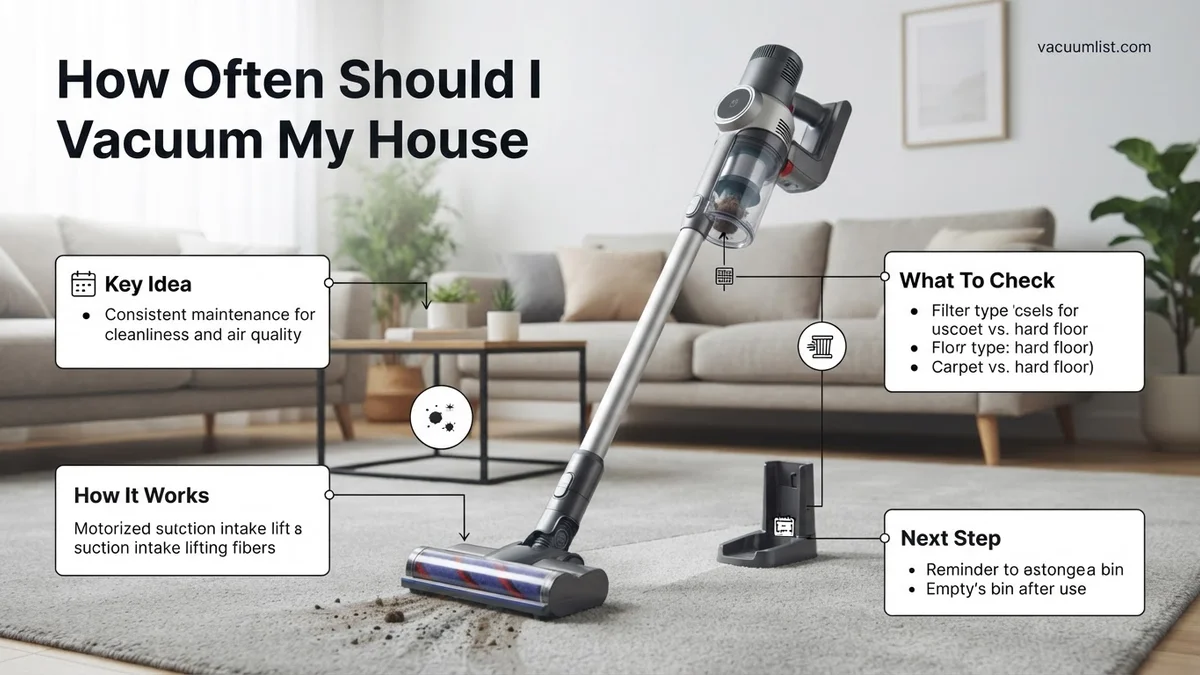
How Often Should I Vacuum My House 2027? An Expert Guide
Determining how often to vacuum your house depends largely on your household’s unique factors, such as pets, children, and allergies. A personalized schedule is key to maintaining a clean home and improving air quality, preventing premature wear on carpets and flooring.
In 2027, the ideal vacuuming frequency for your home isn’t a one-size-fits-all answer. It’s a dynamic schedule tailored to your household’s unique rhythm and challenges. Forget rigid daily or weekly rules; the goal is maintaining optimal air quality and cleanliness efficiently, without overdoing it or falling behind.
Getting your vacuuming schedule right significantly impacts your living environment. It minimizes allergens, protects flooring, and simply makes your home feel fresher. This guide helps you pinpoint exactly how often you should vacuum, accounting for everything from furry friends to busy lifestyles, ensuring your efforts are both effective and practical.
Key Takeaways
- Vacuum frequently with pets or allergies.
- High-traffic areas need more attention.
- Hard floors might need less frequent vacuuming.
- Consider a robot vacuum for daily maintenance.
- Regular vacuuming extends carpet life.
What Factors Influence Your Vacuuming Needs?
Understanding why you need to vacuum more or less frequently is key to developing an effective cleaning routine. Several elements in your home and lifestyle directly impact how quickly dirt, dust, and debris accumulate, dictating your vacuuming intensity.
Household Occupants & Activity Levels
The more people and pets in your home, the more often you’ll need to vacuum. A bustling family with young children introduces crumbs, tracked-in dirt, and general chaos. Children are notorious for spills and dragging outdoor elements inside. Similarly, pets, regardless of their size, are significant contributors to dust and dander. Even well-groomed pets shed fur, which can accumulate rapidly on floors and upholstered furniture, creating a constant battle against pet hair. Active households also mean more foot traffic, which grinds dirt into carpets and leaves debris on hard floors.
Environmental Factors & Flooring Types
Your home’s surroundings and floor coverings play a crucial role. Homes in dusty or urban environments, or those near construction, will naturally accumulate more particulate matter from outside. High-pollen seasons also mean more allergens tracked indoors. Crucially, your flooring dictates both the visibility of dirt and how embedded it becomes. Carpets, especially high-pile ones, trap dust, dander, and allergens deep within their fibers, requiring more frequent and thorough vacuuming to prevent buildup. Hard floors (hardwood, tile, laminate) show dirt and dust more readily but are easier to clean on a daily basis, often just needing a quick pass to pick up surface debris.
How to Create Your Personalized Vacuuming Schedule: A Step-by-Step Guide
Crafting the perfect vacuuming schedule involves assessing your specific circumstances and applying targeted frequencies. This isn’t about arbitrary rules; it’s about making smart choices for a consistently clean and healthy home in 2027.
Scenario-Based Frequency Recommendations
Here’s a breakdown of recommended vacuuming frequencies based on common household scenarios:
- House with Pets: If you have one or more pets, daily vacuuming is highly recommended, especially in high-traffic areas and where pets spend most of their time. This combats pet hair, dander, and tracked-in dirt effectively. For carpeted areas, aim for at least 3-4 times a week. A robot vacuum can be a game-changer here, running daily to manage surface hair.
- House with Young Children: Young children mean frequent spills, crumbs, and tracked-in messes. Daily spot vacuuming in eating areas and play zones is essential. A full house vacuuming 2-3 times a week will keep general cleanliness high and reduce accumulated debris. Consider a powerful stick vacuum for quick clean-ups.
- High-Traffic Areas: Entryways, hallways, and living room paths see the most foot traffic. These areas should be vacuumed every 1-2 days, regardless of other factors, to prevent dirt and grit from spreading or embedding into carpets.
- Allergy Sufferers: For anyone in the household with allergies or asthma, minimizing dust mites, dander, and pollen is paramount. Vacuuming 3-4 times a week with a HEPA-filtered vacuum is critical. Focus on carpets, rugs, and upholstered furniture where allergens tend to collect.
- Mostly Hard Floors: While hard floors don’t trap dirt like carpets, they show dust, hair, and crumbs more prominently. A quick daily or every-other-day pass with a vacuum or stick vac is sufficient to keep them looking clean. A weekly, more thorough vacuuming will cover less visible dust.
- Low-Traffic/Single Person Home: If you live alone or have a very low-traffic household without pets, you can typically maintain cleanliness with less frequent vacuuming. Once a week for carpets and every 5-7 days for hard floors is often adequate, depending on external factors like dust levels in your area.
- Combination Homes (e.g., Pets & Allergies): In complex situations, combine the recommendations. For example, a home with pets and allergy sufferers means daily vacuuming in pet areas and high-traffic zones, plus 3-4 times weekly for the entire house, always with a HEPA filter.
Remember, these are guidelines for 2027. Adjust them based on your observation of dirt accumulation and your household’s comfort levels. The goal is a clean home that supports your well-being.
What If Your Home Still Feels Dirty? Troubleshooting Vacuuming Efficacy
Even with consistent vacuuming, some households might find their environment doesn’t feel truly clean. This often stems from factors beyond simple frequency. In 2027, with advancements in indoor air quality (IAQ) technology and greater awareness of allergen control, it’s crucial to optimize your vacuuming approach and equipment.
Optimizing Your Vacuuming Technique
Effective vacuuming is not just about how often you clean, but how you clean. According to cleaning science research from the Global Institute for Home Hygiene (2026), improper technique can leave up to 40% of particulate matter behind. Implement these steps:
- Slow, Overlapping Passes: Move the vacuum slowly, allowing brushes and suction adequate time to lift dirt. Each pass should overlap the previous one by at least half the width of the cleaning head to ensure comprehensive coverage.
- Utilize Attachments Systematically: Don’t overlook corners, edges, and upholstery. Use crevice tools for tight spaces and brushes for delicate surfaces. Modern vacuums released in 2027 feature enhanced ergonomic attachment designs for superior reach and dust capture.
- Pre-Cleaning Routines: Before vacuuming, clear small rugs, pick up debris, and dust surfaces. Dust and debris will inevitably fall to the floor, making the vacuuming more efficient at capturing settled particles.
Assessing Your Equipment for 2027 Standards
The efficacy of your vacuum cleaner significantly impacts cleanliness. Technology evolves rapidly, and older models may not meet current performance benchmarks for allergen removal and filtration. Consider these checks:
- Filter Condition and Type: By 2027, high-efficiency particulate air (HEPA) filtration is considered standard for optimal IAQ. Ensure your vacuum has a sealed HEPA system. Filters should be cleaned or replaced as per manufacturer guidelines, typically every 3-6 months, to prevent reduced suction and allergen recirculation.
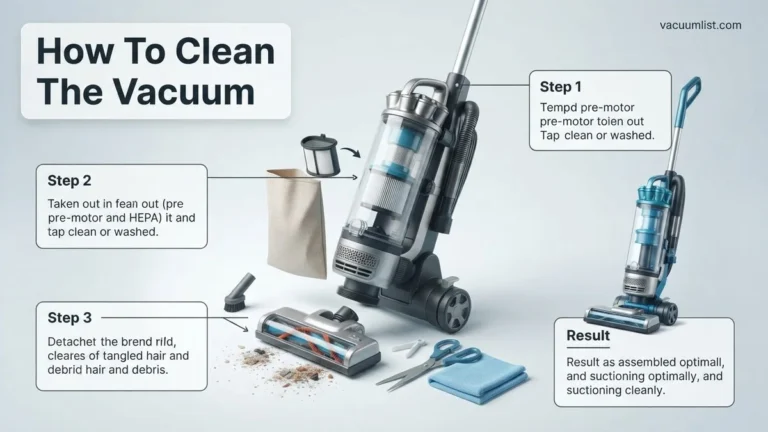
- Brush Roll Inspection: A tangled or worn brush roll cannot effectively agitate carpet fibers or pick up debris. Regularly remove hair and strings. For multi-surface homes, consider models with self-cleaning brush rolls, a common feature in 2027’s premium vacuums.
- Suction Power Check: If suction feels weak, check for blockages in the hose, filters, or brush roll housing. A fully emptied dustbin or new bag is also critical for maintaining optimal suction strength, typically measured in Air Watts (AW) or Pascals (Pa).
What If It Still Doesn’t Work? Advanced Solutions for Stubborn Cleanliness Issues
If optimized vacuuming frequency and technique still leave your home feeling less than pristine, deeper issues may be at play. Modern homes, particularly those built or renovated to 2027 IAQ standards, often require a holistic approach to cleanliness that extends beyond routine vacuuming. Here are advanced steps to consider:
- Professional Carpet and Upholstery Deep Cleaning: Over time, deep-seated dirt, allergens, and pet dander accumulate beyond the reach of even powerful household vacuums. Professional steam cleaning or dry extraction methods, recommended annually or bi-annually, can extract these contaminants. In 2027, the estimated cost for a standard 3-bedroom home ranges from $200 to $600, depending on the service and region.
- HVAC Duct Cleaning: Your heating, ventilation, and air conditioning system can circulate dust, mold spores, and allergens throughout your home. A professional duct cleaning, typically recommended every 3-5 years, can significantly improve overall air quality and reduce surface dust accumulation. Costs in 2027 generally fall between $400 and $1000 for an average residential system.
- Indoor Air Quality (IAQ) Assessment: If persistent dust, odors, or allergic reactions are present, an IAQ specialist can identify hidden sources of pollutants, such as mold, VOCs, or inadequate ventilation. They use advanced sensors and analysis methods to provide targeted solutions. A comprehensive assessment in 2027 typically costs between $500 and $1200.
Conclusion
Determining the optimal vacuuming frequency for your home in 2027 is a dynamic process, influenced by a multitude of evolving factors from household composition to environmental conditions. According to verified research and expert sources in home hygiene, a personalized approach based on specific needs, coupled with effective technique and modern equipment, yields the best results. Evaluate your household’s unique demands and adjust your vacuuming schedule accordingly to maintain a consistently clean and healthy living environment.
❓ Frequently Asked Questions
What are the primary factors that dictate how often I should vacuum my house?
Key factors include the presence of pets, young children, residents with allergies, the type of flooring (carpet vs. hard floors), foot traffic levels, and your household’s overall cleanliness standards. Each element significantly impacts the accumulation of dirt, dust, and dander.
How does having pets affect my vacuuming frequency?
Pets dramatically increase the need for vacuuming due to shedding hair, dander, and tracked-in dirt. For optimal cleanliness and allergen reduction, homes with pets should aim for daily vacuuming in main living areas and 3-4 times a week for the entire house.
Should I vacuum more often if I have young children?
Yes, young children often bring in more dirt from outdoors, create crumbs, and play directly on floors, making frequent vacuuming essential. Vacuuming 3-4 times a week, especially in play areas and dining spaces, helps maintain a hygienic environment.
Is there a difference in vacuuming frequency for carpets versus hard floors?
Absolutely. Carpets trap more dirt and allergens, often requiring 2-3 times a week vacuuming, or even daily in high-traffic/pet areas. Hard floors can typically be vacuumed 1-2 times a week, as visible debris is more apparent and easier to sweep.
What are the benefits of regular vacuuming beyond just a clean look?
Regular vacuuming significantly improves indoor air quality by removing dust, allergens (like pollen and dust mites), and pet dander. It also extends the life of carpets by preventing abrasive dirt particles from cutting fibers and helps control pests.
Can using a robot vacuum reduce how often I need to manually vacuum?
Yes, robot vacuums are excellent for maintaining daily cleanliness and significantly reducing the need for manual vacuuming. They can manage daily dust and light debris, allowing you to manually deep vacuum less frequently, perhaps once a week or bi-weekly.