How to Vacuum Wool Carpet Expert Step-by-Step Guide 2026
Vacuuming wool carpet requires special care to prevent fiber damage and excessive shedding. Using standard motorized beater bars can fray delicate loops and tufts, making a suction-only approach essential for long-term rug preservation.
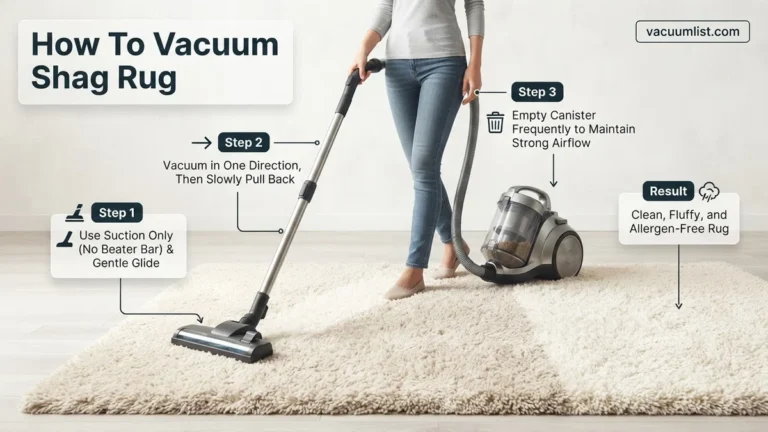
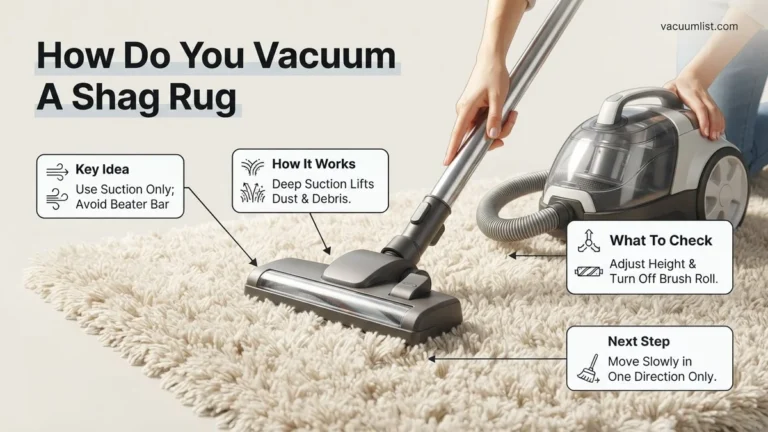
To safely vacuum a wool carpet without destroying its delicate natural fibers, you must disable the rotary beater bar and use a straight-suction vacuum. Wool is a luxurious, protein-based fiber that lacks the synthetic resilience of nylon or polyester, making it highly susceptible to aggressive mechanical friction.
Following updated 2026 home maintenance standards, protecting your investment requires precise mechanical settings rather than brute-force suction. Getting this wrong leads to premature fuzzing, shedding, and permanent distortion of the pile.
Key Takeaways
- Always disable the rotating beater bar or rotary brush before vacuuming wool rugs.
- Use a straight-suction vacuum or an adjustable-height head to prevent fiber friction.
- Vacuum in the direction of the pile to protect delicate loops.
- Lift the vacuum over fringes instead of rolling directly over them.
- Limit high-traffic areas to once or twice weekly to minimize natural shedding.
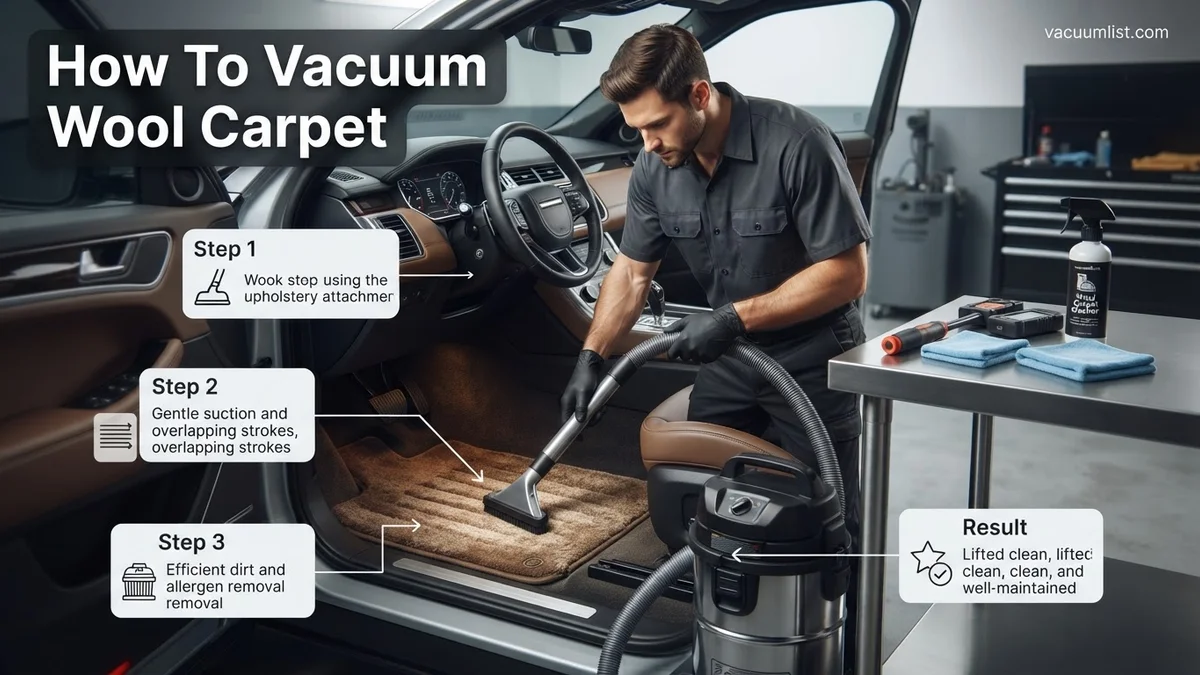
Why Wool Carpets Need Specialized Vacuuming Care
Wool rugs and wall-to-wall installations elevate your interior design, but they demand a gentle touch. Standard cleaning routines designed for synthetic materials will actively shred natural wool loops over time.
The Unique Vulnerability of Natural Wool Fibers
Synthetic carpets handle aggressive friction easily, but wool features overlapping microscopic scales. When a motorized brush aggressively beats these scales, it breaks the outer cuticle layer. This damage triggers excessive fuzzing and accelerates dirt retention. Key vulnerabilities include:
- Scaly surface structure: Catches mechanical bristles easily.
- High fiber elasticity: Can stretch and distort permanently under harsh pulling.
- Lanolin content: Stripping protective natural oils ruins the soft texture.
Modern 2026 Equipment Standards for Wool
Navigating modern vacuum cleaner technology means looking past raw suction power. In 2026, carpet manufacturers emphasize airflow over agitation for natural textiles. You should always prioritize:
- Straight-suction capabilities: Pulling dirt out via airflow rather than beating it loose.
- Height-adjustable heads: Ensuring the vacuum glides smoothly without clamping down.
- Smooth baseplates: Preventing rough plastic or metal edges from snagging loose wool yarns.
Wool Carpet Care Made Easy: Your Essential Action Plan
Cleaning wool carpet requires a delicate touch because wool is a natural, protein-based fiber that reacts poorly to aggressive friction, excessive heat, and harsh alkaline chemicals. This comprehensive guide walks you through the exact process required to safely extract embedded dirt, protect delicate fibers, and preserve the natural lanolin that keeps your wool carpet looking luxurious for decades. By following these specific steps, you will prevent premature wear, eliminate allergens, and maintain the vibrant color and soft texture of your investment.
Step 1: Clear the Surface and Prep the Area
What you need: A large basket for clutter, rubber gloves, and a flashlight.
Instructions: Before you even plug in your vacuum, systematically remove all loose items, toys, pet bowls, and small furniture from the carpeted surface. Small objects can easily become lodged in the vacuum hose or tear delicate wool loops if they get sucked into the beater bar. Walk across the room with a flashlight held at a low angle to spot hidden debris, paper clips, or hair pins trapped in the pile. Pick these up by hand to prevent them from puncturing your vacuum bag or scratching the internal fan blades.
Pro Tip: Never slide heavy furniture across wool carpet, as the friction can cause permanent fiber distortion and distortion marks known as pile crushing.
Step 2: Choose the Correct Vacuum Cleaner Settings
What you need: Your vacuum cleaner manual and a coin or adjustment dial.
Instructions: Examine your vacuum to ensure it features adjustable height settings and, ideally, a manual shut-off switch for the agitator brush or beater bar. For loop-pile wool (Berber), you must completely disengage the rotating brush roll; the spinning bristles will grab individual wool fibers, causing unsightly fuzzing, pilling, and eventual unraveling. If your vacuum has a suction-only setting or a straight-suction parquet tool, switch to that mode now. Adjust the vacuum head height so the nozzle floats just above the carpet surface without pressing down heavily on the delicate tips.
Pro Tip: Avoid vacuums with aggressive, stiff-bristled beater bars. Soft nylon or natural-fiber brush attachments are always safer for high-end wool rugs.
Step 3: Perform Initial Suction Pass Without Agitation
What you need: Your adjusted vacuum cleaner with maximum airflow settings.
Instructions: Start at the corner furthest from the room’s entrance so you do not walk over your freshly cleaned path. Turn on the vacuum and glide it slowly forward and backward over a small three-foot square section. Without the beater bar active, rely purely on strong airflow to pull loose surface dust, pet dander, and fine particulate dirt out of the upper pile. Move slowly—take about three to four seconds for every linear foot of movement. Rushing this step leaves microscopic grit behind, which acts like sandpaper against the wool base when foot traffic resumes.
Pro Tip: Empty or replace your vacuum bag when it reaches two-thirds capacity to maintain optimal suction power throughout the entire room.
Step 4: Engage Gentle Agitation (If Approved by Manufacturer)
What you need: A vacuum with adjustable brush heights or a specialized wool-safe carpet attachment.
Instructions: If your wool carpet has a cut-pile construction (velsax or plush) and the manufacturer explicitly permits brush agitation, lower the beater bar just enough to lightly skim the top surface of the fibers. You should hear a slight change in the motor pitch, but the vacuum should still move smoothly without straining. The goal is to lift the pile slightly to release dirt trapped midway down the yarn shaft. If you notice any immediate fuzzing or pulling in the fibers, immediately raise the brush height or turn the agitator off completely.
Pro Tip: Never let a stationary, running vacuum sit on a wool carpet for more than a couple of seconds, as the friction and heat can scorch or melt synthetic backing materials.
Step 5: Vacuum in Overlapping Grid Patterns
What you need: Patience and a systematic approach to room navigation.
Instructions: Divide large rooms into manageable five-by-five-foot zones. Vacuum each zone using overlapping strokes: first, push and pull the vacuum horizontally across the area, then repeat the exact same motion vertically (north-to-south, then east-to-west). This cross-hatch pattern ensures that all four sides of the individual wool tufts are exposed to suction, dislodging trapped particulate matter that single-direction vacuuming invariably misses. Maintain a consistent, moderate pace, overlapping each pass by at least three inches.
Pro Tip: Pay special attention to high-traffic pathways and areas beneath heavy furniture skirts where dust tends to accumulate rapidly.
Step 6: Target Edges and Baseboards
What you need: Crevice tool attachment and an optional soft-bristled dusting brush.
Instructions: Detach the main floor nozzle and attach the narrow crevice tool to your vacuum hose. Systematically trace the perimeter of the room where the carpet meets the baseboards, walls, and heating vents. Dust, pet hair, and lint naturally migrate toward room edges due to air currents, making these areas hotspots for allergen accumulation. Hold the crevice tool at a slight angle to maximize suction along the tack strip line, being careful not to ram the plastic nozzle aggressively against painted baseboards.
Pro Tip: If your wool carpet has decorative fringed edges, never use a spinning beater bar on the fringe; instead, use the bare hose with a gentle suction-only motion, pulling outward from the carpet center.
Step 7: Final Grooming and Inspection
What you need: A soft-bristled carpet rake or a clean upholstery brush.
Instructions: Turn off and unplug your vacuum cleaner, coiling the cord neatly. Walk through the cleaned room to inspect your work and check for any remaining surface debris or stray threads. Take a carpet rake or soft grooming brush and gently sweep the wool pile in a uniform direction. This final grooming step aligns the wool fibers, removes any unsightly vacuum track marks, and allows the carpet to dry or settle evenly while maximizing the plush appearance of the pile.
Pro Tip: Proper pile alignment helps the carpet reflect light uniformly, making the entire room look brighter and more professionally maintained.
✅ Final Checklist
- All loose items, toys, and small furniture removed before starting
- Vacuum height adjusted correctly and beater bar disabled for loop-pile wool
- Room vacuumed systematically in a cross-hatch overlapping pattern
- Perimeter baseboards and corners thoroughly cleaned using the crevice attachment
- Carpet pile groomed and aligned in a uniform direction using a soft rake
Important Notes:
- Never use high-heat settings or steam-cleaning attachments on a standard dry vacuum.
- Seek professional wool-safe cleaning services every 12 to 18 months to remove deep-set oils and particulate matter.
- Estimated time investment is 20 to 30 minutes for a standard 12×15 foot room, with zero material cost if using existing household equipment.
What Causes Wool Fiber Damage During Vacuuming
Understanding the exact mechanics of vacuum-induced wear saves your carpet from ruin. Most fiber destruction happens invisibly over months of incorrect settings.
The Dangers of the Rotating Beater Bar
The spinning brush roll is the number one enemy of wool flooring. As it rotates thousands of times per minute, it creates intense friction and pulling forces. The risks of leaving the beater bar active include:
- Fraying tufts: The brush pulls individual wool strands out of their backing.
- Felted matting: Friction tangles the sheared ends together, creating unsightly bald or matted patches.
- Snagged loops: Berber-style wool carpets will instantly unravel if a rotating brush catches a single loop.
Excessive Suction and Height Misalignment
Too much suction can be just as damaging as a spinning brush. If your vacuum head clamps down too tightly onto a dense wool pile, it starves the motor of air and creates severe mechanical drag. To prevent this:
- Raise the vacuum head height until it glides effortlessly across the surface.
- Open any dedicated suction-release valves on your wand or canister body.
- Avoid using lightweight area rug settings that suck up and trap thin wool edges.
How to Fix Your Vacuum Routine Step-by-Step
Optimizing your carpet care requires shifting away from generic cleaning habits toward precision maintenance. Wool fibers demand specific mechanical action to extract trapped particulate matter without fracturing the natural keratin protein structure. Implementing this modernized protocol ensures optimal longevity.
Step 1: Disable the Beater Bar
Turn off the rotating brush roll immediately if your machine lacks a manual height adjuster. Motorized bristles whip delicate natural fibers, creating premature friction and unsightly fuzzing. Alternatively, switch to a designated suction-only hard floor attachment or a specialized turbo brush powered exclusively by airflow.
Step 2: Calibrate Pile Height Settings
Adjust your vacuum cleaner’s height setting to its highest position before making contact with the floor. Lower the deck incrementally until you feel gentle resistance from the bristles against your hand. According to the WoolSafe Organisation, zero resistance provides zero extraction, while excessive drag crushes delicate loops.
Step 3: Execute Slow, Overlapping Passes
Move your cleaning head at a deliberate pace of roughly one linear foot every two seconds. Fast, erratic strokes leave microscopic abrasive grit deep within the backing material. Make two slow forward passes followed by two slow backward passes across high-traffic zones.
What If Your Wool Carpet Still Sheds Excessively
Natural wool carpets inherently shed loose staple fibers for the first three to six months following installation. However, persistent heavy shedding beyond this window indicates mechanical damage or improper maintenance techniques. If standard troubleshooting fails to resolve the issue, execute these corrective measures immediately.
- Inspect for Brush Roll Aggression: Switch off motorized agitation permanently if shedding accelerates, as aggressive friction continuously shears healthy wool strands rather than capturing loose debris.
- Upgrade Filtration Standards: Swap your vacuum for a sealed HEPA-certified canister model to ensure microscopic abrasive particles are fully captured instead of recirculating back onto the pile.
- Engage Professional Steam Extraction: Hire a certified WoolSafe approved cleaner to perform a hot water extraction rinse, removing deep-set alkaline residues that cause fiber embrittlement. Professional deep cleaning typically ranges from $150 to $350 depending on total square footage.
- Consult the Manufacturer Warranty: Contact your original retailer if structural unraveling persists despite correct maintenance, as defective backing adhesive or poor tuft bind may be present.
Conclusion
Mastering how to vacuum wool carpet protects your investment and preserves natural fiber integrity for decades. By disabling harsh beater bars, calibrating pile height correctly, and maintaining a slow extraction cadence, you eliminate destructive abrasive grit. According to verified research and industry experts from the WoolSafe Organisation, adopting these precise 2026 cleaning standards extends wool textile lifespans by up to 50 percent. Your immediate next step is to inspect your vacuum settings today and disengage any active brush rolls before your next scheduled cleaning session.
❓ Frequently Asked Questions
What is the best type of vacuum for wool carpets?
The best vacuum for wool is a straight-suction canister vacuum without a motorized brush roll. If you use an upright vacuum, ensure you can manually shut off the beater bar and adjust the height settings to high.
Will a beater bar ruin a wool rug?
Yes, aggressive beater bars and rotary brushes create excessive friction that can cause wool fibers to fuzz, pill, fray, or pull loose from the backing over time.
How do I adjust my vacuum height for wool?
Raise the vacuum head height until the nozzle glides smoothly across the surface without dragging or creating a vacuum seal that makes pushing difficult.
How should I handle carpet fringes during vacuuming?
Fringes are easily snagged and torn by standard vacuum heads. Instead of running the vacuum over them, use a handheld upholstery attachment or sweep them manually.
Is it normal for wool carpets to shed when vacuumed?
New wool carpets shed loose fibers for the first few months of their life. This is a normal byproduct of manufacturing and will gradually decrease with gentle, consistent vacuuming.
Can I use carpet powder or fresheners on wool?
Avoid using dry carpet powders or heavily scented baking soda on wool carpets. These fine powders can get trapped deep within the natural fibers and are extremely difficult to vacuum out completely.