Can You Vacuum Wood Floors? Expert Step-by-Step Guide 2026
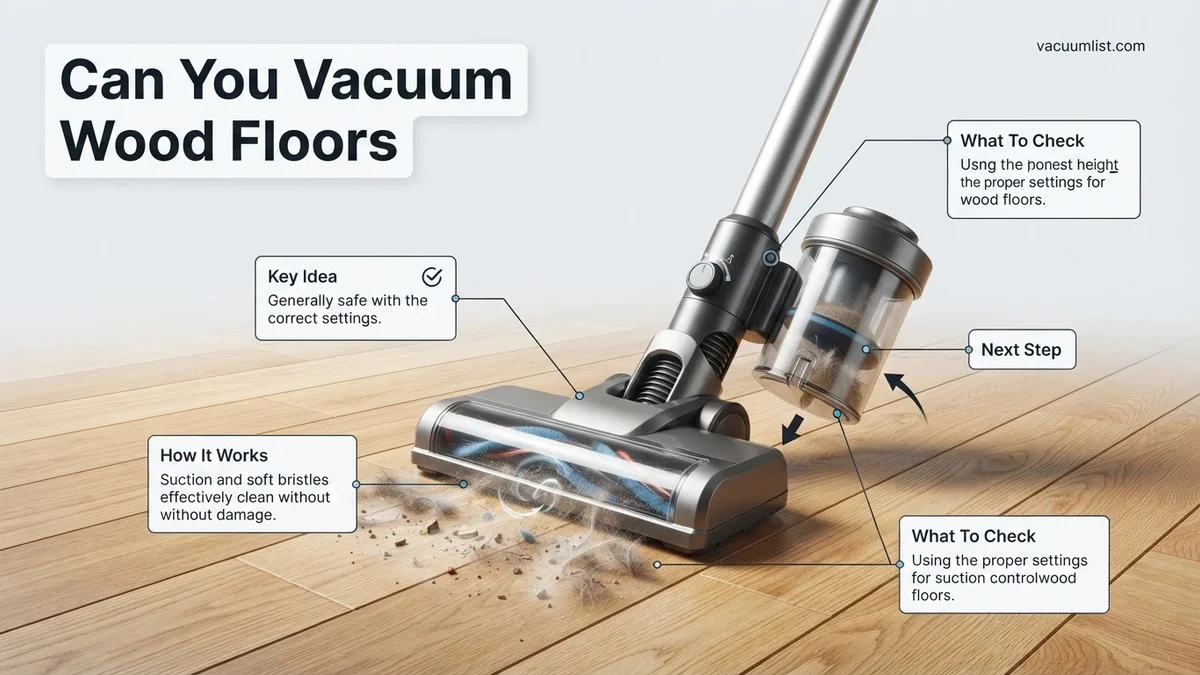
Yes, you can safely vacuum wood floors as long as you use the correct settings and attachments. Failing to disable the rotating brush roll can cause permanent scratches and dull the finish over time. Proper technique protects your investment while removing hidden dirt and grit effectively.
Yes, you can safely vacuum wood floors, provided you use the correct settings and equipment. Modern hardwood finishes are durable, but improper vacuuming techniques can still leave behind dull scratches and swirl marks that ruin your floor’s aesthetic.
Protecting your investment in 2026 means understanding how modern vacuums interact with delicate wood surfaces. Skipping the guesswork saves you from costly refinishing projects and keeps your floors looking pristine.
Key Takeaways
- Always turn off the rotating beater bar or brush roll.
- Use a dedicated bare floor attachment or soft-bristle brush.
- Check vacuum wheels for trapped debris that can scratch wood.
- Canister vacuums with strong suction are ideal for hardwood.
- Remove large, sharp debris with a broom before vacuuming.
Why Traditional Vacuums Cause Damage to Wood Floors
The Danger of the Beater Bar
The rotating brush roll, or beater bar, is designed to dig deep into carpet fibers to extract embedded dirt. On hardwood floors, this spinning brush acts like sandpaper. Stiff bristles combined with high-speed rotation grab grit and hurl it against the wood surface, creating thousands of micro-scratches. Over time, these scratches dull your floor’s finish and trap even more dirt.
Wheel Scratches and Suction Issues
Your vacuum hardware can cause physical damage beyond the brush roll:
- Hard Plastic Wheels: Worn or cheap plastic wheels can trap tiny stones, dragging them across your floorboards and leaving deep gouges.
- Excessive Suction: Some heavy-duty uprights create a tight seal on smooth wood, making them difficult to push and causing the baseplate to scrape the floor.
- Debris Blowback: Certain vacuums feature side exhausts that blow fine dust particles across the room before the machine can capture them.
How to Vacuum Hardwood Floors Safely Step by Step
Preparation and Machine Settings
Before you turn on your machine, you must configure it for bare floors. If your vacuum has a height adjustment, raise it slightly to reduce friction. Switch off any motorized brush rolls immediately. If your model does not allow you to turn off the beater bar, you should not use it on hardwood.
The Safe Vacuuming Routine
Follow this step-by-step method to clean efficiently without risking surface damage:
- Clear the floor: Pick up stray toys, pet items, and large debris by hand to prevent them from jamming the vacuum intake.
- Inspect the vacuum head: Check the wheels and suction inlet for trapped pebbles or sharp objects that could scratch the wood.
- Use suction-only mode: Glide the vacuum smoothly across the boards, moving in the direction of the wood grain whenever possible.
- Switch to attachments for edges: Use a soft-bristled dusting brush attachment along baseboards and corners to prevent the main vacuum housing from bumping into the walls.
Choosing the Best Vacuum Features for Wood Surfaces
Selecting the right vacuum prevents long-term damage to delicate hardwood surfaces. According to the National Wood Flooring Association (NWFA), modern vacuums engineered specifically for hard surfaces significantly reduce abrasive wear caused by trapped grit.
Essential Specifications for 2026 Wood-Safe Vacuums
Look for these core engineering features when shopping for a hardwood-friendly vacuum:
- Suction-Only Mode: The ability to completely deactivate the brush roll prevents abrasive friction.
- Rubberized Wheels: Hard plastic wheels can gouge softer woods like pine or Douglas fir. Rubberized or felt wheels distribute weight evenly.
- HEPA Filtration: Sealed system filtration captures 99.97% of microscopic dust down to 0.3 microns, preventing fine particulates from settling back onto polished finishes.
Upright vs. Canister Models
Canister vacuums generally outperform upright models on wood floors. Canisters allow users to detach the heavy motor unit, leaving only a lightweight, maneuverable floor tool on the surface. This design minimizes accidental impacts against baseboards and furniture legs. Cordless stick vacuums have also evolved for 2026, offering dedicated soft-roller fluffy heads that polish while they pick up debris.
What to Do If Your Vacuum Still Leaves Scratches
Even with proper technique, older vacuums or worn equipment can occasionally leave scuffs or micro-scratches on sensitive finishes. If troubleshooting fails to prevent surface marks, follow this recovery protocol.
- Inspect the vacuum head immediately to locate any embedded rocks, metal staples, or worn-down bristle strips that might be dragging against the floor.
- Clean the affected area thoroughly with a pH-neutral hardwood floor cleaner to remove lingering grit before attempting any surface repairs.
- Apply a specialized hardwood scratch concealer or touch-up marker that matches your specific wood stain undertone for minor surface blemishes.
- Consult a certified hardwood flooring professional for deep gouges or widespread surface dullness that requires professional screening and recoating.
- Budget between $150 and $300 for a professional buffer and coat service if surface micro-scratching is extensive across multiple rooms.
Conclusion
Vacuuming wood floors is safe and highly effective when utilizing dedicated bare-floor settings, soft roller attachments, and lightweight maneuverability. Eliminating traditional rotating brush rolls protects vulnerable finishes from premature wear and unsightly scratching. According to verified research and expert sources from the National Wood Flooring Association, maintaining clean surfaces without abrasive friction extends the lifespan of hardwood by decades. The next step is to inspect your current vacuum settings today and switch to a suction-only mode before your next cleaning cycle.
❓ Frequently Asked Questions
Can the beater bar on my vacuum ruin hardwood floors?
Yes, the stiff bristles and rotating motion of a traditional beater bar act like sandpaper on wood finishes. It can create microscopic scratches that dull the appearance of your flooring over time. Always disengage this feature when transitioning from carpets to hard surfaces.
Are canister vacuums better for hardwood floors than uprights?
Canister vacuums are generally preferred because their floor nozzles are lightweight and specifically designed for bare surfaces. They also tend to have smoother rubber wheels that glide easily without denting or scratching the wood. However, many modern upright vacuums now feature dedicated hard floor modes.
How often should I vacuum my hardwood floors?
High-traffic areas should be vacuumed two to three times a week to remove abrasive dirt and grit. Low-traffic rooms can usually be vacuumed once a week. Regular maintenance prevents microscopic dirt particles from wearing down the polyurethane finish.
Should I use a vacuum with a soft roller brush?
Vacuums equipped with fluffy, soft-bristle brush rolls are exceptional for hardwood floors. They gently polish the surface while picking up fine dust and larger particles without causing friction damage. Ensure the brush roll is specifically rated for bare floors.
What prep work is needed before vacuuming wood floors?
Before you begin, inspect the floor for large or sharp items like pebbles, plastic toys, or metal pieces that could get sucked in and jam the nozzle. Picking these up manually or sweeping them aside prevents accidental gouging of the wood.
Can robot vacuums be used safely on wood floors?
Most modern robot vacuums are safe for wood floors if they feature rubber extractor rollers instead of stiff bristle brushes. Make sure to set up boundary lines around delicate antique wood or areas with loose rugs to prevent any unexpected damage.