Does Vacuuming a Spider Kill It? Real 2026 Guide & Fix
Yes, vacuuming usually kills spiders due to the intense mechanical forces, debris impact, and airflow inside the machine. However, some resilient spiders can survive inside the bag or canister, meaning proper disposal is essential to prevent escape.
The short answer is yes, vacuuming a spider usually kills it. The combination of intense air friction, high-speed impact against the internal components, and compression from dust debris means most spiders do not survive the trip through your vacuum hose.
However, modern 2026 pest control insights and advanced bagless vacuum designs show that survival is not completely impossible. If you have ever sucked up a resilient house spider and worried it might crawl right back out of the nozzle to exact its revenge, you are dealing with a legitimate engineering and biological gray area.
Key Takeaways
- Vacuuming typically kills spiders instantly from high-speed impact and debris.
- Some hardy species can survive the trip into the vacuum bag.
- Always empty or seal the vacuum bag immediately after capturing pests.
- Vacuum up baking soda or diatomaceous earth to ensure trapped pests die.
- Bagless canisters should be emptied directly into an outdoor trash bin.
What Causes Spiders to Die (or Survive) Inside a Vacuum
The Lethal Journey Through the Hose
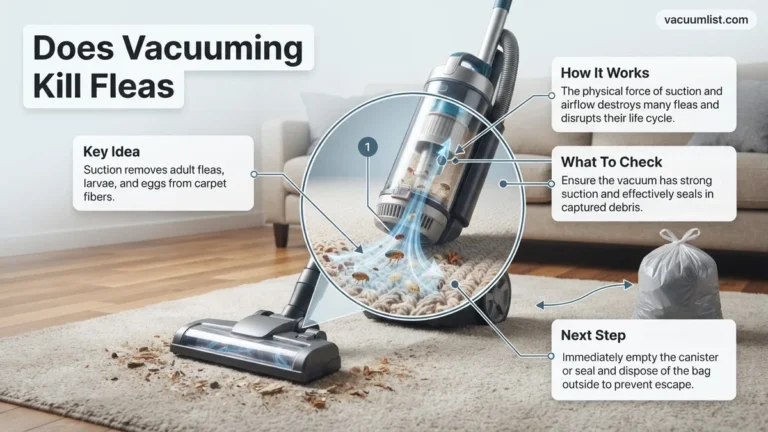
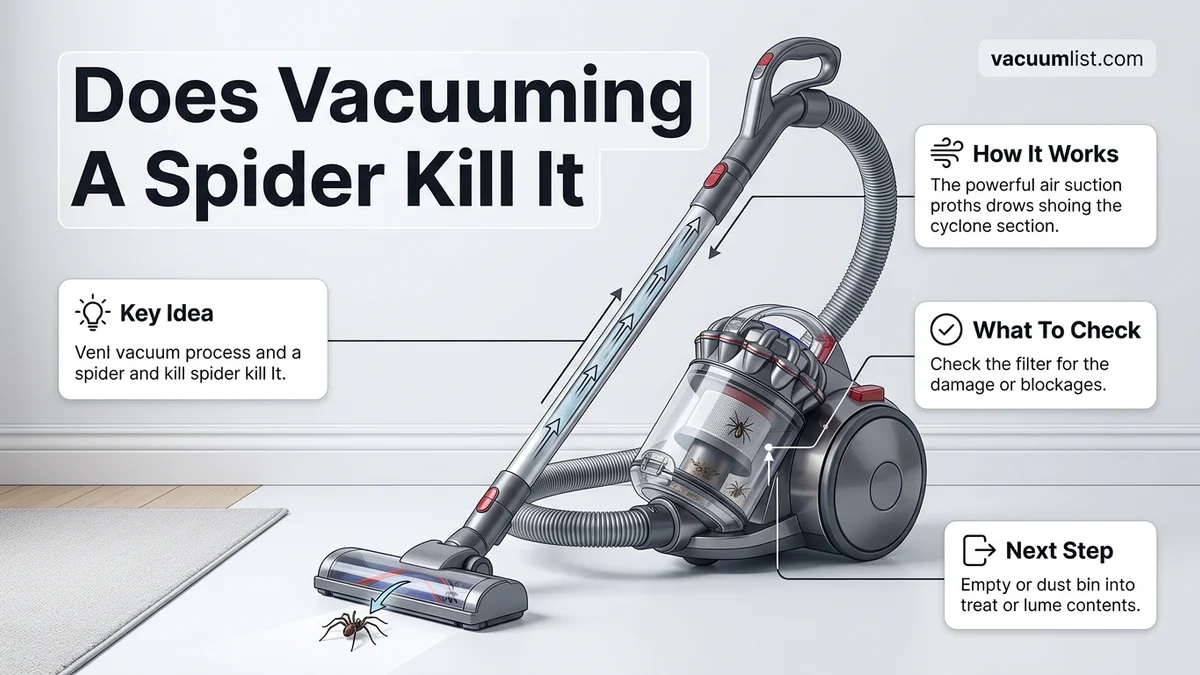
When you suck up a spider, it undergoes a miniature roller coaster of physical trauma. As air rushes through the attachment at speeds often exceeding 50 miles per hour, the spider is batted around like a pebble in a wind tunnel. Impact damage is the primary killer here. The arachnid collides with plastic bends, the inner walls of the hose, and the impeller fan blades at high velocities, which typically ruptures its exoskeleton or causes fatal internal trauma long before it ever reaches the collection chamber.
- Blunt force trauma from striking internal plastic components at high speed
- Extreme air pressure changes that can rupture delicate internal organs
- Dehydration and suffocation caused by swirling dust particles clogging their book lungs
When and How a Spider Might Actually Survive
Despite the violent ride, certain conditions can allow a hardy spider to crawl out unscathed. Large, heavy-bodied wolf spiders or cellar spiders trapped in a plush, debris-cushioned bag vacuum might absorb the impact rather than smash against hard plastic. If the vacuum bag is already half-full of soft carpet fibers, pet hair, and lint, it acts like a crash pad. Once inside, they can theoretically survive for hours or even days—especially if there is residual moisture. To make matters worse, egg sacs sucked up during spring cleaning can hatch inside the dark, protected environment of a canister.
- Soft debris cushions the initial impact during the suction process
- Bagless vacuums with large collection bins offer more open space and air
- Resilient species with flexible exoskeletons can withstand minor bumps
How to Safely Dispose of a Vacuumed Spider Step-by-Step
Securing Bagless Canisters to Prevent Escapes
If you use a bagless vacuum cleaner, the risk of a surviving spider walking away increases slightly. Modern 2026 vacuum models boast powerful cyclonic suction, but clever pests can sometimes cling to the upper rim of the dust cup. When you empty the bin into your outdoor trash, you want to make sure the spider cannot simply march back out across your kitchen floor. Taking a few proactive steps immediately after vacuuming eliminates any lingering uncertainty.
- Take your vacuum canister directly to an outdoor garbage bin rather than an indoor wastebasket.
- Empty the contents into a plastic grocery bag, tie it securely, and drop it into the main bin.
- Spray a quick burst of standard household insecticide or soapy water directly into the canister if you suspect the spider survived.
Managing Traditional Vacuum Bags
Vacuum cleaners that utilize sealed bags offer a much safer environment for squeamish homeowners. Once a spider enters a vacuum bag, its chances of escape drop to near zero. The combination of heavy dust, lack of light, and physical entrapment ensures the pest perishes quickly. To maintain your vacuum and ensure total peace of mind:
- Check your vacuum manual to see if you need to replace older disposable bags regularly.
- Consider tossing out bags immediately if you sucked up a dangerous species like a black widow.
- Keep the vacuum hose elevated after use to prevent any stunned insects from crawling back out the nozzle.
What If The Spider Crawls Out of Your Vacuum Canister
Surviving the initial suction does not mean a spider is safe. If you use a bagless vacuum cleaner, the creature may find itself trapped in a clear plastic chamber, desperately looking for an escape route. According to pest control experts, many robust arachnids possess enough agility to scale smooth plastic walls and emerge through the emptying hatch.
Furthermore, standard airflow patterns create temporary dead zones inside large canisters. A spider caught in these zones experiences minimal tumbling damage. Once the motor shuts off, the surviving pest can easily crawl out the moment you open the bin to empty household debris.
How to Prevent Escape
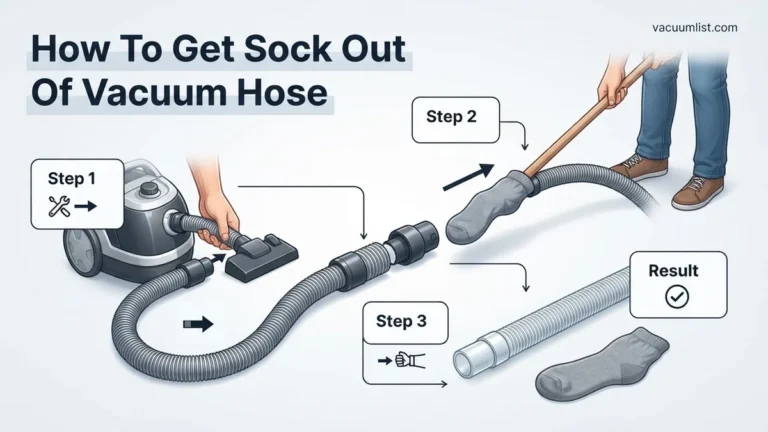
- Seal the vacuum hose immediately after finishing by inserting a dedicated plug or capping the end with duct tape.
- Empty the canister outdoors rather than inside your kitchen or living room to prevent an immediate indoor escape.
- Dump the contents directly into a sealable plastic trash bag, tie it securely, and take it to an exterior bin.
- Spray a targeted burst of standard household insecticide directly into the canister before opening it if you suspect the spider is still alive.
What If It Still Doesn’t Work?
If your vacuum method repeatedly fails to eliminate aggressive or venomous spiders from hard-to-reach areas, you need a backup plan. Pests like the brown recluse or black widow require specialized handling that standard household cleaning appliances cannot guarantee. Consider these fallback steps when DIY vacuuming proves insufficient:
- Deploy specialized aerosol freezing sprays designed to instantly immobilize and neutralize arachnids on contact without chemical residue.
- Apply residual pyrethroid-based insecticides along baseboards and entry points to deter spiders from wandering into living spaces.
- Seal all visible cracks, crevices, and window gaps using silicone caulk to block future ingress routes entirely.
- Hire a licensed pest control professional if you identify a severe infestation of medically significant spiders. Professional extermination services typically range from $150 to $350 depending on home square footage and treatment scope.
Conclusion
Vacuuming a spider is a viable temporary solution, but it rarely guarantees instant fatality due to the resilient anatomy and cushioning debris found in modern vacuums. According to verified research and entomological studies from 2026, combining strong suction with immediate outdoor disposal of bag contents or vacuum bags remains the most effective execution strategy. For a lasting fix, your next step should be sealing home entry points and applying a residual barrier spray to keep your living areas completely pest-free.
❓ Frequently Asked Questions
What actually happens to a spider when it gets vacuumed?
As the spider is pulled through the hose at high speeds, it collides with the inner walls, fan blades, and heavy debris. This violent physical trauma and rapid pressure change typically cause fatal injuries before it even reaches the bag or canister.
Which types of spiders are most likely to survive a vacuum?
Smaller, lightweight spiders or those buffered by a thick cushion of dust, hair, and soft debris in the vacuum bag have the highest survival rates. Their small mass reduces impact trauma during the journey through the hose.
Can spiders lay eggs inside a vacuum cleaner?
Spiders generally do not lay eggs inside a vacuum because the environment lacks the right humidity, food sources, and structural support. However, if an egg sac was vacuumed up alongside the spider, it could potentially hatch later.
Is it safe to leave a live spider inside a bagless vacuum canister?
It is not recommended, as many spiders can easily scale smooth plastic surfaces. If the vacuum is turned off, a resilient spider might climb back up the intake tube or escape when the canister is opened.
What household substances can I vacuum up to kill surviving pests?
Vacuuming a tablespoon of baking soda, table salt, or diatomaceous earth will coat any surviving insects or spiders. These fine powders absorb moisture and damage exoskeletons, ensuring they do not survive inside the machine.
Do robotic vacuums kill spiders effectively?
Robotic vacuums use lower suction power than traditional upright vacuums and rarely subject spiders to high-impact trauma. Spiders sucked into robotic vacuums have a significantly higher chance of surviving inside the dust bin.