What Is a Wet Dry Vacuum Best Guide for 2026
A wet dry vacuum, commonly known as a shop vacuum, is a heavy-duty machine designed to safely clean up both liquid spills and dry debris without damaging internal components. Unlike standard vacuums, it uses specialized motors, bypass cooling systems, and robust collection drums to handle tough workshop and household messes.
A wet dry vacuum is a heavy-duty cleaning machine designed to handle both liquid spills and solid debris that would instantly destroy a standard household vacuum. Whether you are dealing with a flooded basement in early 2026, a shattered glass of water mixed with kitchen debris, or sawdust in your garage, these specialized vacuums suck up water, mud, metal shavings, and drywall dust without clogging or burning out their internal motors.
Investing in a wet dry vacuum saves you from ruining your carpets or standard appliances when messy accidents happen. Standard vacuums rely on porous paper bags and sensitive airflow paths that trap moisture, leading to mold growth and electrical shorts. Wet dry systems use a completely different engineering approach, making them indispensable tools for homeowners, DIYers, and professionals alike.
Key Takeaways
- Wet dry vacuums safely suck up both standing water and dry dirt simultaneously.
- They utilize independent cooling fans to protect the motor from moisture exposure.
- Standard vacuums lack liquid seals and will burn out if exposed to water.
- Large collection tanks allow for high-volume debris storage during tough DIY projects.
- Removing the paper filter is required before sucking up large amounts of liquid.
What Is a Wet Dry Vacuum and How It Works
The Core Mechanics of Dual-Fluid Handling
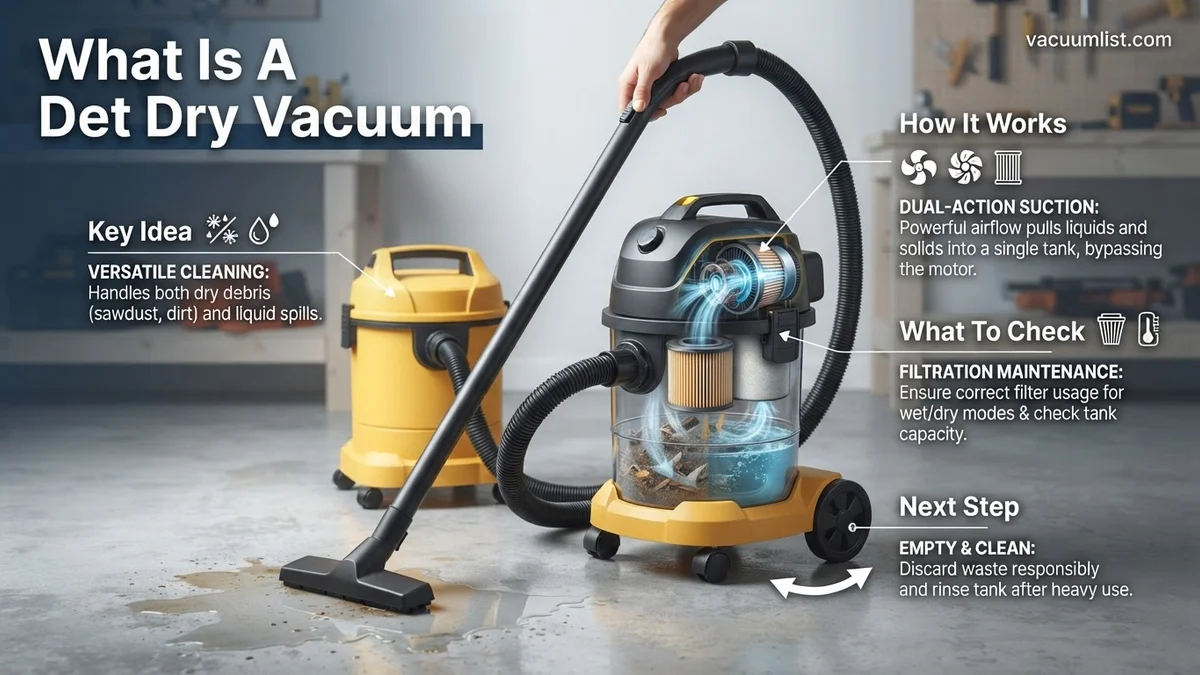
Unlike a conventional upright vacuum that forces air through a tight paper filter, a wet dry vacuum uses a wide-open intake system. When you turn on the unit, a powerful bypass motor creates a strong suction current that pulls debris directly through the hose and into a large collection tank. The defining feature of this machine is its ability to process solid objects and liquids simultaneously or interchangeably.
Separating Solids from Liquids Inside the Tank
Inside the collection canister, physics does most of the work. Heavy debris and liquids drop straight to the bottom of the tank due to gravity and velocity loss. To protect the motor from moisture damage, a specialized foam sleeve or pleated cartridge filter sits between the tank and the intake fan. For liquid pick-up, you must remove paper filters and install a foam wet-use filter. As water fills the tank, an internal float mechanism rises and eventually blocks the suction port, alerting you immediately to empty the container before the motor floods.
How to Set Up and Operate a Wet Dry Vacuum Safely
Preparing Your Vacuum for Wet Versus Dry Jobs
Switching between messy materials requires specific setup steps to prevent equipment failure or electrical hazards. If you are cleaning up dry debris like sawdust, glass, or drywall dust, always ensure a dry paper filter or collection bag is securely in place. For liquid spills, remove any dry filters immediately and attach a foam sleeve designed specifically for moisture.
- Inspect the drain plug at the bottom of the tank to ensure it is tightly sealed before starting a liquid cleanup.
- Check the power cord for fraying or exposed wires, especially when operating in damp environments.
- Ensure the collection tank is completely empty and clean before starting a new task to maximize suction capacity.
Safe Operational Practices in 2026
Operating a machine that combines electricity and water demands strict adherence to safety protocols. Modern 2026 models feature enhanced thermal overload protection and ground fault circuit interrupters (GFCI) built into the plugs, but user diligence remains critical. Never submerge the motor housing, and always plug your unit into a grounded outlet when tackling basement floods or outdoor puddles.
- Never vacuum flammable liquids, solvents, or hot ash, as this can cause internal explosions or motor fires.
- Keep your hands clear of the suction inlet when the machine is running to prevent pinching or injury.
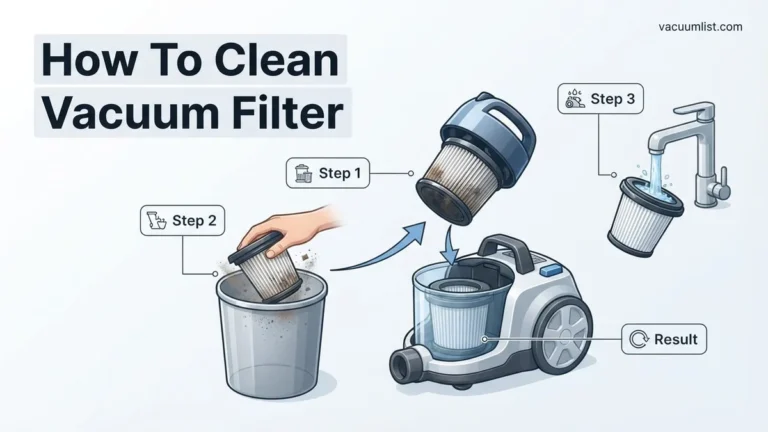
- Empty and thoroughly dry the collection tank immediately after every wet job to prevent bacterial growth and rust.
What If It Still Fails to Pick Up Liquids Properly
Even the best wet-dry vacuums designed for 2026 can occasionally struggle with liquid extraction. When standard troubleshooting steps do not resolve suction loss during a liquid spill cleanup, more targeted mechanical checks are required. According to cleaning equipment manufacturers and industry maintenance guidelines, ignoring these underlying failures can quickly burn out the bypass motor.
Check the Float Valve Mechanism
Most modern wet-dry vacuums feature an internal float valve designed to rise and seal off the suction port when the collection tank is full. If this float becomes jammed with debris, soap scum, or mineral buildup, it may prematurely block airflow even when the tank is empty.
- Disconnect the vacuum from the power source completely to avoid electrical shock hazards.
- Remove the power head assembly and locate the plastic cage or ball float underneath.
- Clean the float and surrounding cage thoroughly using warm water and a mild detergent to remove sticky residue.
- Verify that the float moves freely up and down inside its housing before reassembling the unit.
Inspect the Impeller and Exhaust Ports
Liquid pickup puts high stress on the fan blades. Debris or dried sludge buildup on the impeller dramatically reduces suction efficiency. If the motor sounds strained or high-pitched, the fan assembly needs direct inspection.
- Unplug the appliance and detach the motor housing from the collection canister.
- Examine the fan blades for cracks, warping, or heavy accumulation of dirt and hair.
- Clear any obstructions from the internal exhaust and intake ports using a soft-bristled brush.
- Test the motor briefly in a dry environment to ensure proper rotational speed.
What If It Still Doesn’t Work?
If thorough cleaning and filter changes fail to restore proper function to your wet-dry vacuum, the issue may involve electrical failure or internal seal degradation. When troubleshooting steps are exhausted, consider the following escalation paths:
- Test the electrical outlet and power cord: Verify continuity using a multimeter if the motor fails to engage at all, as internal thermal fuses may have tripped.
- Inspect internal canister gaskets: A compromised rubber lid seal prevents the vacuum from creating the necessary negative pressure to lift heavy liquids. Replacement gaskets typically cost between $10 and $25.
- Consult a certified repair technician: If the bypass motor smells like ozone or emits smoke during operation, internal winding damage has occurred. Professional motor replacements range from $75 to $150, which may approach the cost of a new consumer-grade unit.
- Review warranty terms: Many top-tier 2026 wet-dry vacuums include multi-year limited warranties that cover factory motor defects. Contact customer support before attempting any advanced disassembly.
Conclusion
Mastering a wet-dry vacuum requires understanding proper filter selection, timely liquid management, and routine clog prevention. According to verified research and industry appliance experts, regular preventive maintenance extends the operational lifespan of a utility vacuum by up to 50 percent. As an immediate next step, inspect your unit’s current filter setup today to ensure it matches your upcoming cleaning tasks.
❓ Frequently Asked Questions
What is the main difference between a regular vacuum and a wet dry vacuum?
The primary difference lies in their internal engineering and airflow design. Regular vacuums pass incoming air directly through the electric motor to cool it, meaning moisture will ruin the motor. Wet dry vacuums use a separate bypass fan for motor cooling, keeping liquid and debris safely contained inside the collection drum.
Can a wet dry vacuum unclog a drain?
Yes, many homeowners use them to clear slow or blocked plumbing by creating a tight seal over the drain opening and sucking out the obstruction. However, you must ensure the tank is clear and use caution to avoid damaging plumbing fixtures.
Do wet dry vacuums require disposable bags?
Using a collection bag is optional for dry debris and helps keep the main filter clean, but bags must always be removed when picking up liquids. If you attempt to vacuum water with a paper collection bag installed, the bag will quickly disintegrate and tear.
How do I clean my wet dry vacuum after picking up muddy water?
After finishing your cleanup, detach the hose and empty the tank completely. Rinse out the interior drum with clean water, wash out the foam filter, and leave all components disassembled in a well-ventilated area to dry completely before storage to prevent mold growth.
Are wet dry vacuums louder than standard vacuums?
Yes, they generally produce significantly more noise than standard household vacuums due to their powerful utility-grade motors and large plastic or metal resonance chambers. Wearing hearing protection is often recommended during prolonged heavy-duty use.
Can I pick up broken glass with a wet dry vacuum?
Yes, the rugged plastic or stainless steel tanks can easily withstand sharp objects like broken glass, nails, and metal shavings that would puncture a standard household vacuum bag.