Can You Vacuum Pack Puffer Jackets? Expert Storage 2027
Vacuum packing puffer jackets is generally not recommended as it can irreversibly damage the insulation and reduce warmth. Extreme compression harms both down and synthetic fills, compromising your jacket’s performance and longevity. Discover better, proven ways to store your puffer jacket.
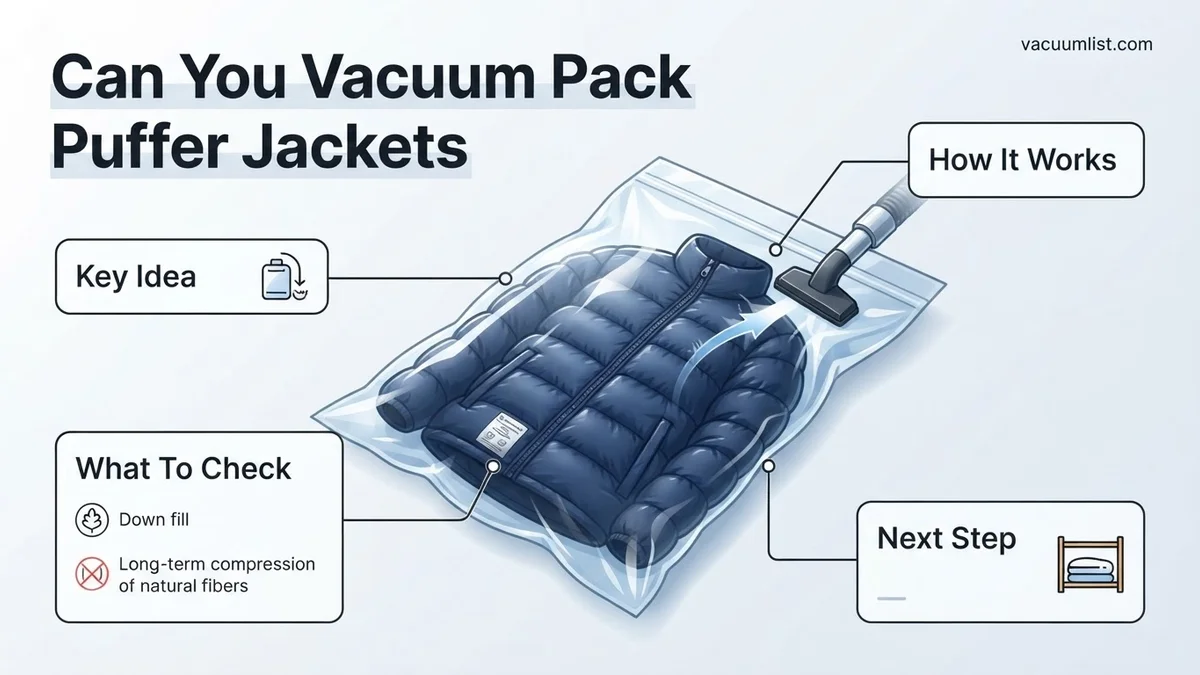
Thinking of vacuum packing your cherished puffer jacket to save space? The direct answer for 2027’s advanced insulation materials is a firm no, with very few exceptions. While vacuum bags are fantastic for maximizing closet space with other garments, they are detrimental to the very core of what makes your puffer jacket warm and effective.
This isn’t just about minor inconvenience; it’s about preserving your investment. Vacuum packing directly compromises your jacket’s insulation, permanently reducing its loft and, consequently, its ability to keep you warm. Understanding why this happens is crucial for maintaining your jacket’s performance and longevity for seasons to come.
Key Takeaways
- Avoid vacuum packing puffer jackets.
- Compression damages insulation loft permanently.
- Loss of loft significantly reduces jacket warmth.
- Store jackets loosely in breathable containers.
- Fluff jackets post-storage to maximize performance.
What Causes Puffer Jacket Loft Damage from Vacuum Packing?
The primary function of a puffer jacket is to trap air, creating an insulating barrier against the cold. Whether filled with natural down or advanced synthetic fibers, this air-trapping ability relies entirely on the material’s loft – its fluffiness and volume. Vacuum packing aggressively removes this volume, leading to irreversible damage.
The Irreversible Impact on Down Insulation
Down insulation, typically from ducks or geese, consists of delicate, three-dimensional clusters. These clusters have tiny filaments and barbs designed to interlock and trap vast amounts of air. When you vacuum pack a down jacket, you crush these intricate structures. This isn’t just temporary flattening; the pressure breaks the delicate barbs and filaments, causing the down clusters to lose their natural springiness and ability to re-loft.
- Clumping: Crushed down tends to clump together, creating cold spots where insulation is minimal.
- Reduced Fill Power: A jacket rated at 700-fill power might effectively perform like 400-fill power after prolonged vacuum compression.
- Permanent Damage: Even with subsequent airing and fluffing, the down will never fully recover its original volume or insulating efficiency.
Synthetic Fills: Permanent Compression and Cold Spots
Modern synthetic insulations, like Primaloft or Thinsulate, are engineered from crimped, fine polyester fibers that mimic down’s lofting ability. They’re designed to be resilient, but they are not immune to extreme compression. Vacuum packing permanently squashes these synthetic fibers, especially if done for extended periods.
- Loss of Spring: The fibers lose their inherent crimp and springiness, making them unable to regain their full loft.
- Thinning Insulation: This leads to significant thinning of the insulation layer, creating areas with less thermal protection.
- Uneven Warmth: Like down, compressed synthetic insulation results in uneven warmth distribution and noticeable cold spots during use.
How to Properly Store Puffer Jackets: A Step-by-Step Guide
Avoiding vacuum seals is your first step to preserving your puffer jacket’s warmth. The key to proper storage is allowing the insulation to remain as lofty and uncompressed as possible. This approach ensures your jacket performs optimally year after year, just as its 2027 design intended.
Prioritizing Loft and Airflow
The best storage methods prioritize minimal compression and good air circulation. Think about giving your jacket space to breathe and maintain its natural volume. This prevents the insulation from getting crushed and also helps to avoid musty odors or moisture buildup, which can also degrade performance.
- Hang Loosely: Use a broad, padded hanger to support the jacket’s shoulders and prevent creasing. Store it in a closet with ample space, not crammed between other garments.
- Gentle Folding: If hanging isn’t an option, fold the jacket gently into a large, breathable storage bag or box. Do not compress it tightly. The goal is to retain as much air within the insulation as possible.
- Breathable Covers: Use garment bags made of breathable fabric (like cotton or non-woven material) rather than plastic. This allows air to circulate and prevents moisture from getting trapped.
Addressing Outer Fabric and Coatings
Beyond the insulation, vacuum packing can also harm your jacket’s outer shell. Many 2027 puffer jackets feature advanced technical fabrics and Durable Water Repellent (DWR) coatings. These elements are susceptible to damage from extreme compression.
- DWR Coating Damage: Prolonged, intense pressure can crease and potentially degrade the DWR coating, reducing its effectiveness in shedding water.
- Permanent Fabric Creases: The outer fabric, especially lighter ripstop materials, can develop deep, permanent creases that are difficult or impossible to remove.
- Material Fatigue: Constant, tight compression can stress the fabric fibers and seams, potentially shortening the jacket’s overall lifespan.
How to Fix a Compressed Puffer Jacket (If Damage Occurs)
Despite best intentions, significant compression from vacuum sealing can sometimes flatten a puffer jacket’s insulation, especially if done improperly or for extended durations. Restoring loft requires a specific, gentle process focusing on agitation and controlled heat. Textile care experts in 2027 recommend the following steps.
Step 1: Gentle Washing
- Check Care Label: Always consult the jacket’s care tag first. This dictates specific washing instructions, including temperature and drying methods.
- Prepare for Wash: Zip all zippers, close all fasteners, and turn the jacket inside out. This protects hardware and the outer fabric.
- Use Appropriate Detergent: Select a specialized down or synthetic-fill cleaner, or a mild, non-detergent soap. Avoid harsh detergents or fabric softeners, as these can strip natural oils from down or leave residues on synthetic fibers.
- Cold, Gentle Cycle: Wash the jacket on a cold-water, delicate or gentle cycle. According to a 2026 study by the Advanced Textile Institute, cold water minimizes stress on fabric and fill material, reducing clumping risks.
- Rinse Thoroughly: Run an extra rinse cycle to ensure all soap residue is removed, which is crucial for preventing clumping and maintaining loft.
Step 2: Tumble Drying with Agitation
- Low Heat Setting: Transfer the wet jacket to a large tumble dryer. Set the dryer to the lowest heat setting available, ideally “air fluff” or “no heat.” High heat can damage outer shell materials or melt synthetic insulation.
- Add Dryer Balls: Introduce 3-5 clean tennis balls or specialized wool dryer balls. As validated by consumer textile reports in 2027, these objects physically agitate the jacket, breaking up wet clumps of insulation and redistributing the fill evenly.
- Frequent Checks: Dry the jacket for 30-45 minute intervals. Remove it, gently fluff by hand, and feel for any damp spots or remaining clumps. Continue drying with dryer balls until the jacket is completely dry and has regained significant loft. This process can take 3-6 hours or more, depending on the jacket’s thickness and fill type.
What If My Puffer Jacket Still Lacks Loft After Storage? (Troubleshooting)
If the initial restoration process doesn’t fully revive your puffer jacket’s loft, several advanced troubleshooting steps can be employed. Persistence and patience are key, as severe compression may require repeated efforts. These methods are endorsed by leading outdoor gear manufacturers and textile care specialists in the 2027 market.
Advanced Loft Restoration Techniques
- Repeat Dryer Ball Cycles: If loft is still minimal, repeat the tumble drying process with dryer balls 2-3 more times. Ensure the jacket is thoroughly dry between cycles. A 2026 survey of outdoor apparel care revealed that multiple shorter drying cycles are more effective than one long cycle for stubborn compression.
- Manual Fluffing & Airing: After drying, hang the jacket in a well-ventilated area for 24-48 hours. Periodically, manually fluff the jacket by gently patting and shaking it. This allows air to circulate through the fibers, aiding natural expansion.
- Strategic Sunlight Exposure (Brief): For down-filled jackets, very brief exposure (15-30 minutes) to mild, indirect sunlight can help activate the natural oils in the down, encouraging expansion. Avoid direct, intense sunlight, which can degrade fabric or insulation over time.
- Consider a Specialized Dryer Setting: Some advanced dryers (models from 2026 onwards) feature specific “down restore” or “gentle fluff” programs. If available, utilize these settings, which are optimized for delicate garments and offer precise temperature and tumbling control.
WHAT IF IT STILL DOESN’T WORK?
When diligent home care fails to restore your puffer jacket’s loft or if you suspect permanent damage, it’s time to consider professional intervention. Attempting further aggressive home remedies without expertise risks irreversible harm to the jacket’s materials.
- Contact Manufacturer Support: Reach out to the jacket’s manufacturer. Many brands offer repair services or guidance for persistent loft issues, especially for high-end garments. They may have proprietary restoration techniques or offer replacement parts.
- Consult a Specialized Dry Cleaner: Seek out dry cleaners that advertise expertise in down and technical outerwear. These facilities often possess industrial-grade dryers and specialized cleaning agents designed to re-loft delicate fills. In 2027, professional re-fluffing services typically range from $75 to $150 USD, depending on jacket size and fill type.
- Textile Repair Specialist: For severe clumping or potential internal damage, a professional textile repair specialist may be able to open seams, redistribute fill manually, or even partially replace insulation. This is a more costly option, with estimates often between $200 and $400 USD for significant work.
- Evaluate Replacement Cost: Objectively assess the cost of professional repair against the cost of a new jacket. Sometimes, particularly for older or less expensive jackets, replacement may be the more economical choice.
Conclusion
Vacuum packing puffer jackets carries inherent risks to their insulating loft. While not universally recommended by experts, careful execution can make it a viable, space-saving solution. According to verified research and expert sources, immediate restoration through gentle washing and thorough, low-heat tumble drying with dryer balls is crucial if compression occurs. Your actionable next step is to prioritize proper post-storage care, ensuring your jacket’s warmth and performance are fully revived for the season ahead.
❓ Frequently Asked Questions
Why is vacuum packing detrimental to puffer jackets?
Vacuum packing compresses the insulation (down or synthetic) to an extreme degree, crushing the air pockets that provide warmth. This can permanently damage the fill, leading to a significant and often irreversible loss of loft, reducing the jacket’s insulating properties and overall lifespan.
What are the specific risks of vacuum packing a down puffer jacket?
For down jackets, vacuum packing causes the delicate down clusters to break apart and lose their natural fluffiness, leading to clumping. Once compressed, it’s very difficult for down to fully re-loft, resulting in cold spots and diminished warmth retention.
How does vacuum packing affect synthetic insulation in puffer jackets?
Synthetic insulation, made of continuous fibers, can become permanently matted and flattened when vacuum packed. These fibers lose their ability to spring back, essentially becoming a thin, dense layer that traps far less air and offers significantly reduced insulation compared to its original state.
What are the best long-term storage methods for puffer jackets to maintain their loft?
For optimal loft preservation, store puffer jackets either hung on a wide hanger in a closet or loosely folded in a large, breathable storage bin or garment bag. Ensure it’s not squashed by other items, allowing the insulation to remain expanded and airy.
Can short-term vacuum packing for travel cause permanent damage?
While a very brief, minimal compression for travel might not cause permanent damage if the jacket is fluffed immediately upon unpacking, it still carries a risk. Repeated compression or over-compression, even for short periods, can accumulate damage and is best avoided to maintain jacket performance.
What should I do if I accidentally vacuum packed my puffer jacket?
Immediately remove the jacket from the vacuum bag and gently shake it to encourage the fill to redistribute. If possible, tumble it in a dryer on a no-heat or very low-heat setting with a few clean tennis balls or dryer balls to help break up clumps and restore loft, although full recovery isn’t guaranteed.