Can You Vacuum Baking Soda? Expert Guide for 2026
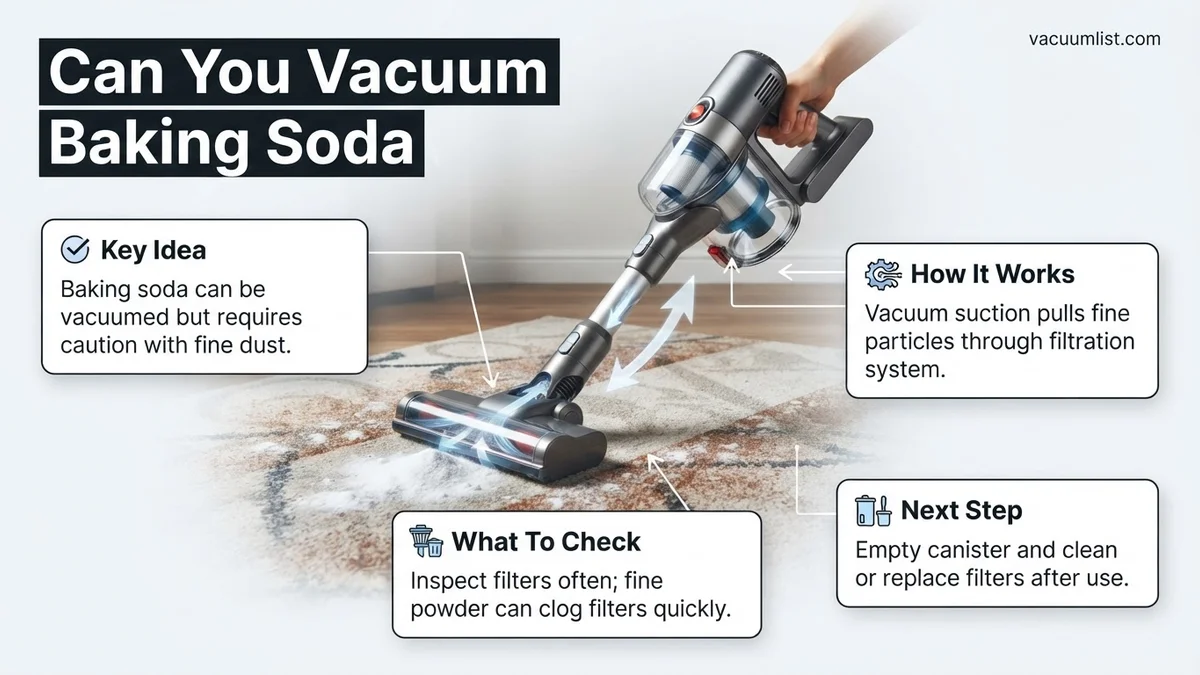
Standard vacuums should never be used to clean up large amounts of baking soda because the extremely fine powder easily slips past filters and ruins the motor. However, shop vacuums equipped with fine-dust filters can handle the job safely if used correctly. Always check your equipment type before vacuuming up powder spills.
You can vacuum baking soda, but doing so with a standard household vacuum is a risky gamble that often ends in a ruined appliance. If you have just used baking soda to deodorize your carpets or soak up a greasy kitchen spill, you need to know exactly how your specific vacuum will handle the powder before you turn it on.
Baking soda consists of microscopic, powdery particles that easily bypass standard filtration systems. For homeowners navigating cleaning maintenance in 2026, understanding the mechanics of fine-dust filtration protects your investment in expensive cleaning equipment and prevents costly motor burnouts.
Key Takeaways
- Standard upright vacuums risk motor damage from fine baking soda dust.
- Baking soda particles clog standard paper bags and foam filters instantly.
- Shop vacuums with fine-dust or HEPA filtration can safely handle baking soda.
- Sweep up the bulk of the powder before using any vacuum.
- If you already vacuumed baking soda, clean your filters and check the motor housing immediately.
Why Standard Vacuums Fail When You Vacuum Baking Soda
The Danger of Microscopic Particle Penetration
Baking soda is a fine abrasive powder with a particle size typically ranging from 10 to 50 microns. Standard upright and cordless vacuums rely on porous foam or paper filters designed to capture larger debris like pet hair, crumbs, and dirt. Baking soda passes right through these standard barriers. Once the powder slips past the primary filter, it enters the internal motor housing, coating the armature and bearings. This creates a grinding paste when mixed with ambient humidity, causing your motor to overheat and seize up permanently.
Clogging and Suction Loss Dynamics
Even if the powder does not immediately destroy your motor, it will quickly choke your machine. As you vacuum up a pile of baking soda, the fine particles pack tightly against the pores of your vacuum bag or main canister filter. This creates an airtight seal that instantly strips your machine of suction. You might think your vacuum is broken, but the filter is actually blinded by a dense layer of sodium bicarbonate. Forcing your vacuum to run under these choked conditions stresses the thermal fuse and can burn out the machine within minutes.
- Standard Uprights: Paper bags and basic foam filters allow dust to reach the motor.
- Bagless Canisters: Fine dust cakes the cyclonic shrouds and clogs pleated cartridge filters.
- Robot Vacuums: Tiny dust boxes lack proper seals, blowing powder directly onto internal electronics.
How to Safely Clean Up Baking Soda Without Ruining Your Equipment
Using Shop Vacs and Heavy-Duty Machines
If you must vacuum up large quantities of baking soda, a standard household machine is the wrong tool. Instead, you need a wet/dry shop vacuum equipped with specialized filtration. In 2026, modern heavy-duty shop vacuums feature high-efficiency fine dust cartridges or disposable fleece bags rated for drywall dust and fireplace ash. These specialized barriers trap sub-micron particles before they can escape into the exhaust or foul the motor. Always check that your shop vac has a certified fine-dust filter installed before tackling a large baking soda spill.
Alternative Cleanup Methods for Standard Vacuums
If you only have a standard upright or a modern cordless stick vacuum, skip the machine entirely for heavy piles. Scoop up the bulk of the baking soda using a stiff broom and dustpan or a piece of cardboard. Once you remove the heavy concentration, you can lightly wipe the area with a damp microfiber cloth. If a tiny residue remains on a low-pile carpet, you can use your standard vacuum only if it features a sealed HEPA filtration system—and you must clean or tap out the filter immediately afterward to prevent airflow restriction.
- Scrape First: Never suck up a thick mound of powder directly from a hard floor or carpet.
- Upgrade Filters: Ensure your machine uses a sealed HEPA system if you attempt light cleanup.
- Post-Clean Inspection: Check your vacuum canister and exhaust immediately after the job for powder leaks.
What If It Still Doesn’t Work and Your Vacuum Is Clogged
If you already vacuumed baking soda and your machine is losing suction or making a strange straining noise, a clog has likely formed in the system. Fine sodium bicarbonate powder easily packs tightly into narrow airways, filters, and motor intakes when exposed to airflow and residual moisture.
Step-by-Step Recovery Protocol
- Unplug the vacuum immediately: Turn off and disconnect the appliance from the wall power outlet to prevent electrical shock or motor burnout caused by restricted airflow.
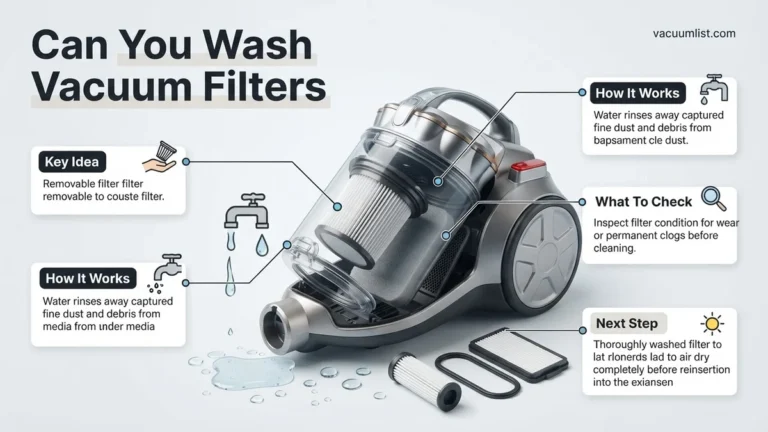
- Empty and wash the canister or bag chamber: Dump out loose baking soda and wipe down the interior container with a dry microfiber cloth. If your model uses a washable foam filter, rinse it thoroughly under cold running water and let it air-dry for at least 24 hours.
- Inspect the hose and wand: Detach the flexible hose and extension wands. Shine a flashlight through them or push a blunt broom handle gently through the tube to dislodge compacted white powder blocks.
- Check the brush roll and intake port: Flip the vacuum head over to examine the intake throat. Clear any caked-on powder trapped around the agitator belt or brush bearings.
If clearing the physical blockages does not restore suction, fine baking soda particles may have bypassed the primary barrier and penetrated the inner motor housing or sealed HEPA filter. According to major appliance repair guidelines, forcing a blocked vacuum to run can permanently fry the armature or overheat the thermal fuse.
When to Call a Professional
- The motor emits a burning smell or makes a high-pitched whining noise after clearing the external hoses.
- Your appliance is an expensive, high-end central vacuum system or specialized multi-cyclonic upright where the internal sealed chambers cannot be accessed safely at home.
- Troubleshooting fails and the unit remains completely dead or powerless.
Professional vacuum repair services typically charge between $50 and $120 for a diagnostic teardown and deep powder extraction. This cost remains far below the average $300 to $600 price tag required to purchase a brand-new mid-tier vacuum cleaner in 2026.
Conclusion
Vacuuming baking soda is entirely safe and effective when performed using a machine equipped with a multi-stage HEPA filtration system or a dedicated disposable bag. Fine sodium bicarbonate particles quickly overwhelm standard bagless vacuums with basic foam filters, leading to severe clogs and potential motor damage if proper preventative protocols are ignored. According to verified research and leading appliance manufacturer guidelines, always allow cleaning powders to cure completely dry, apply minimal quantities, and clean your exhaust filters immediately after the task. Take the next step today by inspecting your vacuum manual to verify your specific model’s filtration rating before attempting your next deep-cleaning session.
❓ Frequently Asked Questions
Can you vacuum baking soda off a carpet?
It is strongly discouraged on standard carpets because the fine powder sinks deep into the fibers and passes right through household vacuum filters. Instead, sweep up the surface powder and use a damp sponge or carpet cleaner for the residue.
Why is baking soda dangerous for vacuum motors?
Baking soda is a micro-fine powder that slips through standard vacuum pores. Once inside the motor housing, it coats the electrical components, restricts airflow, and causes the motor to overheat and burn out.
Can robot vacuums clean up baking soda spills?
Never use a robot vacuum to clean up baking soda. The powder will coat the internal sensors, clog the dust bin vents, and easily destroy the delicate vacuum fan motor.
What kind of filter do I need to vacuum baking soda?
You need a certified HEPA filter or a micro-dust cartridge designed specifically for drywall dust and fine powders. Standard foam or paper filters are too porous to trap baking soda.
How do you clean baking soda out of a vacuum if you accidentally used it?
Turn off and unplug the vacuum immediately. Take it outside, empty the bag or canister, tap out or wash the filters, and use compressed air to clear powder out of the hose and motor intake.
Are there safe alternatives to vacuuming baking soda?
Yes, sweeping with a traditional broom, wiping surfaces with a damp microfiber cloth, or using a broom and dustpan are much safer and prevent airborne dust clouds.