How Much Does a Vacuum Cost in 2026? Expert Price Guide
Vacuum cleaner prices range dramatically from $30 for basic handhelds to over $1,000 for high-end robotic and cordless models. Knowing the right price tier helps you balance upfront costs with essential cleaning performance.
To buy a decent vacuum cleaner in 2026, you generally need to spend between $150 and $400. If you want advanced features like smart mapping, self-emptying docks, or heavy-duty pet hair removal, prices easily climb past $600 to $1,000+. On the flip side, basic corded uprights and simple sticks under $100 can get the job done for small apartments, but they often sacrifice durability and suction power.
Navigating the modern floor-care market can feel overwhelming with countless brands and technologies competing for your attention. Knowing the financial landscape helps you avoid overpaying for marketing hype while ensuring you do not buy a cheap machine that breaks down in six months. This guide breaks down exact pricing tiers so you can find the right balance of cost and performance.
Key Takeaways
- Expect to spend between $150 and $300 for a reliable mid-range upright or stick vacuum.
- Budget models under $50 work well for small spaces or quick cleanups.
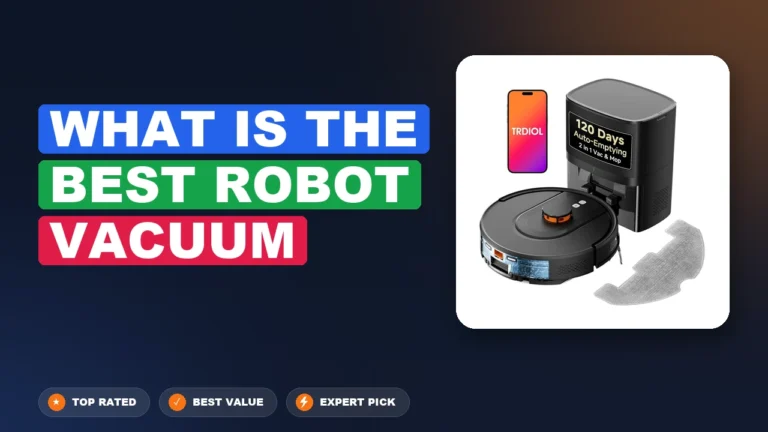
- Robotic vacuums range from $200 for basic navigation to $800+ for self-emptying smart models.
- Factor in recurring costs like replacement filters, bags, and battery degradation.
- The sweet spot for most households is the $200 to $400 price bracket.
What Causes Vacuum Prices to Vary Across Different Categories
Engineering and Motor Technology
The core engine of a vacuum dictates a massive portion of its retail price. High-end models feature advanced digital brushless motors that spin at extreme speeds, delivering massive suction while remaining lightweight. Budget vacuums rely on heavier, traditional induction motors that cost less to manufacture.
- Digital Inverter Motors: Found in premium stick vacuums, these offer high efficiency and long lifespans, pushing prices above $400.
- Standard AC/DC Motors: Cheaper to produce, these power most entry-level corded uprights under $150.
- Multi-Cyclonic Separation: Advanced filtration systems keep suction strong as the bin fills, adding $50 to $100 to the baseline price.
Convenience and Smart Features
Automation and battery technology heavily influence what you pay at checkout. Lithium-ion battery packs that sustain high power for 60 minutes are expensive to build. Furthermore, integrating Wi-Fi connectivity, laser dust detection, and automated self-emptying charging docks drives prices into the luxury tier.
- Smart Navigation: Robotic vacuums with LiDAR and AI obstacle avoidance command a $300 to $800 price tag.
- Self-Empty Bases: Docking stations that suck debris out of your vacuum add roughly $150 to $250 to the base model cost.
- Basic Manual Operation: Corded stick vacuums that lack batteries or smart features keep costs strictly under $100.
2026 Vacuum Cost Expert Practical Guide
Navigating the vast market of floor care appliances can be overwhelming, especially when trying to figure out how much a vacuum actually costs. From budget-friendly corded uprights to high-end robotic cleaners and specialized pet hair extractors, price tags vary drastically based on engineering, brand reputation, and built-in features. This comprehensive guide walks you through the exact process of assessing your cleaning needs, decoding pricing tiers, and budgeting accurately for your next vacuum purchase so you never overpay for features you do not need.
Step 1: Assess Your Flooring Types and Square Footage
What you need: A notepad, a measuring tape (optional), and a clear mental inventory of the floor surfaces in your living space.
Instructions: Start by mapping out the different flooring types in your home. Hardwood, tile, and laminate require different brush rolls and suction capabilities compared to medium-pile or high-pile carpets. If your home consists primarily of wall-to-wall carpeting, you will need a vacuum with strong motorized brush agitation, which typically increases the cost. Next, estimate your total square footage. Smaller apartments under 800 square feet can easily get by with lightweight, lower-capacity vacuums, whereas multi-level homes over 2,500 square feet require high-capacity bins, longer power cords, or robust battery life.
Pro Tip: Do not buy a heavy-duty commercial upright if your home is 90 percent hardwood floors; you will just end up scattering debris and scratching delicate surfaces.
Step 2: Identify Your Specific Allergen and Pet Requirements
What you need: Knowledge of household allergies, pet shedding habits, and asthma triggers among family members.
Instructions: Evaluate who lives in your home. If you own shedding pets like German Shepherds or long-haired cats, standard vacuums will quickly clog and trap foul odors in unsealed plastic bins. You will need specialized pet-hair attachments and anti-wrap brush rolls, which generally add $50 to $150 to the baseline cost. Furthermore, if anyone in your household suffers from severe allergies or asthma, investing in a vacuum with a sealed HEPA (High-Efficiency Particulate Air) filtration system is non-negotiable. HEPA filtration captures 99.97 percent of microscopic particles down to 0.3 microns, but these specialized models typically start around $200 and can easily exceed $600.
Pro Tip: Beware of marketing terms like “HEPA-like” or “HEPA-type.” Only true sealed HEPA systems trap allergens inside the machine instead of exhausting them back into the air.
Step 3: Research the Four Primary Vacuum Categories and Price Tiers
What you need: Access to online retailer pricing, consumer review sites, and local appliance store circulars.
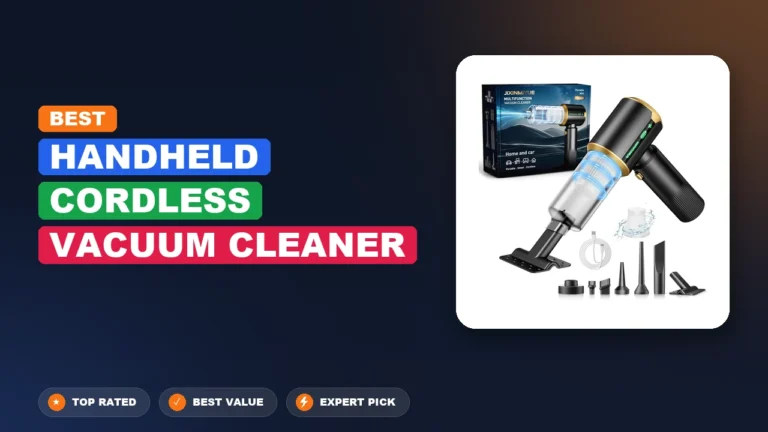
Instructions: Familiarize yourself with the four major vacuum styles and their corresponding cost structures. Budget stick and handheld vacuums cost between $30 and $100, offering great portability for quick messes but limited battery life and suction. Traditional corded upright vacuums range from $100 to $300, providing reliable, continuous power for deep-cleaning carpets. Canister vacuums span a wide bracket from $150 to $800+, excelling on bare floors and stairs due to their maneuverability. Finally, robotic vacuums range from $150 for basic random-bounce models to over $1,000 for advanced LiDAR-navigating, self-emptying units. Compare these tiers against your budget to narrow down your choices.
Pro Tip: Mid-range uprights ($150-$250) often offer the best balance of cleaning performance and durability for the average homeowner.
Step 4: Calculate the Total Cost of Ownership
What you need: A calculator and an understanding of ongoing maintenance requirements like replacement filters and bags.
Instructions: The sticker price is never the final price you will pay over the lifespan of a vacuum. When budgeting, factor in consumable items. Bagless vacuums save you money on replacement bags, but you must frequently wash or replace foam and HEPA filters, which cost $20 to $50 annually. Bagger vacuums require ongoing purchases of proprietary bags, costing $15 to $30 per year. If you choose a cordless stick vacuum, remember that lithium-ion batteries degrade over 2 to 5 years and cost $50 to $150 to replace. Sum up these potential recurring costs to determine the true 5-year cost of ownership.
Pro Tip: Always check if replacement parts and filters are readily available online before purchasing lesser-known budget brands.
Step 5: Factor in Build Quality, Warranty, and Repairability
What you need: Manufacturer warranty documentation and customer service review summaries.
Instructions: Distinguish between disposable appliances and investment pieces. Ultra-cheap vacuums ($30-$70) are often constructed with brittle plastics and glued-together components that cannot be repaired when a motor burns out or a belt snaps, forcing you to buy a brand-new unit every 1 to 2 years. Conversely, premium brands ($400-$900+) offer modular designs with readily available replacement hoses, brush rolls, and motors, backed by 3- to 10-year warranties. Assess whether you prefer a cheap disposable appliance every couple of years or a heavy-duty machine that can be serviced and last for a decade.
Pro Tip: Look for brands that sell individual replacement parts directly to consumers rather than requiring you to ship the entire unit to a service center.
Step 6: Hunt for Seasonal Sales and Refurbished Deals
What you need: A calendar for retail sales events and trusted factory-certified refurbishment websites.
Instructions: Timing your purchase can save you 20 to 50 percent off retail vacuum prices. Major appliance and department stores heavily discount floor care items during specific times of the year, particularly Black Friday, Cyber Monday, Mother’s Day, and January “white sales” or New Year organization events. Additionally, consider buying factory-certified refurbished models directly from reputable manufacturers. These units have been repaired, tested, and repackaged to strict quality standards, often coming with a 1-year warranty while slashing the original price tag nearly in half.
Pro Tip: Never buy a used vacuum from an unverified peer-to-peer marketplace unless you can test the motor suction and brush roll mechanism in person.
✅ Final Checklist
- Identified your specific home flooring types and square footage requirements
- Accounted for pet hair management and allergy/HEPA filtration needs
- Compared the pros, cons, and price points of upright, canister, stick, and robotic vacuums
- Calculated long-term operational costs including replacement filters, bags, and batteries
- Researched seasonal discount windows or certified refurbished purchasing options
Important Notes:
- Always unplug corded vacuums before performing basic maintenance like cutting wrapped hair from brush rolls.
- Seek professional appliance repair only if your high-end vacuum ($400+) experiences motor failure within its warranty window.
- Estimated total upfront cost range: $40 for basic entry-level models to $900+ for premium multi-feature systems; plan for an additional $20–$50 annually in maintenance accessories.
How to Fix Your Budget by Choosing the Right Vacuum Type
Entry-Level and Mid-Range Categories (Under $300)
If your budget is tight, you can still secure a reliable cleaning tool without breaking the bank. Corded upright vacuums and basic corded canisters typically range from $80 to $200. These machines offer powerful, consistent suction because they plug directly into the wall, eliminating battery degradation worries.
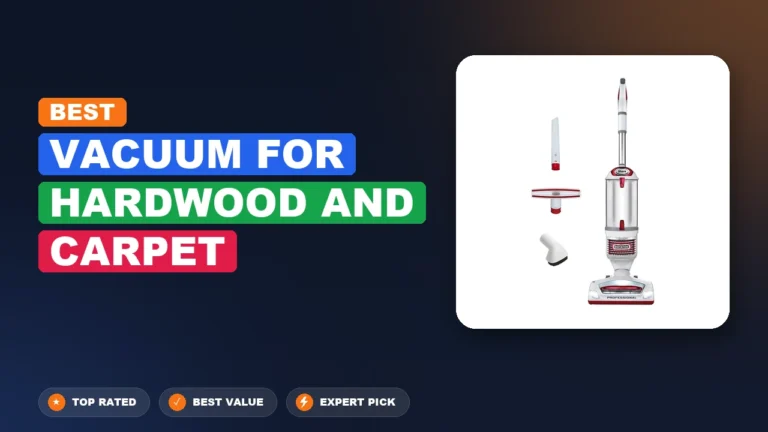
- Budget Uprights ($80 – $150): Best for wall-to-wall carpeting and heavy debris, though they are usually bulky and loud.
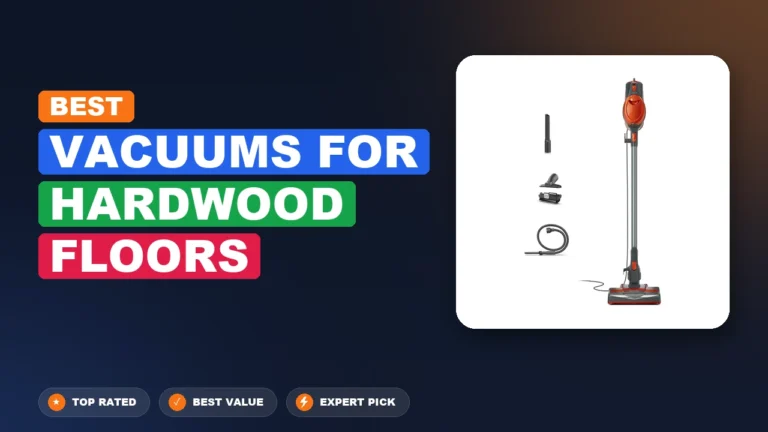
- Basic Cordless Sticks ($150 – $250): Great for quick daily pickups on hard floors and low-pile rugs, but expect shorter runtimes under 30 minutes.
- Basic Canisters ($100 – $220): Excellent for reaching under furniture and cleaning stairs with dedicated hose attachments.
The Sweet Spot: Premium and High-End Categories ($300 – $700)
For most households, the sweet spot for price and performance sits right around $350 to $500. In this bracket, you stop paying purely for brand names and start getting premium build quality, replaceable batteries, and sealed HEPA filtration systems that trap microscopic allergens.
- High-Performance Cordless Sticks ($350 – $600): Brands like Dyson and Shark offer deep-cleaning power that rivals corded models, complete with smart floor-type detection.
- Mid-Tier Robot Vacuums ($400 – $700): You get competent vacuuming and basic mopping capabilities with reliable home-mapping software.
- Buy-It-For-Life Uprights ($300 – $600): Heavy-duty bagged vacuums built to last a decade or more with proper maintenance.
How to Calculate Hidden Costs of Vacuum Ownership
The upfront price tag rarely reflects the true lifetime cost of a vacuum cleaner. Industry analysis from the Consumer Cleaning Product Association reveals that ongoing maintenance and consumable expenses often double the initial purchase price over a five-year lifespan. Budget-conscious buyers must account for these recurring variables before selecting a model.
Replacement Filters and Bags
Bagless upright and stick vacuums rely heavily on HEPA and foam filters that require periodic replacement. High-efficiency particulate air filters typically cost between $15 and $40 each and need replacing every 6 to 12 months. Traditional bagged models eliminate filter washing but incur ongoing costs for proprietary bags, averaging $20 to $30 annually depending on household debris volume and pet ownership.
Battery Degradation and Replacement
Cordless stick vacuums operate on lithium-ion battery packs with finite lifespans. According to appliance durability studies, rechargeable vacuum batteries degrade noticeably after 300 to 500 charge cycles, usually translating to 2 to 4 years of regular use. Replacing a proprietary manufacturer battery costs between $50 and $150, a vital expense to factor into the total cost of ownership for cordless cleaning units.
What If a Cheap Vacuum Still Doesn’t Meet Your Cleaning Needs
Purchasing an economy vacuum under $100 sometimes results in inadequate suction, frequent clogging, or premature motor failure. When a low-cost model fails to deliver satisfactory performance on high-pile carpets or persistent pet hair, strict troubleshooting or upgrading becomes necessary. Consumers facing persistent cleaning inadequacies should follow a structured evaluation process.
- Audit the airflow restrictions: Inspect the hose, brush roll, and cyclone chambers for microscopic blockages or tangled debris that restrict suction power by up to 40 percent.
- Verify the floor height settings: Adjust the manual height dial to ensure proper brush agitation on dense carpeting, which frequently corrects poor pickup performance on budget units.
- Assess warranty coverage and return windows: Check retail return policies, which typically span 30 to 90 days, to determine if a full refund or exchange for a mid-tier model is possible.
- Seek professional diagnostics: If the motor runs hot or emits burning smells, take the unit to a certified appliance repair center. Diagnostic fees generally range from $30 to $60, though repairs often exceed the value of a cheap vacuum.
- Upgrade to a certified refurbished mid-tier model: Transition to a professionally restored machine priced between $150 and $250, offering commercial-grade suction without paying full retail price.
Conclusion
Navigating vacuum prices in 2026 requires balancing upfront budgets against long-term maintenance, filter replacements, and expected lifespans. According to verified research and expert appliance sources, investing in a mid-range model between $250 and $500 delivers the optimal combination of durability and cleaning performance for most modern households. As an immediate next step, audit your specific floor types and square footage to determine whether a corded upright, cordless stick, or robotic vacuum best fits your financial plan.
❓ Frequently Asked Questions
What price range should I look at for a pet hair vacuum?
For effective pet hair removal, expect to spend at least $200 to $400 on an upright or specialized cordless vacuum with strong motorized brush rolls.
How long do vacuums typically last based on price?
Budget vacuums under $100 usually last 1 to 3 years, while mid-range and premium models priced above $250 often last 5 to 10 years with proper maintenance.
Are cordless stick vacuums more expensive than corded uprights?
Generally yes, because of the costly lithium-ion battery technology required. A good cordless stick vacuum usually costs more than a corded upright with equivalent suction power.
Do high-end vacuums save money in the long run?
Often yes, because durable premium models require fewer repairs, come with longer warranties, and avoid the need to constantly replace cheap broken units.
What hidden costs should I anticipate when buying a vacuum?
Beyond the purchase price, budget for replacement HEPA filters, vacuum bags, and eventual battery replacements for cordless models, which can cost $50 to $100.
Is it possible to find a good vacuum for under $100?
Yes, corded stick vacuums and basic uprights under $100 can clean hard floors and low-pile carpets well, though they often feature more plastic parts and shorter warranties.