What Is a Good Vacuum Cleaner Best Expert Guide for 2026
A good vacuum cleaner combines powerful suction, reliable filtration, and ease of use to match your specific home layout and flooring type. Finding the right model depends heavily on balancing your budget with your unique cleaning needs, such as managing pet hair or navigating tight spaces.
A truly good vacuum cleaner is one that matches your specific flooring type, pet situation, and lifestyle without requiring constant maintenance or losing suction mid-clean. If you are shopping in 2026, the market offers everything from ultra-powerful corded uprights to intelligent cordless sticks with laser detection and automatic self-emptying docks.
Finding the right machine matters because buying the wrong type leads to frustration, wasted money, and floors that never quite feel clean. Whether you are dealing with deep-pile carpet, shedding golden retrievers, or a multi-story home, this guide cuts through the marketing noise to show you exactly which models perform best right now.
Key Takeaways
- Prioritize strong suction power and multi-cyclonic technology for consistent debris pickup.
- Choose HEPA filtration if anyone in your household suffers from allergies.
- Match the vacuum type—cordless, upright, or robotic—to your primary floor surfaces.
- Check battery life and charging times carefully when shopping for cordless models.
- Evaluate bin capacity to minimize interruptions during large cleaning sessions.
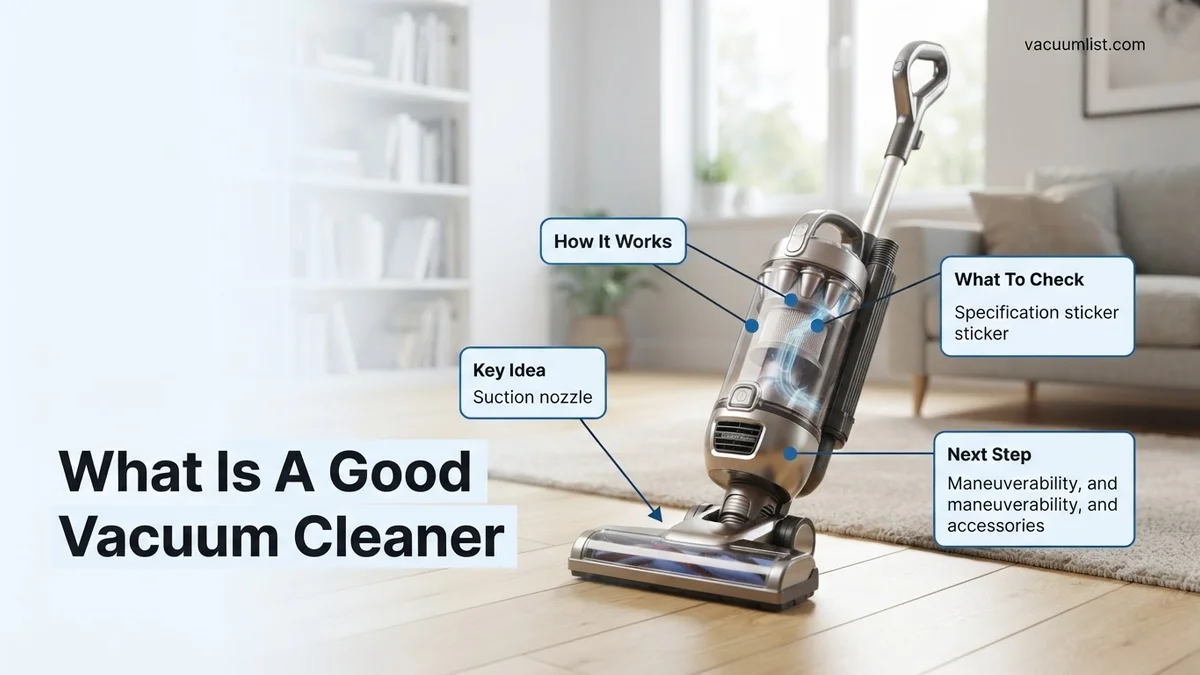
What Causes a Vacuum Cleaner to Fall Short of Your Needs
Mismatched Suction and Flooring Types
The most common reason a vacuum fails is a mismatch between its power delivery and your home surfaces. A lightweight cordless stick vacuum might glide effortlessly across hardwood floors, but it will often lack the deep-down agitation required to pull embedded pet hair out of high-pile carpets. Conversely, a heavy-duty commercial upright might tear delicate area rugs and prove impossible to carry upstairs. You need to match the cleaning mechanism—such as a motorized brush roll versus straight suction—to the dominant flooring in your living space.
- Cordless sticks: Excellent for hard floors, low-pile rugs, and quick daily pickups, but battery fade can reduce peak performance.
- Upright vacuums: Superior deep-cleaning power for wall-to-wall carpets, but cumbersome for stairs and tight spaces.
- Canister vacuums: Highly versatile with great hose reach, though bulky to store and maneuver in small apartments.
Hidden Bottlenecks in Filtration and Capacity
Performance drops rapidly when your vacuum lacks the proper filtration or dustbin capacity for your household size. If you live with allergy sufferers, a vacuum without a sealed HEPA filtration system will simply recirculate microscopic dust and dander back into your breathing air. Furthermore, if your dustbin capacity is under 0.5 liters and you have large shedding pets, you will find yourself emptying the canister three times during a single cleaning session, turning a ten-minute job into a chore.
- Inadequate bin size: Constantly interrupts your workflow in large, high-traffic homes.
- Poor sealing: Allows fine dust to bypass filters, triggering allergies despite cleaning.
- Clog-prone paths: Narrow intake channels jam easily on pet hair or larger debris like cereal.
Master Finding a Good Vacuum Cleaner in 8 Simple Steps
Choosing the right vacuum cleaner can feel overwhelming with countless models, suction metrics, and attachment options flooding the market. This practical walkthrough cuts through the marketing noise to help you evaluate your living space, understand critical machine specifications, and select a reliable vacuum that actually matches your daily cleaning needs.
Step 1: Evaluate Your Flooring Types and Room Layout
What you need: A mental inventory or checklist of the floor types in your home (hardwood, high-pile carpet, tile, area rugs) and the total square footage.
Instructions: Walk through your living space and note the exact percentage of hard floors versus carpets. If your home features heavy plush carpeting, you will need a vacuum with strong brush-roll agitation and adjustable height settings. Conversely, homes dominated by hardwood, laminate, or tile require a specialized soft-bristle floor head or a dedicated parquet tool to sweep debris without scratching sensitive surfaces. High-pile carpets demand deep-cleaning motorized brush rolls, whereas hard floors benefit more from gentle airflow suction.
Pro Tip: Do not buy a deep-carpet specialty vacuum if your home is 90 percent hardwood, as the aggressive brush roll can scatter debris and potentially mar delicate wood finishes.
Step 2: Determine Your Household Allergen and Pet Hair Demands
What you need: Knowledge of any family allergies, asthma sufferers, or shedding pets (dogs, cats, etc.) residing in your home.
Instructions: Assess whether your household deals with fine dust, pollen, or heavy pet dander. If anyone suffers from allergies, a standard vacuum will simply exhaust fine particulates back into the air you breathe. Look exclusively for models featuring a sealed-system design paired with a True HEPA (High-Efficiency Particulate Air) filter, which traps 99.97 percent of microscopic particles down to 0.3 microns. For pet owners, prioritize models with anti-hair-wrap technology or specialized turbo-brush attachments to prevent long pet hairs from tangling tightly around the brush roll.
Pro Tip: Check if the HEPA filter is certified as “sealed.” An unsealed vacuum will leak dirty air through its seams even if it boasts a high-grade HEPA filter inside.
Step 3: Choose Between Cordless Stick, Upright, Canister, and Robotic Designs
What you need: Clear understanding of your physical preferences regarding weight, storage space, and cleaning stamina.
Instructions: Compare the four primary vacuum categories against your lifestyle. Upright vacuums offer massive dust capacity and heavy-duty motor power for large, carpeted homes, but they are heavy to lug up stairs. Cordless stick vacuums provide unmatched grab-and-go convenience and easy maneuverability for quick daily clean-ups, though their batteries typically last only 20 to 60 minutes. Canister vacuums excel on stairs, under low furniture, and across mixed flooring types due to their long hoses and lightweight wands. Robotic vacuums handle autonomous daily maintenance on hard floors and low-pile carpets, perfect for busy professionals.
Pro Tip: If you live in a multi-story home, prioritize a lightweight cordless stick or a versatile canister model to easily carry up and down flights of stairs.
Step 4: Analyze Motor Power, Suction Metrics, and Airflow Dynamics
What you need: Product specification sheets showing Watts, Air Watts, or CFM (Cubic Feet per Minute) ratings.
Instructions: Look past misleading marketing claims of high “horsepower” or voltage. Instead, evaluate the actual cleaning performance by examining Air Watts and CFM ratings, which measure true suction power and airflow efficiency. A good vacuum typically features at least 100 Air Watts for a cordless model and upwards of 250 to 400 Air Watts for a powerful corded upright or canister. Remember that airflow is just as important as static suction; a narrow nozzle with great airflow will pull embedded dirt out of fibers much better than a wide nozzle with stagnant suction.
Pro Tip: Never judge a vacuum solely by its motor wattage. High wattage often indicates poor energy efficiency rather than superior cleaning power.
Step 5: Inspect Filtration Systems and Bagged Versus Bagless Preferences
What you need: Personal preference regarding maintenance frequency and dust exposure limits during emptying.
Instructions: Decide between bagged and bagless containment systems. Bagless vacuums save money on recurring consumables and let you see when the bin is full, but emptying the canister often releases a cloud of dust and allergens right back into your face—a nightmare for allergy sufferers. Bagged vacuums enclose all collected dirt and pet dander inside a sealed disposable bag, ensuring zero-dust disposal and less frequent maintenance of internal filters, though you must factor in the ongoing cost of replacement bags.
Pro Tip: If you have severe asthma or allergies, always opt for a bagged vacuum with self-sealing bag technology to protect yourself during disposal.
Step 6: Evaluate Weight, Maneuverability, and Storage Footprint
What you need: Measuring tape for your storage closet and an awareness of your physical lifting comfort level.
Instructions: Test how the vacuum feels in your hand by checking its total weight and swivel steering mechanism. A good vacuum should glide effortlessly around table legs, corners, and beneath low-profile furniture without straining your wrists or back. If an upright vacuum weighs more than 16 pounds, ensure it features smooth-rolling wheels and easy swivel action. Additionally, measure your designated storage closet or utility room to confirm the vacuum fits comfortably—whether standing upright, wall-mounted, or tucked away with a detached hose.
Pro Tip: Always test-drive a vacuum in-store if possible, paying close attention to how comfortably your hand grips the handle and how easily you can push it forward.
Step 7: Assess Essential Accessories and Specialized Attachments
What you need: List of hard-to-reach areas in your home (e.g., ceiling fans, upholstery, tight crevices, car interiors).
Instructions: Review the attachments included in the box. A truly versatile vacuum should come packaged with a crevice tool for tight spaces, a dusting brush with soft bristles for delicate surfaces like lampshades and blinds, and an upholstery tool for couches and mattresses. If you own pets, verify that a motorized mini-tool is included for stripping embedded pet hair from furniture. Ensure the vacuum has secure on-board storage for these tools so you never have to hunt through a closet mid-clean.
Pro Tip: Avoid buying a vacuum overloaded with dozens of novelty attachments you will never use; instead, ensure the 3 or 4 core tools provided are rugged and well-designed.
Step 8: Review Warranty, Brand Reliability, and Total Cost of Ownership
What you need: Your budget limits and warranty review checklist.
Instructions: Calculate the long-term investment by factoring in the initial purchase price, expected lifespan, warranty coverage, and replacement part costs (filters, belts, bags, or batteries). Reputable brands generally offer a 2-year to 5-year limited warranty, while high-end commercial-grade units may offer up to 7 or 10 years of coverage. Read independent user reviews focusing on long-term durability and customer service responsiveness after 12 to 24 months of regular use.
Pro Tip: Avoid ultra-cheap, unbranded online vacuums that lack readily available replacement filters or customer service centers, as they frequently become disposable e-waste within a single year.
✅ Final Checklist
- Confirmed the vacuum matches your exact flooring mix (hardwood vs. carpet).
- Verified the inclusion of a sealed True HEPA filter if family members suffer from allergies.
- Selected a containment style (bagged vs. bagless) that prevents dust exposure during emptying.
- Checked motor airflow metrics, overall weight, and maneuverability for your living space.
- Confirmed warranty coverage of at least 2 years and verified availability of replacement parts.
Important Notes:
- Always unplug corded vacuums before performing any maintenance, filter washing, or hair removal from brush rolls.
- If your vacuum loses suction suddenly, inspect the hose and filters for clogs before assuming the motor has failed.
- Estimated time to research and select a quality vacuum: 1 to 2 hours. Expected budget range: $150 to $600+ depending on features and build quality.
How to Choose and Fix Your Search for the Best Vacuum Cleaner
Matching Use Cases to Top 2026 Categories
Stop searching for a generic “best” model and instead focus on the category that solves your specific cleaning pain points. The 2026 vacuum market is heavily specialized, meaning you will get vastly superior results by choosing a purpose-built machine. Identify your primary constraint—whether it is budget, pet hair, or whole-home reach—and target that specific device class.
- Best Overall for 2026: Look for premium hybrid cordless models offering at least 60 minutes of fade-free runtime and intelligent suction adjustment.
- Best for Pets: Prioritize anti-tangle brush rolls and motorized mini-tools designed to pull hair off upholstery.
- Best Budget: Stick to corded stick vacuums or reliable bagged uprights under $150 that skip smart features for raw cleaning power.
Evaluating Essential Specs Before You Buy
Before purchasing any vacuum cleaner, check the manufacturer specifications against your daily cleaning realities. Do not rely solely on wattage ratings, as modern brushless motors achieve high suction efficiency with lower power draws. Instead, evaluate the practical metrics that dictate how pleasant the machine is to use.
- Air Watts or Suction Power: Ensure the model provides variable power modes for transitions between hard floors and thick rugs.
- Run Time vs. Charge Time: For cordless options, verify that eco-mode provides enough time for your average clean, and check if spare batteries are available.
- Included Attachments: Crevice tools, dusting brushes, and flexible hoses save you from buying expensive third-party accessories later.
Step-by-Step Guide to Matching Vacuums with Floor Types
Choosing the right machine for your home requires matching suction technology to your specific flooring materials. According to the Carpet and Rug Institute (CRI), utilizing the incorrect brushroll type can accelerate wear on delicate fibers or leave embedded dirt trapped deep within the backing.
Matching Hardwood and Tile Surfaces
Hard flooring requires specialized tools to prevent scratching while capturing fine dust particles from grout lines. The EPA recommends hard floor attachments featuring soft nylon bristles or microfiber strips. These components agitate surface debris gently without scattering lightweight particles across the room.
Matching Medium to High-Pile Carpets
Deep carpets demand motorized brushrolls with adjustable height settings to maintain proper airflow. Consumer testing data reveals that upright vacuums with active brush shutoffs perform best on plush carpets by preventing the motor from stalling. Follow these steps to optimize deep-carpet performance:
- Adjust the cleaning head height until the bristles lightly graze the carpet surface without bogging down the motor.
- Engage the high-suction mode for dense fibers or switch to low-power settings for delicate wool rugs.
- Execute slow, overlapping passes to allow the motorized brushroll adequate time to lift embedded pet hair and dirt.
What If It Still Doesn’t Work?
If your newly purchased vacuum fails to clean effectively despite proper floor-type matching, mechanical or airflow obstructions are usually the culprit. Advanced diagnostic standards from major appliance manufacturers outline systematic troubleshooting protocols for persistent suction loss.
- Inspect all hoses, extension wands, and connection points for hidden clogs caused by large debris or compacted dust.
- Wash or replace pre-motor and HEPA filters according to the manufacturer schedule, as blocked filters restrict airflow by up to 70 percent.
- Examine the brushroll for wrapped hair and string that can stall the belt and prevent agitation.
- Check the motor housing and exhaust ports for signs of overheating or burning odors, which indicate internal electrical failure.
- Contact an authorized service center if internal motor replacement is required, with professional repair costs typically ranging from $80 to $200 depending on the brand.
Conclusion
Identifying what makes a good vacuum cleaner in 2026 relies on balancing sealed filtration systems, verified suction power, and proper floor-type compatibility. When your machine is correctly matched to your home environment, cleaning efficiency increases significantly while allergen exposure drops. According to verified research and expert sources from the Air Quality Association, investing in a certified appliance directly improves indoor air quality. Take the next step today by auditing your home flooring layout and selecting a vacuum model that meets stringent filtration and suction standards.
❓ Frequently Asked Questions
What is the difference between bagged and bagless vacuums?
Bagged vacuums trap dust securely inside a sealed pouch, making disposal hygienic and ideal for allergy sufferers. Bagless vacuums use clear plastic bins that require frequent emptying but save ongoing money on replacement bags.
How often should I clean or replace my vacuum filters?
Washable foam filters should typically be rinsed every month and allowed to dry completely for 24 hours. True HEPA filters that are not washable generally need replacement every 12 to 18 months.
Do robot vacuums replace traditional vacuums completely?
Robot vacuums excel at daily maintenance on hard floors and low-pile carpets, but they usually lack the deep suction power required for heavily soiled thick carpets or stairs.
Why does my vacuum lose suction during use?
Suction loss is usually caused by a blocked hose, a full dust bin, or a clogged filter restricting airflow. Regularly checking and clearing these components restores peak performance.
What attachments are actually useful on a vacuum cleaner?
Crevice tools for tight corners, upholstery tools for furniture, and motorized mini-brush rolls for stairs and pet beds deliver the most practical everyday value.
How can I make my vacuum cleaner last longer?
Prevent motor burnout by regularly emptying the dust bin, cleaning hair wrapped around the brush roll, and washing or replacing dirty filters on schedule.