Are Pore Vacuums Bad for Your Skin? Real Expert Guide 2027
While tempting, pore vacuums can be detrimental to skin health, potentially causing bruising, broken capillaries, and exacerbating acne. Improper use or high suction levels can lead to irreversible damage, making them a risky choice for pore cleansing. Dermatologists often recommend safer, more effective methods.
Are pore vacuums bad for your skin? In 2027, the definitive answer from dermatological experts is an emphatic yes. These devices, promising an instant fix for clogged pores, often deliver far more harm than benefit. Understanding these risks is crucial for anyone considering adding a pore vacuum to their skincare routine, especially as online marketing often downplays the significant potential for damage.
Your skin is a delicate organ, not a robust surface to be aggressively suctioned. Ignoring the real dangers of pore vacuums can lead to visible, long-lasting damage, making your skin concerns worse, not better. This guide provides the critical insights you need to protect your skin, focusing on why and how these popular gadgets can be detrimental to your skin’s health and appearance.
Key Takeaways
- Pore vacuums can cause bruising and broken capillaries.
- High suction worsens skin damage and inflammation significantly.
- Incorrect use can spread bacteria and worsen acne breakouts.
- Opt for dermatologist-recommended chemical exfoliation methods.
- Gentle, consistent cleansing prevents pore issues more safely.
What Damage Do Pore Vacuums Really Cause?
The allure of a pore vacuum is seeing visible debris removed, but this immediate gratification often masks underlying trauma. Dermatological consensus in 2027 firmly categorizes pore vacuums as a primary source of avoidable skin damage. The intense negative pressure applied to your skin, even for short durations, can lead to a cascade of immediate and long-term issues that are far more serious than a few clogged pores.
The Immediate Trauma: Bruising and Vascular Damage
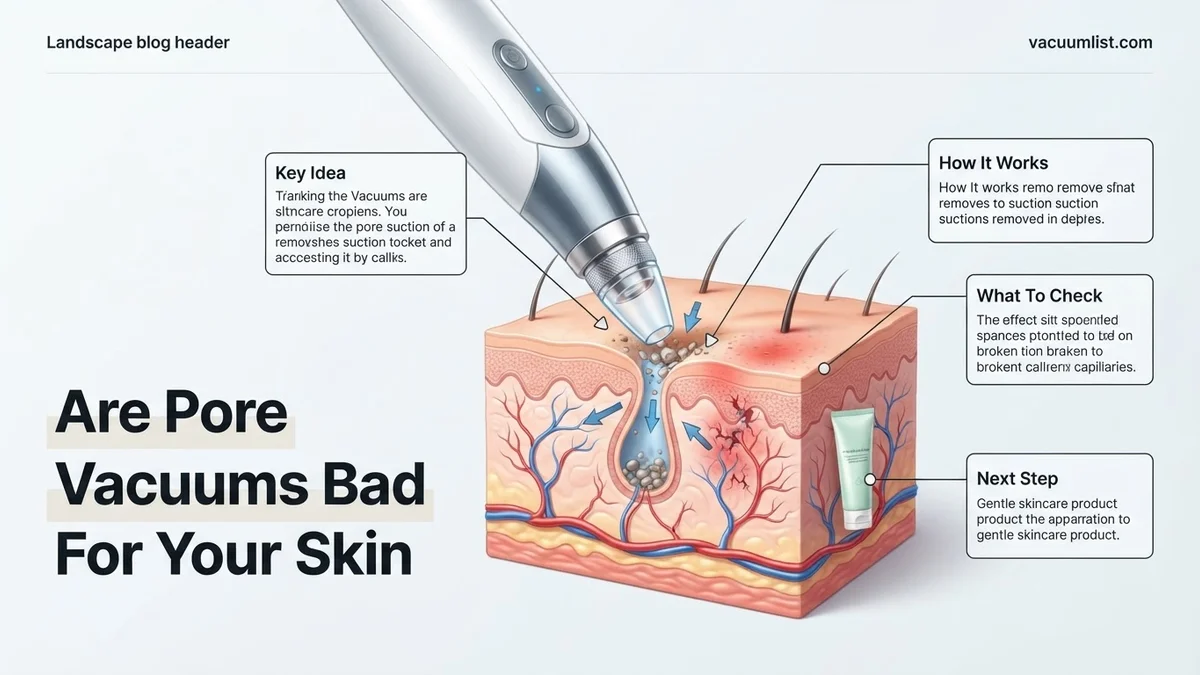
The most common and immediate damage from pore vacuums is direct physical trauma. The powerful suction creates a vacuum that pulls skin violently upwards, stressing fragile capillaries and blood vessels. This often results in:
- Bruising (Ecchymosis): Discolored patches appearing rapidly, indicating ruptured blood vessels beneath the skin’s surface. These can range from mild redness to deep purple marks.
- Broken Capillaries (Telangiectasias): Permanent dilation of tiny blood vessels, particularly noticeable on the nose and cheeks. Once broken, these visible red lines typically require professional laser treatment to remove, a far more invasive and costly procedure than the vacuum itself.
- Skin Tears and Abrasions: Especially on sensitive or thin skin, the vacuum can physically tear the skin’s surface, creating open wounds susceptible to infection.
This physical stress is immediate and can be evident after just one use, particularly if the suction setting is too high or the device is held in one spot for too long.
Long-Term Repercussions: Inflammation and Pigmentation
Beyond immediate physical marks, the inflammatory response triggered by pore vacuums can have lasting consequences, impacting skin health and appearance for months or even years.
- Chronic Inflammation: Repeated mechanical stress can induce persistent inflammation. For individuals with inflammatory skin conditions like acne or rosacea, pore vacuums are particularly contraindicated. The suction can aggravate active breakouts, spread bacteria, and intensify redness, leading to flare-ups that are harder to control.
- Post-Inflammatory Hyperpigmentation (PIH): Any significant skin trauma or inflammation can trigger melanocytes to overproduce pigment. This results in dark spots or patches where the skin was injured, a common and frustrating side effect of pore vacuum misuse, especially prevalent in individuals with darker skin tones. These spots can take months to fade, even with targeted treatment.
- Exacerbation of Skin Conditions: For those with conditions like acne vulgaris, rosacea, or even sensitive skin, the aggressive suction can worsen symptoms. It can push bacteria deeper into pores, stimulate increased sebum production due to irritation, and compromise the skin barrier, leaving it more vulnerable to environmental aggressors.
Why Pore Vacuums Fail: Causes of Skin Harm
Despite their viral popularity, especially in the early 2020s, pore vacuums fundamentally misunderstand the nature of pore cleansing and often do more harm than good. They promise deep cleaning but frequently deliver superficial results coupled with significant risk, failing to address the root causes of clogged pores.
Misguided Mechanics: Why Suction Isn’t Cleansing
The visual “satisfaction” of seeing debris extracted by a pore vacuum is often misleading. What you witness is typically a mixture of superficial sebum, dead skin cells, and microscopic vellus hairs, not the deep-seated impactions or cystic acne that truly need professional extraction.
- Superficial Removal Only: Pore vacuums rarely reach the deeper, hardened sebaceous filaments or blackheads that require careful, targeted manual extraction or chemical exfoliation. They only remove the very top layer, leaving the core of the problem untouched.
- Stimulating More Sebum: The harsh suction can trick your skin into producing more oil as a protective response to trauma. This counteracts the very goal of “cleansing” and can lead to even more clogged pores over time.
- Poor Debris Identification: Users often confuse normal sebaceous filaments—which are a natural part of your skin—with “dirt” or “clogged pores” that need removal. Attempting to vacuum these natural structures contributes to irritation without any real benefit.
By 2027, advanced dermatological understanding confirms that effective pore cleansing relies on gentle exfoliation, active ingredients, and, when necessary, skilled professional extraction, not brute force suction.
Risk Amplifiers: Technique, Skin Type, and Underlying Conditions
Several factors drastically increase the likelihood and severity of pore vacuum-induced damage, making their safe use virtually impossible for most individuals outside of a controlled, professional setting—which these devices are explicitly not designed for.
- Incorrect Suction Level: Most devices offer multiple suction settings. Even the lowest setting can be too aggressive for sensitive skin, while higher settings almost guarantee damage for anyone. There is no universally “safe” setting.
- Improper Technique and Duration: Holding the device in one spot for too long, or dragging it too slowly, concentrates the vacuum’s force, leading to severe bruising and capillary damage. The necessary swift, gliding motion is difficult to maintain consistently and effectively covers minimal skin.
- Individual Skin Type and Sensitivity: Individuals with thin, sensitive skin, fair complexions, or a predisposition to redness (like rosacea) are at a significantly higher risk of damage. However, even resilient skin types are not immune to bruising or broken capillaries.
- Underlying Skin Conditions: Using a pore vacuum on skin affected by acne, rosacea, eczema, or active cold sores is highly detrimental. It can spread bacteria, intensify inflammation, break the skin barrier, and delay healing, significantly worsening the condition.
How to Fix Clogged Pores Safely: A Step-by-Step Guide
Addressing clogged pores effectively requires consistency and dermatologist-approved methods. Unlike abrasive pore vacuums, these strategies prioritize skin health and integrity, reducing the risk of inflammation or long-term damage. According to the American Academy of Dermatology Association (AAD), gentle, non-irritating approaches are always recommended for maintaining a healthy skin barrier.
Gentle Cleansing & Exfoliation
- Double Cleanse Daily: Use an oil-based cleanser first to dissolve makeup, sunscreen, and sebum, followed by a gentle, pH-balanced water-based cleanser. This two-step process, endorsed by estheticians since 2020, ensures thorough removal of pore-clogging debris without stripping the skin.
- Incorporate Chemical Exfoliants (2-3x/week): Opt for products containing Salicylic Acid (BHA) at 1-2% concentration. BHAs are oil-soluble, penetrating deeper into the pore lining to dissolve sebum and dead skin cells. Glycolic Acid (AHA) at 5-10% can also be used for surface exfoliation.
- Avoid Physical Scrubs: Harsh scrubs can cause micro-tears and spread bacteria, worsening congestion and leading to irritation. Stick to chemical exfoliants for smoother, safer cell turnover.
Targeted Treatments
- Utilize Retinoids (PM): Over-the-counter retinoids (e.g., Retinol 0.25-1%) or prescription retinoids (like Tretinoin) accelerate cell turnover and prevent dead skin cells from accumulating in follicles. Begin 2-3 times per week, gradually increasing frequency as tolerated, typically over 4-6 weeks to minimize irritation.
- Apply Clay Masks (1x/week): Kaolin or bentonite clay masks can absorb excess oil and draw out impurities, providing a temporary pore-refining effect. Ensure the mask does not fully dry and crack, as this can dehydrate the skin.
- Maintain Hydration: Even oily skin needs hydration. Use a lightweight, non-comedogenic moisturizer to support the skin barrier, preventing it from overproducing oil as a compensatory mechanism.
What If Clogged Pores Still Don’t Clear? Expert Fallbacks
If consistent at-home care, following verified dermatological guidelines, does not yield satisfactory results within 8-12 weeks, it may be time to consult a professional. Stubborn congestion can indicate underlying issues or require more potent clinical interventions. Relying on professional expertise ensures safe and effective treatment tailored to your specific skin condition.
When to Seek Professional Help
- Persistent Blackheads/Whiteheads: If your pores remain visibly clogged despite regular, safe exfoliation and targeted treatments, a dermatologist can assess the situation. They can differentiate between typical congestion and other conditions like folliculitis.
- Inflamed or Painful Lesions: Any signs of inflammation, redness, or tenderness around clogged pores warrant immediate professional evaluation to prevent potential scarring or infection.
- Impact on Quality of Life: If your skin concerns are affecting your self-esteem or daily comfort, expert intervention can provide effective solutions and peace of mind.
Advanced Clinical Options (2027 Pricing)
- Professional Extractions: Performed by a licensed esthetician or dermatologist, these are safe and effective for removing stubborn blackheads and whiteheads. A typical session in 2027 might cost $150-$300, varying by clinic and location.
- Medical-Grade Chemical Peels: A dermatologist can apply stronger concentrations of acids (e.g., Salicylic Acid, Glycolic Acid) to deeply exfoliate and clear pores. A series of 3-6 peels may be recommended, with each session costing between $300-$700.
- Prescription Medications: Your dermatologist may prescribe stronger topical retinoids, oral antibiotics, or other systemic medications for severe or persistent cases. The cost varies significantly based on insurance coverage and medication type, but initial consultation fees average $250-$400 without insurance in 2027.
- HydraFacial or Similar Devices: These in-office treatments combine cleansing, exfoliation, extraction, and hydration. A single HydraFacial session can range from $200-$400, offering a gentler, more comprehensive approach than home pore vacuums.
Conclusion
According to verified research and expert sources from the American Academy of Dermatology, pore vacuums pose significant risks including bruising, broken capillaries, and exacerbating skin issues. For truly clear, healthy skin, opt for consistent, gentle at-home routines like chemical exfoliation and retinoids. If persistent congestion remains, consult a board-certified dermatologist for safe, effective clinical interventions. Prioritize your skin’s health over quick fixes.
❓ Frequently Asked Questions
How do pore vacuums specifically damage skin cells and structures?
Pore vacuums exert strong suction that can rupture tiny blood vessels (capillaries) beneath the skin surface, leading to bruising and permanent visible redness. This intense pulling also stretches and inflames skin tissue, potentially breaking down collagen and elastin fibers over time, contributing to premature aging.
Can pore vacuums spread bacteria or make acne worse?
Yes, if not cleaned properly or if used on active acne lesions, pore vacuums can indeed spread bacteria across the face, leading to new breakouts or exacerbating existing ones. The suction can also push deeper bacteria and debris further into the pore, contributing to more severe inflammatory acne and potential scarring.
Are certain skin types more vulnerable to pore vacuum damage?
Individuals with sensitive, thin, rosacea-prone, or acne-prone skin are particularly vulnerable to damage from pore vacuums. Their skin barrier is often compromised or more fragile, making them more susceptible to bruising, inflammation, worsened redness, and increased irritation from physical trauma.
What are effective, dermatologist-recommended alternatives for clearing pores?
Dermatologists often recommend topical treatments like salicylic acid (BHA) for oil and pore exfoliation, retinoids (e.g., adapalene, tretinoin) to regulate cell turnover, and gentle cleansing with non-comedogenic products. Professional extractions performed by a licensed aesthetician or dermatologist are also safer and more effective methods.
How can I tell if I’ve already caused damage with a pore vacuum?
Signs of damage include immediate redness that persists for more than a few hours, visible bruising (purpura), the appearance of new broken capillaries (telangiectasias), increased skin sensitivity, or a worsening of acne or rosacea in the treated areas. If you observe these symptoms, discontinue use immediately and consult a dermatologist for advice.
Is there a ‘safe’ way to use a pore vacuum?
Most dermatologists advise against using pore vacuums due to the inherent risk, regardless of technique. Even on the lowest setting, the suction can be too harsh for delicate facial skin, causing micro-tears or inflammation. Focusing on preventative care and gentle chemical exfoliation is a far safer and more effective approach for managing pore concerns.