How To Open Bissell Dirty Water Tank: Step-By-Step Guide
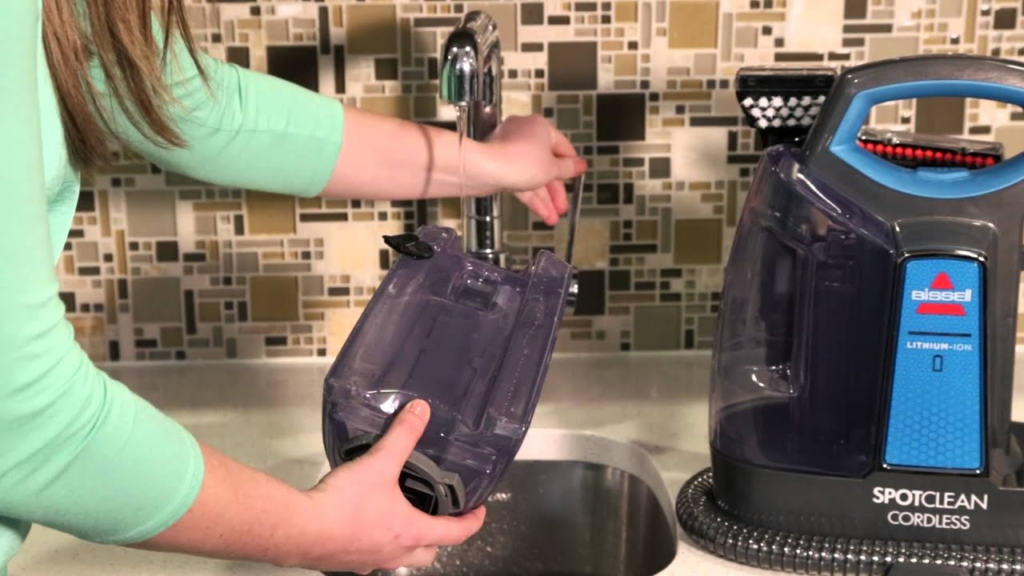
Press the tank release, lift the dirty tank straight out, then unlatch and empty.
If you want a clean, odor-free machine, you must know how to open Bissell dirty water tank the right way. I have cleaned with Bissell machines for years in homes and rentals. In this guide, I will show you simple steps, clear fixes, and model tips. You will learn safe ways to open, empty, and reassemble the tank without leaks or mess.
Source: bissell.com
Why the dirty water tank matters
The dirty water tank holds soil, hair, and cleaning solution. If you leave it full, smells build up fast. Mold can form on the float and seal. Suction can also drop.
Learning how to open Bissell dirty water tank is the first step to a smooth clean. It also keeps your home safe. You avoid drips, spills, and damage to floors.
Many Bissell models share the same parts. There is a release button or latch. There is a carry handle. There are side clips or tabs to open the lid. There is a gasket that must sit flat to stop leaks.
Safety and setup before you open the tank
Follow this quick prep. It saves time and stress.
- Unplug the machine to avoid shocks or spills.
- Move to a sink, tub, or a floor with a towel.
- Wear light gloves if you have sensitive skin.
- Have a small brush, warm water, and paper towels ready.
- Take a quick photo of the tank and lid. It helps during reassembly.
If you must teach someone else how to open Bissell dirty water tank, share these steps first. Good setup is half the job.
Step-by-step: how to open Bissell dirty water tank
Here is the simple path I use in homes and on job sites. Use your model type below to match the exact latch and motion. The core steps are the same for most units.
- Press the tank release or pull the tank handle. Lift the dirty tank straight out.
- Set it in the sink. Keep it level to avoid spills.
- Release the side latches or top tab. Lift off the lid.
- Remove any strainer or float piece, if present.
- Empty the dirty water. Rinse the tank, lid, and gasket.
- Reinstall parts. Close the lid. Press until you hear a click.
- Slide the tank back into the machine. Press until it locks.
This is how to open Bissell dirty water tank on most models. Still, each family has a small twist. See the quick notes below.
Portable spot cleaners: Little Green, SpotClean, SpotClean Pro
- Lift the carry handle to remove the tank. Some units have a release button near the top.
- Pop the front latch or side tabs. The lid comes off for emptying and rinsing.
- Check the float stack and the black or gray gasket. Seat them flat when you close.
My weekly routine with a Little Green is fast. I press the release, lift, unlatch, rinse, and click shut. It takes two minutes.
Upright carpet cleaners: ProHeat, ProHeat 2X Revolution, TurboClean
- Pull the dirty tank handle forward. Lift up and out of the base.
- Open the side clips. Remove the lid. Empty and rinse.
- Wipe the base where the tank sits. Hair can block the seal.
On my ProHeat 2X, grit hides under the tank rim. A quick wipe keeps the seal tight.
CrossWave and wet dry models
– Press the tank release near the back. Pull the dirty tank straight out.
- Remove the strainer at the top. Toss debris in the trash.
- Twist off the cap if present. Rinse the tank and strainer. Refit until you hear a click.
This is still how to open Bissell dirty water tank, just with an extra strainer step.
Model-specific notes and part names
These small details help when a latch feels stuck.
- Little Green and SpotClean. The release is near the top handle. Latch tabs sit on the sides of the lid. The float valve is under the lid. Keep it clean to stop auto-shutoff too soon.
- ProHeat 2X Revolution. The dirty tank slides out from the base. Two side clips hold the lid. The main gasket sits in a groove. Seat it even to stop drips.
- CrossWave. The dirty tank has a red or gray release button. A mesh strainer catches pet hair. Empty the strainer before you rinse.
If you search how to open Bissell dirty water tank for your exact model, use terms like release button, side latch, float valve, and tank gasket. These match the words in most manuals.
Emptying, cleaning, and deodorizing the tank
Emptying is not enough. A fast clean keeps smells away and suction strong.
- Rinse right away. Warm water loosens soap film and fine grit.
- Clean the strainer. Tap it over a trash can. Rinse from the back to the front.
- Brush the lid and corners. A soft brush gets into seams and around the float.
- Deodorize once a week. Add a splash of white vinegar. Rinse well.
- Dry the gasket. Wipe it. Let the tank air dry with the lid off.
I learned this after a summer of pet jobs. If I skip the strainer, odors return in a day. If I rinse at once, the tank stays fresh.
This care links back to how to open Bissell dirty water tank. A clean open is a quick open.
Fixing stuck latches, leaks, and odors
These are the most common problems I see, with simple fixes.
Stuck latch or tab
- Rinse warm water over the latch. Soap film softens and releases.
- Press in, then lift up. Do not pry with metal tools.
- Use a plastic card to guide the tab free if needed.
Lid will not seat or leaks
- Check the gasket for twists. Seat the gasket flat in its groove.
- Remove hair or grit from the rim. Wipe the base where the tank locks in.
- Close until you hear a click. A soft click means the latch is set.
Odors that linger
- Deep clean with warm water and vinegar. Then rinse twice.
- Dry with the lid off. Moisture is the odor source.
- If smell stays, replace the gasket or strainer. They hold old odors.
Float shuts off too soon
- The float can stick when dirty. Rinse and move it by hand to free it.
- Make sure the tank is seated all the way in the base.
These fixes go hand in hand with how to open Bissell dirty water tank. A smooth open means fast cleanup and less wear.
Care tips, storage, and warranty-safe habits
Small habits keep parts strong and your warranty safe.
- Empty and rinse the dirty tank after each use. Do not store with water inside.
- Use only water and mild cleaners the brand allows. Avoid harsh chemicals.
- Keep the tank out of direct sun. Heat can warp the lid and gasket.
- Check the gasket each month. Replace if cracked or loose.
- Store the machine with tanks dry and seated. This keeps shapes true.
I follow these steps on my units and client machines. They make how to open Bissell dirty water tank fast and stress free the next time.
Frequently Asked Questions of how to open bissell dirty water tank
How often should I empty and rinse the dirty water tank?
Empty and rinse after every use. If you pause during a long job, empty mid-way to avoid smells and foam buildup.
Why does my tank leak after I close it?
Most leaks come from a twisted gasket or debris on the rim. Remove the gasket, clean both surfaces, seat it flat, and close until you hear a click.
Can I use soap or bleach inside the dirty tank?
Use mild dish soap for buildup, then rinse well. Do not use bleach unless the manual states it is safe, since it can harm seals.
What if the release button does not move?
Unplug the unit and run warm water over the button area to loosen residue. Press and release a few times, then try lifting the tank straight out.
How do I know my tank is locked back in place?
You will feel a firm seat and hear a click. Gently pull up; if it does not lift, it is locked.
Does the advice change for pet models?
Pet models often include a hair strainer. Empty the strainer first, then open the lid and rinse as normal.
How can I stop bad smells long term?
Rinse right after use, dry with the lid off, and clean the strainer. A weekly vinegar rinse keeps odors from building up.
Conclusion
You now know how to open Bissell dirty water tank with speed and care. Unplug, release, lift, unlatch, rinse, and click back in. Keep the gasket clean and the strainer clear. Most issues fade when you follow these simple steps.
Put this guide to work on your next clean. Share it with a family member so they can handle the tank too. Want more bite-size care tips for better suction and fresh scent? Subscribe and drop your questions so I can help solve them next.