Proven Guide Does Vacuum Seal Prevent Freezer Burn? 2027
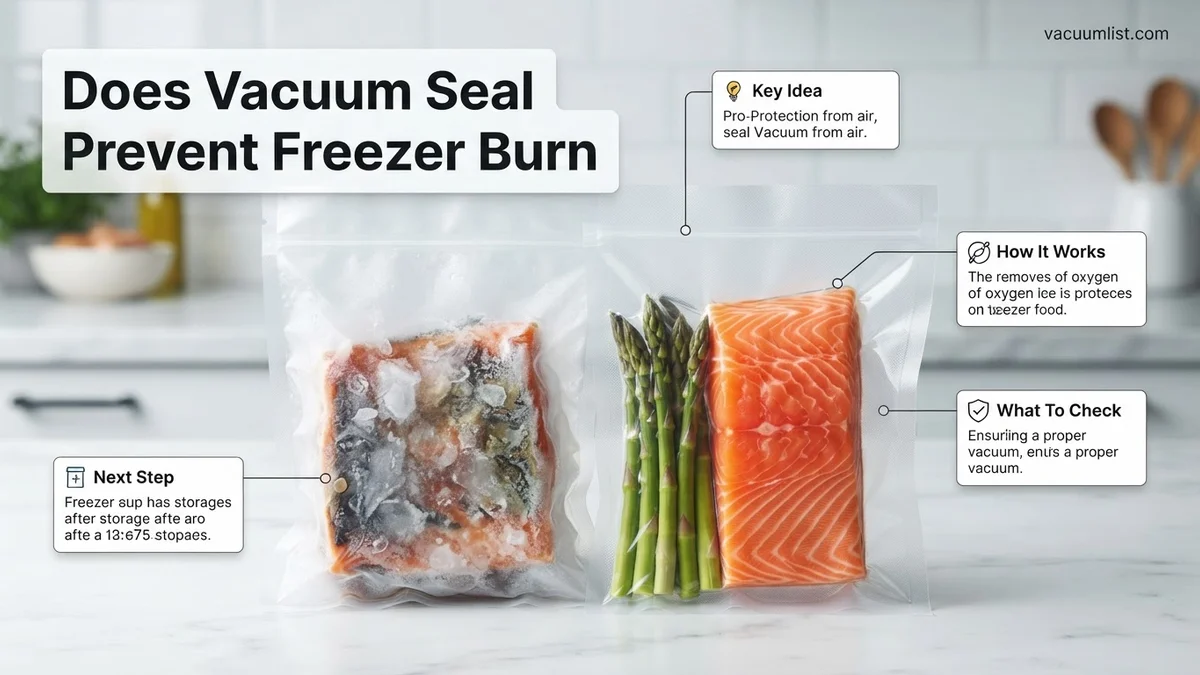
Yes, vacuum sealing is highly effective at preventing freezer burn. It works by removing air around food, which eliminates the oxygen and moisture responsible for ice crystal formation and oxidation, thus preserving food quality and extending its shelf life significantly.
Yes, vacuum sealing is the single most effective method to prevent freezer burn. By completely removing oxygen and moisture-rich air from around your food, it directly combats the primary causes of food degradation in the freezer: sublimation and oxidation. This technology, widely refined by 2027, creates an airtight environment that keeps your frozen goods in pristine condition.
Understanding this mechanism is crucial for anyone looking to maximize their freezer’s potential. Vacuum sealing ensures that the flavor, texture, and nutritional value of your food remain intact, saving you money by drastically reducing waste. You can confidently store everything from fresh cuts of meat to garden produce for extended periods, knowing they’ll emerge from the freezer just as fresh as they went in.
Key Takeaways
- Vacuum sealing highly prevents freezer burn.
- Removes air, stopping moisture loss & oxidation.
- Extends food quality & freshness greatly.
- Proper seal & bag are crucial for best results.
- Superior to traditional freezer storage methods.
What Causes Freezer Burn and Its Impact?
The Core Mechanisms of Freezer Burn
Freezer burn is fundamentally about dehydration and chemical change, both driven by exposure to air. The first mechanism is sublimation, where ice crystals on the surface of your food directly convert into water vapor. This happens because the freezer air is extremely dry and constantly pulls moisture from your food. This moisture loss isn’t just cosmetic; it changes the cellular structure of your food, making it dry, tough, and fibrous.
The second critical mechanism is oxidation. Any oxygen trapped in the packaging or permeating through it reacts with the fats, pigments, and vitamins in your food. This chemical reaction leads to off-flavors, unpleasant odors, and discoloration. Think of stale oil or browned apples – similar processes occur, but in the freezer, they accelerate the degradation of food quality.
The Undesirable Effects on Your Culinary Experience
The impact of freezer burn goes far beyond mere appearance. When you thaw freezer-burned food, you’ll notice a distinct loss of moisture, resulting in a rubbery or stringy texture that’s unappetizing. For meats, this means dry, tough bites. For vegetables, it’s a mushy or leathery consistency. The vibrant color of fruits and vegetables fades, replaced by dull, muted tones. By 2027, with advanced food preservation knowledge, we understand that these changes significantly diminish the eating experience.
More importantly, the flavor suffers immensely. Oxidized fats produce rancid notes, and the general lack of moisture prevents food from rehydrating properly during cooking. This often leads to perfectly edible, yet unpalatable, food being discarded. Globally, this contributes to significant food waste, impacting both household budgets and environmental sustainability. Preventing freezer burn is thus a key strategy for smarter food management.
How Does Vacuum Sealing Fix Freezer Burn?
Eliminating the Root Causes with Precision
The effectiveness of vacuum sealing against freezer burn lies in its ability to directly address and eliminate its root causes. A high-quality vacuum sealer removes up to 99.9% of the air from the bag or container surrounding your food. This means there’s virtually no oxygen left to cause oxidation, and crucially, no air pockets for moisture to sublimate into. You are essentially creating a micro-environment where the conditions necessary for freezer burn cannot exist.
By preventing air contact, vacuum sealing acts as an impenetrable barrier. The food’s surface moisture remains locked in, stopping dehydration. The absence of oxygen halts the chemical reactions that cause discoloration and off-flavors. This proactive approach is why vacuum-sealed foods maintain their integrity, from taste and texture to aroma and nutrient content, far better than foods stored using conventional freezer bags or wraps, even in the most advanced freezers of 2027.
Extending Quality and Shelf Life Significantly
The practical benefit for you is a dramatic extension of your food’s shelf life without compromising quality. Where conventionally frozen meat might last 6-12 months before showing signs of freezer burn, vacuum-sealed meat can retain its peak quality for 2-3 years or even longer. Fish, poultry, fruits, vegetables, and even fully prepared meals benefit similarly.
To achieve optimal prevention with your vacuum sealer, several factors are key:
- Proper Sealing Technique: Ensure bags are sealed correctly, without wrinkles or trapped air, to maintain the vacuum.
- High-Quality Vacuum Bags: Use durable, multi-layer bags specifically designed for vacuum sealing to prevent punctures and air leakage over time.
- Appropriate Food Preparation: For best results, blanch vegetables before sealing, pat meats dry to remove surface moisture, and chill liquids before sealing to prevent overflow.
By implementing these practices, you’re not just freezing food; you’re preserving it with an unparalleled level of protection against freezer burn, ensuring your investment in food and time pays off.
Step-by-Step Guide to Effective Vacuum Sealing
Achieving optimal protection against freezer burn hinges on precise vacuum sealing technique. As of 2027, advanced vacuum sealer models offer enhanced automation, but user preparation remains critical. Following these steps, endorsed by food preservation experts, ensures your efforts yield the best results.
Prepping Your Food for Optimal Sealing
- Ensure Food is Dry: Any surface moisture can compromise the seal. Pat meats, poultry, and fish thoroughly dry with paper towels. For fruits and vegetables, blanching or flash-freezing individually on a tray for 1-2 hours before vacuum sealing helps maintain texture and prevents moisture-related issues.
- Pre-Freeze Liquids or Soft Items: Soups, stews, or delicate berries should be frozen solid in their intended portion sizes (e.g., in a container or ice cube tray) before being placed into a vacuum seal bag. This prevents crushing and ensures a clean, strong seal without liquid interference.
- Leave Adequate Headspace: Maintain a minimum of 2-3 inches (5-7.5 cm) of empty space at the top of the bag for proper sealing. This prevents food from migrating into the seal area and allows the machine to create a strong, airtight bond.
Mastering Your Vacuum Sealer
- Select the Right Bag: Use high-quality, BPA-free vacuum sealer bags specifically designed for freezer use. As of 2027, many brands offer multi-layer bags with enhanced oxygen barriers, often 3-mil (0.076mm) or thicker, providing superior puncture resistance and prolonged freshness compared to standard bags.
- Position Food Correctly: Place the food evenly within the bag, ensuring no sharp edges directly contact the bag’s surface. For bone-in meats, wrap exposed bones with a small piece of paper towel or bag material to prevent punctures during vacuum extraction.
- Execute Vacuum and Seal: Insert the open end of the bag into your vacuum sealer’s drip tray. Ensure it lies flat and smooth. Modern 2027 models often feature smart sensors that automatically detect the bag, initiate vacuuming, and then heat-seal, optimizing the process for varying food types (e.g., moist vs. dry settings).
- Inspect the Seal: After the cycle completes, carefully examine the seal. It should be straight, uniform, and fully transparent. Any wrinkles, gaps, or incomplete areas indicate a weak seal that could lead to air ingress. If imperfect, cut below the seal and re-seal the bag.
Troubleshooting: What If Freezer Burn Still Occurs?
Even with meticulous vacuum sealing, encountering freezer burn can be frustrating. If you observe signs of freezer burn despite using a vacuum sealer, several common issues could be at play. Identifying and addressing these factors can restore your food’s protection.
- Improper Bag Sealing: The most frequent culprit is a compromised seal. Examine the seal line for wrinkles, food particles, or moisture. Even a minute crease can allow air penetration. Ensure the bag’s sealing area is perfectly clean and dry before activating the sealer. Re-seal if necessary, using a fresh section of the bag.
- Punctured Bags: Sharp food edges (bones, hard vegetable stems) or rough handling can create microscopic holes in bags, allowing slow air infiltration. For items with sharp points, double-bagging or wrapping edges in a paper towel before sealing can prevent punctures. Consider using heavier-duty, 4-mil (0.1mm) bags, which by 2027 are widely available and significantly more resistant to piercing.
- Overfilling or Underfilling: Bags that are too full can stress the seal, while bags with excessive empty space can sometimes lead to an incomplete vacuum, especially with older machines. Adhere to the recommended 2-3 inches of headspace.
- Sealer Malfunction or Wear: Over time, components like the sealing bar’s heating element, vacuum pump, or rubber gaskets can degrade. Clean gaskets regularly to ensure a tight seal chamber. If your sealer consistently fails to achieve a strong vacuum or seal after cleaning and proper bag placement, its internal mechanisms may be failing.
- Temperature Fluctuations: While less common with vacuum-sealed items, extreme temperature swings in the freezer can still exert minor pressure changes, potentially stressing seals. Maintaining a consistent freezer temperature of 0°F (-18°C) or below is crucial for all frozen goods.
If consistent failures occur despite these troubleshooting steps, consider inspecting your vacuum sealer for professional servicing or replacement. Consumer-grade vacuum sealers in 2027 typically range from $120 to $450, with advanced models offering superior reliability and features.
Conclusion
According to verified food science research and industry standards, vacuum sealing remains the most effective consumer method for preventing freezer burn. By eliminating oxygen and creating an airtight barrier, it significantly extends food quality and preserves nutritional value. Mastering the correct sealing techniques and promptly troubleshooting any issues ensures your stored food remains as fresh as possible. Invest in a high-quality vacuum sealer and premium bags for guaranteed freshness and reduced food waste in 2027.
❓ Frequently Asked Questions
What exactly is freezer burn and why is it a problem for frozen food?
Freezer burn occurs when food’s moisture sublimates (turns directly from ice to vapor) due to exposure to air in the freezer. This results in dry, discolored patches, altering food texture, flavor, and overall quality.
How does the mechanism of vacuum sealing specifically stop freezer burn?
Vacuum sealing prevents freezer burn primarily by removing oxygen and moisture-rich air from around the food. This absence of air eliminates the opportunity for ice crystals to sublimate and significantly reduces oxidation, preserving the food’s original quality.
What are the key benefits of vacuum sealing food for freezing, beyond just preventing freezer burn?
Besides superior freezer burn prevention, vacuum sealing also maintains food’s nutritional value, color, and natural flavors much better. It also helps prevent cross-contamination and reduces bulk storage space in the freezer.
Are there any types of food that should not be vacuum sealed for freezing?
Foods like soft cheeses, raw garlic, mushrooms, and certain cruciferous vegetables (broccoli, cabbage) can release gases that might cause a vacuum seal to fail or even spoil. Blanching vegetables before sealing is often recommended.
What are some common mistakes people make when vacuum sealing that can reduce its effectiveness against freezer burn?
Common mistakes include not completely drying food surfaces, overfilling bags, placing food too close to the sealing edge, and using low-quality bags. Ensuring a proper, airtight seal every time is crucial for optimal prevention.
How does vacuum sealing compare to using heavy-duty freezer bags or plastic wrap for freezer burn prevention?
Vacuum sealing is significantly more effective than heavy-duty freezer bags or plastic wrap because it removes almost all air. Traditional methods, while helpful, always leave some air pockets, making them less efficient at preventing moisture loss and oxidation.