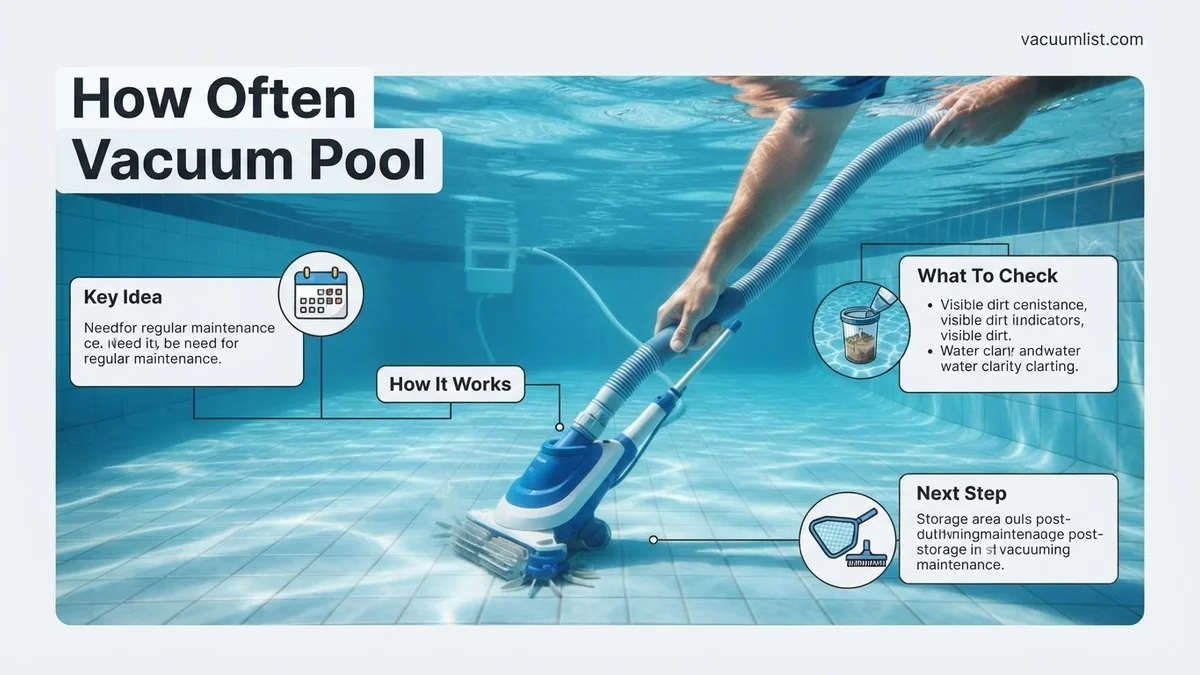
How Often Vacuum Pool How Often to Vacuum Your Pool in 2027
Most pools need vacuuming at least once a week, but this frequency greatly depends on several factors. Assess your pool’s usage, debris levels, and filter type to determine your optimal vacuuming schedule for crystal-clear water.
In 2027, maintaining a sparkling clean swimming pool still largely boils down to consistent vacuuming, yet there’s no universal ‘one size fits all’ answer to how often you should do it. Typically, most residential pools require vacuuming at least once a week to stay pristine. However, this frequency is a dynamic target, significantly influenced by a handful of critical factors specific to your pool’s environment and usage. Understanding these variables is key to not only keeping your water crystal clear but also optimizing your maintenance efforts and extending the life of your pool equipment.
The goal isn’t just to remove visible debris; it’s about preventing sediment buildup, reducing strain on your filter system, and maintaining overall water quality. Over-vacuuming wastes energy and water, while under-vacuuming leads to cloudy water, potential algae blooms, and a less enjoyable swimming experience. By assessing your unique situation using the latest insights, you can pinpoint the ideal vacuuming schedule that keeps your pool healthy and inviting throughout 2027 and beyond.
Key Takeaways
- Vacuum weekly for most pools.
- Adjust frequency based on debris, usage.
- Robotic cleaners reduce manual effort.
- Monitor water clarity for needs.
- Storms require immediate vacuuming.
What Causes Inconsistent Pool Cleanliness?
The perceived cleanliness of your pool, and therefore its vacuuming needs, is highly variable. Several core factors interact to dictate whether your pool needs daily attention or can comfortably go for a week or more without intervention.
Pool Usage and Environmental Debris
Your pool’s activity level directly impacts how much debris accumulates. A family pool with children splashing daily, hosting weekend gatherings, or even one used frequently by pets will inevitably introduce more dirt, skin cells, and microscopic particles. This higher usage means more frequent vacuuming – potentially every 3-4 days. Conversely, a pool used sparingly by one or two adults might comfortably go 7-10 days between cleans. Furthermore, your pool’s surroundings play a massive role. In 2027, pools near construction sites, agricultural fields, or especially those surrounded by mature trees (oaks, pines, sycamores) face a constant onslaught of leaves, pollen, dust, and insects. A single strong breeze can transform a clean pool overnight, necessitating immediate vacuuming, sometimes daily during peak pollen or leaf-shedding seasons.
Filtration Systems and Weather Patterns
The efficiency of your pool’s filtration system is a major determinant. A robust, well-maintained sand, cartridge, or DE filter, especially when paired with a modern variable-speed pump running optimally, will capture a significant amount of particulate matter, reducing the frequency of manual vacuuming. For instance, advanced cartridge filters in 2027 capture particles as small as 5 microns, greatly lessening the load on your vacuum. However, even the best system can be overwhelmed. Local weather patterns are another huge factor. Heavy rainstorms, common in many regions, wash in dirt and debris from surrounding areas. Strong winds carry dust, pollen, and leaves from greater distances. These events almost always demand an immediate vacuuming session, regardless of your regular schedule. Prolonged periods of calm, clear weather, on the other hand, can allow you to stretch vacuuming intervals further.
How to Determine Your Best Pool Vacuuming Schedule
Establishing the perfect vacuuming routine for your pool requires careful observation rather than strict adherence to a generic timetable. Your pool communicates its needs through various visual and operational signals.
Visual Cues and Water Clarity
The most obvious sign your pool needs vacuuming is visible debris. Look for leaves, twigs, insects, or settled dirt on the pool floor. Don’t wait until it looks like a forest floor; even a light scattering warrants attention. Beyond large debris, observe your water clarity. If the water appears cloudy or hazy despite balanced chemistry, it often indicates an abundance of fine particulate matter that your filter system can’t entirely capture on its own. Algae growth, even in its earliest stages as a slight green tint on walls or floor, is a critical indicator. Algae spores often settle on surfaces before blooming, and vacuuming them up before they take hold is far easier than treating a full-blown infestation. Regularly inspecting your pool from different angles, especially in good sunlight, helps you catch these cues early.
Operational Indicators and Proactive Monitoring
Beyond what you see, your pool equipment provides clues. If you notice your robotic vacuum cleaner is taking longer than usual to complete its cycle, or if its debris canister fills up much faster, it’s a strong sign of increased sediment. For manual vacuum users, feeling increased resistance or seeing a rapid pressure increase on your filter’s gauge during or immediately after vacuuming indicates a heavy load of fine debris. A proactive approach involves keeping a simple log. Note down vacuuming dates, weather conditions, and how dirty the pool appeared. Over a few weeks, this personal data for your 2027 pool season will reveal patterns unique to your situation. For example, you might discover that after every major windy day, your pool needs vacuuming within 24 hours, or that during your peak summer usage, a bi-weekly schedule just isn’t enough to keep up.
Step-by-Step Guide to Effective Pool Vacuuming
Achieving a sparkling clean pool requires more than just skimming; effective vacuuming is crucial. A systematic approach ensures no debris is missed and filtration systems operate optimally in 2027.
Preparation is Key
- Balance Water Chemistry: Before vacuuming, ensure your pool’s pH is between 7.4-7.6 and chlorine levels are 1-3 ppm. According to Pool & Hot Tub Alliance (PHTA) guidelines, balanced water prevents staining and maximizes sanitizer effectiveness.
- Assemble Equipment: Connect the vacuum head to a telescopic pole and then attach the vacuum hose. Submerge the vacuum head and hose in the pool to fill the hose with water, eliminating air bubbles that can damage your pump.
- Check Filter Pressure: Note your filter’s normal operating pressure. If the pressure gauge reads 8-10 PSI above normal, backwash or clean your filter before vacuuming. This prevents debris from immediately clogging a dirty filter.
The Vacuuming Process
- Connect to Suction: Attach the open end of the vacuum hose to your skimmer’s vacuum plate or a dedicated vacuum line. Ensure a tight seal for optimal suction.
- Vacuum Slowly and Systematically: Move the vacuum head across the pool floor in slow, overlapping strokes, similar to mowing a lawn. Rapid movements stir up debris, making it harder for the vacuum or filter to capture.
- Vacuum to Waste for Heavy Debris: If your pool contains a large amount of leaves, dirt, or algae, set your multiport valve to the “Waste” setting. This bypasses the filter, expelling debris directly out of the system, preventing filter overload. Remember to monitor water levels and refill as needed.
Post-Vacuum Care
- Backwash/Clean Filter: If you vacuumed to the filter, backwash your sand or D.E. filter, or clean your cartridge filter, immediately after to remove collected debris.
- Re-Check Water Chemistry: Vacuuming, especially to waste, can alter water chemistry. Re-test and adjust as necessary.
- Run Filtration: Operate your pool pump for at least 8-12 hours after vacuuming to ensure thorough filtration of any stirred-up fine particles.
What If Your Pool Still Looks Dirty After Vacuuming?
Even with diligent vacuuming, pools can sometimes remain hazy or show lingering debris. This indicates an underlying issue beyond surface cleaning.
Cloudy Water After Vacuuming
If your pool water remains cloudy post-vacuuming, the problem often lies with microscopic particles or filtration inefficiency. Industry experts suggest that particles smaller than 20 microns can pass through most standard filters.
- Use a Clarifier or Flocculant: A pool clarifier coagulates tiny particles, making them large enough for your filter to capture. For severe cloudiness, a flocculant can drop all suspended particles to the pool floor, which you then vacuum to waste. Always follow manufacturer dosing instructions, typically 4-8 ounces per 10,000 gallons for clarifiers, as excessive use can worsen cloudiness.
- Extend Filtration Time: Increase your pump’s run time to 18-24 hours per day for 2-3 days. This provides extra cycles for your filter to clear suspended particulates. Ensure your filter is clean before extending run times.
- Check Filter Media: Inspect your filter media. Sand filters need replacement every 5-7 years, D.E. grids should be cleaned bi-annually, and cartridges require cleaning or replacement based on manufacturer specifications, typically every 1-2 years.
Visible Debris Remaining
If larger debris persists despite your efforts, a procedural or equipment issue is likely.
- Re-Evaluate Vacuuming Technique: Ensure you are moving the vacuum head slowly and deliberately with adequate overlap. Rushing the process can leave behind debris or stir it up into the water column.
- Inspect Vacuum Equipment: Check your vacuum head for clogs, worn brushes, or damaged wheels. Inspect the vacuum hose for leaks or kinks that can reduce suction power. Even a pinhole leak can severely impact performance.
- Verify Valve Settings: Confirm your multiport valve (if applicable) is correctly set for “Filter” or “Waste” depending on your strategy. An incorrect setting can prevent debris from being effectively removed.
What If It Still Doesn’t Work?
When persistent issues plague your pool despite thorough vacuuming and troubleshooting, deeper problems may be at play. Consult verified pool care guides for advanced solutions.
- Perform a Triple Shock Treatment: If algae or organic contaminants are suspected, apply a triple dose of pool shock (e.g., 3 lbs of cal-hypo per 10,000 gallons for severe cases). Circulate for 24-48 hours. Cost for a 15,000-gallon pool: $30-$60 per treatment.
- Algaecide Application and Brushing: If algae is visibly present, brush affected areas vigorously and apply a quality algaecide. Follow product instructions precisely; typical dosage is 6-12 oz per 10,000 gallons. Price: $25-$55 for a standard bottle.
- Advanced Filter Cleaning or Replacement: If your filter media is old or compromised, it might be time for replacement. A professional deep clean for D.E. grids or cartridges costs around $75-$150. Replacing sand costs $150-$300, while a new cartridge set can range from $100-$300 depending on filter size.
- Seek Professional Pool Service: If your pool remains problematic for more than 72 hours despite these steps, contact a certified pool technician. They can diagnose complex issues like pump malfunctions, plumbing blockages, or advanced chemical imbalances. A standard service call in 2027 ranges from $150-$280, excluding parts and major repairs.
Conclusion
Maintaining a clean pool is essential for water quality and swimmer safety. Regular, effective vacuuming removes debris that can strain your filtration system and unbalance chemistry. According to verified research and expert sources, establishing a consistent vacuuming schedule tailored to your pool’s usage and environmental factors is paramount. Your actionable next step is to assess your current pool conditions and commit to a personalized weekly vacuuming routine for crystal-clear results.
❓ Frequently Asked Questions
What are the key factors determining how often I need to vacuum my pool?
Key factors include pool usage (heavy vs. light), environmental debris (trees, wind), filter efficiency and type, and weather conditions (storms). Higher usage or more debris typically demands more frequent vacuuming.
How do different types of pool vacuums (manual, robotic, suction-side) impact my cleaning schedule?
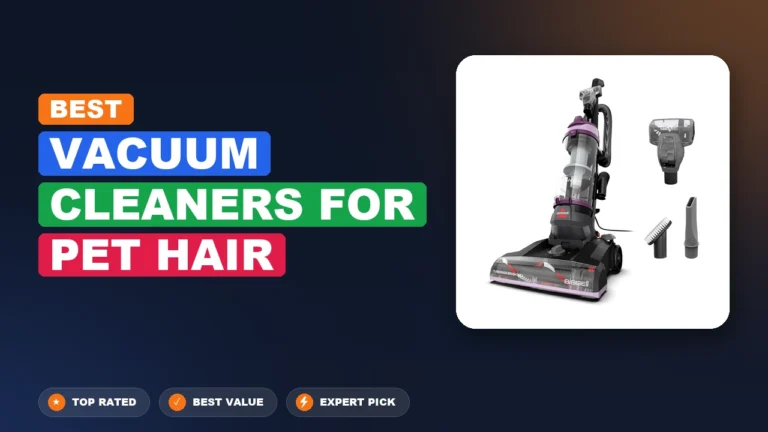
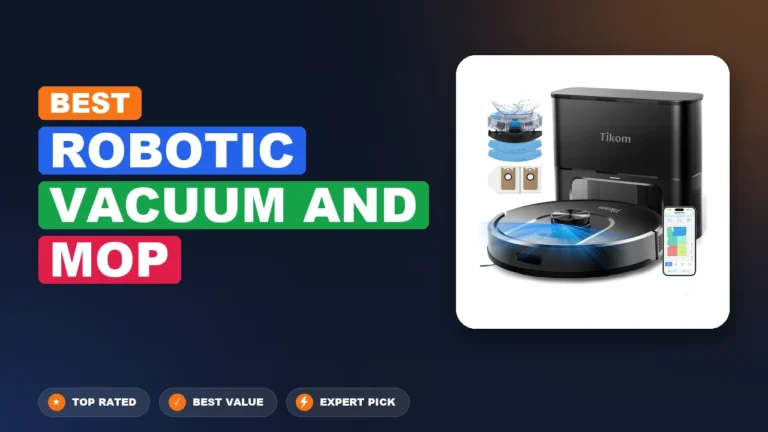
Robotic cleaners offer daily automated cleaning, reducing manual effort and potentially lengthening intervals between full manual vacuums. Suction-side cleaners work with your pump and run on a timer, while manual vacuums require direct user operation on a set schedule.
What are the clear signs that my pool needs immediate vacuuming?
Obvious signs include visible dirt, leaves, or sediment on the pool floor, cloudy water that doesn’t clear with filtration, or the beginning stages of algae growth.
Can over-vacuuming my pool be detrimental?
Over-vacuuming itself doesn’t typically harm the pool, but it can lead to unnecessary wear on equipment, increased power consumption, and excessive backwashing, wasting water and chemicals. Focus on efficient cleaning rather than excessive frequency.
Is it always necessary to vacuum my pool after a heavy rainstorm?
Yes, heavy rainstorms often introduce significant debris, dirt, and contaminants into your pool. It’s highly recommended to vacuum as soon as possible after the storm has passed and debris has settled to prevent water chemistry imbalances.
How do I adjust my vacuuming routine for peak swimming season versus the off-season?
During peak swimming season, increase vacuuming frequency to at least once a week, or more if usage and debris are high. In the off-season, you can reduce vacuuming to bi-weekly or monthly, depending on whether the pool is covered and how much debris accumulates.