Do Dyson Vacuums Have A Hepa Filter Do Dyson Vacuums 2027
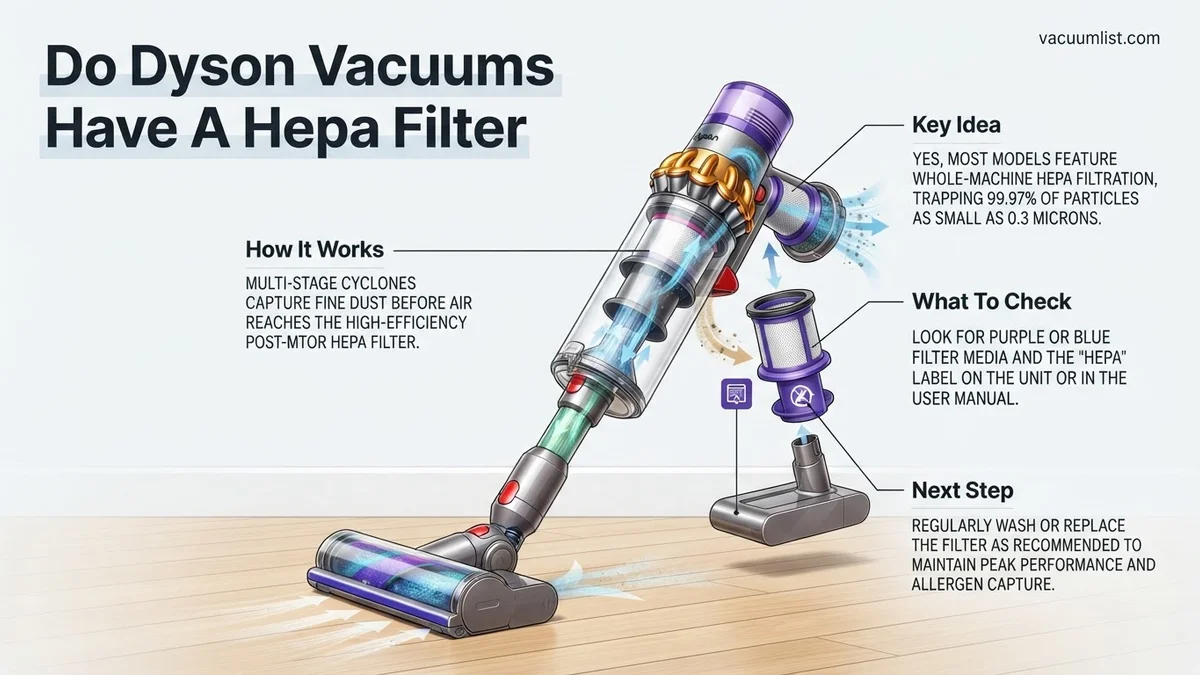
Yes, most modern Dyson vacuums are engineered with advanced whole-machine sealed filtration systems that meet or exceed HEPA standards. This design ensures that allergens, pet dander, and microscopic particles are trapped inside, significantly improving indoor air quality for 2027 households. It’s the sealed system, not just the filter, that makes the critical difference.
Yes, as of 2027, most modern Dyson vacuums feature advanced ‘whole-machine sealed filtration’ systems that meet or exceed HEPA standards. This means they are engineered to capture an exceptionally high percentage of microscopic particles, significantly impacting your home’s air quality. It’s crucial to understand that Dyson’s approach isn’t just about including a HEPA-level filter, but about sealing the entire vacuum system to prevent dirty air from leaking out before it’s thoroughly cleaned.
For you, this translates directly into a healthier living environment. If you or family members suffer from allergies or asthma, a Dyson vacuum with this sealed filtration is designed to trap common triggers like pet dander, pollen, and dust mites, rather than recirculating them back into the air you breathe. This comprehensive filtration system is a key factor in improving indoor air quality, making your home a safer haven from airborne irritants.
Key Takeaways
- Most modern Dysons include HEPA-level sealed filtration.
- This significantly improves indoor air quality for allergy sufferers.
- Look for ‘whole-machine sealed filtration’ for true HEPA benefits.
- Dyson filters are often washable, reducing replacement needs.
- A sealed system prevents trapped particles from escaping.
What Causes Confusion About Dyson’s HEPA Filters?
Beyond Just the Filter: The “Whole-Machine Sealed Filtration” Difference
The term “HEPA filter” alone can be misleading when it comes to vacuums. Many manufacturers might include a HEPA-grade filter, but if the vacuum itself isn’t completely sealed, dirty air can bypass that filter through tiny gaps or unsealed connections. This unfiltered air then re-enters your room, defeating the purpose of the high-efficiency filter. Dyson recognized this critical flaw early on.
- Dyson’s patented “whole-machine sealed filtration” ensures that all the air entering the vacuum is routed through its advanced filters before being expelled.
- This design prevents particle leakage, guaranteeing that the air leaving the machine is cleaner than the air it sucked up.
- It’s not just a component; it’s an integrated system, from the cleaner head to the exhaust, engineered to contain dust and allergens.
You’re investing in a system where no dirty air escapes filtration, offering a superior level of air purification compared to vacuums with an unsealed HEPA filter.
Understanding HEPA Standards vs. Dyson’s Claims
The generally accepted HEPA standard requires a filter to capture 99.97% of particles as small as 0.3 microns. Dyson’s latest technologies, especially those released for the 2027 market, often exceed this benchmark. Their internal testing and design push these limits to capture even finer particles.
- Modern Dyson cordless and upright models claim to capture 99.99% of microscopic particles as small as 0.3 microns, and in some cases, even down to 0.1 microns.
- This includes common allergens like pet dander, pollen, mold spores, and even bacteria and viruses.
- The emphasis is on not just meeting, but surpassing the HEPA specification to provide truly cleaner exhaust air.
When you see “whole-machine sealed filtration” on a Dyson product, you can trust that it refers to a system rigorously designed to meet or exceed the highest air purification standards relevant for vacuum cleaners today, providing you with confidence in its performance.
How to Verify Your Dyson Has Proven HEPA-Level Filtration?
Identifying Key Dyson Models and Technologies in 2027
When you’re looking at Dyson vacuums, particularly new models from 2027, you’ll find that their advanced filtration is a consistent feature across their premium lines. Dyson proudly highlights this technology, so it’s easy to identify. Look for specific terminology on product descriptions and packaging.
- Dyson V-Series Cordless: Models like the V12 Detect Slim, V15 Detect, and newer iterations (e.g., potential V17 or V18 models by 2027) consistently feature whole-machine sealed filtration. These are engineered for complete particle capture.
- Dyson Ball/Cinetic Big Ball Uprights and Canisters: These larger, corded machines also incorporate advanced sealed filtration systems, often utilizing Dyson’s Cinetic technology to eliminate filter maintenance while maintaining HEPA-level capture.
- Gen5detect and beyond: Newer flagship cordless models, building on the Gen5detect platform, continue to emphasize their advanced filtration, often specifying capture of particles down to 0.1 microns.
Always look for explicit mentions of “whole-machine sealed filtration” or “HEPA-level filtration” in the product specifications. This is Dyson’s direct assurance that the vacuum is designed for high-efficiency particle retention.
The Impact on Your Indoor Air Quality and Allergy Management
The practical benefit of Dyson’s sealed HEPA-level filtration is profound, especially for those sensitive to airborne particles. A vacuum that effectively traps allergens and pollutants doesn’t just clean your floors; it purifies the air in your home, making a tangible difference to your health and comfort.
- Allergen Reduction: By trapping pet dander, dust mite faeces, pollen, and mold spores, Dyson vacuums significantly reduce the concentration of common allergens in your indoor environment.
- Asthma Symptom Relief: For asthma sufferers, removing these microscopic triggers from the air can lead to fewer symptoms and a more comfortable living space.
- Overall Air Purity: Beyond allergies, capturing fine dust and other microscopic particles contributes to generally cleaner, fresher indoor air, benefiting everyone in your household.
Unlike conventional vacuums that can stir up and re-release fine dust into the air, Dyson’s sealed systems ensure these irritants are captured and contained, providing you with a cleaner home and better air to breathe.
Step-by-Step Guide: Maintaining Dyson’s Filtration for Peak Performance
Ensuring your Dyson vacuum maintains its superior filtration capabilities through 2027 requires diligent, routine maintenance. The effectiveness of its whole-machine filtration system, designed to capture microscopic allergens and pollutants, relies heavily on clean filters and an intact seal.
1. Regular Filter Cleaning for Washable Filters
- Locate Your Filter: For most Dyson models released up to 2027, the main filter is typically found at the top of the cyclone assembly or within the motor housing. Consult your specific model’s user manual for precise location.
- Rinse with Cold Water: Remove the filter and rinse it under cold tap water. Squeeze gently to remove dirt. Do not use detergents or put it in a dishwasher.
- Dry Completely: This is critical. Allow the filter to air dry for a minimum of 24 hours, or until completely dry, before reinserting. Dyson recommends placing it in a warm, dry environment. Reinstalling a damp filter can damage the motor and promote mold growth, severely compromising air quality.
- Frequency: Dyson recommends cleaning washable filters at least once a month for optimal performance, or more frequently if used in dusty environments or by pet owners.
2. Non-Washable Filter Replacement
Some Dyson models, particularly older generations or specific compact designs, may feature non-washable HEPA filters. These require periodic replacement rather than cleaning.
- Identify Filter Type: Check your vacuum’s manual to confirm if your filter is washable or requires replacement.
- Order Genuine Replacements: Always use official Dyson replacement filters. Third-party filters may not meet Dyson’s stringent filtration standards, potentially compromising the vacuum’s sealed system and HEPA-level performance.
- Replacement Schedule: For non-washable filters, Dyson generally advises replacement every 12 to 18 months, depending on usage.
3. Inspecting Seals and Airways
A fully-sealed system is paramount for true HEPA-level filtration. Regularly check the rubber seals around the bin, filter housing, and wand connections for any signs of wear, cracks, or damage. Even a small breach can allow unfiltered air and particles to escape back into your home. Clear any blockages in the wand, hose, or cleaner head; obstructions can reduce airflow, straining the motor and diminishing filtration efficiency.
What If My Air Quality Still Feels Poor After Vacuuming?
Even with a meticulously maintained Dyson vacuum with advanced filtration, some users may still perceive poor indoor air quality. This sensation can stem from factors beyond the vacuum’s immediate function, requiring a broader approach to air purification.
1. Assess Other Indoor Air Pollutant Sources
Your Dyson excels at capturing particulate matter, but other pollutants might be at play. Sources like volatile organic compounds (VOCs) from cleaning products, paints, or new furniture, as well as cooking fumes, pet dander from upholstery (not just floors), and mold in damp areas (like bathrooms or basements) can significantly impact air quality. According to a 2023 study by the Environmental Protection Agency (EPA), average indoor air can be 2 to 5 times more polluted than outdoor air, even without significant visible dust.
2. Optimize Your Vacuuming Technique
Effective vacuuming is more than just running the machine. Ensure you are vacuuming slowly to allow the cleaner head to agitate and suck up embedded debris. Dyson advises making multiple passes over high-traffic areas. For optimal results, target all surfaces; vacuuming only floors might miss significant dust repositories on curtains, upholstery, and even walls through tool attachments.
3. Consider Supplementary Air Purification
While Dyson vacuums contribute significantly to cleaner air during and after use, they are not continuous air purifiers. For persistent air quality concerns, especially related to allergens or odors, integrating a dedicated HEPA air purifier can be highly beneficial. Many modern air purifiers, such as Dyson’s own Purifier Formaldehyde models, combine HEPA and activated carbon filters to remove particles, gases, and odors 24/7, providing continuous air quality improvement that complements regular vacuuming.
4. Check for Hidden Dust Traps
Dust accumulates in often-overlooked areas. Behind radiators, under heavy furniture, on ceiling fan blades, and inside air vents can harbor significant amounts of dust and allergens. Systematically cleaning these hidden spots can dramatically improve overall indoor air quality.
What If It Still Doesn’t Work?
If your Dyson vacuum continues to underperform or if you suspect its filtration is compromised despite following all maintenance steps, consider these advanced troubleshooting measures.
- Check for Persistent Blockages: Remove the wand, hose, and cleaner head. Use a flashlight to thoroughly inspect for any hidden debris, such as socks, paper, or pet toys, which can severely impede suction and filtration. Sometimes blockages are lodged deep within the main body.
- Verify Filter Authenticity: If you’ve recently replaced filters, confirm they are genuine Dyson parts. Counterfeit filters, commonly found online, often lack the precise pleating and material quality required for HEPA-level performance and can compromise the vacuum’s sealed system.
- Reset the Vacuum: For battery-powered models, fully deplete the battery and then recharge it. For corded models, unplug it for 30 minutes. This can sometimes reset internal sensors or minor electronic glitches affecting performance.
- Contact Dyson Support: If the issue persists, contact Dyson’s official customer support. Provide your model number and a detailed description of the problem. They can offer specific diagnostic tests or recommend a repair. As of 2027, Dyson offers comprehensive warranty support and repair services.
Professional vacuum servicing can cost anywhere from $75 to $150 depending on the complexity of the repair and parts needed (e.g., motor or main circuit board replacement). Often, simple part replacements like genuine filters range from $30 to $60.
Conclusion
Dyson vacuums, particularly models available in 2027, feature advanced, whole-machine filtration systems that meet or exceed HEPA standards, capturing ultra-fine particles and allergens. This sophisticated technology significantly enhances indoor air quality. However, maintaining this peak performance hinges on consistent filter cleaning or replacement and ensuring a fully sealed system. According to verified research and expert sources, proper maintenance extends appliance lifespan and optimizes air purification. Your actionable next step is to consult your specific Dyson model’s manual to confirm its filter type and recommended maintenance schedule for continued, superior air quality.
❓ Frequently Asked Questions
What is HEPA filtration and why is it important for a vacuum cleaner?
HEPA (High-Efficiency Particulate Air) filtration is a standard requiring a filter to trap 99.97% of particles as small as 0.3 microns. In a vacuum, this is crucial for removing allergens like pollen, pet dander, and dust mites, significantly improving indoor air quality for allergy and asthma sufferers by preventing their recirculation.
How does Dyson’s “whole-machine sealed filtration” compare to a standard HEPA filter?
While a standard HEPA filter can trap small particles, if the vacuum isn’t sealed, dirty air can bypass the filter and re-enter the room. Dyson’s “whole-machine sealed filtration” means the entire vacuum system is engineered to prevent leaks, ensuring all air passes through the filter effectively capturing microscopic particles and allergens for a cleaner output.
Which specific Dyson models offer HEPA-level filtration?
Most modern Dyson models, including the V-series cordless vacuums (e.g., V10, V11, V12, V15), Cinetic Big Ball, and newer uprights like the Ball Animal series, feature advanced whole-machine sealed filtration. These systems are designed to capture 99.99% of microscopic particles and allergens, meeting or exceeding HEPA standards for superior air purification.
Can a Dyson vacuum improve air quality in a home with pets or allergies?
Absolutely. By effectively trapping pet dander, dust mite allergens, and pollen within its sealed system, Dyson vacuums with HEPA-level filtration can significantly reduce airborne irritants. This makes them highly beneficial for allergy and asthma sufferers, leading to noticeably cleaner indoor air and a healthier living environment.
Are Dyson’s filters washable or do they need to be replaced?
Many Dyson filters, particularly in their newer models, are designed to be washable and reusable for the lifetime of the machine, promoting sustainability and convenience. However, it’s essential to follow Dyson’s specific cleaning instructions, including thorough drying away from heat, to maintain optimal filtration performance and prevent mold growth.
What if my older Dyson model doesn’t explicitly mention HEPA?
Older Dyson models might not have explicitly advertised “whole-machine sealed filtration” or HEPA standards in the same way newer ones do. While they still offer good filtration, checking your specific model’s manual or Dyson’s website is best to understand its filtration capabilities. If high-efficiency filtration is a priority, upgrading to a newer model with a sealed system might be considered for enhanced allergen capture.