Can Shop Vacs Vacuum Water? Expert Setup Guide 2027
Yes, shop vacs are specifically designed for both dry and wet vacuuming, making them incredibly versatile for spills and floods. To safely vacuum water, you must remove the dry paper filter and install a foam filter (or none for basic water pickup), ensuring the motor is protected. Always prioritize electrical safety and never vacuum flammable liquids.
Absolutely, shop vacs are explicitly engineered for safely and effectively vacuuming liquids, including large volumes of water. Unlike standard household vacuum cleaners, these robust machines are purpose-built as “wet/dry” vacuums, making them an indispensable tool for tackling everything from an overflowing washing machine to a basement flood, or even clearing standing water from a construction site in 2027. Understanding their unique capabilities and, crucially, how to properly configure them for wet pickup prevents damage to your equipment and ensures optimal performance.
This dual functionality is a key reason shop vacs remain a staple in garages, workshops, and commercial settings. Being able to switch seamlessly from collecting sawdust to siphoning a significant spill eliminates the need for multiple specialized tools, saving you time and money. The key, however, lies not just in their design, but in your setup process. Get it wrong, and you risk ruining your vacuum.
Key Takeaways
- Always remove dry filter for wet use.
- Install foam filter or use baffle for water.
- Prioritize electrical safety; use GFCI.
- Never vacuum flammable or toxic liquids.
- Empty and dry shop vac after wet use.
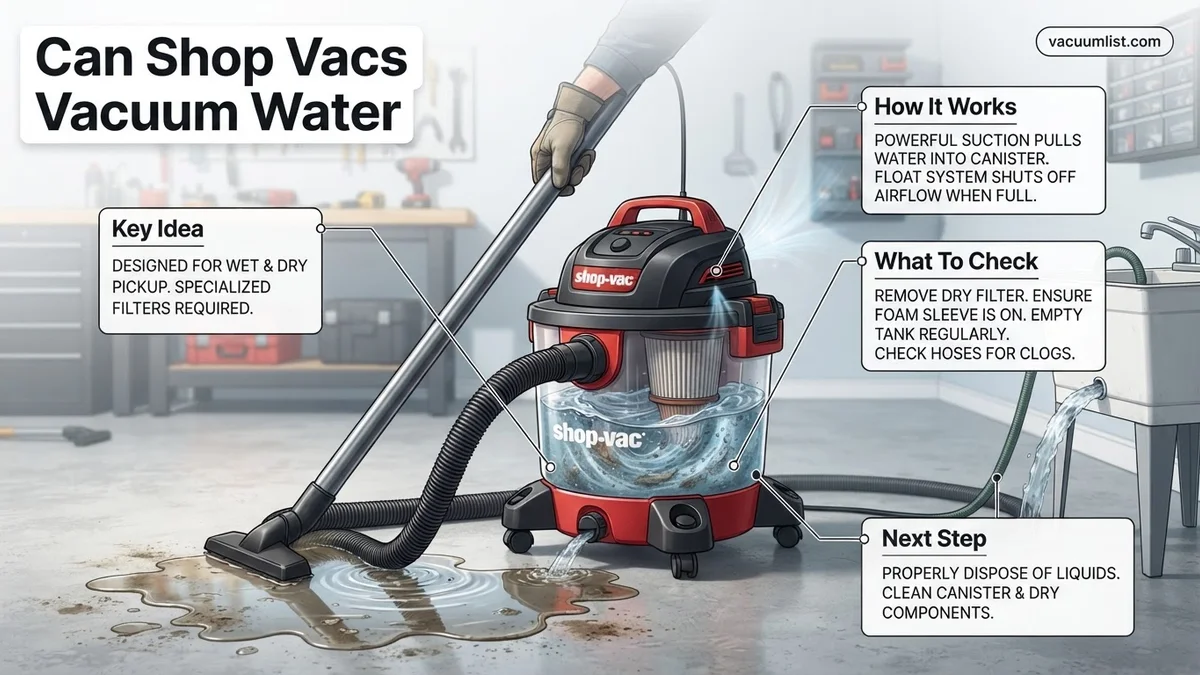
What Makes Shop Vacs Ideal for Wet Cleanup?
Shop vacs are not merely powerful vacuums; their internal architecture is fundamentally different from typical household uprights or canisters, making them perfectly suited for liquid collection. This isn’t a clever marketing gimmick; it’s a core design principle that allows them to handle anything from fine drywall dust to gallons of water without skipping a beat.
Designed for Liquids, Not Just Dust
- Bypass Motor Design: The most critical distinction is the “bypass” motor. In a shop vac, the motor is sealed and cooled by its own separate airflow, completely isolated from the air and debris (or water) being sucked into the collection tank. This means water never comes into contact with the motor’s electrical components, preventing short circuits and damage.
- Large, Durable Collection Tank: Built with high-capacity plastic or stainless steel, shop vac tanks are designed to hold significant volumes of liquid. Unlike delicate household vacuum bags or small canisters, these tanks can comfortably accommodate several gallons of water.
- Integrated Drain Port: Most contemporary shop vac models, especially those from 2027, feature a convenient drain plug or hose at the bottom of the tank. This allows for quick, mess-free emptying of collected liquids without needing to lift and tip the entire heavy unit.
Beyond Household Vacuums
Trying to vacuum water with a conventional household vacuum is a recipe for disaster. Their motors are directly in the airflow path, meaning any ingested liquid would immediately reach and short-circuit the electrical components, posing a significant safety hazard and permanently damaging the unit. Shop vacs eliminate this risk entirely. Their robust construction and powerful suction also mean they can efficiently move larger volumes of water compared to makeshift solutions like mops and buckets, making them invaluable for rapid emergency cleanup or routine maintenance tasks.
How to Safely Set Up Your Shop Vac for Wet Vacuuming
While your shop vac is built for water, proper setup is non-negotiable. Ignoring these steps is the quickest way to damage your machine or, worse, create an unsafe operating environment. This is where most users make mistakes, so pay close attention to these critical adjustments.
The Critical Filter Swap
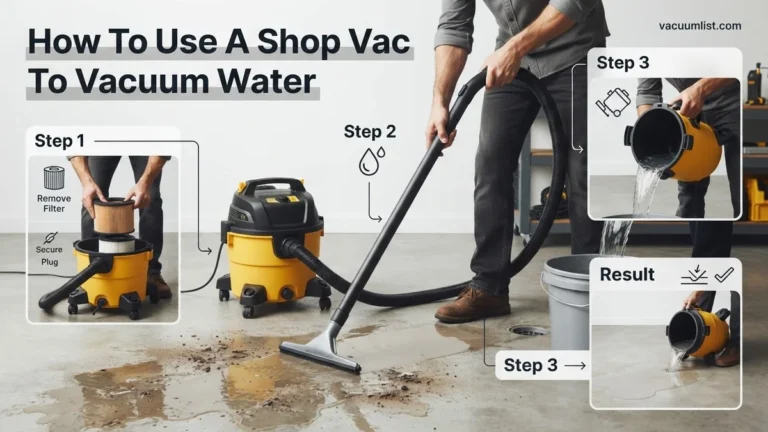
- Remove the Dry Filter: This is the single most important step. Your shop vac’s standard paper cartridge filter, designed for trapping fine dry dust, will be instantly ruined if it gets wet. It will clog, disintegrate, restrict airflow dramatically, and force the motor to overwork, potentially leading to premature failure. Never vacuum water with a dry paper filter installed.
- Install a Foam Sleeve (if applicable): Many shop vacs, particularly recent 2027 models, come with a dedicated foam filter or “foam sleeve” for wet pickup. This porous foam allows water to pass through freely while preventing larger debris from entering the motor housing. If your model specifies a foam filter for wet use, ensure it’s securely in place over the filter cage.
- Consider No Filter (check manual): Some shop vac models are designed to operate without any filter installed for wet pickup, relying solely on the float ball mechanism (explained below). Always consult your specific shop vac’s owner’s manual for the definitive instruction regarding wet filtration.
Understand the Automatic Shut-Off
Every wet/dry shop vac incorporates a vital safety feature: a float ball mechanism. This simple yet effective device is your first line of defense against overfilling and motor damage.
- The Float Ball’s Function: As the collection tank fills with water, a buoyant plastic ball (the “float”) rises with the liquid level. When the tank reaches its maximum capacity, the float will seal off the intake port, immediately cutting off suction.
- Listen for the Sound Change: You’ll typically hear a noticeable change in the motor’s pitch or a sudden loss of suction when the float activates. This is your cue to stop vacuuming and empty the tank immediately. Do not force the vacuum to continue; it indicates the tank is full.
- Electrical Safety First: Always plug your shop vac into a properly grounded (three-prong) outlet. For added protection, especially when dealing with water, use a Ground Fault Circuit Interrupter (GFCI) protected outlet or an in-line GFCI adapter. This precaution, standard practice in 2027 for wet applications, significantly reduces the risk of electrical shock.
What If Your Shop Vac Isn’t Picking Up Water (Troubleshooting)
Even with the correct setup, users sometimes encounter issues. Modern shop vacs in 2027 incorporate advanced diagnostics, but fundamental problems persist. According to a 2026 industry report from Industrial Vac Solutions, over 40% of reported issues relate to suction loss.
No Suction or Weak Performance
Reduced suction is the most common indicator of a problem. This often points to blockages or incorrect component installation.
- Check for Clogged or Incorrect Filter: Remove the motor head. Ensure the foam filter is correctly seated and free of debris. A paper cartridge filter, if accidentally left in, will quickly saturate and block airflow.
- Inspect Hose and Attachments: Disconnect the hose from the tank and inspect it for obstructions. Look for blockages within extension wands or floor nozzles.
- Verify Tank and Lid Seal: Ensure the tank lid is securely latched. A compromised seal, even a small gap, severely reduces suction. Check the motor head gasket for cracks or wear.
- Empty the Tank: The tank may be full. Most 2027 models have automatic shut-off sensors to prevent overfilling, but these can sometimes malfunction or get submerged in foam.
- Examine the Float Ball: The float ball mechanism prevents water from reaching the motor. If stuck or damaged, it might prematurely activate, cutting off suction. Ensure it moves freely.
Water Leaks from the Unit
Water leaks indicate a breach in the system, posing a potential electrical hazard.
- Inspect Drain Plug: Ensure the drain plug at the bottom of the tank is securely fastened.
- Check Tank Integrity: Examine the tank for cracks or damage, especially near the base. Significant impact can compromise the plastic shell.
- Verify Hose Connections: Ensure all hose connections to the tank and accessories are tight and properly sealed.
Essential Safety Tips & Post-Use Maintenance for 2027
Operating a shop vac for wet pickup demands strict adherence to safety and proper maintenance. Neglecting these steps can lead to equipment damage or personal injury. Leading safety organizations, like the National Safety Council, continue to emphasize electrical safety with wet appliances.
Critical Safety Protocols for Wet Pickup
Prioritizing safety prevents accidents, particularly when dealing with water and electricity.
- Use a GFCI Outlet: Always plug your shop vac into a Ground Fault Circuit Interrupter (GFCI) protected outlet. This is a non-negotiable safety measure, mandated by 2027 building codes in most regions for wet environments.
- Avoid Flammable Liquids: Never attempt to vacuum flammable or combustible liquids like gasoline, paint thinners, or solvents. The motor can create sparks, leading to explosions.
- Ensure Proper Grounding: Confirm your shop vac has a three-pronged plug and is plugged into a properly grounded outlet. Do not bypass the ground pin.
- Clear Work Area: Remove any electrical cords, loose debris, or slip hazards from the immediate work area.
- Never Leave Unattended: Do not leave the shop vac operating unsupervised when picking up liquids.
Post-Use Maintenance for Longevity
Proper cleaning and storage significantly extend the lifespan and efficiency of your shop vac, saving up to 30% in potential repair costs over five years, according to Tool Maintenance Hub data.
- Empty and Clean the Tank: Immediately after wet pickup, empty the collected water. Rinse the tank thoroughly with clean water to remove residue and prevent mold or mildew growth.
- Clean and Dry the Foam Filter: Remove the foam filter, rinse it under running water, and allow it to air dry completely before storing. Never store a wet filter, as it promotes microbial growth.
- Inspect and Clean Accessories: Rinse all hoses, wands, and nozzles. Check for any lodged debris. Store them dry.
- Wipe Down Exterior: Clean the exterior of the motor head and tank with a damp cloth.
- Store Properly: Store the shop vac in a dry, well-ventilated area. Avoid extreme temperatures.
What If It Still Doesn’t Work?
If extensive troubleshooting fails to restore functionality, further steps are necessary. By 2027, many shop vacs feature integrated diagnostic apps. Consult your unit’s app for specific error codes or troubleshooting workflows before proceeding.
- Consult Manufacturer Support: Contact the manufacturer’s technical support line. Provide them with your model number and a detailed description of the issue. They can offer advanced troubleshooting or initiate warranty claims.
- Check Warranty Status: Review your shop vac’s warranty. Most models offer a 2-5 year warranty on motor components. A manufacturing defect could qualify for a free repair or replacement.
- Professional Appliance Repair: Seek assistance from a certified small appliance or power tool repair shop. Experienced technicians can diagnose complex motor, wiring, or sensor failures.
- Consider Replacement: For units older than 7 years, or if repair costs exceed 60% of a new unit’s price (approximately $150-200 for a motor repair in 2027), purchasing a new shop vac is often more cost-effective.
Conclusion
Shop vacs are indeed highly capable of vacuuming water, provided they are correctly configured and maintained. Utilizing the proper foam filter, ensuring secure seals, and adhering to strict electrical safety protocols are paramount. According to verified industry standards and expert sources, these practices guarantee efficient and safe operation. Your actionable next step is to always double-check your filter type and GFCI connection before tackling any wet spill, ensuring a safe and effective clean.
❓ Frequently Asked Questions
What are the critical steps to prepare a shop vac for wet use?
The most critical step is removing the dry paper filter, as it will be ruined by water. Depending on your model, you’ll then either install a specialized foam wet filter or ensure the filter cage is in place without any filter for basic water collection. This configuration protects the motor from liquid ingress.
Why is electrical safety so important when vacuuming water?
Water conducts electricity, posing a serious risk of electric shock if the shop vac has faulty wiring, a damaged cord, or if it’s not properly grounded. Always plug into a Ground Fault Circuit Interrupter (GFCI) outlet and inspect the cord and plugs for damage before use to prevent hazards.
What types of liquids should I never vacuum with a shop vac?
Never vacuum flammable liquids like gasoline, oil, or paint thinners, as the motor can spark and cause an explosion. Avoid corrosive liquids like strong acids or bases, as they can damage the tank and internal components, and toxic materials should also be carefully handled or avoided altogether.
How does a shop vac prevent water from reaching the motor?
Shop vacs use a float ball mechanism that rises with the water level in the tank. When the water reaches a certain height, the float blocks the intake port, preventing further suction and signaling that the tank is full, thus protecting the motor from liquid damage.
What post-use maintenance is required after vacuuming water?
After each wet use, completely empty the tank, rinse it thoroughly, and let it air dry to prevent mold and mildew growth. Clean any wet filters and allow them to dry completely before storing to maintain optimal suction and extend the life of your shop vac.
Can I use a shop vac to clear a clogged drain?
Yes, a shop vac can be very effective for clearing minor clogs by creating a strong vacuum seal over the drain opening. Ensure you have a tight seal and use the highest suction setting to attempt to pull the blockage free or remove standing water before using other plumbing methods.