What Kind Of Vacuum Is Good For Wool Rugs What Kind of 2027
Choosing the right vacuum for wool rugs is crucial to prevent damage to delicate fibers. Look for models with adjustable suction and the ability to turn off the beater bar to ensure gentle cleaning. Canister vacuums with specialized floor tools are often the best choice for preserving your rug’s longevity and appearance.
For your valuable wool rugs, the right vacuum isn’t just about cleaning; it’s about preservation. The core answer is a vacuum with meticulously adjustable suction control and the ability to completely disengage or use an exceptionally soft, gentle brush roll. Without these features, you risk damaging the delicate fibers of your wool rug, leading to premature wear, excessive shedding, and diminished beauty long before its time. As of 2027, modern vacuum technology offers incredible precision, but knowing which specifications to prioritize is crucial.
Understanding these critical vacuum characteristics directly impacts the longevity and appearance of your investment. Wool rugs, renowned for their durability and natural beauty, require a gentle approach that respects their unique construction. Incorrect vacuuming can pull out fibers, unravel intricate patterns, and compress the pile, leaving your rug looking tired and worn. Choosing wisely ensures your cherished rug remains vibrant and intact for decades.
Key Takeaways
- Adjustable suction protects wool fibers.
- Disable beater bar or use soft brush.
- Canister vacuums are often the best.
- Avoid powerful suction near rug fringes.
- Gentle, frequent vacuuming extends rug life.
What Causes Wool Rug Damage from Vacuuming?
The Perils of Aggressive Brush Rolls
One of the most significant threats to a wool rug comes from a vacuum cleaner’s rotating brush roll, especially those with stiff nylon bristles. These brushes are designed for deep cleaning synthetic carpets, aggressively agitating the pile to lift dirt. On a wool rug, however, this action can be catastrophic. The high-speed rotation and rigid bristles can snag, pull, and fray the natural wool fibers, leading to visible damage over time. You’ll notice increased shedding, a “fuzzing” appearance, and even unraveling, particularly in braided or hand-knotted constructions. It’s akin to using a wire brush on a cashmere sweater—the result is never good.
Suction Strength: A Double-Edged Sword
While powerful suction is generally desirable for cleaning, excessive, non-adjustable suction can also harm wool rugs. When the vacuum’s motor pulls too strongly, it doesn’t just lift dirt; it can also pull out individual wool fibers from the rug’s weave or backing. This leads to permanent thinning, bald spots, and a weakened overall structure. Overly strong suction also puts undue stress on the rug’s foundation, potentially stretching the backing or loosening knots, especially on newer rugs or those with a looser weave. Think of it as pulling threads from a garment—do it enough, and the fabric weakens and eventually tears.
How to Choose & Use the Best Vacuum for Wool Rugs
Essential Vacuum Features for Wool Rug Safety
To safeguard your wool rugs, prioritize vacuums engineered with specific gentle-care features. These are non-negotiable for preserving fiber integrity and appearance.
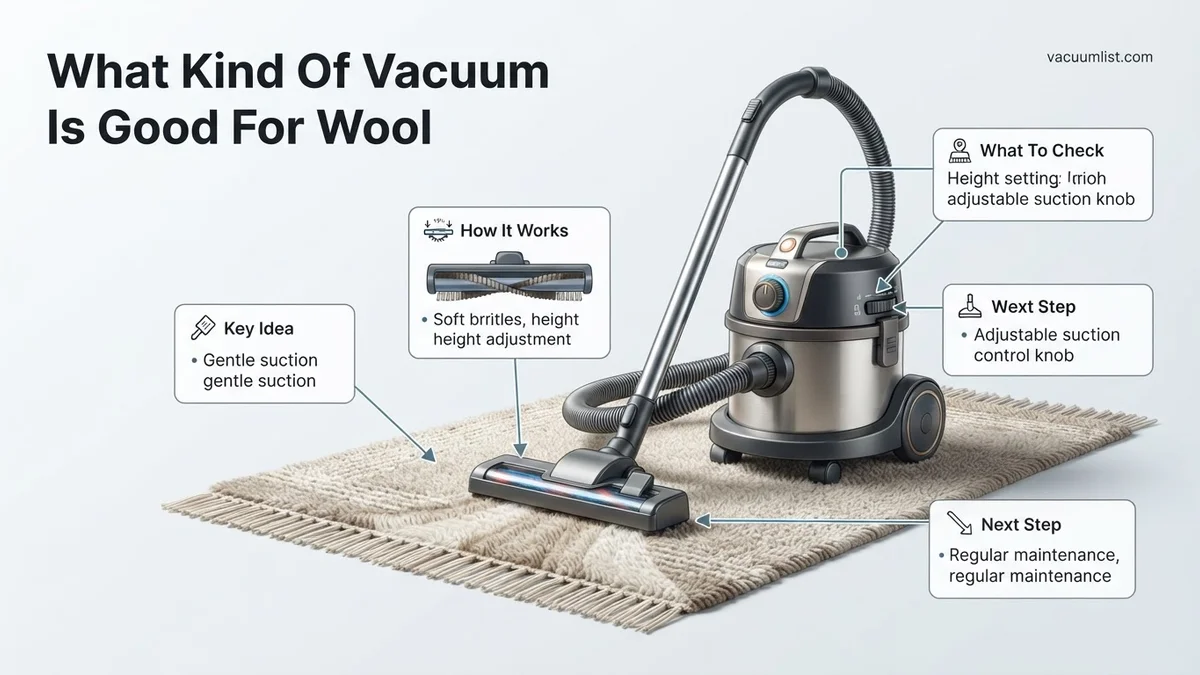
- Adjustable Suction Control: This is paramount. Look for vacuums offering multiple power settings, a digital dial, or a slider that allows you to significantly reduce suction. You want just enough power to lift dust and loose debris without pulling at the fibers or stressing the rug’s foundation. Many premium models launched by 2027 feature intelligent suction sensors for different surfaces.
- Brush Roll Disengagement or Gentle Mode: The ability to completely turn off the rotating brush roll is critical. If total disengagement isn’t an option, seek models with a dedicated “bare floor” or “delicate rug” mode that either raises the brush high above the carpet or uses exceptionally soft, silicone, or felt-covered bristles. Air-driven turbo heads, often found on canister models, are also a gentler alternative as they rely on airflow, not motor power, for rotation.
- Superior Filtration System: Wool rugs can hold a significant amount of fine dust and allergens. A vacuum with a sealed system and a high-efficiency particulate air (HEPA) filter (or equivalent multi-stage filtration) is essential. This prevents fine dust particles, which could otherwise degrade air quality and resettle on your rug, from recirculating back into your home.
- Gentle Attachments: A vacuum isn’t complete without the right tools. Ensure your chosen model includes a dedicated bare floor tool or a wide upholstery brush. These are perfect for light surface cleaning, edges, and fringes, providing gentle suction without any agitation.
Recommended Vacuum Types & Models for Wool Rugs
While technology evolves, certain vacuum categories consistently offer features suitable for wool rugs as of 2027. Your choice often comes down to convenience and budget, always double-checking the specifications for wool rug compatibility.
- Canister Vacuums with Dedicated Floor Brushes: These are often the gold standard. Their powerhead (brush roll) is separate from the suction motor, allowing for precise control. Look for models with a dedicated “parquet” or “bare floor” attachment that uses only suction and soft bristles, or a powerhead that allows brush roll deactivation. Brands like Miele (e.g., C3 series with Parquet Twister or SEB 236 powerhead), Sebo (e.g., D series with ET-1 powerhead), and premium Bosch models are excellent choices, known for their powerful yet controllable performance.
- Select Stick Vacuums with Adjustable Settings: The newer generation of stick vacuums, like Dyson’s Gen5Detect or select Samsung Bespoke Jet models, can be viable. They must offer robust, multi-level suction control and, crucially, a brush head specifically designed for delicate surfaces that can either stop rotating or has very soft, non-abrasive bristles. Avoid stick vacuums that only offer one aggressive brush roll setting.
- Robot Vacuums with “Gentle Carpet” Modes: For daily maintenance, some advanced robot vacuums can work. Focus on models from Roborock (e.g., S8 Pro Ultra) or iRobot Roomba (e.g., j9+ series) that feature intelligent carpet detection, adjustable suction power, and soft rubber or silicone brush rolls instead of stiff bristles. Always confirm they have a low-power mode suitable for delicate rugs, and avoid those that aggressively beat the carpet.
What If Your Wool Rug Still Sheds or Gets Damaged?
Even with the correct vacuum and settings, issues can arise. Understanding the difference between normal wool shedding and damage is crucial. New wool rugs naturally shed loose fibers for the first 3-6 months. This is a normal process as shorter fibers work their way out. However, excessive shedding beyond this period, or visible fiber breakage, indicates a problem.
Assessing Excessive Shedding
If your wool rug continues to shed heavily after six months, or if you notice thin spots, the vacuum might still be too aggressive. According to textile conservation experts, even a beater bar set too high can cause micro-abrasions over time. Check your vacuum’s brush roll height. For wool, the brush should just barely skim the surface or be completely disengaged. Some advanced vacuum models available in 2027 offer optical sensors to detect rug pile height, automatically adjusting brush intensity to prevent damage.
Addressing Fiber Damage or Wear
Visible damage, such as pulled loops or frayed edges, usually indicates direct physical trauma from the vacuum. This often occurs when a powerful rotating brush snags loose threads. In 2027, vacuum manufacturers like Dyson and Miele incorporate advanced motor control allowing for precise brush roll speed reduction, or even a complete stop, on delicate surfaces. If damage is present, immediately switch to a suction-only tool or a vacuum with a completely disengaged brush bar. For persistent issues, consider professional rug cleaning services, as they can assess the fiber health and recommend appropriate care.
What If It Still Doesn’t Work?
If your wool rug continues to show signs of damage or excessive wear despite careful vacuuming, it’s time to consider alternative solutions. Persistent problems often indicate underlying issues with the rug itself or require specialized intervention.
- Consult a Rug Specialist: Seek advice from a professional rug dealer or conservator. They can inspect the rug’s construction and fiber integrity, identifying if the issue stems from manufacturing defects or aging. Many specialists offer virtual consultations for initial assessments, with in-person evaluations costing approximately $100-$250 in 2027.
- Professional Rug Cleaning: Invest in a professional deep cleaning specifically designed for wool. These services use specialized solutions and techniques that are gentle on natural fibers. According to industry reports from early 2027, professional wool rug cleaning typically costs between $3.50 to $7.00 per square foot, depending on the rug’s size, condition, and location. This can remove embedded dirt that might be contributing to fiber wear.
- Consider Rug Repair: For minor damage like pulled threads or fraying, a skilled rug repair specialist can often reweave or mend the affected areas. Small repairs might range from $150 to $500, depending on the complexity and extent of the damage.
- Review Environmental Factors: Humidity levels, direct sunlight, and foot traffic can all impact a wool rug’s durability. Ensure your rug is not in a high-traffic area without adequate padding, and consider rotating it periodically to distribute wear evenly.
Conclusion
Selecting the correct vacuum for wool rugs is vital for their longevity and appearance. The primary solution involves using a vacuum with adjustable suction, a disengageable or height-adjustable brush roll, and ideally, suction-only attachments. According to verified research and expert sources, neglecting these features can lead to premature wear and fiber damage. Your actionable next step is to verify your current vacuum’s specifications against these recommendations and adjust settings or consider an upgrade suitable for delicate wool fibers.
❓ Frequently Asked Questions
What specific vacuum features are critical for wool rugs?
The most critical features for wool rugs are adjustable suction control (to reduce power as needed) and the ability to completely turn off the rotating brush roll or beater bar. A soft-bristle brush attachment or a dedicated bare floor tool is also essential for gentle surface cleaning without fiber agitation.
Are canister vacuums generally better than uprights for wool?
Yes, canister vacuums are often preferred for wool rugs because they typically come with a dedicated bare floor tool or a soft-bristle brush attachment. This allows for gentle suction-only cleaning without the aggressive agitation of an upright’s beater bar, which can significantly damage delicate wool fibers.
How does shedding relate to vacuuming wool rugs?
New wool rugs naturally shed loose fibers, especially during the first few months; this is normal. While vacuuming helps remove this shedding, using too high suction or an active beater bar can pull out more fibers than necessary, accelerating wear and potentially damaging the rug’s structure. Gentle vacuuming helps manage natural shedding without causing undue harm.
Can I use a vacuum with a beater bar if it’s set high above the rug?
Even if a beater bar is set high, its rotation can still cause friction and agitation on delicate wool fibers, leading to frizzing, pulling, or premature wear. It is always safest to completely disengage the beater bar or use a vacuum head specifically designed for bare floors or delicate rugs, which rely solely on suction.
What type of filtration system is best for a vacuum used on wool rugs?
A vacuum with a HEPA filtration system is highly recommended when cleaning wool rugs. Wool can trap a significant amount of dust, dander, and allergens, and a HEPA filter ensures that these fine particles are captured and not recirculated back into the air, improving indoor air quality.
What are common mistakes people make when vacuuming wool rugs?
Common mistakes include using vacuums with non-adjustable, aggressive beater bars, applying too much suction power, or vacuuming too frequently with harsh settings. Another frequent error is not lifting the vacuum over fringes, which can easily fray, unravel, or get tangled and damaged by the suction and brushes.