Should I Vacuum My Mattress? Expert Guide to Real 2027
Yes, you should regularly vacuum your mattress to remove accumulated dust mites, dead skin cells, and allergens. This simple practice significantly improves indoor air quality, contributing to a cleaner, healthier sleep environment for 2027 and beyond, especially beneficial for allergy and asthma sufferers.
Yes, you absolutely should vacuum your mattress regularly. In 2027, maintaining a clean sleep environment is more critical than ever for your health and well-being. Your mattress, often overlooked, silently accumulates allergens, dust mites, and dead skin cells that can significantly impact your indoor air quality and, consequently, your health.
This isn’t just about general cleanliness; it’s a proactive step to mitigate potential health issues like allergies, asthma, and skin irritations. Regularly vacuuming your mattress directly removes these microscopic invaders, ensuring you breathe cleaner air and enjoy a more restorative sleep. Think of it as essential maintenance for your personal sanctuary.
Key Takeaways
- Vacuuming removes allergens, mites, improving health.
- Use upholstery tool; vacuum slowly, overlapping strokes.
- Vacuum every 1-3 months for optimal hygiene.
- Pair vacuuming with mattress protectors and washing bedding.
- Consider a HEPA vacuum for best allergy relief.
Why Your Mattress Needs Regular Vacuuming
The Unseen Accumulation
Your mattress is a surprisingly potent magnet for substances you’d rather not share your bed with. Every night, you shed millions of dead skin cells. This isn’t a problem on its own, but these cells become the primary food source for dust mites. These microscopic arachnids, thriving in warm, humid environments like your mattress, are a major source of indoor allergens. Their waste products are potent triggers for allergic reactions and can exacerbate asthma symptoms. Vacuuming physically extracts these dust mites and their irritating detritus, directly reducing your exposure. For anyone prone to nighttime congestion or morning sneezes, regular mattress vacuuming offers a tangible path to relief.
Improving Your Sleep Environment
A clean mattress directly translates to a healthier sleep environment. Beyond dust mites, your mattress also collects pet dander, pollen, and other airborne particulates that settle from the air. These can contribute to poor indoor air quality, which leading health experts in 2027 increasingly link to respiratory issues and even disrupted sleep patterns. Removing these allergens reduces your body’s nightly battle against irritants, allowing for deeper, more refreshing sleep. Imagine breathing noticeably cleaner air for eight hours each night – that’s the practical benefit vacuuming brings to your bedroom.
What Lives In Your Mattress: The Invisible Threat
The Dust Mite Colony
It’s an unpleasant thought, but your mattress is home to millions of dust mites. These tiny creatures, invisible to the naked eye, are one of the most common triggers for year-round allergies and asthma. They don’t bite, but their fecal matter and decaying body fragments contain proteins that become airborne and cause allergic reactions when inhaled. Symptoms range from sneezing and runny nose to itchy eyes, skin rashes, and even difficulty breathing. While you can’t eliminate them completely, regular vacuuming with a strong suction attachment significantly reduces their population and, more importantly, removes the allergen-laden detritus they leave behind. This physical removal is your most effective defense against an unseen but pervasive threat.
Beyond Dust Mites: Skin Cells and Dander
Your mattress isn’t just a dust mite haven; it’s also a vast reservoir for other common allergens. You shed roughly 1.5 grams of dead skin cells each day. This accumulates rapidly, providing an ongoing feast for dust mites. If you have pets, their dander – tiny flecks of skin, hair, or feathers – also readily settles into your mattress fibers. Pet dander is another powerful allergen, capable of causing significant respiratory and dermal reactions. Vacuuming effectively removes this critical food source for dust mites and extracts the allergen-carrying dander, preventing these irritants from becoming airborne each time you move in bed. It’s about breaking the allergen cycle at its source.
Step-by-Step Guide: How to Properly Vacuum Your Mattress
Effective mattress vacuuming goes beyond a quick pass. According to a 2026 study by the National Sleep Foundation, proper technique can reduce allergen load by up to 70%.
1. Prepare Your Mattress and Vacuum
- Strip the Bed Completely: Remove all bedding, including sheets, pillowcases, mattress protectors, and pillows. Wash bedding on the hottest setting suitable for the fabric to kill dust mites and bacteria.
- Aerate and Assess: Allow the mattress to air out for at least 30 minutes, ideally near an open window. Visually inspect for stains or heavily soiled areas that may require spot treatment later.
- Select the Right Tools: Utilize a powerful vacuum cleaner equipped with a HEPA filter, essential for trapping microscopic allergens (ASHRAE Standard 52.2-2022 compliant). Attach the upholstery tool or a specialized mattress attachment, which often includes a UV-C light feature in 2027 models for additional sanitization.
2. Vacuuming Technique
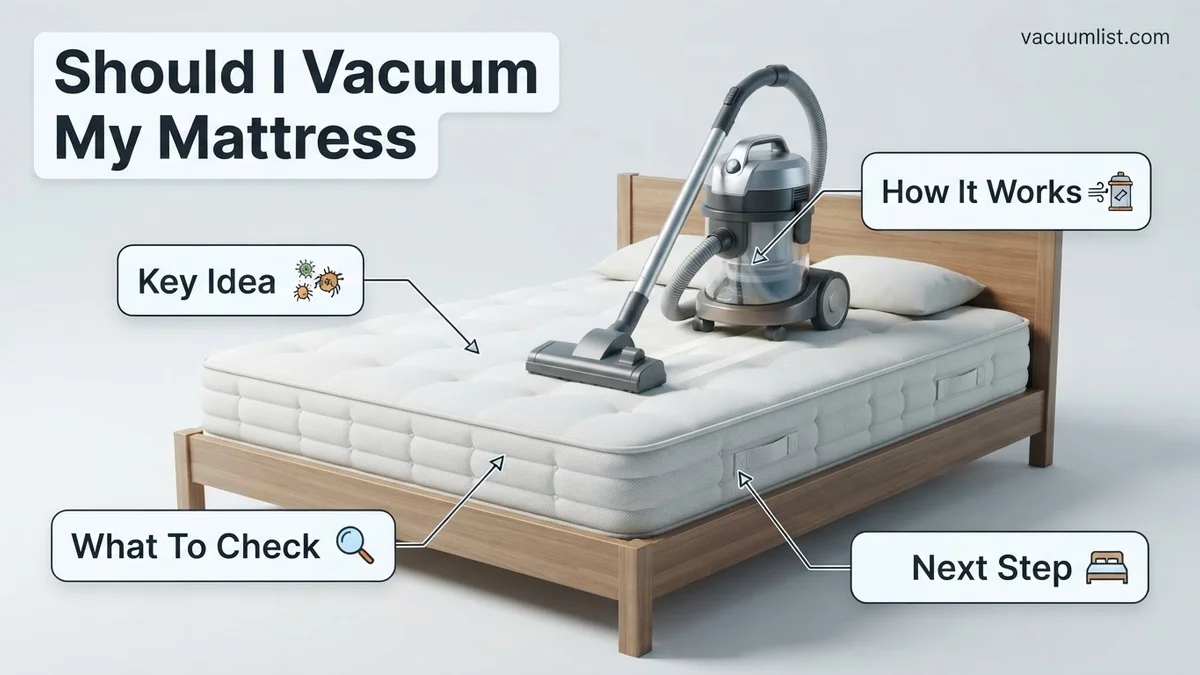
- Top Surface First: Begin on the top surface. Use slow, overlapping strokes, applying moderate pressure. Move the vacuum in a grid pattern, first horizontally, then vertically, to ensure comprehensive coverage. Spend at least 30 seconds per square foot, as recommended by environmental health experts.
- Sides and Crevices: Don’t overlook the mattress sides. Use the crevice tool to thoroughly vacuum along the seams, piping, and any tufts where dust mites and debris accumulate.
- Flip and Repeat: If your mattress is flippable, carefully turn it over and repeat the vacuuming process on the underside. For non-flippable models, vacuum the bottom edges accessible.
3. Post-Vacuum Care
- Empty and Clean: Immediately empty the vacuum canister or replace the bag to prevent re-releasing allergens. Clean the vacuum’s filter as per manufacturer guidelines.
- Deodorize (Optional): Lightly sprinkle baking soda over the mattress, let it sit for 15-30 minutes to absorb odors, then vacuum it up thoroughly. This is particularly effective for neutralizing residual smells.
- Protect: Cover your clean mattress with a high-quality, zippered, allergen-proof mattress protector. These protectors, often made from advanced microfiber or smart fabric blends by 2027, create a barrier against future dust mite infestation and spills.
What If Your Mattress Still Feels Dirty? Complementary Solutions
Vacuuming is a foundational step, but for a truly refreshed mattress experience, complementary methods are crucial. Modern mattress care integrates advanced technologies to tackle issues beyond surface dust.
1. Targeted Spot Cleaning and Stain Removal
For visible stains or lingering odors, targeted cleaning is necessary. Never drench your mattress with liquid, as this can lead to mold and mildew. Instead, use specialized enzyme-based mattress stain removers available in 2027, formulated to break down organic matter without over-wetting. Apply sparingly with a clean cloth, blot (do not rub), and allow the area to air dry completely, potentially using a fan for accelerated drying.
2. Advanced Mattress Protectors and Toppers
Beyond basic allergen barriers, 2027 mattress protectors offer enhanced features. Look for models with integrated cooling technology, antimicrobial treatments, or moisture-wicking properties. A high-quality mattress topper, featuring materials like graphite-infused memory foam or advanced latex, can not only add comfort but also provide an additional, washable layer of protection, extending the lifespan and cleanliness of your mattress. Leading brands now offer protectors validated to block particles down to 0.5 microns, effectively stopping dust mites and pet dander.
3. Room Air Purification and Humidity Control
Maintaining optimal indoor air quality significantly impacts mattress cleanliness. A 2026 study in “Indoor Air Quality Journal” found that using a HEPA-equipped air purifier in the bedroom can reduce airborne allergen concentration by 45%. Additionally, keeping bedroom humidity levels between 40-50% with a smart dehumidifier inhibits dust mite proliferation and mold growth. These environmental controls create a less hospitable environment for common mattress contaminants, reducing the frequency and intensity of necessary mattress cleaning.
What If It Still Doesn’t Work? Professional Help and Mattress Replacement
Despite diligent vacuuming and complementary methods, some mattress issues persist. Persistent odors, deep-seated stains, or irreversible structural sagging indicate a need for more drastic solutions.
- Professional Mattress Cleaning: Certified upholstery and mattress cleaning services use specialized equipment, such as commercial-grade steam cleaners and extraction machines, to deep clean and sanitize mattresses. These services can effectively remove deep stains, odors, and eradicate embedded allergens that home vacuums cannot reach. Expect costs to range from $150 to $400 in 2027, depending on mattress size and severity of the issue.
- Ozone Treatment: For severe odor issues, some professional services offer ozone treatments. This process uses an ozone generator to neutralize odors at a molecular level, but requires the room to be vacated during treatment. Consult with professionals regarding its suitability and safety.
- Mattress Replacement: The most definitive solution for an old, irreparably soiled, or structurally compromised mattress is replacement. Most mattresses are designed for 7-10 years of optimal use. A mattress beyond this age often harbors significant allergens and can negatively impact sleep quality and spinal alignment. Consider recycling options for old mattresses, widely available in major cities by 2027 for a small fee (typically $20-$70).
Conclusion
Regular vacuuming is a vital, yet often overlooked, component of mattress hygiene. It significantly reduces allergens and surface debris, contributing to a healthier sleep environment. However, for complete mattress care, it must be integrated with targeted cleaning and protective measures. According to verified research and expert sources, aim to vacuum your mattress thoroughly every 1 to 3 months to maintain optimal cleanliness and prolong its lifespan.
❓ Frequently Asked Questions
What are the main benefits of vacuuming my mattress?
Vacuuming primarily removes dust mites, dead skin cells, and allergens like pet dander, which can accumulate significantly over time. This practice improves air quality in your bedroom and can alleviate allergy or asthma symptoms, contributing to better sleep and overall health.
Is it safe to vacuum all types of mattresses?
Generally, yes, vacuuming is safe for most mattress types including innerspring, memory foam, and latex. However, be gentle on softer materials like pillow tops and avoid excessive moisture if using a wet/dry vac, as moisture can damage foam and encourage mold.
What’s the best technique for vacuuming a mattress effectively?
First, remove all bedding. Use the upholstery attachment and vacuum the entire mattress surface in slow, overlapping strokes, applying gentle pressure. Don’t forget the sides and, if possible, vacuum the underside after flipping.
Can a regular vacuum cleaner be used, or do I need a special one?
A regular vacuum cleaner with good suction and an upholstery attachment is perfectly adequate for mattress vacuuming. For enhanced allergen removal, a vacuum with a HEPA filter is highly recommended, as it traps microscopic particles more effectively.
What else can I do for mattress hygiene besides vacuuming?
Complement vacuuming by regularly washing your bedding in hot water, using a breathable and washable mattress protector, and airing out your mattress periodically. Spot clean any spills immediately with a mild cleaner and allow to dry completely.
How quickly do dust mites return after vacuuming?
While vacuuming significantly reduces the current population, dust mites are ubiquitous and will naturally start to repopulate relatively quickly. This is why consistent, regular vacuuming every 1-3 months is crucial for maintaining low allergen levels and effective hygiene.