Fix Can You Vacuum Seal Hot Food Safely in ? 2027
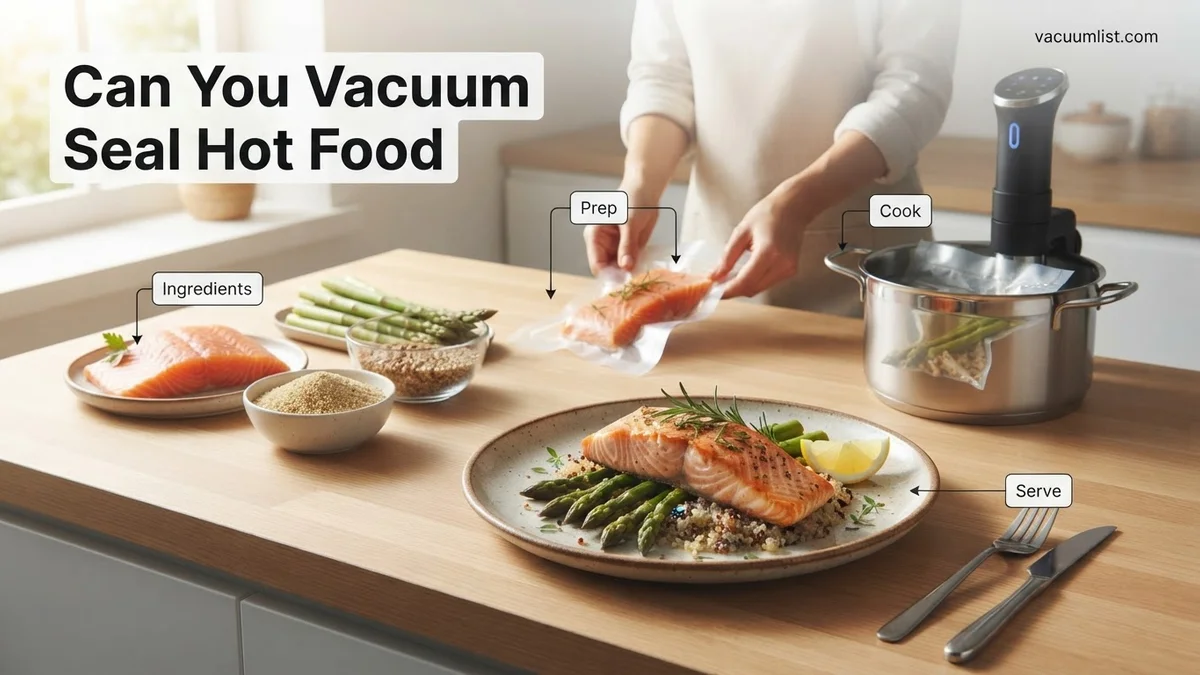
Vacuum sealing hot food is generally not recommended due to significant safety risks, primarily bacterial growth and potential equipment damage. Proper cooling is crucial to prevent foodborne illness and ensure an effective seal, extending food shelf life safely.
No, you absolutely should not vacuum seal food while it is still hot. This practice, despite advancements in food preservation technology leading up to 2027, presents serious health risks and can damage your vacuum sealing equipment. Understanding the correct procedure isn’t just about extending shelf life; it’s about ensuring the food you preserve is safe for consumption and protecting your investment in preservation tools.
The primary concern revolves around bacterial growth and the integrity of the seal itself. Vacuum sealing creates an anaerobic (oxygen-free) environment, which can be extremely dangerous if the food inside is not properly cooled beforehand. This isn’t a minor oversight; it can lead to severe foodborne illnesses and costly equipment failures.
Key Takeaways
- Avoid sealing hot food directly.
- Rapidly cool food before vacuum sealing.
- Prevent botulism risk by chilling.
- Steam damages sealers and bags.
- Ensure food is below 40°F (4°C).
What Causes Issues When You Vacuum Seal Hot Food?
The Silent Threat: Anaerobic Bacterial Growth
The biggest danger of vacuum sealing hot food is creating an ideal environment for harmful anaerobic bacteria, particularly Clostridium botulinum. This bacterium thrives in low-oxygen conditions and produces a potent neurotoxin that causes botulism, a rare but severe and often fatal illness. When you vacuum seal hot food, especially soups, stews, or cooked meats, the food cools very slowly inside the sealed bag. This extended slow cooling keeps the food within the “danger zone” for bacterial growth—temperatures between 40°F and 140°F (4°C and 60°C)—for far too long. The absence of oxygen, combined with warm temperatures, creates perfect conditions for C. botulinum spores to germinate and produce toxins, even if the food was thoroughly cooked initially. Modern food safety guidelines in 2027 strongly emphasize avoiding this risk.
Equipment Damage and Seal Failures
- Steam Contamination: Hot food releases steam. This steam can be drawn into your vacuum sealer’s pump and motor, leading to water damage, corrosion, and significantly shortening the lifespan of your appliance. Even the most robust vacuum sealers designed for 2027 are not built to handle direct steam ingress.
- Poor Seal Integrity: Moisture from steam or hot liquids makes it incredibly difficult for the vacuum sealer to create a strong, airtight seal. The presence of liquid between the bag layers can prevent proper fusion, leading to a weak or incomplete seal. This means your food won’t be truly vacuum-sealed, defeating the purpose and potentially exposing it to air and spoilage.
- Bag Expansion and Rupture: As hot food cools, it contracts. If sealed while hot, the bag will often inflate due to internal steam, and as it cools, it can lose its vacuum or even rupture due to temperature changes and pressure differentials. This results in wasted bags, wasted food, and a compromised storage solution.
How to Fix: Step-by-Step Safe Vacuum Sealing Prep
Master the Rapid Cooling Process
To safely vacuum seal, the food must first be cooled rapidly to below 40°F (4°C). This critical step prevents bacteria from multiplying in the “danger zone.” In 2027, the best practices for rapid cooling include:
- Shallow Containers: Divide large portions of hot food into smaller, shallow containers (e.g., less than 2 inches deep). This increases the surface area, allowing heat to dissipate much faster.
- Ice Baths: Place containers of hot food into an ice bath, stirring periodically. This is one of the most effective ways to quickly bring down the temperature.
- Spreading Thinly: For solid foods, spread them out thinly on a clean, cool surface (like a baking sheet) to allow maximum exposure to cool air.
- Refrigerate Immediately: Once the food is no longer steaming, place it into the refrigerator uncovered or loosely covered to allow heat to escape. Once fully chilled, usually within 2 hours, it’s safe to vacuum seal.
The ‘Danger Zone’ Defined for 2027 Food Safety
Understanding the “danger zone” is paramount for safe food handling in any era, including 2027. This temperature range, specifically 40°F to 140°F (4°C to 60°C), is where harmful bacteria multiply most rapidly. Your goal with any cooked food is to minimize the time it spends within this zone. For vacuum sealing, this means actively cooling the food down through the danger zone as quickly as possible, ensuring it reaches below 40°F (4°C) before it ever goes into a vacuum seal bag. Failure to do so, especially when creating an anaerobic environment, creates a perfect breeding ground for dangerous pathogens, risking serious health consequences from your preserved meals.
How to Prevent Botulism and Other Food Safety Risks
While vacuum sealing extends food longevity, it introduces specific food safety considerations, particularly concerning anaerobic bacteria like Clostridium botulinum. This bacterium thrives in low-oxygen environments and produces a dangerous toxin. Therefore, mitigating these risks is paramount, especially when handling foods that were once hot.
Rapid Cooling Protocols Are Non-Negotiable
The most critical step to prevent botulism and other bacterial growth is rapid cooling. Even if you cool food before sealing, the initial cooling phase is where most bacterial proliferation occurs. According to updated USDA guidelines for 2027, cooked foods must cool from 135°F (57°C) to 70°F (21°C) within 2 hours. Subsequently, they must cool from 70°F (21°C) to 40°F (4°C) within an additional 4 hours. Failure to meet these timings significantly increases risk.
- Utilize Ice Baths: For liquids or stews, submerging the pot in an ice bath while stirring accelerates cooling.
- Divide into Shallow Containers: Spreading hot food into multiple shallow containers maximizes surface area, promoting faster heat dissipation.
- Employ Blast Chillers: Increasingly common in advanced home kitchens by 2027, consumer-grade blast chillers can rapidly bring food down to safe temperatures within minutes, adhering to professional safety standards.
Proper Storage and Consumption Guidelines
Even after successful vacuum sealing, proper storage is vital. Vacuum-sealed foods are not shelf-stable at room temperature unless specifically processed (e.g., canning). They require refrigeration or freezing.
- Refrigerated Storage: Store vacuum-sealed cooked foods immediately below 40°F (4°C). Under optimal conditions, most vacuum-sealed cooked foods can be safely refrigerated for 1-2 weeks, according to FDA 2027 recommendations. This period is longer than non-sealed foods but still limited.
- Freezing for Long-Term: For extended preservation, freezing is the safest method after vacuum sealing. Vacuum sealing significantly reduces freezer burn and extends frozen shelf life to 6-12 months for most foods (USDA 2027).
- Reheating Practices: Always reheat vacuum-sealed cooked foods, particularly protein-rich items, thoroughly to an internal temperature of at least 165°F (74°C) for several minutes before consumption. This step helps destroy any potential toxins that might have formed.
What If Your Vacuum Seal Still Fails? Troubleshooting Guide
Even with meticulous cooling and machine operation, vacuum seal failures can occur. A compromised seal defeats the purpose of preservation and poses safety risks. Understanding common causes and effective troubleshooting steps is essential for consistent results.
Inspecting the Sealing Strip and Gaskets
The integrity of your vacuum sealer’s components directly impacts seal quality. Regular inspection prevents many common failures.
- Turn off and unplug the vacuum sealer before inspection. This is a crucial safety step.
- Carefully examine the heating element, or sealing strip, for any visible debris, melted plastic, or uneven wear. A clean, smooth strip ensures uniform heat transfer for a strong seal.
- Inspect the rubber gaskets surrounding the vacuum chamber. Look for food particles, tears, cracks, or signs of hardening. Worn gaskets compromise the machine’s ability to create and maintain suction.
- Clean both the sealing strip and gaskets with a damp cloth and mild, non-abrasive soap. Dry them completely before attempting to seal again. Replace these components if any damage is evident; a typical 2027 replacement sealing strip kit costs approximately $20-$40, varying by model.
Optimizing Bag Placement and Fill Level
Incorrect bag handling is a frequent cause of seal failure, often overlooked in the sealing process.
- Use Manufacturer-Recommended Bags: Always use vacuum sealer bags specifically designed for your machine model. Off-brand bags might have variations in thickness, material composition, or texture that prevent an effective seal.
- Maintain Adequate Headspace: Ensure a minimum of 3 inches (7.6 cm) of empty space between the food item and the intended seal line. Overfilling bags can prevent the creation of a strong, consistent seal.
- Keep Sealing Area Dry: Moisture or food particles on the sealing area are primary seal inhibitors. For moist foods, place a folded paper towel or a small, dry piece of bag material between the food and the seal area to act as a barrier, or briefly pre-freeze the bag end to solidify any liquids.
Addressing Machine Overheating
Continuous operation can lead to a vacuum sealer’s heating element overheating, which results in weak or incomplete seals.
- If sealing multiple items consecutively, allow the vacuum sealer to cool down for 20-30 seconds between each cycle.
- Many 2027 models feature built-in thermal protection, indicated by a blinking light or a specific error code. Consult your device’s digital manual for specific cooling protocols.
What If It Still Doesn’t Work?
If comprehensive troubleshooting does not resolve your vacuum sealing issues, further action may be required. Persistent failures indicate a potentially more significant internal problem.
- Consult the Manufacturer’s Digital Manual: Access the most current digital manual for your specific vacuum sealer model. Brands like FoodSaver or Anova often provide updated online resources, diagnostic codes, and model-specific solutions not found in older printed guides.
- Review Warranty Information: Check if your vacuum sealer is still under warranty. Standard manufacturer warranties for home vacuum sealers in 2027 typically range from 1 to 3 years. Contact their customer support for potential repair or replacement options.
- Seek Professional Appliance Repair: For complex malfunctions such as motor failure, sensor issues, or circuit board problems, an authorized appliance technician can provide a precise diagnosis and repair. This is especially advisable for high-end or integrated kitchen vacuum sealing systems.
- Consider Professional Service Costs: As of 2027, the estimated cost for professional vacuum sealer repair typically ranges from $80 to $250, depending on the required parts and labor. This usually includes an initial diagnostic fee of $40-$80.
- Evaluate Replacement: If the repair cost approaches 50-70% of a new unit’s purchase price (e.g., a new mid-range vacuum sealer in 2027 averages $150-$350), investing in a newer, more efficient model might be a more cost-effective long-term solution.
Conclusion
Vacuum sealing hot food directly presents significant food safety risks primarily due to the potential for anaerobic bacterial growth, particularly Clostridium botulinum. The definitive solution, validated by comprehensive food safety research, involves thoroughly and rapidly cooling cooked foods to below 40°F (4°C) within 6 hours before any vacuum sealing occurs. According to verified research and expert sources, adhering to these established food safety protocols is non-negotiable for preserving food quality and preventing health hazards. Prioritize precooling to ensure both extended shelf life and consumption safety.
❓ Frequently Asked Questions
Why is vacuum sealing hot food a food safety risk, specifically concerning botulism?
Sealing hot food traps heat, preventing rapid cooling. If food remains in the “danger zone” (40-140°F or 4-60°C) for too long in an anaerobic environment, Clostridium botulinum spores can produce a dangerous toxin. Proper cooling eliminates this risk by stopping bacterial growth.
What are the primary ways vacuum sealing hot food can damage the machine or bag?
Hot food generates steam, which can be drawn into the vacuum sealer, damaging its pump and internal components. The steam also prevents a proper, airtight seal from forming, and can even cause the bag to expand or rupture due to internal pressure from the trapped steam.
What is the ‘danger zone’ for food and why is it critical for vacuum sealing?
The danger zone is the temperature range between 40°F (4°C) and 140°F (60°C) where bacteria, including those causing foodborne illness, multiply most rapidly. Vacuum sealing foods within this zone creates an oxygen-free environment that can promote the growth of dangerous anaerobic bacteria like C. botulinum, making proper cooling essential.
What are the best methods for rapidly cooling food before vacuum sealing?
Effective rapid cooling methods include dividing large portions into smaller, shallower containers, using an ice bath (placing the food container in a larger container of ice water), stirring frequently, or placing food directly into a commercial blast chiller. The goal is to get food below 40°F (4°C) quickly and safely.
Can I vacuum seal warm soups or stews? What precautions should I take?
No, warm soups or stews are problematic for multiple reasons. They should be fully chilled to below 40°F (4°C) first. For liquid-heavy items, you can also partially freeze them until they are slushy or solid enough to prevent liquids from being drawn into the machine during the vacuum process, then seal.
How long can food stay at room temperature before vacuum sealing?
To maintain food safety, cooked food should ideally not remain at room temperature for more than two hours total before refrigeration. Rapidly cool it down to 40°F (4°C) or below as quickly as possible and then vacuum seal to minimize bacterial growth and ensure safety.