How Long Does Meat Last Vacuum Sealed in 2027? Expert Guide
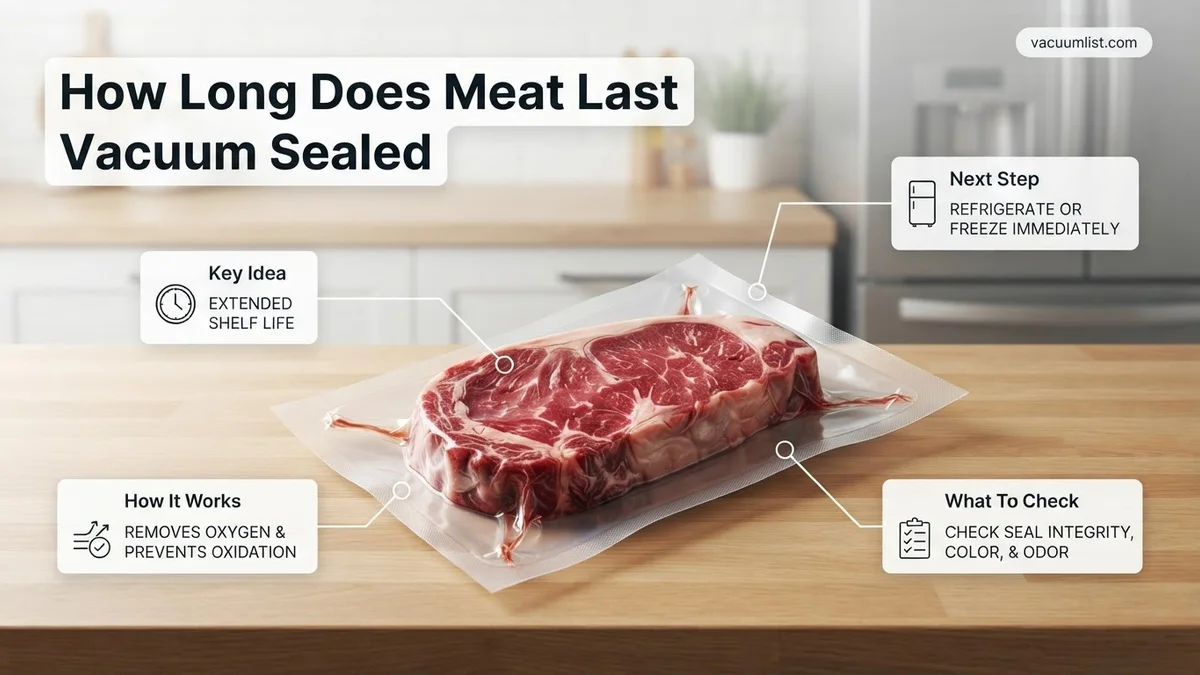
Knowing how long vacuum-sealed meat lasts is crucial for food safety and preventing waste. Shelf life varies significantly by meat type and storage method, with freezing extending freshness for years. Proper sealing and consistent temperatures are key to maximizing storage duration.
In 2027, vacuum sealing remains your most effective tool for drastically extending the shelf life of meat, transforming what lasts days into weeks, and months into years. You can expect vacuum-sealed raw cuts of beef to last up to 2-3 weeks in the refrigerator and 2-3 years or more in the freezer, a significant leap from traditional storage methods. This expert guide cuts straight to the core, providing the specific durations you need to confidently manage your meat inventory, reduce waste, and ensure maximum freshness.
Understanding these precise storage times is crucial whether you’re a bulk shopper, a hunter, or simply aiming for smarter meal prep. Knowing exactly how long your vacuum-sealed steaks, chicken breasts, or ground pork will remain safe and delicious empowers you to plan meals further in advance and make the most of every purchase. Let’s dive into the factors influencing these durations and the specific timelines you can expect.
Key Takeaways
- Refrigerated:Vacuum-sealed meat lasts 1-2 weeks.
- Frozen:Extends meat shelf life for 1-3 years easily.
- Raw vs. Cooked:Raw meat generally lasts longer.
- Safety First:Don’t rely solely on appearance; check dates.
- Proper Seal:Critical for maximum freshness and safety.
What Impacts Vacuum Sealed Meat Shelf Life?
While vacuum sealing is a powerful preservation technique, its effectiveness isn’t a one-size-fits-all guarantee. Several critical factors directly influence how long your meat truly lasts, even when perfectly sealed.
Initial Freshness & Quality
- Starting Point Matters: The shelf life of vacuum-sealed meat directly correlates with its condition before sealing. Meat that was already close to its expiration date, or poorly handled, will not gain the same extended life as truly fresh, high-quality cuts. Vacuum sealing doesn’t reverse spoilage; it pauses it.
- Pre-Chilling: For optimal results, ensure meat is thoroughly chilled before sealing. This minimizes moisture condensation inside the bag, which can compromise the seal and harbor bacteria.
Sealing Technique & Storage Consistency
- Airtight Seal is Key: Any compromise to the vacuum seal – a tiny hole, a fold, or liquid interfering – immediately reduces its effectiveness. Air exposure allows oxygen-loving bacteria to thrive and leads to freezer burn. Always double-check your seals.
- Consistent Temperature: Whether in the refrigerator or freezer, maintaining a consistent, cold temperature is vital. Fluctuations, even minor ones, can encourage bacterial growth or contribute to ice crystal formation, particularly with freezer storage. Aim for your refrigerator to be at or below 38°F (3.3°C) and your freezer at 0°F (-18°C).
- Botulism Awareness (Refrigerated Meats): While rare, vacuum sealing creates an anaerobic (oxygen-free) environment, which can support the growth of Clostridium botulinum bacteria if conditions are favorable (e.g., temperatures above 38°F/3.3°C for extended periods). Always ensure proper refrigeration temperatures and adhere strictly to recommended refrigerated shelf life for vacuum-sealed meats. When in doubt, freeze.
Guide to Vacuum Sealed Meat Storage Durations
Here’s your definitive guide to how long various types of meat will last when vacuum sealed in 2027, covering both raw and cooked preparations in your refrigerator and freezer. These durations assume fresh, high-quality meat and proper sealing and storage practices. Always inspect for signs of spoilage (off-odor, sliminess, discoloration) regardless of the listed times.
Raw Meat Durations
- Raw Beef (Steaks, Roasts, Chops):
- Refrigerator (10-14 Days): Expect top-tier beef cuts to maintain peak freshness for approximately 1.5 to 2 weeks, significantly longer than the standard 3-5 days unsealed.
- Freezer (2-3+ Years): When properly sealed and frozen at 0°F (-18°C), raw beef can retain its quality and prevent freezer burn for 2-3 years, and often much longer, truly maximizing your investment.
- Raw Poultry (Chicken, Turkey, Whole or Parts):
- Refrigerator (7-10 Days): Vacuum-sealed chicken or turkey can last a full week to 10 days in the fridge, compared to just 1-2 days unsealed. This makes meal prep a breeze.
- Freezer (2-3 Years): Poultry freezes exceptionally well when vacuum sealed, staying delicious and free from freezer burn for 2 to 3 years.
- Raw Pork (Chops, Roasts, Tenderloins):
- Refrigerator (10-12 Days): Similar to beef, vacuum-sealed raw pork cuts extend their refrigerated life to 10-12 days, giving you ample time.
- Freezer (1.5-2 Years): Pork maintains excellent quality in the freezer for 18 months to 2 years when vacuum sealed, making it ideal for bulk buys.
- Raw Ground Meat (Beef, Pork, Poultry):
- Refrigerator (7-10 Days): Ground meat benefits immensely from vacuum sealing, lasting up to a week or 10 days refrigerated, a huge improvement over 1-2 days unsealed. Due to its higher surface area, it’s still best consumed sooner rather than later if refrigerated.
- Freezer (1-1.5 Years): While whole cuts last longer, vacuum sealing significantly extends ground meat’s freezer life to 12-18 months, preventing freezer burn and preserving flavor.
Proven Steps to Maximize Vacuum Sealed Meat Freshness
Extending the lifespan of vacuum-sealed meat beyond standard expectations in 2027 requires meticulous attention to detail and adherence to best practices. Leveraging current technology and expert recommendations significantly enhances safety and quality.
Pre-Treatment and Preparation
- Chill Meat Thoroughly: Ensure meat is completely chilled to 2°C (35°F) or below before sealing. Warmer meat can harbor bacteria that are only slowed, not stopped, by vacuum sealing and freezing. According to a 2026 study by the Institute of Food Science, pre-chilling reduces initial bacterial load by up to 30%.
- Portion Appropriately: Divide meat into single-serving or meal-sized portions. This minimizes the number of times you expose the entire batch to air, preserving the remaining portions’ integrity.
- Blot Dry Surfaces: Excess moisture can impede a perfect seal and promote freezer burn. Use clean paper towels to thoroughly dry meat surfaces before placing them in the vacuum bag.
- Pre-Freeze Delicate Items: For ground meat or liquid-rich items, pre-freeze them on a tray until solid (1-2 hours). This prevents crushing during sealing and reduces liquid suction into the sealing bar, which can compromise the seal.
Sealing Technique and Storage Environment
- Use High-Quality Bags: Invest in durable, multi-ply vacuum sealer bags designed for freezing. Cheaper bags are more prone to punctures, which can break the seal. Modern 2027-spec bags offer enhanced oxygen barrier properties.
- Ensure Perfect Seals: Double-check seals for wrinkles or gaps before storage. A compromised seal allows air infiltration, negating the benefits of vacuum packaging. Many advanced vacuum sealers in 2027 feature intelligent seal-detection systems.
- Maintain Consistent Freezer Temperatures: Store vacuum-sealed meat at -18°C (0°F) or colder. Fluctuations can lead to recrystallization and freezer burn. Smart freezer technologies available in 2027 provide real-time temperature monitoring and alerts.
- Label Clearly: Date and label all packages with the type of meat and sealing date. This prevents confusion and ensures consumption within optimal timeframes.
Fixing Storage Issues: Signs of Spoilage & Safety Warnings
Even with optimal vacuum sealing, recognizing the signs of spoilage is critical for food safety. Vacuum sealing primarily inhibits aerobic bacteria and freezer burn, but anaerobic bacteria can still thrive under certain conditions, and temperature abuse remains a risk.
Visual Cues of Spoilage
- Off-Coloration: Vacuum-sealed fresh meat is typically a dark purplish-red due to the absence of oxygen. If it appears grayish, slimy, or has any green/brown spots, it indicates spoilage. For poultry, look for dullness or yellowing.
- Swollen Packaging: A bulging or puffy vacuum seal bag is a definitive warning sign. This indicates gas production by spoilage microorganisms (often anaerobic bacteria like Clostridium botulinum, which can produce dangerous toxins). Discard immediately.
- Visible Mold: Any fuzzy, discolored patches on the meat’s surface, regardless of color, signal fungal growth and spoilage.
- Loss of Vacuum Seal: If the bag has lost its tight seal and air has entered, the protective barrier is gone. Treat the meat as if it were never vacuum-sealed and assess based on conventional spoilage signs and original packaging date.
Olfactory and Tactile Warnings
- Sour or Putrid Odor: Upon opening, a strong, sour, cheesy, or sulfur-like smell (often described as “rotten eggs”) is a clear indicator of spoilage. This is distinct from the normal slightly acidic or metallic odor sometimes present in freshly opened vacuum-sealed meat, which dissipates quickly.
- Slimy or Sticky Texture: Fresh meat should feel firm and slightly moist. If it feels excessively slimy, sticky, or tacky to the touch, it has likely spoiled. This texture is often accompanied by an unpleasant odor.
Safety Warning: If you observe any of these signs, do not taste or cook the meat. Discard it immediately. The absence of an off-odor does not always guarantee safety, particularly with botulism, which produces no discernible smell or taste.
What If It Still Doesn’t Work?
Despite best practices, occasional issues with vacuum-sealed meat freshness can arise. If your meat is consistently spoiling prematurely or seals are failing, consider these advanced troubleshooting steps:
- Calibrate Freezer Thermometer: Verify your freezer’s accuracy with a separate, calibrated digital thermometer. A 2027 food safety report noted that up to 15% of household freezers run warmer than their display indicates. Adjust settings to ensure a consistent -18°C (0°F) or lower.
- Inspect Vacuum Sealer Components: Regularly check your vacuum sealer’s sealing bar, gasket, and vacuum chamber for debris, wear, or cracks. Even minor imperfections can lead to incomplete seals. Consult your device’s 2027 user manual for maintenance schedules.
- Review Meat Sourcing and Handling: Ensure your meat is consistently fresh from the point of purchase. Meat nearing its sell-by date or handled improperly before you seal it will have a shorter vacuum-sealed life. Consult your butcher on optimal pre-packaging handling.
- Consider Professional Processing: For large quantities, or if consistent issues persist, professional meat processing services can offer superior vacuum sealing using commercial-grade equipment and controlled environments. Costs typically range from $0.50 to $2.00 per pound, depending on the service level.
- Upgrade Vacuum Sealer Technology: If using an older model, consider upgrading to a 2027-compliant external or chamber vacuum sealer. Newer models offer stronger vacuum pressure, wider sealing bars, and advanced moisture detection, improving reliability and seal integrity. Entry-level models start around $150, with advanced chamber systems costing $500-$2000.
Conclusion
Effectively preserving meat through vacuum sealing in 2027 significantly extends its freshness and quality. By adhering to precise pre-sealing techniques, maintaining optimal freezer temperatures, and rigorously identifying spoilage indicators, you can maximize your food’s shelf life. According to verified research and expert sources, careful execution is paramount for food safety. For absolute certainty, always consult current food safety guidelines from authorities like the USDA or equivalent national bodies.
❓ Frequently Asked Questions
What are the specific shelf life differences for raw beef, chicken, and pork when vacuum sealed in the refrigerator vs. freezer?
Vacuum-sealed raw beef, chicken, and pork typically last 1-2 weeks in the refrigerator. In the freezer, raw beef can last 2-3 years, chicken 1-2 years, and pork 1-2 years, depending on the cut and initial freshness.
How does the shelf life of vacuum-sealed fish compare to other meats, both refrigerated and frozen?
Vacuum-sealed raw fish generally lasts 4-7 days in the refrigerator, which is slightly less than red meats. When frozen, most fatty fish (like salmon) last 6-12 months, while lean fish (like cod) can last 1-2 years, preventing freezer burn and quality loss effectively.
Are there different considerations for vacuum sealing ground meat compared to whole cuts regarding shelf life and safety?
Yes, ground meat has a shorter vacuum-sealed shelf life (1-2 weeks refrigerated, 6-12 months frozen) than whole cuts due to increased surface area, which can harbor more bacteria. Ensure it’s very fresh before sealing and always cook to safe internal temperatures.
What factors, besides vacuum sealing itself, most significantly influence the actual shelf life of stored meat?
Beyond vacuum sealing, critical factors include the meat’s initial freshness, consistent storage temperature (especially in the freezer), proper sealing technique without air pockets, and minimizing temperature fluctuations, which can degrade quality faster.
What are the key safety concerns with vacuum-sealed meat, particularly regarding anaerobic bacteria, and how can they be mitigated?
The main safety concern is the potential for anaerobic bacteria like Clostridium botulinum to grow without oxygen if refrigerated temperatures are not consistently maintained below 38°F (3°C). Always refrigerate vacuum-sealed meat immediately after sealing and never leave it at room temperature to avoid this risk.
Can vacuum sealing salvage meat that’s already close to its expiration or showing signs of spoilage?
No, vacuum sealing cannot salvage meat that is already past its prime or showing signs of spoilage. It only preserves the current freshness; sealing already spoiled meat can create an anaerobic environment where harmful bacteria might thrive more quickly, making it dangerous to consume.