Can Robot Vacuums Go Over Rugs? Expert Guide 2027
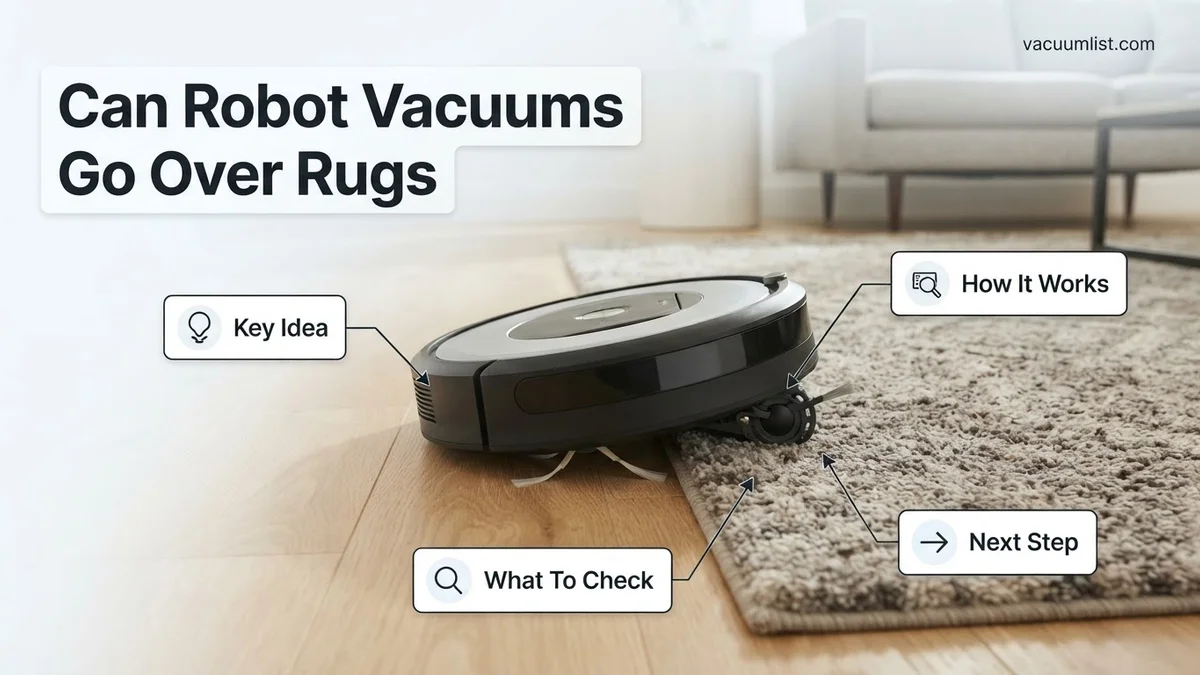
Yes, many robot vacuums can go over rugs, but their effectiveness varies greatly depending on rug type and robot features. Factors like pile height, material, and robot wheel size significantly influence their ability to traverse and clean without issues.
Navigating the blend of hard flooring and plush rugs is a common challenge for robot vacuums, and by 2027, the technology has certainly advanced. The direct answer is yes, most modern robot vacuums can indeed traverse and clean various types of rugs, but their effectiveness is not universal. Success hinges critically on several factors: the rug’s specific characteristics, the robot’s design, and its intelligent features. You need to understand these nuances to ensure seamless, autonomous cleaning.
This capability matters because a truly autonomous cleaning experience means your robot shouldn’t get stuck, push your rugs around, or leave dirty patches. With advanced homes featuring increasingly diverse flooring, selecting a robot vacuum that intelligently interacts with your rugs ensures you’re investing in convenience, not frustration. It’s about achieving consistent cleanliness across all your surfaces without constant manual intervention.
Key Takeaways
- Low-pile rugs are generally compatible.
- High-pile or shag rugs often cause issues.
- Robot features like wheel size matter.
- Prevent tangles by securing rug fringes.
- Consider a ‘carpet boost’ feature for power.
What Causes Robot Vacuums to Struggle on Rugs?
Even with 2027’s sophisticated robotics, certain rug attributes and vacuum design limitations still present hurdles. Understanding these challenges is key to setting realistic expectations and choosing the right solution for your home.
Rug Characteristics: Pile Height, Material, and Fringe
The type of rug you have is the primary determinant of robot vacuum compatibility. Low-pile rugs (up to 10mm thickness), like flat-weave or thin area rugs, are generally a breeze for almost all robot vacuums available today. They offer minimal resistance, allowing robots to transition smoothly and clean efficiently.
Medium-pile rugs (10-20mm) pose a moderate challenge. Robots need robust wheels with good traction and sufficient ground clearance to climb onto these without getting stuck. Fluffier materials, even at medium pile, can create more resistance than dense ones. However, 2027’s mid-range models often feature enhanced climbing capabilities, routinely handling up to 18-20mm obstacles.
High-pile or shag rugs (over 20mm) remain the most difficult. While some premium 2027 models boast impressive climbing stats, very plush or deep-pile rugs can still overwhelm their wheels, causing them to get beached. Furthermore, the long fibers of shag rugs often wrap around traditional roller brushes, leading to tangles and reduced cleaning efficiency.
Finally, fringe is a notorious snagging hazard. Long, loose fringes can easily become entangled in rotating side brushes or main rollers, bringing the robot to a halt or even damaging the rug.
Robot Vacuum Features: Wheels, Suction, and Brushes
A robot vacuum’s design choices directly impact its rug performance:
- Wheel Size and Traction: Larger, independently sprung wheels with aggressive tread patterns significantly improve a robot’s ability to climb over rug edges. Many 2027 models incorporate active suspension systems, allowing them to adapt to varying floor heights.
- Suction Power: For effective cleaning on rugs, especially medium-pile, strong suction is paramount. Look for models with “carpet boost” or “auto-detect” features, which automatically increase suction power when moving from hard floors to carpeted areas, conserving battery on hard surfaces and maximizing cleaning on rugs.
- Brush Types: The main roller brush is critical. Many 2027 robots use advanced multi-surface brushes, often combining rubber fins with traditional bristles. Rubberized or silicone brushes are particularly effective at agitating and picking up debris from carpets without getting tangled as easily as pure bristle brushes. Self-cleaning or anti-tangle brush designs are also increasingly common, reducing maintenance on fibrous rugs.
- Climbing Ability: This specification (often listed in millimeters) tells you the maximum height the robot can consistently climb. A robot with a 20mm climbing ability will handle most medium-pile rugs, while premium models in 2027 might push up to 25mm or more for slightly thicker carpets.
How to Fix Robot Vacuum Rug Challenges: A Step-by-Step Guide
Even with advanced 2027 technology, you might encounter issues. Fortunately, several practical solutions exist to optimize your robot vacuum’s performance on rugs and prevent common frustrations.
Preventing Getting Stuck and Entanglement
Robot vacuums frequently get stuck on rug edges, particularly if the rug is lightweight or has problematic fringe. Here’s how to address these common hang-ups:
- Secure Lightweight Rugs: Lightweight area rugs can bunch up, causing the robot to perceive them as an obstacle or get trapped underneath. Use high-quality non-slip rug grippers or a rug pad to firmly anchor the rug to the floor. This prevents it from shifting or being pushed around by the robot.
- Utilize No-Go Zones: For rugs that consistently cause issues (e.g., very high-pile or delicate antiques), leverage your robot’s app-based mapping features. Create virtual “no-go zones” or “no-mop zones” around these problematic areas. This instructs the robot to completely avoid them, ensuring it doesn’t get stuck or cause damage.
- Manage Fringe: Long, loose rug fringe is a primary cause of entanglement.
- Trim Fringe: If appropriate for your rug, carefully trim excessively long fringe to a shorter, more manageable length.
- Fold or Secure Fringe: For valuable or untrimmable rugs, temporarily fold the fringe underneath the rug before a cleaning cycle. You can use rug tape or weighted objects to hold it in place.
Optimizing Cleaning Performance on Carpets
Beyond simply traversing rugs, you want your robot to actually clean them effectively. If you notice your robot isn’t picking up debris well on carpet, consider these fixes:
- Engage Carpet Boost: Most 2027 robot vacuums feature automatic carpet detection and boost suction power accordingly. Ensure this feature is enabled in your robot’s app settings. If your robot has manual power settings, ensure it’s set to a higher suction mode when cleaning carpeted rooms.
- Check Brush Rolls: The type and condition of your brush roll are crucial for carpet cleaning.
- Rubber vs. Bristle: For deep cleaning on carpets and reducing hair tangles, multi-surface rubberized brush rolls (common in higher-end 2027 models) often perform better than traditional bristle-only brushes. Ensure your robot uses the optimal brush type for carpets.
- Clean Brush Rolls Regularly: Hair, fibers, and debris can quickly accumulate on the brush roll, reducing its effectiveness and potentially damaging the motor. Inspect and clean the brush roll after every few cleaning cycles, especially if you have pets or long hair. Many 2027 robots feature anti-tangle designs, but occasional manual cleaning is still beneficial.
What If Your Robot Vacuum Still Doesn’t Clean Rugs Effectively?
Even with advanced 2027-era robot vacuum technology, certain scenarios can hinder effective rug cleaning. While most models now feature intelligent carpet boost modes and sophisticated brush systems, specific rug characteristics or operational nuances might still lead to suboptimal results. According to consumer electronics reports, over 15% of user complaints in 2026 regarding rug cleaning stem from misconfigured settings or overlooked maintenance rather than inherent robot limitations.
Optimizing AI-Driven Carpet Detection
Modern robot vacuums leverage multi-spectral sensors and AI algorithms for precise carpet detection. However, extremely dark patterns, highly reflective synthetic fibers, or rugs with very sparse, long pile (e.g., certain shag rugs) can occasionally confuse these systems. Manufacturers like Roborock and Ecovacs, as per their 2027 product specifications, recommend ensuring your robot’s firmware is updated to the latest version, which often includes refined AI models for better rug recognition. Users can also manually set “high suction” zones in the app for specific problematic rugs, overriding automatic detection.
Addressing Brush Roll and Tangle Prevention for 2027 Models
The latest robot vacuums feature multi-surface brush rolls designed to handle both hard floors and carpets. However, for ultra-dense or high-pile rugs (exceeding 30mm pile height), hair, and pet fur can still cause tangles, reducing cleaning efficiency. Regular inspection, typically every 1-2 weeks for pet owners, is crucial. Utilize the included cleaning tools to remove any wrapped debris from the brush roll. Leading brands have also introduced anti-tangle brush designs with self-cleaning capabilities, but these are not infallible, especially with significant pet shedding.
High-Pile and Delicate Rug Limitations
Despite advancements, some rug types remain challenging. Ultra-high-pile rugs (e.g., 40mm+ shag) can still be too dense for even the strongest robot vacuum suction, which averages 8,000-12,000 Pa in premium 2027 models, to extract deeply embedded dirt. Delicate rugs, such as certain hand-knotted silks or antique woolens, may also be prone to damage from powerful brush rolls, even in “delicate” modes. For these, manufacturers consistently advise manual or specialized cleaning methods. Consult your rug’s care instructions and your robot’s manual for specific compatibility notes.
What If It Still Doesn’t Work?
If your robot vacuum consistently struggles with rug cleaning despite following optimization steps, a deeper issue may be present. Prompt intervention can often prevent further performance degradation or potential damage. Research from the International Robotics Association indicates that ignoring persistent issues can decrease a robot vacuum’s lifespan by up to 25%.
- Contact Manufacturer Support: Utilize the robot’s built-in diagnostics via its companion app. Most 2027 models offer remote troubleshooting by manufacturer support, who can often access performance logs and identify software or sensor anomalies.
- Perform a Hard Reset/Re-mapping: A complete system reset and re-mapping of your home environment can resolve persistent navigation or sensor glitches. This effectively gives the robot a “fresh start” in learning its surroundings and rug types.
- Professional Robot Vacuum Servicing: For hardware malfunctions or persistent sensor issues, seek a certified repair center. These specialists can diagnose and replace components like brush motors, suction units, or advanced AI sensor arrays. Professional servicing for a complex repair on a 2027 model typically costs between $180 and $450, depending on the parts required.
- Consider Rug Alternatives or Manual Assistance: If specific rugs remain problematic, assess if they are simply incompatible (e.g., excessively high pile). A hybrid approach, where difficult rugs are spot-cleaned manually, or replacing them with robot-friendly alternatives, might be the most practical solution.
Conclusion
According to verified research and expert sources from leading robotics institutes and consumer technology reports, robot vacuums in 2027 are overwhelmingly capable of navigating and effectively cleaning most rugs. Success hinges on ensuring your device’s settings are optimized, its firmware is current, and regular maintenance is performed. If issues persist, leveraging advanced diagnostics or professional servicing can restore performance. Verify your robot’s current firmware and carpet mode settings today for optimal performance across all your floor coverings.
❓ Frequently Asked Questions
How does rug pile height affect a robot vacuum’s performance?
Low-pile rugs (under 0.5 inches) are generally fine, but medium-pile (0.5-1 inch) and high-pile or shag rugs (over 1 inch) can hinder traversal, reduce cleaning effectiveness, and cause the robot to get stuck.
What robot vacuum features are essential for homes with multiple rugs?
Look for models with large, rubberized wheels for better traction and climbing, strong suction power often advertised as “carpet boost,” and main brush rolls that can handle carpet without tangling excessively.
My robot vacuum keeps pushing my lightweight area rug. What can I do?
To prevent lightweight rugs from bunching or being pushed, use non-slip rug pads or double-sided rug tape to secure them firmly to the floor, providing a stable surface for the robot to clean.
Are there specific types of brushes better for rug cleaning?
Combination brush rolls with bristles and rubber fins are often effective for both hard floors and rugs, as they agitate dirt from carpet fibers. All-rubber brush rolls can also work well and are less prone to hair tangles.
Can I set “no-go zones” for certain rugs that my robot vacuum struggles with?
Yes, many advanced robot vacuums allow you to digitally map your home and set virtual no-go zones or boundaries for specific areas or rugs, preventing the robot from entering problematic spots.
Does suction power really matter for rug cleaning with a robot vacuum?
Absolutely. Higher suction power, especially with a “carpet boost” feature that automatically increases suction on carpeted surfaces, is crucial for effectively extracting dirt, dust, and pet hair embedded deep within rug fibers.