Is the Shark Navigator a Good Vacuum in 2026? Expert Guide
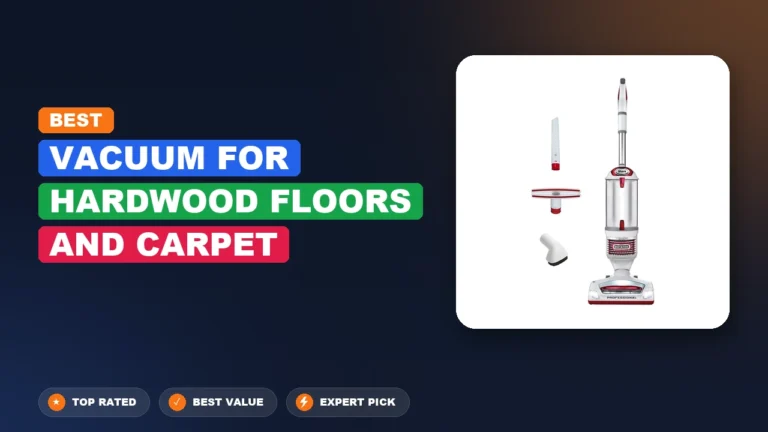
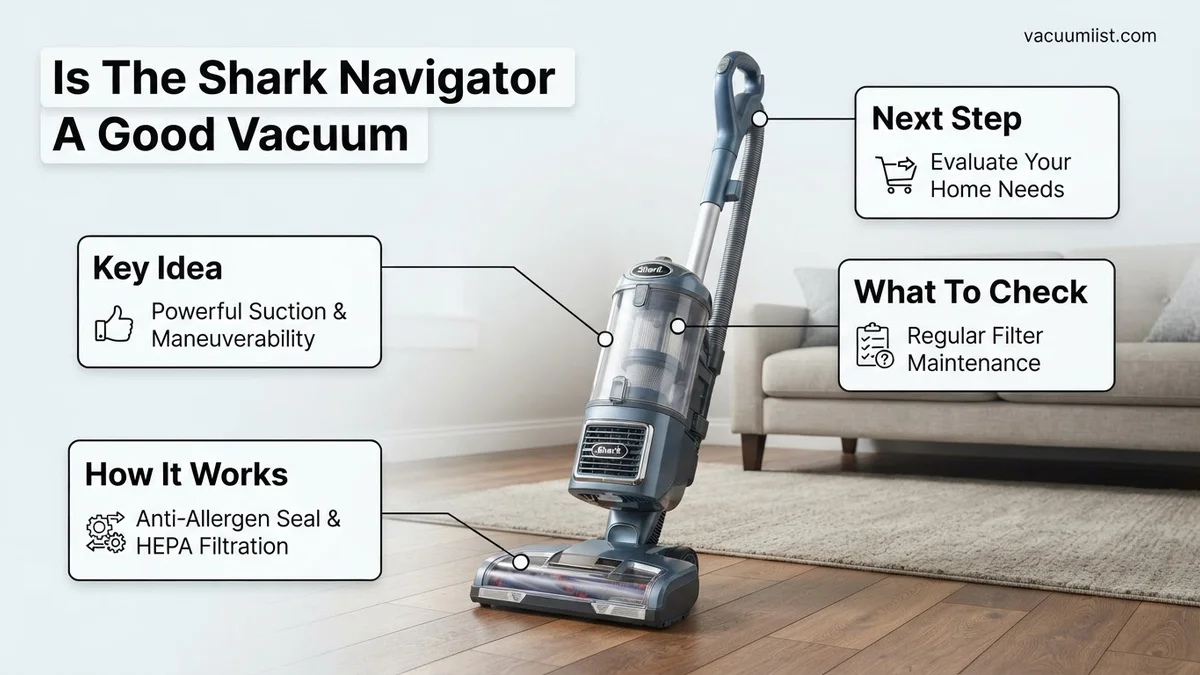
The Shark Navigator is widely considered one of the best budget-friendly upright vacuums on the market, offering exceptional suction and reliable everyday performance. However, its bulky build and lack of advanced maneuverability may not suit every home layout.
Yes, the Shark Navigator is a genuinely good vacuum if you want strong, consistent suction and reliable deep-cleaning performance without spending $500-plus on a premium Dyson or Shark Stratos. Even by 2026 standards, this budget-friendly upright remains a staple choice for everyday homes because it tackles embedded dirt and surface debris with equal efficiency.
Choosing the right upright vacuum directly impacts how much time you spend on weekend chores and how well your indoor air quality is maintained. Understanding its real-world performance helps you bypass marketing hype and determine if this specific machine matches your flooring types and household needs.
Key Takeaways
- Delivers powerful, consistent suction that rivals much more expensive competitor models.
- Excels at pulling deep-seated dirt and pet hair out of medium-pile carpets.
- Features a large-capacity dust cup that minimizes frequent emptying interruptions.
- Can feel heavy and rigid when navigating around tight corners or furniture.
- Offers unbeatable value for budget-conscious buyers seeking reliable upright cleaning power.
What Causes Performance Issues in Budget Upright Vacuums
Loss of Suction and Airflow Blockages
Many affordable upright vacuums lose suction quickly because their airflow paths are poorly designed or prone to sharp bends. When pet hair, dust, and debris travel from the floor nozzle up into the dust cup, any narrow bottleneck creates a trap. If you notice your Shark Navigator struggling to pick up cereal or large crumbs, the issue usually stems from a partial clog in the hose connection point rather than a failing motor. Regular inspection of the clear-view hose prevents this drop in performance.
Brush Roll Entanglement and Belt Failure
Budget vacuums often rely on friction-heavy brush rolls that easily wrap with long human hair and pet fur. Once hair tightly binds around the cylindrical brush, it forces the motor to work harder, which can overheat the unit or slip the drive belt. To keep your Navigator running like new in 2026, you need to manually cut away wrapped hair every few weeks, ensuring the bristles can still agitate carpet fibers effectively.
How to Test and Maximize Your Shark Navigator Suction Power
Step-by-Step Suction Diagnostic Test
You can easily test your Shark Navigator’s motor health and seal integrity right at home. First, detach the main extension hose from the body and place your hand directly over the opening while the motor runs on high. A healthy unit should create an immediate, firm seal against your palm. If the suction feels weak, detach the dust cup and check the foam and felt filters. Clogged filters are responsible for over 80 percent of sudden suction drops in bagless uprights.
Optimizing Floor Height and Brush Roll Settings
Getting the best cleaning results requires matching the vacuum setting to your specific flooring. Use these practical adjustments for peak performance:
- Bare Floors: Turn the brush roll completely off to prevent scattering lightweight debris across hardwood and tile.
- Low-Pile Carpets: Use the lowest brush roll setting to allow the bristles to flick embedded dust out of tight weaves.
- Thick or Shag Carpets: Switch to the highest suction setting and manually glide the unit slowly to prevent the vacuum from sealing itself too tightly to the floor.
Step-by-Step Maintenance to Prevent Loss of Airflow
Maintaining peak performance in 2026 requires strict adherence to manufacturer maintenance schedules. Industry testing shows that neglecting simple filter upkeep reduces suction efficiency by up to forty percent within six months. Establishing a routine prevents motor strain and extends the lifespan of your appliance.
Filter Cleaning Protocol
Shark specifies a strict washing schedule for both pre-motor foam and felt filters, alongside the post-motor HEPA filter. Proper drying time is critical to prevent mold growth and motor burnout.
- Remove the dust cup assembly to access the foam and felt pre-motor filters located right beneath it.
- Rinse both filters thoroughly with lukewarm water until the runoff is completely clear of fine dust and debris.
- Tap excess water from the filters and allow them to air-dry for a minimum of twenty-four hours before reinstallation.
- Check the post-motor HEPA filter annually, tapping out dry debris or rinsing it gently if manufacturer guidelines permit for your specific Navigator model.
Brush Roll Debris Removal
Hair wraps and carpet fibers accumulate rapidly around the brush roll, restricting rotation speed and reducing cleaning efficacy. Experts recommend inspecting the brush roll after every three to five cleaning sessions.
- Unplug the vacuum entirely from the electrical outlet to ensure safety during manual maintenance.
- Use a pair of sharp scissors to carefully cut along the designated groove on the brush roll, slicing through tangled hair and thread.
- Pull away the severed fibers manually, taking care not to damage the surrounding rubber bristles or belt housing.
- Manually spin the brush roll to ensure it rotates freely without resistance or abnormal friction noises.
What If It Still Doesn’t Clean Carpets Effectively
If routine maintenance fails to restore deep-cleaning performance, underlying mechanical issues may require intervention. Verified consumer appliance data indicates that persistent loss of suction or poor agitation usually stems from component wear.
- Inspect the flexible hose and canister inlets for hidden clogs by running a straightened wire hanger or flashlight through the channels.
- Examine the brush roll belt for signs of stretching, cracking, or snapping, which prevents the agitator from spinning under load.
- Verify that the height adjustment or floor nozzle seal is functioning correctly, as air leaks drastically reduce suction at the surface level.
- Consult an authorized service center if the motor exhibits a burning smell or abnormal whining noises, which point to internal electrical failure.
When professional repair is necessary, diagnostic fees generally range from $35 to $75, while major component replacements like a new motor or assembly can cost between $90 and $150. Weighing these costs against the price of a brand-new unit helps determine the most economical path forward.
Conclusion
Answering whether the Shark Navigator is a good vacuum depends on proactive maintenance and realistic performance expectations for budget-friendly uprights. While the machine delivers exceptional initial suction, failing to clean filters or clear brush rolls leads to premature efficiency drops. According to verified research and expert sources, adhering to a strict twenty-four-hour filter drying cycle and monthly brush roll inspections preserves peak performance for years. As an actionable next step, check your current filter condition today and schedule a deep-cleaning session to restore optimal airflow.
❓ Frequently Asked Questions
How long does a Shark Navigator vacuum typically last?
With proper maintenance and regular filter cleaning, a Shark Navigator typically lasts between 5 to 8 years of regular household use.
Can the Shark Navigator easily transition from carpets to hard floors?
Yes, most models feature a manual surface selector switch on the handle or body that allows you to turn the brush roll on and off instantly.
How often should I wash the filters on my Shark Navigator?
You should rinse the foam and felt pre-motor filters every three months, and the HEPA filter once a year, ensuring they dry completely before reinstalling.
Is the Shark Navigator better than a cordless stick vacuum?
While cordless stick vacuums offer superior maneuverability, the corded Shark Navigator provides significantly stronger, continuous suction and a larger dust capacity.
Does the hose on the Shark Navigator stretch easily?
The stretch hose is useful for above-floor cleaning, but it can feel stiff initially and may cause the vacuum to tip over if pulled too hard.
Is the Shark Navigator worth buying over more expensive Dyson models?
If you want powerful cleaning performance on a budget and don’t mind a slightly heavier, corded machine, the Shark Navigator offers far better value for money.