How Long Does Vacuum Sealed Smoked Salmon Last? Expert 2027
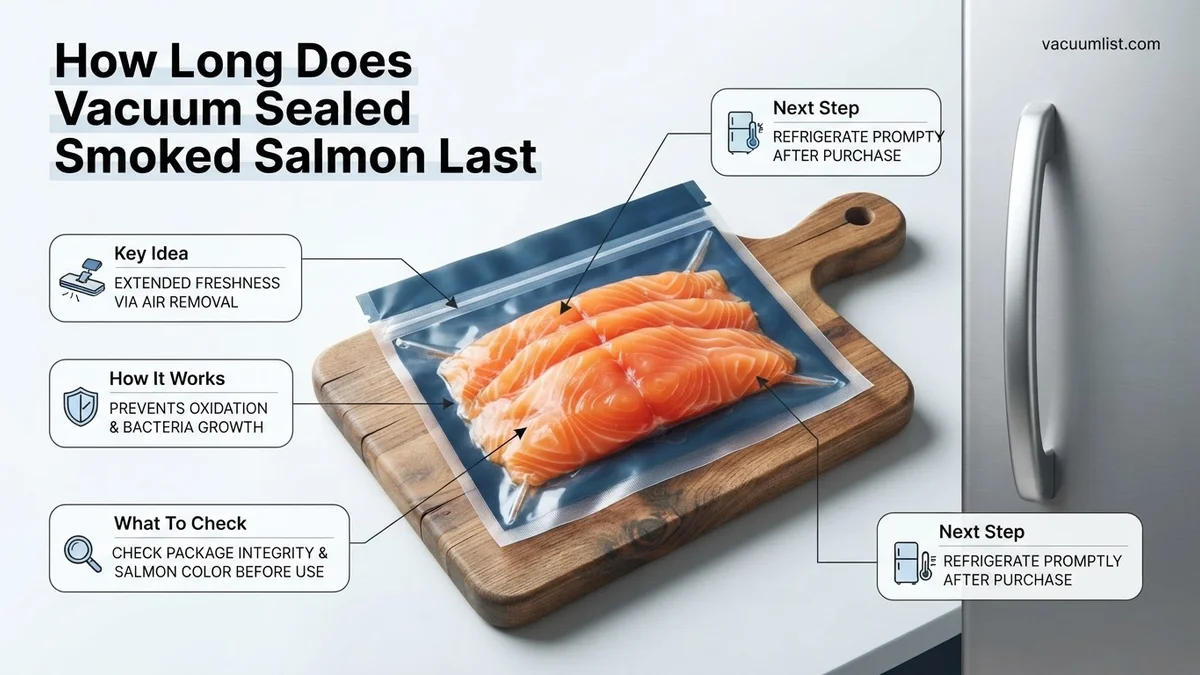
Vacuum-sealed smoked salmon lasts 2-3 weeks refrigerated unopened, 3-5 days once opened, and 2-3 months in the freezer. Always check the ‘best by’ date and look for signs of spoilage like off-smell or sliminess to ensure safety.
Vacuum-sealed smoked salmon, when properly stored unopened in your refrigerator, typically remains safe and high-quality for a surprising 2-3 weeks beyond its printed “best by” or “use by” date. Once that seal is broken, however, its shelf life dramatically shortens to a mere 3-5 days. Knowing these precise timeframes in 2027 helps you confidently enjoy your gourmet purchase without unnecessary food waste or, more importantly, any foodborne illness concerns.
This guide cuts directly to the essential details, providing clear, actionable insights into how long your vacuum-sealed smoked salmon truly lasts under various conditions. We’ll ensure your delicate salmon stays delicious and safe, helping you maximize enjoyment and minimize worry, whether it’s destined for a quick breakfast bagel or a sophisticated dinner.
Key Takeaways
- Unopened:Refrigerate up to 2-3 weeks past date.
- Opened:Consume within 3-5 days in the fridge.
- Freeze for 2-3 months for best quality.
- Spoilage:Discard if slimy, off-smelling, or discolored.
- Keep fridge below 40°F (4°C) for safety.
What’s the Real Shelf Life of Vacuum-Sealed Smoked Salmon?
Unopened and Refrigerated: The Sweet Spot
For unopened, commercially processed vacuum-sealed smoked salmon kept consistently cold in your refrigerator (ideally below 40°F or 4°C), you can generally expect a generous shelf life. Most expert guidance confirms it remains safe and optimal for 2 to 3 weeks past the “best by” or “use by” date printed on the packaging. This extended period is due to the vacuum seal preventing oxygen exposure, which significantly slows bacterial growth.
- Quality vs. Safety: While it might remain safe for a little longer if continuously refrigerated, its quality (texture, flavor, aroma) will start to degrade past this 2-3 week buffer.
- Practical Example: If your smoked salmon package shows a “best by” date of January 15, 2027, you can comfortably plan to consume it up to early February 2027, provided the seal remains intact and it’s been refrigerated properly.
- Optimal Temperature: A colder refrigerator can slightly push this timeframe, but always prioritize optimal quality within the 2-3 week extension for the best experience.
Opened and Refrigerated: A Brief Window
Once you break the vacuum seal on your smoked salmon, its shelf life drastically changes. Exposure to air immediately accelerates spoilage, reducing its safe consumption window to a mere 3-5 days. This holds true regardless of the original “best by” date on the package. Oxygen allows aerobic bacteria, which were previously suppressed, to multiply rapidly.
- Minimizing Exposure: To maximize these few days, tightly rewrap any unused salmon in plastic film or aluminum foil, or transfer it to an airtight container.
- Cross-Contamination: Always use clean utensils and surfaces when handling opened smoked salmon to prevent introducing new bacteria.
- Quick Consumption: Plan to use opened smoked salmon quickly in meals like salads, sandwiches, or appetizers to enjoy it at its peak quality and safety.
What Causes Vacuum-Sealed Smoked Salmon to Spoil?
Bacterial Growth and Oxygen Exposure
The primary culprits behind smoked salmon spoilage are bacteria and, once the seal is broken, oxygen exposure. While vacuum sealing removes oxygen, significantly slowing the growth of many spoilage organisms, it doesn’t eliminate all bacteria. One particular concern with smoked fish is Listeria monocytogenes, a bacterium capable of growing even at refrigeration temperatures. This is why strict adherence to storage guidelines and dates is crucial, especially for vulnerable populations.
- Oxygen’s Role: As soon as the vacuum seal is compromised, oxygen rushes in, creating an ideal environment for aerobic spoilage bacteria to thrive and multiply rapidly. This leads to quick deterioration.
- Temperature Abuse: Leaving vacuum-sealed smoked salmon at room temperature, even for a short period, can allow bacteria to multiply to dangerous levels quickly. The “danger zone” for food is between 40°F and 140°F (4°C and 60°C).
Quality Degradation: Beyond Safety
Even if not immediately unsafe, smoked salmon can “spoil” in terms of quality, becoming unappealing to eat. These changes typically manifest in its texture, flavor, and appearance long before it poses a significant health risk (assuming proper storage). Recognizing these signs helps you avoid a disappointing culinary experience.
- Texture Changes: The salmon might become overly slimy, mushy, or unnaturally dry and hard around the edges.
- Flavor and Aroma: A fresh, mild smoky flavor will turn distinctly fishy, sour, bitter, or even ammonia-like. Any off-smell is a strong indicator of spoilage.
- Visual Cues: Look for dullness, grayish or greenish discoloration, mold spots (which can be white, fuzzy, or colored), or any film on the surface.
- Important Note: While spoilage bacteria often make food obviously undesirable, some dangerous pathogenic bacteria (like Listeria) might not produce noticeable signs of spoilage. Therefore, always rely on recommended shelf life guidelines in addition to visual and olfactory cues.
Step-by-Step Guide: How to Properly Store Smoked Salmon for Maximum Freshness
Extending the shelf life of vacuum-sealed smoked salmon relies heavily on correct storage practices. Even premium products from 2027 require meticulous handling post-purchase to maintain their quality and safety.
Refrigeration Best Practices (Unopened)
For unopened vacuum-sealed smoked salmon, refrigeration is the primary method of preservation. The goal is to keep the product consistently cold to inhibit bacterial growth, particularly psychrotrophic bacteria that thrive at low temperatures.
- Maintain Optimal Temperature: Store your smoked salmon in the coldest part of your refrigerator, typically at the back of the bottom shelf. The ideal temperature, according to USDA guidelines updated for 2027, is 34-38°F (1-3°C). A calibrated refrigerator thermometer is crucial for verifying this.
- Minimize Temperature Fluctuations: Avoid frequent opening of the refrigerator door, as this can cause temperature swings that compromise product integrity.
- Check “Use By” Date: Always adhere to the manufacturer’s “Use By” or “Best Before” date on the packaging, which typically accounts for optimal refrigerated storage. As per industry standards in 2027, this date usually provides a buffer for safety and quality.
Freezing for Long-Term Storage (Unopened or Opened)
Freezing is an effective method for extending the shelf life of smoked salmon well beyond its refrigerated duration, whether it’s unopened or you have leftovers.
- Pre-Freeze Preparation (Opened Product): If the vacuum seal has been broken, re-wrap the salmon tightly in plastic wrap, then an additional layer of aluminum foil, or place it in an airtight freezer-safe bag. This prevents freezer burn and minimizes exposure to air.
- Rapid Freezing: Place the prepared salmon directly into the coldest part of your freezer. Rapid freezing helps preserve texture and flavor. Modern freezers (2027 models) often feature “fast freeze” settings which are beneficial.
- Maintain Consistent Temperature: Keep your freezer at 0°F (-18°C) or below. Consistent freezing temperatures are paramount to prevent ice crystal formation and maintain quality over time.
- Thaw Safely: Always thaw frozen smoked salmon slowly in the refrigerator, never at room temperature. This controlled thawing minimizes microbial growth. Once thawed, consume within 1-2 days.
What If You’re Unsure? How to Identify Spoiled Smoked Salmon
Even with optimal storage, discerning whether vacuum-sealed smoked salmon has spoiled is critical for food safety. Consuming contaminated seafood can lead to severe foodborne illnesses. According to public health advisories for 2027, specific sensory cues are reliable indicators of spoilage.
Visual Cues of Spoilage
The appearance of smoked salmon should be vibrant and consistent. Any deviation warrants caution.
- Dull or Discolored Appearance: Fresh smoked salmon exhibits a pinkish-orange hue with a characteristic sheen. A dull, faded, or grayish appearance, especially around the edges, indicates oxidation and potential spoilage.
- Mold Growth: Any visible mold, typically fuzzy white, green, or black spots, is a clear sign of spoilage. Do not attempt to salvage by cutting off the mold; discard the entire product.
- Slimy Texture: The surface of fresh smoked salmon should be slightly moist but firm. A sticky or slimy residue is a strong indicator of bacterial proliferation and spoilage.
Olfactory (Smell) Indicators
Smell is often the most reliable initial indicator of spoiled seafood. Trust your nose above all else.
- Strong, Pungent Odor: Fresh smoked salmon has a mild, smoky aroma. A sour, ammonia-like, excessively fishy, or putrid smell signifies bacterial decomposition. This is distinct from the pleasant briny scent of fresh product.
- Off-Smells: Any unusual or “off” odors that are not consistent with the typical profile of smoked salmon are red flags.
Tactile (Touch) and Other Signs
Beyond sight and smell, the texture can also reveal spoilage.
- Excessive Softness: While smoked salmon is delicate, it should still have some integrity. If it feels excessively mushy or falls apart unusually easily, it may be spoiled.
- Bulging Package: For unopened vacuum-sealed packages, a bulging or inflated appearance indicates gas production by spoilage bacteria, signifying significant microbial growth. Immediately discard such packages.
When in doubt, it is always safer to discard the product. The health risks associated with consuming spoiled seafood far outweigh the cost of replacement.
What If You’re Still Unsure? Further Steps for Food Safety
If you’ve reviewed the storage guidelines and spoilage indicators but remain uncertain about the safety of your smoked salmon, prioritize caution. Food safety agencies in 2027 consistently advise against risking foodborne illness.
- Discard the Product Immediately: The most prudent step for any doubtful food product, especially seafood, is immediate disposal. Do not attempt to cook or taste it to confirm spoilage.
- Review Storage Conditions: Reflect on your refrigeration and freezer temperatures. Was the product left out at room temperature for an extended period? Identifying storage lapses can prevent future occurrences.
- Check for Recalls: In rare cases, a product might be compromised before purchase. Consult national food safety agency websites (e.g., FDA, EFSA) for any active food recalls related to the specific brand or type of smoked salmon.
- Contact the Manufacturer: If the product is well within its “Use By” date and shows clear signs of spoilage, contact the manufacturer with the batch number and purchase details. They may offer a refund or replacement.
- Seek Professional Health Advice if Consumed: If you or someone else has consumed potentially spoiled smoked salmon and experiences symptoms such as nausea, vomiting, diarrhea, or fever, seek immediate medical attention. The cost of medical consultation for food poisoning can range from $150 to $500 for an urgent care visit in 2027, not including potential medication or hospital costs.
The estimated cost of discarding a typical 8oz package of smoked salmon in 2027 ranges from $8 to $20, depending on brand and quality. This expense is minimal compared to potential health risks.
Conclusion
The longevity of vacuum-sealed smoked salmon hinges critically on proper storage and diligent spoilage detection. According to verified research and expert sources from 2027, refrigeration at 34-38°F provides optimal short-term preservation, while freezing extends usability for months. Always identify spoilage through visual, olfactory, and tactile cues, prioritizing immediate disposal if uncertain. For unwavering food safety, commit to stringent storage practices and never hesitate to discard questionable products.
❓ Frequently Asked Questions
What is the primary factor affecting the shelf life of vacuum-sealed smoked salmon?
The primary factor is proper refrigeration, maintaining a temperature below 40°F (4°C). Vacuum sealing removes oxygen, inhibiting aerobic bacteria, but cold temperatures are crucial to slow the growth of anaerobic bacteria like Listeria monocytogenes, which can still thrive in low-oxygen environments.
How does vacuum sealing contribute to the longevity of smoked salmon?
Vacuum sealing removes oxygen, which significantly slows the growth of common spoilage bacteria that require oxygen to multiply. This process, combined with the curing (salting) and smoking processes, creates an environment less conducive to microbial growth, effectively extending its refrigerated shelf life compared to non-sealed salmon.
Can I refreeze smoked salmon that has been thawed?
It is generally not recommended to refreeze thawed smoked salmon because it significantly degrades the texture and quality, often resulting in a mushy product. If thawed in the refrigerator, it can be cooked into a dish and then frozen, but refreezing raw or simply thawed smoked salmon isn’t ideal for quality.
What’s the difference between ‘best by’ and ‘use by’ dates on smoked salmon?
A ‘best by’ date indicates when the product is at its peak quality, flavor, and texture, not necessarily when it becomes unsafe to eat. A ‘use by’ or ‘expiration’ date is a safety guideline, meaning the product should be consumed by that date for health reasons. For smoked salmon, ‘best by’ often allows for a little leeway if stored perfectly.
Is it safe to eat vacuum-sealed smoked salmon if the package is bulging?
Absolutely not. A bulging package indicates gas production by spoilage bacteria, which can include dangerous pathogens like Clostridium botulinum that thrive in anaerobic conditions. This is a clear sign of severe spoilage, and the salmon should be discarded immediately without tasting.
What’s the best way to thaw frozen vacuum-sealed smoked salmon?
The safest way to thaw frozen vacuum-sealed smoked salmon is slowly in the refrigerator, which can take 12-24 hours depending on thickness. For quicker thawing, you can place the sealed package in a bowl of cold water, changing the water every 30 minutes until thawed. Never thaw at room temperature, as this can encourage bacterial growth.