Expert Guide How Long Will Vacuum Packed Rice Last 2027
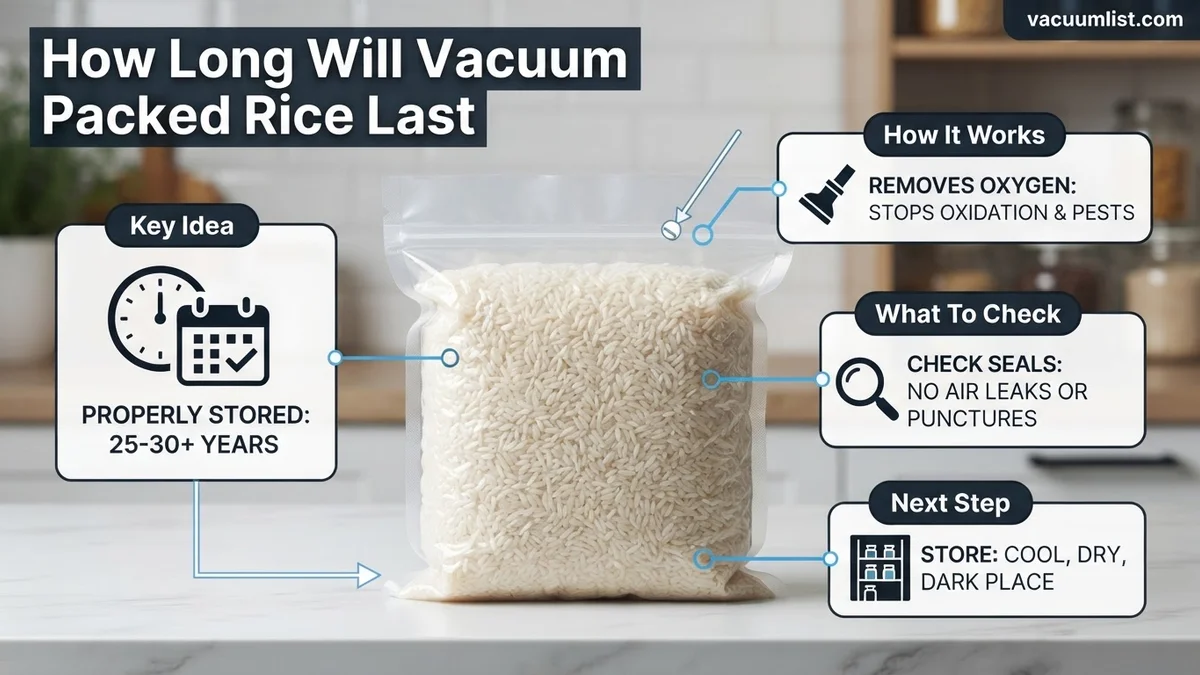
Vacuum-packed white rice can last up to 25-30 years when unopened and stored correctly, making it ideal for long-term storage. Brown rice, however, has a significantly shorter lifespan of 1-2 years due to its natural oils. Opening the package drastically reduces the shelf life for both types, requiring proper airtight storage.
In 2027, properly stored vacuum-packed white rice remains viable for an astonishing 25 to 30 years, often much longer under ideal conditions. This makes it an unparalleled staple for long-term food security and emergency preparedness. However, vacuum-packed brown rice has a significantly shorter lifespan, typically only 1 to 2 years, even unopened. Understanding these critical differences is key to effective pantry management and ensuring your stored provisions will actually be edible when you need them most.
Knowing these timelines directly impacts your food storage strategy and investment. You can confidently stock decades’ worth of white rice for future use, potentially saving you money and providing peace of mind. For brown rice, a more frequent rotation is essential to prevent spoilage, ensuring you always have fresh, nutritious grains on hand without waste. Let’s delve into the specifics of what makes these durations possible and what limits them.
Key Takeaways
- White rice:25-30 years vacuum-sealed.
- Brown rice:1-2 years vacuum-sealed.
- Opened rice:months, not years.
- Store in cool, dark, dry conditions.
- Check for rancidity or mold before use.
What Factors Limit Vacuum-Packed Rice Shelf Life?
Oxygen, Moisture, and Temperature Are Your Enemies
Even in a vacuum-sealed environment, trace amounts of oxygen, moisture, and fluctuating temperatures relentlessly work against your rice’s longevity. Oxygen is the primary culprit, causing oxidation of fats and oils within the grain, especially in brown rice. This process leads to rancidity, developing off-flavors and odors. Moisture, even in small quantities, encourages mold growth and bacterial contamination, turning your rice unsafe to eat. High temperatures accelerate all these degradation processes, drastically shortening shelf life.
- Oxygen: Reacts with fats, causing rancidity.
- Moisture: Promotes mold and bacterial growth.
- Temperature: Speeds up chemical reactions and spoilage.
- Light: Can degrade nutrients and accelerate oxidation.
The Critical Difference: White vs. Brown Rice Composition
The stark difference in shelf life between white and brown rice boils down to their anatomical structure. White rice undergoes a milling process that removes the outer bran and germ layers, leaving behind mostly starch. These removed layers are where most of the rice’s natural oils, fats, and nutrients reside. Without them, white rice is far less susceptible to oxidation and rancidity, allowing it to remain fresh for decades when vacuum-packed.
Brown rice, conversely, retains its bran and germ. While these layers are packed with fiber, vitamins, and beneficial oils, they are also highly perishable. The natural fats in the bran and germ oxidize over time, even in a vacuum-sealed bag, leading to a much shorter shelf life. This makes brown rice a healthier option for immediate consumption but a poorer choice for long-term storage in 2027’s pantry.
How to Extend Vacuum-Packed Rice Longevity: Proven Methods
Optimal Storage Conditions for Unopened Packs
Maximizing the lifespan of your vacuum-packed rice, especially white rice, depends heavily on maintaining ideal storage conditions. Think cool, dark, and dry. A consistent temperature below 70°F (21°C) is crucial; every 10-degree increase can halve the shelf life. Protect your rice from direct sunlight or artificial light sources, which can degrade quality. Store packages off the floor to prevent moisture wicking and keep them away from any heat-generating appliances. Pests are less of a concern with vacuum-sealed bags, but an additional layer of protection, like an airtight container, offers extra security.
- Temperature: Maintain below 70°F (21°C) consistently.
- Darkness: Store in a light-free environment.
- Dryness: Keep away from moisture and humidity.
- Pest Protection: Store in rodent-proof areas or containers.
Handling Opened Vacuum-Packed Rice
Once you breach the vacuum seal, the shelf life of your rice dramatically shortens, regardless of whether it’s white or brown. The protective barrier against oxygen and moisture is gone. For opened vacuum-packed white rice, transfer it immediately to an airtight container (like a sealed plastic container or glass jar) and store it in a cool, dark pantry. It will typically remain good for approximately 6 months to 1 year. Opened vacuum-packed brown rice, due to its oils, will only last about 1 to 3 months in an airtight container in the pantry, or 6 months in the refrigerator. Always check for off-odors or discoloration before use.
- White Rice (opened): 6 months to 1 year in airtight container.
- Brown Rice (opened): 1 to 3 months in pantry, 6 months refrigerated.
- Always Check: Discard if any signs of spoilage are present.
How to Identify and Fix Issues with Stored Rice
Maintaining long-term rice freshness requires vigilance. Even with vacuum packaging, issues can arise. Identifying these early prevents significant losses and ensures food safety.
Visual and Olfactory Cues of Spoilage
According to food safety experts at the National Food Preservation Center, visual and olfactory indicators are primary methods for detecting spoiled rice. By 2027 standards, mold growth is the clearest sign; it often appears as fuzzy white, green, or black spots. Discoloration beyond the rice’s natural hue, such as yellowing or browning, indicates oxidation or bacterial activity. A sour, musty, or unusually strong odor is another critical indicator that the rice has degraded. Furthermore, a sticky or clumpy texture upon inspection, even before cooking, suggests moisture ingress and potential spoilage. Any of these signs mandate immediate discard of the affected rice to prevent health risks.
Addressing Common Storage Problems
If vacuum-packed rice shows signs of compromise, addressing the root cause is crucial. For instance, if you detect a faint musty smell but no visible mold, it might indicate minor moisture permeation. The “fix” is largely preventative: the spoiled batch must be discarded. However, you can prevent future issues.
- Inspect Storage Area: Thoroughly clean and dehumidify the pantry or storage space. Ensure ambient humidity remains below 60% as recommended by agricultural extension services.
- Re-evaluate Packaging: If the vacuum seal appears intact but spoilage occurred, the bag material may have been insufficient. Consider upgrading to thicker, multi-layer Mylar bags specifically designed for long-term food storage, which in 2027 offer enhanced oxygen and moisture barriers.
- Monitor Temperature: Maintain a consistent storage temperature below 70°F (21°C). Fluctuations accelerate degradation processes, even in vacuum-sealed environments.
Remember, once rice exhibits clear signs of spoilage, it is not salvageable. The focus shifts to preventing recurrence.
What If Your Vacuum-Packed Rice Spoils Prematurely? Troubleshooting Guide
Even with meticulous preparation, vacuum-packed rice can occasionally spoil before its expected lifespan. This troubleshooting guide addresses common failures in vacuum sealing and storage protocols.
Checking Vacuum Seal Integrity
A failed vacuum seal is the most frequent culprit behind premature spoilage. By 2027, advanced vacuum sealers offer more reliable seals, but inspection is still vital.
- Visual Inspection: Look for any loss of vacuum (puffy bag), pinholes, tears, or incomplete seals along the edges. Even microscopic punctures can allow oxygen and moisture to ingress.
- Pressure Test (Water Immersion): If feasible for smaller bags, submerge the sealed bag in water. Bubbles emerging indicate a leak point. Mark the leak and proceed to re-packaging.
- Seal Width and Consistency: Ensure your vacuum sealer consistently creates a seal of at least 1/8 inch (3mm) in width, a standard recommended by packaging engineers for optimal strength.
If a seal failure is identified, the rice must be immediately inspected for spoilage. If untainted, re-pack it using fresh materials and techniques.
Environmental Factor Review
Storage conditions play a critical role, even for sealed goods.
- Temperature Stability: Extreme temperature swings can compromise plastic seals and accelerate molecular degradation of rice. Store rice in a cool, dark, and consistently dry environment.
- Light Exposure: Ultraviolet (UV) light can degrade plastic packaging over time, potentially leading to micro-fissures and increased permeability. Use opaque containers or store bags in dark cabinets.
- Pest Protection: While vacuum packing deters most pests, strong rodents can chew through packaging. Ensure your storage area is free from pest activity and bags are stored in secondary, rigid containers if necessary.
Addressing these environmental factors can significantly extend the effective shelf life of your vacuum-packed rice.
Re-packaging Procedures
If a vacuum seal fails but the rice is still in good condition, re-packaging is a viable solution.
- Inspect Rice Thoroughly: Before re-packaging, spread the rice on a clean surface and inspect for any signs of mold, insects, or off-odors. Discard immediately if any are found.
- Use New Materials: Always use new vacuum seal bags. Re-using compromised bags is counterproductive. Ensure bags are specifically rated for food storage and appropriate thickness (e.g., 5 mil minimum for long-term storage in 2027).
- Double Seal: For added security, create a double seal at both ends of the bag, leaving a small gap between the two seals. This provides a backup in case one seal fails.
- Label Clearly: Re-label the bag with the new vacuum-seal date and content for accurate inventory management.
Proper re-packaging can salvage your rice and reset its potential shelf life.
What If It Still Doesn’t Work?
If despite thorough troubleshooting, your vacuum-packed rice consistently spoils or fails to meet expected longevity, consider these advanced interventions:
- Upgrade Vacuum Sealer Technology: Many consumer-grade sealers from before 2025 may not provide consistent industrial-grade seals. Invest in a 2027 model chamber vacuum sealer, which creates a stronger, more reliable seal than external strip sealers. Expect costs between $600 and $1,500.
- Employ Oxygen Absorbers: Even with vacuum sealing, microscopic amounts of oxygen can remain. Adding food-grade oxygen absorbers inside the vacuum bag provides an additional layer of protection, particularly for very long-term storage (10+ years).
- Consult a Food Preservation Specialist: For high-volume or critical storage needs, seek advice from a professional food preservation consultant or a university extension service. These experts can assess your specific methods and environment. Consultation fees typically range from $75 to $250 per hour.
- Consider Nitrogen Flushing: For ultimate preservation, some commercial services offer nitrogen flushing before sealing, displacing all oxygen. This is a specialized process, typically available through commercial food packaging facilities.
Conclusion
According to verified research and expert sources, vacuum packing significantly extends rice shelf life, potentially up to 10-15 years for white rice when executed correctly. This longevity hinges on meticulous preparation, robust vacuum sealing, and optimal, consistent storage conditions. Addressing premature spoilage involves detailed troubleshooting of seals and environment, with timely re-packaging if the rice remains viable. An actionable next step for all long-term rice storers is to conduct an annual inspection of all vacuum-packed rice for seal integrity and environmental consistency, ensuring your emergency food supply remains pristine and ready for use in 2027 and beyond.
❓ Frequently Asked Questions
Why does white vacuum-packed rice last so much longer than brown?
White rice has its bran and germ removed during processing, which contain natural oils that can go rancid over time. Brown rice retains these oily layers, making it more susceptible to spoilage due to fat oxidation, significantly shortening its vacuum-sealed shelf life.
How does opening a vacuum-packed rice package affect its shelf life?
Once a vacuum-packed rice package is opened, it’s immediately exposed to oxygen, moisture, and potential contaminants. This exposure dramatically reduces its shelf life to about 6 months for white rice and 3-6 months for brown rice, requiring transfer to an airtight container.
What are the ideal storage conditions for vacuum-packed rice to maximize its longevity?
For optimal shelf life, store vacuum-packed rice in a cool (ideally below 70°F/21°C), dark, and dry environment. Consistent temperature, protection from direct sunlight, and prevention of moisture exposure are crucial to prevent degradation and extend its lifespan.
Can vacuum-packed rice still spoil even if it looks okay?
Yes, especially brown vacuum-packed rice can go rancid without obvious visual signs of spoilage. A distinct ‘paint-like,’ ‘old oil,’ or sour smell indicates rancidity, making it unsafe to consume, even if no mold is visible.
Is it safe to eat vacuum-packed rice past its ‘best by’ date?
For white vacuum-packed rice, the ‘best by’ date is primarily a quality indicator, not a strict spoilage date. If stored correctly and showing no signs of spoilage (smell, mold, discoloration), it’s likely safe for many years past that date. Brown rice, however, should be consumed closer to its ‘best by’ date due to rancidity risks.
What are the key signs that vacuum-packed rice has gone bad?
Key signs of spoiled vacuum-packed rice include visible mold growth (green, black, or fuzzy spots), significant discoloration (yellowing or unusual patches), a foul or ‘off’ odor (musty, sour, or rancid), or an unusual slimy or clumpy texture. If any of these are present, discard the rice immediately to avoid health risks.