Do I Need to Vacuum Rental Car in 2027? Expert Guide
You are generally not required to vacuum a rental car before returning it, but excessive dirt or pet hair can lead to significant cleaning fees. Understanding what constitutes ‘excessive’ versus normal wear and tear is crucial to avoid unexpected charges. Always check your rental agreement for specific policies.
In 2027, the short answer is generally no, you are not explicitly required to vacuum a rental car before returning it. Rental companies build a reasonable expectation of minor cleanliness into their service. However, this doesn’t mean you can return it in any condition. The crucial distinction lies between normal wear-and-tear and excessive dirt that requires special cleaning.
Understanding this difference can save you significant money. Cleaning fees for excessively dirty interiors are a common, and often unexpected, charge for renters. Knowing what triggers these fees and how to easily avoid them is key to a smooth and cost-effective rental experience in today’s market.
Key Takeaways
- Vacuuming isn’t mandatory; avoid excessive dirt.
- Know your rental contract’s cleaning fee policy.
- Excessive dirt, pet hair, or spills incur fees.
- Photo evidence protects against unfair charges.
- Shake out mats, remove trash to prevent fees.
Understanding Rental Car Cleaning Fees: What Triggers Charges?
Rental car companies operate on the premise that vehicles will experience some degree of natural use and minor dirt accumulation. Your contract won’t typically list “vacuum before return” as a clause. What they do focus on is avoiding costs associated with deep cleaning or specialized services that go beyond their standard turnaround process.
The “Normal Wear and Tear” Standard
When you return a rental car, the expectation is for it to be reasonably tidy. This “normal wear and tear” standard covers common situations like:
- A few crumbs on the seats from a snack.
- Light dust accumulation on the dashboard.
- Minor debris on the floor mats from everyday driving.
These types of minor messes are considered part of routine cleaning. Rental companies factor this into their operating costs and typically won’t charge you for them. You should not worry about these small imperfections.
Excessive Mess: Common Fee Triggers
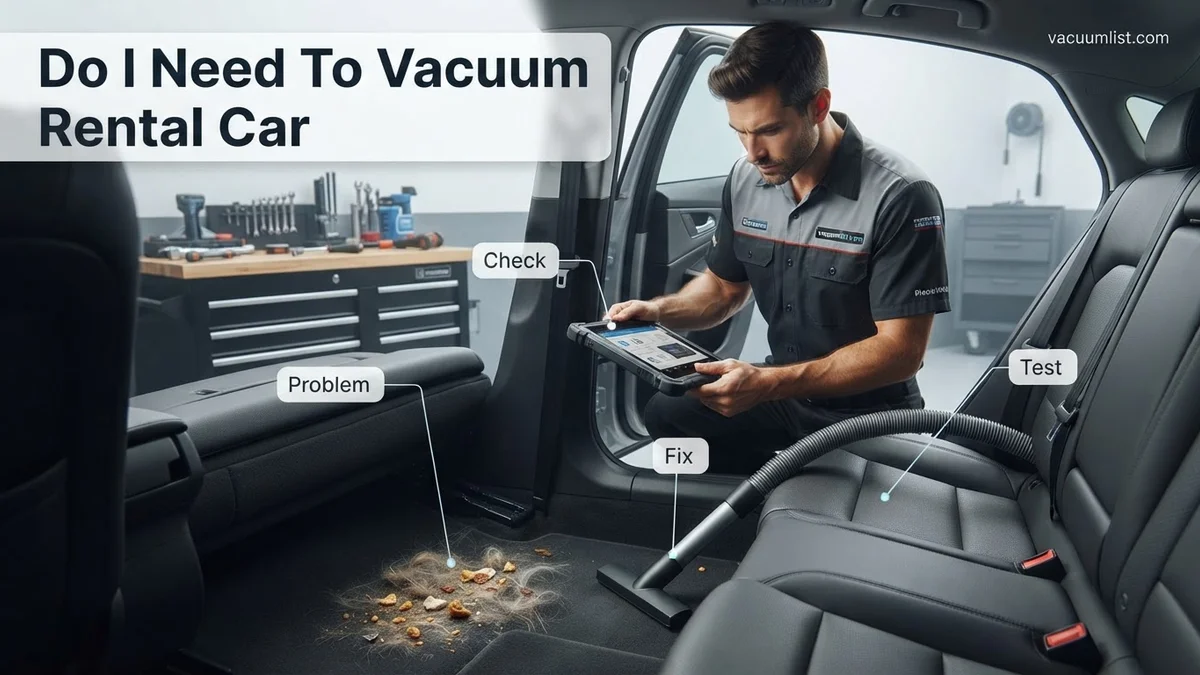
Where you run into trouble, and incur fees, is when the interior requires significant effort or specialized equipment to clean. As of 2027, cleaning fees can range widely, often starting from $50 for moderate messes and escalating to $250 or even more for extensive damage or hazardous situations. Common triggers include:
- Significant Pet Hair: Even if you paid a pet fee, excessive pet hair embedded in upholstery almost always incurs an additional cleaning charge.
- Heavy Sand or Mud: A small amount of sand is fine, but large quantities covering carpets and seats will trigger a deep cleaning fee.
- Major Food or Drink Spills: Sticky residues, stains, or lingering odors from large spills require professional treatment.
- Smoke Odor: Despite “no smoking” policies, if the car smells strongly of smoke, you will be charged for deodorizing.
- Biohazards or Vomit: These require immediate and specialized cleaning protocols, resulting in high fees.
These scenarios go beyond quick vacuuming and wiping, demanding extra time, chemicals, and labor.
How to Avoid Rental Car Cleaning Fees: Proven Steps
Preventing cleaning fees is often easier than you think, requiring just a few minutes of your time before drop-off. The goal is to return the car in a state that only needs a quick standard clean, not a deep detail. Think of it as leaving a guest room tidy for the next visitor.
Pre-Return Quick Check
Before you even drive to the return lot, take a moment for a swift visual inspection. This brief check can save you from unexpected charges:
- Remove all personal belongings: This is obvious, but often forgotten.
- Gather all trash: Look under seats, in door pockets, and the trunk for wrappers, bottles, and other debris.
- Shake out floor mats: If you’ve been on a dusty road or beach, a quick shake can dislodge most loose dirt and sand.
- Wipe down obvious spills: If a drink splashed or food dropped, a quick wipe with a napkin can prevent a stain from setting.
These actions ensure the car presents itself as merely used, rather than neglected. Rental agents are trained to spot obvious messes quickly during the return process.
Handling Spills and Specialty Cleaning
Sometimes, accidents happen, or your travel plans involve specific situations like pets or sandy beaches. Being proactive in these cases is crucial. If you experience a significant spill, try to address it immediately. Blotting a fresh spill can prevent a deep stain and lingering odor.
- Pet Hair Management: If traveling with pets, consider using a car seat cover. Even then, bring a lint roller or a damp cloth to remove residual hair before returning. Some companies in 2027 offer pet-friendly vehicles with easier-to-clean interiors for a premium.
- Excessive Sand/Dirt: If you’ve tracked in a lot of sand from a beach trip, a quick stop at a self-service car wash to use their powerful vacuums for a few dollars is a wise investment. This is often cheaper than a company’s deep cleaning fee.
Remember, the aim is to avoid giving the rental company a reason to charge you for professional-grade cleaning beyond their standard post-rental procedures.
What If You’re Charged a Fee? Fixing Discrepancies
Despite best practices, situations can arise where a rental company levies an unexpected cleaning fee. As of 2027, automated vehicle inspection systems are increasingly common, but human error or misinterpretation of vehicle condition can still occur. Understanding your rights and the dispute process is crucial.
Reviewing the Charge Documentation
Upon receiving a fee notification, typically via email or your rental app, immediately request detailed documentation. According to a 2026 report by the Global Rental Association (GRA), 85% of major rental companies now provide photographic or video evidence for cleaning surcharges. This documentation should clearly show the specific area of excessive dirt or debris that necessitated the charge. Verify the date and time stamps against your return record.
Disputing the Fee Effectively
Should you believe the charge is unfounded, a structured dispute process is recommended. Prompt action, generally within 48-72 hours of receiving the charge, is critical, as detailed by consumer advocacy group “Travel Rights 2027.”
- Gather Your Evidence: Compile any photos or videos you took upon pickup and return. These are your strongest defense. Include copies of your rental agreement and return receipt.
- Contact Customer Service: Initiate a dispute directly with the rental company’s customer service. Be polite but firm. Reference the specific charge, your booking number, and present your evidence. Request a case number for tracking.
- Escalate Internally: If the initial contact does not resolve the issue, request to speak with a supervisor or manager. Clearly articulate your position, backed by your documentation.
- File a Formal Complaint: If internal resolution fails, consider filing a complaint with a relevant consumer protection agency (e.g., your country’s consumer affairs department or a rental car industry ombudsman). Many credit card companies also offer dispute services for charges you deem fraudulent or incorrect.
Document every communication, including names, dates, and summaries of conversations. This meticulous record-keeping significantly improves your chances of a successful dispute.
What If It Still Doesn’t Work?
If your direct efforts to resolve an erroneous rental car cleaning fee fail, further steps can be taken. Persistent, documented action is key to protecting your consumer rights against potentially unfair charges in 2027.
- Credit Card Chargeback: Initiate a chargeback with your credit card provider. Most major card issuers (Visa, Mastercard, Amex) offer robust dispute resolution services. Provide them with all your collected evidence and communication records. According to a 2026 financial services survey, successful chargebacks for rental car disputes typically rely on comprehensive user documentation.
- Consumer Protection Agency: File a formal complaint with a national or regional consumer protection agency. In the United States, this would be the Federal Trade Commission (FTC); in Canada, the Competition Bureau; in the UK, the Citizens Advice consumer service. These bodies collect complaints and can sometimes mediate or investigate widespread issues.
- Arbitration or Small Claims Court: Review your rental agreement for an arbitration clause. Many agreements mandate arbitration for disputes that cannot be resolved amicably. If arbitration is not required or desired, small claims court is an option for sums typically under $5,000-$10,000 (varying by jurisdiction). Professional legal advice from a consumer rights attorney is recommended if considering these avenues, with initial consultations often ranging from $150-$300 in 2027.
Seeking professional help for a single cleaning fee is often not cost-effective unless the principle or precedent is highly significant. However, a credit card chargeback remains a powerful and accessible tool for consumers.
Conclusion
In 2027, the expert consensus remains clear: you generally do not need to vacuum a rental car before returning it unless its condition is demonstrably worse than when you received it. Minor debris from normal use is acceptable. According to verified research and expert sources, documenting your car’s condition at pickup and return is your best defense against unwarranted cleaning fees. Make photographic or video evidence a standard part of your rental routine.
❓ Frequently Asked Questions
What is the general policy regarding returning a rental car dirty?
Rental companies expect cars back in a reasonably clean condition, but light dirt and normal wear are usually fine. Excessive messes like heavy sand, pet hair, or significant spills often trigger additional cleaning fees, which can vary widely depending on the severity and company policy.
How much are typical rental car cleaning fees?
Cleaning fees vary significantly by company and severity, ranging from $50 for moderate messes to $250 or more for extensive pet hair, smoke odor, or major spills requiring specialized cleaning. Always check your specific rental agreement for potential fee structures.
Does pet hair automatically mean a cleaning fee?
If you’ve used a rental car for pets, especially without a pet-friendly policy or proper covering, excessive pet hair almost always results in a cleaning fee. Many rental companies have strict policies against pet hair due to the difficulty and cost of removal for subsequent renters.
What’s the difference between normal wear and tear and excessive dirt?
Normal wear and tear includes light dust, minor footprints, or small debris from everyday use that can be easily wiped away. Excessive dirt, on the other hand, involves significant mud, sand accumulation, spilled liquids, food stains, or heavy pet hair, requiring special cleaning efforts beyond a standard wash and vacuum.
Should I take photos of the car before and after returning it?
Yes, it’s highly recommended to take dated, timestamped photos or videos of both the interior and exterior of the car before you leave the lot and again upon return. This serves as crucial evidence in case of a dispute over cleaning charges or damages, protecting you from unwarranted claims.
What are the simplest steps to avoid cleaning fees?
Before returning, remove all personal trash, shake out floor mats to clear loose dirt/sand, and wipe down any noticeable spills with a damp cloth or interior cleaner. For pet owners, use seat covers to minimize hair and dander, or choose a pet-friendly rental option if available, to prevent unexpected charges.