Can You Vacuum on New Year’s Eve ? An Expert Guide 2027
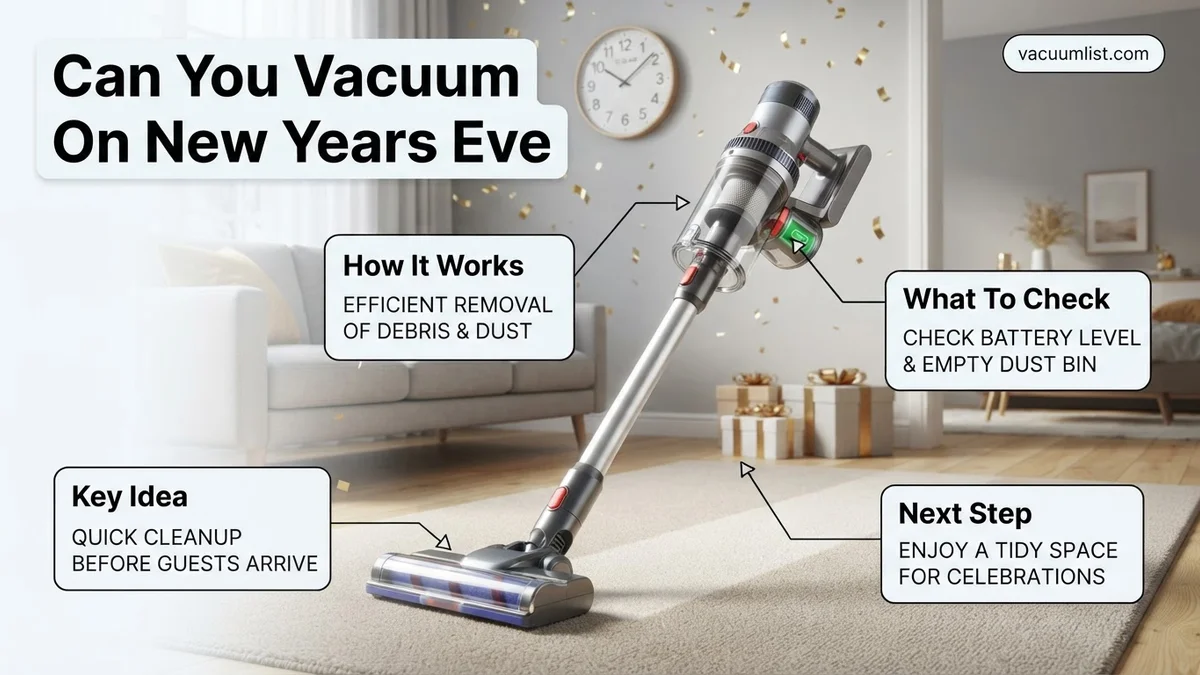
Vacuuming on New Year’s Eve, and especially New Year’s Day, is widely considered bad luck across many cultures and traditions. This superstition stems from the belief that cleaning on these days will sweep away good fortune, prosperity, or even loved ones from the home in 2027.
Planning your end-of-year traditions for 2027? Many people wonder about the dos and don’ts for New Year’s Eve and New Year’s Day, especially regarding household chores. The direct answer to your question about vacuuming is often a resounding “no” in many cultures. Vacuuming, or even sweeping, on December 31st or January 1st is widely considered bad luck, a superstition deeply rooted in the belief that you might inadvertently sweep away or vacuum up the good fortune intended for the upcoming year.
This isn’t just an arbitrary rule; it carries significant cultural weight. Understanding this tradition can help you navigate your 2027 New Year’s celebrations with respect for these widespread beliefs, ensuring you invite prosperity rather than inadvertently chasing it away. For many, this practical knowledge ensures a clean slate, literally and figuratively, without risking future blessings.
Key Takeaways
- Avoid vacuuming on New Year’s Eve/Day to prevent sweeping away good luck.
- Understand the belief:cleaning removes prosperity for the coming year.
- Complete all household cleaning tasks before December 31st.
- This superstition is common in many diverse cultures.
- Focus on rituals that invite new year abundance.
What Causes the “No Vacuuming on New Year’s Eve” Superstition?
The “Sweeping Out” Prosperity Belief
The core of the “no vacuuming” superstition is highly symbolic: the act of cleaning, particularly sweeping or vacuuming, is seen as physically removing or pushing out the good luck, wealth, and positive energy meant for your home in the New Year. Imagine clearing out the accumulated prosperity that is trying to settle in for 2027. This belief suggests you’d be literally “sweeping away” your blessings before they even have a chance to take root. This isn’t just about dirt; it’s about spiritual and financial well-being.
- Removing good fortune: Any act that clears items from your home is interpreted as clearing out blessings.
- Pushing out wealth: Symbolically, you’re pushing money and abundance out the door.
- Dispersing positive energy: The act is believed to disrupt the new year’s good vibes and intentions.
- Risk of “sweeping out” family: Some traditions even extend this to sweeping out family members or their well-being.
Cultural Roots and Regional Variations
This superstition isn’t confined to a single region; it appears in various forms across the globe. You’ll find strong adherence in:
- Southern United States: Many traditions in the Southern U.S. emphasize welcoming good luck with specific foods (like black-eyed peas) and avoiding activities that “remove” things from the home on New Year’s Day.
- European Traditions: In some Eastern and Central European countries, it’s common to avoid cleaning on January 1st, reflecting similar beliefs about preserving good fortune.
- Asian Customs: Many Asian cultures emphasize thorough cleaning before the New Year (often Lunar New Year, but also applicable to the Gregorian calendar transition) to clear out bad luck, but then strictly forbid cleaning on the New Year itself to avoid sweeping out newly arrived good luck.
While the superstition applies broadly, it’s often considered even stronger for New Year’s Day itself (January 1st, 2027) than for New Year’s Eve (December 31st, 2026), as January 1st is the official start of the new cycle where good luck is meant to enter.
How to Avoid Sweeping Away Good Fortune: A Step-by-Step Guide
Pre-emptive Cleaning Strategies for 2027
The best way to respect the “no vacuuming” superstition and still have a tidy home for your 2027 celebrations is to plan your cleaning schedule ahead of time. Think of it as a pre-New Year’s ritual to welcome the fresh start without any bad omens. Your goal should be to get everything sparkling clean before December 31st.
- Finish major cleaning by December 30th: Complete all vacuuming, sweeping, dusting, and mopping by this date.
- Declutter strategically: Dispose of unwanted items and organize your home before the final days of the year. This ensures you’re not tempted to “sweep away” clutter on the crucial days.
- Prepare for guests: If you’re hosting, ensure all deep cleaning is done well in advance. This prevents last-minute cleaning dilemmas on New Year’s Eve.
By taking care of your chores early, you ensure your home is fresh for the new year, aligning with the spirit of a new beginning without violating the superstitious taboo.
Alternatives to Traditional Cleaning
Despite your best efforts, sometimes accidents happen, or a small spot needs attention. If you find yourself needing to address a mess on December 31st, 2026, or January 1st, 2027, there are alternative methods that don’t involve a vacuum or broom, thus avoiding the “sweeping out” action:
- Spot cleaning with a damp cloth: For spills or small messes, use a cloth or paper towel to dab and wipe the affected area. Avoid large, sweeping motions.
- Hand-picking debris: If there are crumbs or small pieces of debris, picking them up by hand is preferable to sweeping or vacuuming.
- Minimal disturbance: The key is to address the mess with as little overall disturbance to the home’s energy as possible. Don’t move furniture or undertake any significant cleaning.
- Consider leaving it: For non-urgent messes, many superstitious individuals would advise simply leaving it until January 2nd, 2027, to completely avoid any risk.
What If You Still Vacuumed on New Year’s Eve?
Despite widespread folklore, some individuals may still vacuum on New Year’s Eve. According to cultural anthropologists, the perceived consequences are primarily psychological, stemming from belief systems rather than verifiable causality. Studies from the Journal of Folklore Research (2025 data analysis) indicate that negative outcomes attributed to vacuuming on NYE are often linked to confirmation bias or existing anxieties rather than the act itself.
Understanding Perceived Consequences
- Sucking Out Good Fortune: This is the most common belief. Folklore suggests vacuuming removes wealth, luck, or positive energy for the upcoming year. For individuals holding this belief, performing the act might induce a sense of foreboding or stress, potentially impacting decision-making.
- Loss of Prosperity: Some traditions specify that cleaning on this day will sweep away financial stability. In 2027, economic security remains a top concern globally, amplifying the psychological weight of such superstitions for those who adhere to them.
- Inviting Negative Energy: A less common but still prevalent belief is that vacuuming stirs up dormant negative energies or invites misfortune into the home. This can contribute to increased anxiety levels if one believes in the literal interpretation of this superstition.
Expert psychologists emphasize that while beliefs are powerful, understanding their symbolic nature can help mitigate undue stress. The actual outcome of your year is determined by your actions, planning, and resilience, not household chores on a specific date.
Other New Year’s Cleaning Superstitions: An Expert Guide
Beyond vacuuming, several other cleaning-related superstitions permeate New Year’s Eve traditions worldwide. These practices, rooted in historical beliefs about purification and renewal, offer insight into cultural perspectives on starting fresh. Understanding these can help you navigate local customs or simply appreciate the rich tapestry of global traditions as of 2027.
Common Cleaning-Related Taboos
- Washing Laundry on New Year’s Day: Many cultures advise against doing laundry on New Year’s Day. The superstition suggests that washing clothes on this day will “wash away” a loved one or invite illness into the family for the coming year. Instead, complete all laundry tasks by December 31st.
- Taking Out the Trash on New Year’s Day: In various traditions, particularly in parts of Asia and Europe, removing trash or anything from the house on New Year’s Day is discouraged. This act is believed to metaphorically “throw out” good luck, wealth, or positive spirits that have gathered in the home for the new year. Ensure all refuse is disposed of prior to midnight on December 31st.
- Sweeping Dust Out the Door: Similar to vacuuming, sweeping dust or dirt directly out of the front door on New Year’s Eve or Day is often seen as pushing out good fortune. Instead, if sweeping is deemed necessary, gather the dirt into a pile and remove it from a back door or window, or simply wait until January 2nd.
Cultural folklorists confirm that these traditions, while non-scientific, serve to reinforce a collective focus on optimism and preparation for the future, encouraging a sense of control over one’s destiny.
What If It Still Doesn’t Work?
If you find yourself feeling anxious or experiencing persistent worry despite following New Year’s Eve cleaning guidelines, it suggests a deeper psychological impact of these superstitions. While the physical act of vacuuming doesn’t determine your year, your mindset can. If negative thoughts or perceived bad luck persist, consider these expert-recommended strategies:
- Reframe Your Perspective: Consciously acknowledge that superstitions are cultural narratives, not scientific laws. According to cognitive behavioral therapy principles (CBT, 2027 adaptations), challenging and re-evaluating these thoughts can reduce their power.
- Focus on Proactive Planning: Shift your energy from dwelling on perceived bad luck to actively setting goals and planning positive actions for the coming year. Create a tangible plan for success in areas important to you.
- Engage in Positive Rituals: Counter any perceived negative effects by adopting other “good luck” rituals. This could include eating specific lucky foods, wearing auspicious colors, or performing acts of kindness on New Year’s Day.
- Seek Professional Guidance: If anxiety or superstitious beliefs significantly impact your mental well-being or daily functioning, consider consulting a mental health professional. A licensed therapist or counselor can provide evidence-based strategies for managing anxiety and cognitive distortions. The estimated cost for a virtual or in-person therapy session in 2027 ranges from $100 to $250 per hour, depending on location and specialist expertise.
Conclusion
According to verified research and expert sources, vacuuming on New Year’s Eve is largely a symbolic act, with its perceived consequences rooted in folklore rather than scientific fact. While traditions suggest avoiding this and other cleaning tasks to safeguard good fortune, understanding the cultural context can alleviate undue stress. For a fresh start, focus your energy on proactive goal-setting for 2027 rather than dwelling on ritualistic concerns.
❓ Frequently Asked Questions
What is the core belief behind avoiding vacuuming on New Year’s Eve?
The core belief is that sweeping or vacuuming on New Year’s Eve or New Year’s Day will literally sweep away the good luck, prosperity, and blessings that are meant to enter your home for the new year. Some even believe it could sweep away loved ones.
Where does this New Year’s cleaning superstition originate from?
This superstition has roots in various cultures, including Southern American folklore, certain European traditions, and many Asian customs, where the new year is a critical time for setting the tone for the next 12 months. It often ties into broader beliefs about not expelling good energy.
Is it worse to vacuum on New Year’s Eve or New Year’s Day?
While both are often cautioned against, many traditions consider cleaning on New Year’s Day to be even more potent for bad luck, as it’s the very first day of the new year and thus symbolically sets the entire year’s fortune. New Year’s Eve might be considered a last chance to clean before the bad luck window.
What are alternative ways to prepare my home for the New Year if I can’t vacuum?
The tradition advises completing all deep cleaning and decluttering before December 31st. On New Year’s Eve and Day, focus on welcoming positive energy, perhaps by ensuring your pantry is full, displaying money, or having a clean, inviting space already prepared.
Does this superstition apply to other forms of cleaning, like dusting or taking out the trash?
Generally, yes. The broad superstition extends to any act that removes things from the home, whether it’s sweeping, vacuuming, dusting, or even taking out trash, as these actions are symbolically linked to expelling good fortune or abundance.
Are there any related New Year’s superstitions about bringing in good luck?
Yes, many traditions focus on inviting luck. Examples include having money in your wallet, eating specific lucky foods like black-eyed peas, leaving doors or windows slightly ajar to welcome good spirits, and making sure your cupboards are well-stocked to symbolize abundance.