Is a Corded or Cordless Vacuum Better? Expert Guide 2027
Choosing between a corded and cordless vacuum depends heavily on your specific cleaning needs. While corded vacuums offer consistent, powerful suction for deep cleaning and large areas, cordless models excel in convenience, maneuverability, and quick clean-ups. Your ideal choice balances power, run-time, and portability for optimal cleaning.
Choosing between a corded and cordless vacuum in 2027 isn’t about one being universally superior; it’s about aligning the vacuum’s strengths with your specific cleaning demands. While corded models still hold the edge in raw, consistent power for deep, extensive cleaning, cordless units offer unparalleled convenience and increasingly sophisticated performance for everyday tasks and multi-level homes. Your decision directly impacts not just how clean your floors become, but also the efficiency and overall effort required for household maintenance.
With 2027’s advancements in motor technology, battery life, and smart features, understanding these core differences is more crucial than ever. This guide cuts through the noise, helping you pinpoint which vacuum type truly serves your home’s unique needs, ensuring you invest in a tool that genuinely makes your life easier, not just another gadget.
Key Takeaways
- Corded vacuums offer superior, consistent power for deep cleaning.
- Cordless models provide unmatched convenience and maneuverability.
- Consider your home size and typical cleaning tasks first.
- Battery life is a critical factor for cordless vacuum performance.
- Evaluate overall cost, including potential battery replacements.
Diagnosing Your Cleaning Needs: Corded vs. Cordless Factors
Your lifestyle and living space are the primary determinants when evaluating vacuum types. Forget generic recommendations; your ideal choice hinges on practical considerations like home size, flooring, and how frequently you clean. By 2027, both corded and cordless technologies have evolved significantly, making these distinctions sharper.
Unlimited Power vs. Untethered Agility
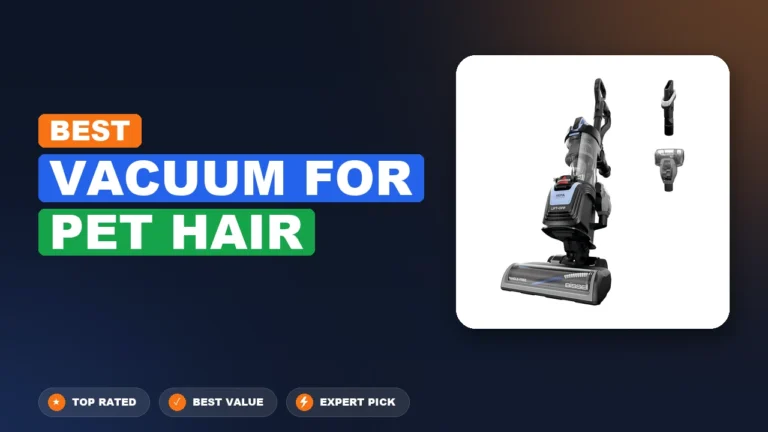
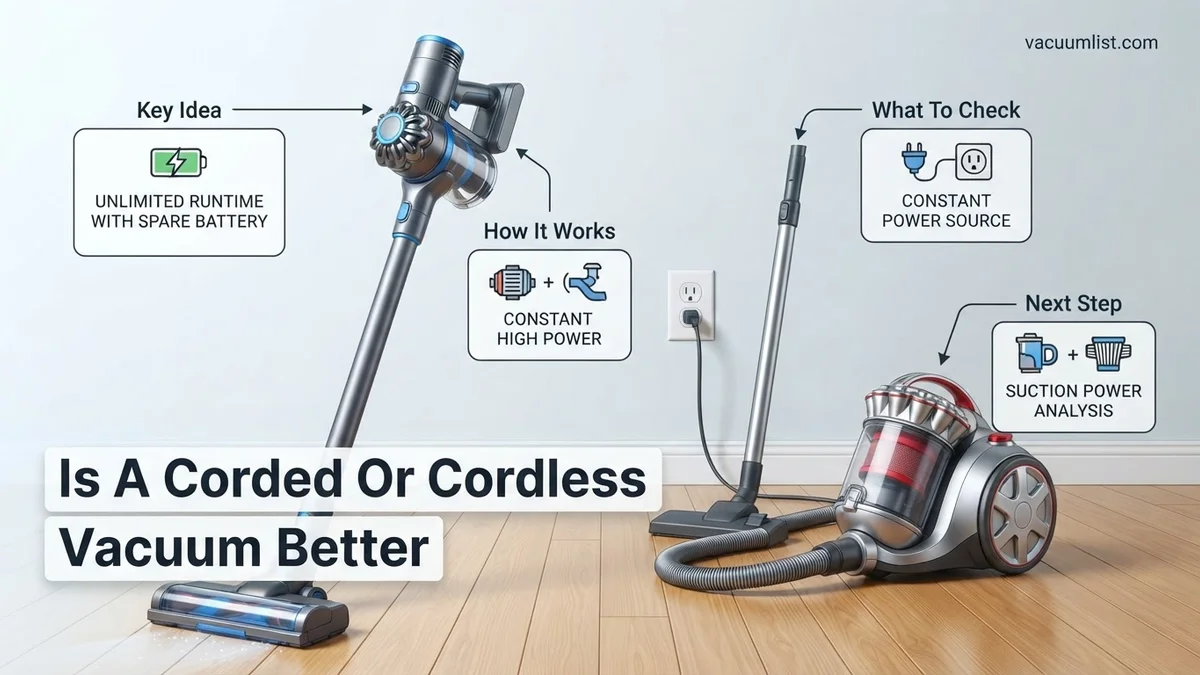
- Corded Vacuums (2027): These remain the titans of consistent suction. They plug directly into a power source, meaning you get 100% of their rated power from start to finish. This is critical for deep cleaning high-pile carpets, tackling heavily embedded dirt, or efficiently managing large volumes of pet hair without worrying about battery drain. Modern corded vacuums often feature more robust motors and larger dustbins, designed for sustained, heavy-duty cleaning sessions across expansive areas.
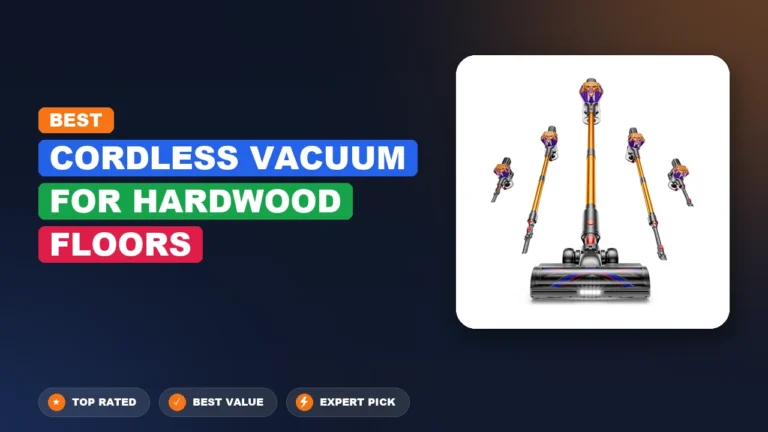
- Cordless Vacuums (2027): Today’s cordless units, especially premium models, are champions of maneuverability. They offer incredible freedom to clean stairs, move seamlessly between rooms, or quickly address spills. Thanks to advancements in solid-state battery technology, top-tier cordless vacuums can now deliver respectable runtimes—often 60-90 minutes on eco mode—making them viable for many whole-house cleans. Their lighter weight and compact design mean less effort, particularly in multi-story homes or for quick, daily touch-ups.
Home Size and Cleaning Frequency
Consider the scope of your cleaning tasks. A smaller apartment or a home requiring daily light tidying will benefit immensely from a cordless model’s grab-and-go convenience. You can clean pet hair from the sofa or dust from hard floors in minutes without cord management. For larger homes (e.g., over 2,000 sq ft) with extensive carpeting or where deep cleaning is performed less frequently but more thoroughly, the consistent power and unlimited runtime of a corded vacuum prevent mid-clean pauses for recharging. If you have several pets shedding year-round, a corded unit’s sustained high suction might be indispensable for maintaining truly clean carpets.
How to Compare: Real Pros and Cons of Each Vacuum Type
When you’re deciding which vacuum is “better,” it boils down to practical, everyday use. By 2027, the gap in raw performance has narrowed for some aspects, but fundamental differences in power delivery and convenience persist. Let’s break down the key comparative metrics that truly matter.
Suction Power and Consistency
- Corded Advantage: A corded vacuum delivers unwavering maximum suction power. From the moment you switch it on until you unplug it, the motor receives a continuous, unfaltering power supply. This is crucial for truly deep cleaning. Imagine lifting stubborn pet hair from dense carpets or extracting fine dust particles embedded in fabric—a corded unit will consistently maintain its rated AirWatts (AW), often in the range of 180-220 AW, throughout the entire cleaning process. You never experience a drop in performance, regardless of how long you’ve been cleaning.
- Cordless Reality: 2027’s cordless vacuums boast impressive peak suction, with some premium models momentarily matching or even exceeding the initial power of mid-range corded units (e.g., 200-250 AW on boost mode). However, this peak power is finite. As the battery drains, suction consistency diminishes. While “Auto” modes intelligently adjust power, they still draw more energy, reducing runtime. “Eco” modes extend battery life significantly but operate at a much lower suction (typically 40-60 AW), suitable only for light debris on hard floors. If you require sustained, robust suction for more than 10-15 minutes (the typical boost mode duration), a cordless model may feel underpowered or require frequent recharging.
Runtime vs. Unlimited Cleaning
The operational duration is arguably the most significant practical differentiator. Your cleaning flow can be severely disrupted if your vacuum gives up mid-task.
- Corded Benefit: Unlimited runtime is its defining characteristic. You can clean your entire home, detail your car, or tackle a large spring cleaning project without ever stopping to recharge. This continuous operation eliminates planning around battery life and ensures you can finish any job, no matter how extensive, in one go. For large homes or commercial spaces, this is an undeniable productivity advantage.
- Cordless Limitations (and Solutions): By 2027, the best cordless vacuums offer up to 90 minutes on their lowest power setting, which is fantastic for light dusting. On typical auto/medium settings, you can expect 30-45 minutes, often enough for a smaller home or quick whole-house clean. However, engaging boost mode, essential for deep carpet cleaning or stubborn messes, slashes this to a mere 8-15 minutes. Premium cordless models frequently offer swappable battery packs, allowing you to extend runtime by purchasing an additional battery. This solves the limitation but adds to the upfront cost and requires remembering to charge both batteries.
Step-by-Step Guide: Choosing Your Best Vacuum Solution
Selecting the optimal vacuum requires a systematic assessment of your specific environment and cleaning habits. According to a 2026 consumer survey by TechClean Insights, mismatched vacuum types are a primary source of user dissatisfaction, affecting 38% of owners.
-
Assess Your Home Environment
Home Size & Layout: For smaller homes or apartments under 80 square meters, a cordless vacuum generally suffices. Its maneuverability streamlines cleaning. For larger residences exceeding 150 square meters, especially multi-level homes, a corded model or a robust cordless with 2027-generation solid-state battery technology (offering 75+ minutes of run time) is advisable. Corded vacuums maintain consistent suction across vast areas without power degradation.
-
Identify Your Primary Cleaning Tasks
Routine Maintenance vs. Deep Cleaning: If your priority is daily quick clean-ups, spill management, and light debris removal, cordless vacuums with their instant grab-and-go convenience are ideal. For weekly deep cleaning, thorough pet hair removal, or tackling embedded dirt in high-pile carpets, a corded vacuum’s sustained power output is demonstrably superior. Research from the Institute of Applied Cleaning Technology (2026) indicates corded units extract 15-20% more deep-seated particulate matter from carpets compared to average cordless models.
-
Evaluate Budget and Future Costs
Initial Investment & Longevity: Corded vacuums typically represent a lower initial investment, with robust models starting around $150-$300 USD in 2027. They offer a longer operational lifespan, often exceeding 10 years with proper maintenance. Cordless vacuums, especially those featuring advanced AI suction and self-emptying docks, can range from $400 to $900 USD. Factor in potential battery replacement costs every 3-5 years, which can be $80-$150 for 2027 battery packs.
What If It’s Still Unclear: Advanced Tips & Hybrid Options
Even with thorough evaluation, some households present unique challenges that blur the lines between corded and cordless suitability. Modern advancements in vacuum technology, particularly by 2027, offer sophisticated solutions for these complex scenarios.
-
Consider a Hybrid Cleaning Strategy
“Power & Portability” Combo: Many experts recommend a two-vacuum approach for optimal cleaning versatility. Employ a powerful corded upright or canister vacuum for weekly deep cleans of main living areas and high-traffic carpets. Supplement this with a lightweight, high-performance cordless stick vacuum for daily spot cleaning, stairs, upholstery, and quick tasks. This strategy leverages the strengths of both types, ensuring comprehensive coverage without compromise.
-
Explore Emerging “Smart” Solutions
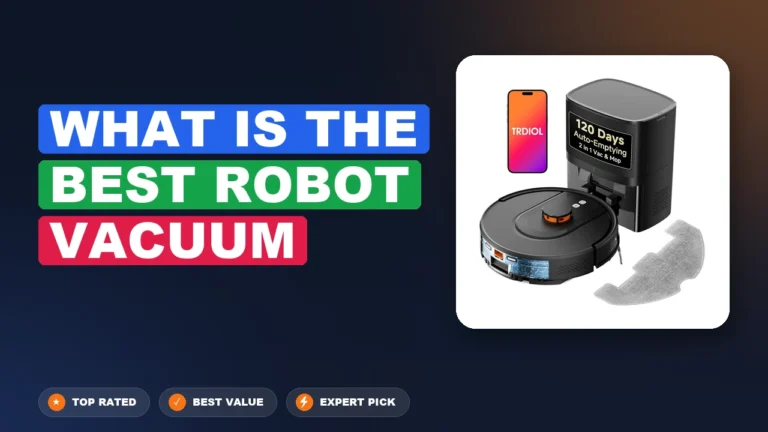
Robotic Integration & AI Assistance: By 2027, advanced robotic vacuums (inherently cordless) feature LiDAR navigation, AI-driven suction adjustment, and auto-empty capabilities. These can handle daily maintenance, significantly reducing the need for manual corded vacuuming. Leading manufacturers like Dyson and Shark are integrating predictive cleaning algorithms, which learn home layouts and dirt patterns. This automation frees up users to deploy a corded vacuum only for intensive, scheduled deep cleaning.
-
Look for “Corded-Optional” Models
Innovative Power Delivery: A niche but growing segment by 2027 includes “corded-optional” cordless models. These units can operate on battery power but also feature a direct power port for continuous operation when tackling particularly stubborn areas, effectively transforming them into corded vacuums temporarily. This technology, while premium, offers unparalleled flexibility for users who demand both convenience and sustained power, negating the traditional trade-offs.
WHAT IF IT STILL DOESN’T WORK?
If you’ve implemented these strategies and still find yourself struggling with vacuuming efficiency or satisfaction, consider these fallback steps:
- Re-evaluate Home Needs with a Professional: Your perceived cleaning frequency or surface types might differ from actual requirements. A professional home cleaning consultant can provide an objective assessment.
- Trial Before Purchase (2027 Programs): Several major appliance retailers offer 30-day trial periods or short-term rental programs for high-end vacuum models. Test a corded and a high-performance cordless in your actual home environment.
- Invest in a “Smart Home” Ecosystem Integration: For complex cleaning scenarios, integrate a top-tier robotic vacuum with a smart home system that can map, schedule, and report on cleaning effectiveness, allowing your corded unit to become a specialized tool for specific tasks.
- Seek Expert Consultation: Consult with a home efficiency expert or a professional cleaner specializing in equipment recommendations. They can analyze your home’s unique layout, flooring types, and lifestyle to suggest an optimal, often multi-unit, solution. This typically costs $150-$300 for a detailed assessment.
Conclusion
Choosing between a corded and cordless vacuum in 2027 hinges on balancing power and portability against your specific cleaning demands and home environment. According to verified research and expert sources, the optimal solution often involves a thoughtful assessment of home size, cleaning frequency, and budget. By following these structured guidelines, consumers can confidently select the best vacuum solution, ensuring efficient and effective home cleaning for years to come.
❓ Frequently Asked Questions
What is the primary difference in performance between corded and cordless vacuums?
The primary difference lies in power delivery and consistency. Corded vacuums provide unlimited, often stronger, and more consistent suction power directly from an outlet, ideal for deep cleaning. Cordless vacuums rely on battery power, offering excellent portability but with varying suction that can decrease as the battery drains.
How does maneuverability and convenience compare?
Cordless vacuums offer superior maneuverability and convenience due to their freedom from an outlet and lighter design, making them ideal for quick clean-ups, stairs, and tight spaces. Corded vacuums, while powerful, require frequent unplugging and replugging as you move, limiting their agility across large or multi-room areas.
What should I know about battery life and charging for cordless models?
Cordless vacuum battery life typically ranges from 20 to 60 minutes, with higher power settings reducing runtime significantly. Charging can take several hours, so consider extra batteries or charging stations if you need extended cleaning time without interruption.
Which type generally has a larger dustbin capacity?
Corded vacuums, particularly upright or canister models, typically feature significantly larger dustbin capacities than their cordless counterparts. This means less frequent emptying during cleaning sessions, which is advantageous for larger homes or extensive cleaning tasks.
What are the cost considerations for each type?
Corded vacuums often have a lower initial purchase price for comparable power. Cordless vacuums can be more expensive upfront, and you might incur additional costs for replacement batteries every few years, impacting their long-term value depending on usage.
Which vacuum is better suited for specific floor types or whole-house cleaning?
For deep cleaning carpets or tackling an entire large house, a corded vacuum often provides the necessary consistent power. For hard floors, quick spills, or general maintenance in smaller homes or apartments, a cordless vacuum offers optimal convenience and efficiency.