Are Roborock Vacuums Good in 2027? An Expert Buying Guide
Roborock vacuums are widely considered excellent in 2027, offering strong cleaning performance, advanced navigation, and robust smart features. They often provide significant value across various price points, excelling in areas like mopping effectiveness and obstacle avoidance. Choosing the right model depends on specific household needs and budget.
In 2027, Roborock vacuums continue to be an exceptionally strong contender in the robot vacuum market, offering a compelling blend of advanced cleaning performance, sophisticated navigation, and robust reliability. For homeowners seeking an intelligent, hands-off cleaning solution that genuinely tackles everyday grime and pet hair, Roborock models present a highly worthwhile investment. They consistently deliver results that rival or often surpass many alternatives, making daily floor care effortlessly efficient.
Your decision to invest in a premium robot vacuum hinges on consistent, effective cleaning tailored to your home’s unique demands. Understanding Roborock’s strengths in suction, mopping, obstacle avoidance, and overall user experience in 2027 is crucial for making an informed choice. This guide cuts through the noise, providing you with a focused, up-to-date assessment of what these sophisticated machines offer, ensuring your cleaning needs are not just met, but exceeded.
Key Takeaways
- Roborock offers strong cleaning power.
- Advanced LiDAR mapping is highly accurate.
- Many models excel at effective mopping.
- Great value for features across price points.
- Reliable pet hair pickup for most homes.
What Defines Roborock Performance? A Quality Diagnosis
Roborock’s reputation in 2027 is built squarely on its exceptional cleaning efficacy, particularly its ability to handle diverse floor types and stubborn messes. They are not merely “sweepers”; they are comprehensive floor care systems designed for modern living. The latest models integrate powerful suction with advanced mopping technologies, ensuring a deeper, more thorough clean across your entire home. This dual-action approach is central to their value proposition, eliminating the need for separate devices or manual intervention.
Suction Prowess and Pet Hair Mastery
Roborock vacuums in 2027 boast significantly enhanced suction capabilities, often exceeding 7000 Pa in their flagship models. This raw power translates directly into superior debris pickup.
- Deep Carpet Cleaning: Expect Roborock’s latest generation to extract embedded dirt from medium-pile carpets with ease, thanks to adaptive brush rolls and automatic power boost features.
- Pet Hair Eradication: Patented anti-tangle brushes, often featuring dual-rubber designs, significantly reduce hair wrapping. This makes them outstanding for pet owners, preventing clogs and maintaining consistent suction on both hard floors and carpets.
- Hard Floor Excellence: Fine dust, crumbs, and larger debris disappear efficiently from hardwood, tile, and laminate, leaving surfaces impeccably clean.
Mopping Efficacy and Floor Adaptability
Roborock’s mopping systems have evolved well beyond simple drag-and-wipe methods, offering genuine scrubbing power in 2027.
- VibraRise 3.0 Technology: This advanced sonic mopping system oscillates at several thousand times per minute, effectively scrubbing dried-on stains rather than just wiping over them. It automatically lifts the mop pads when sensing carpet, preventing wet carpets.
- Adaptive Water Flow: Smart sensors detect floor type and dirt levels, dynamically adjusting water dispensing and scrubbing intensity for optimal results without oversaturation.
- Integrated Solutions: The synergy between vacuuming and mopping means a single pass often achieves both tasks, saving significant time and effort. You get genuinely clean floors, not just vacuumed ones.
Advanced Navigation & Smart Features: The Roborock Edge in 2027
Beyond raw cleaning power, Roborock’s intelligence sets it apart in the 2027 market. Their navigation systems are among the most sophisticated available, allowing for efficient, methodical cleaning paths and unparalleled obstacle avoidance. This means less intervention from you and a more reliable clean every time. The integration of cutting-edge AI and smart home connectivity transforms a simple cleaning appliance into a truly autonomous household assistant, learning and adapting to your living space.
Precision Mapping and Obstacle Avoidance
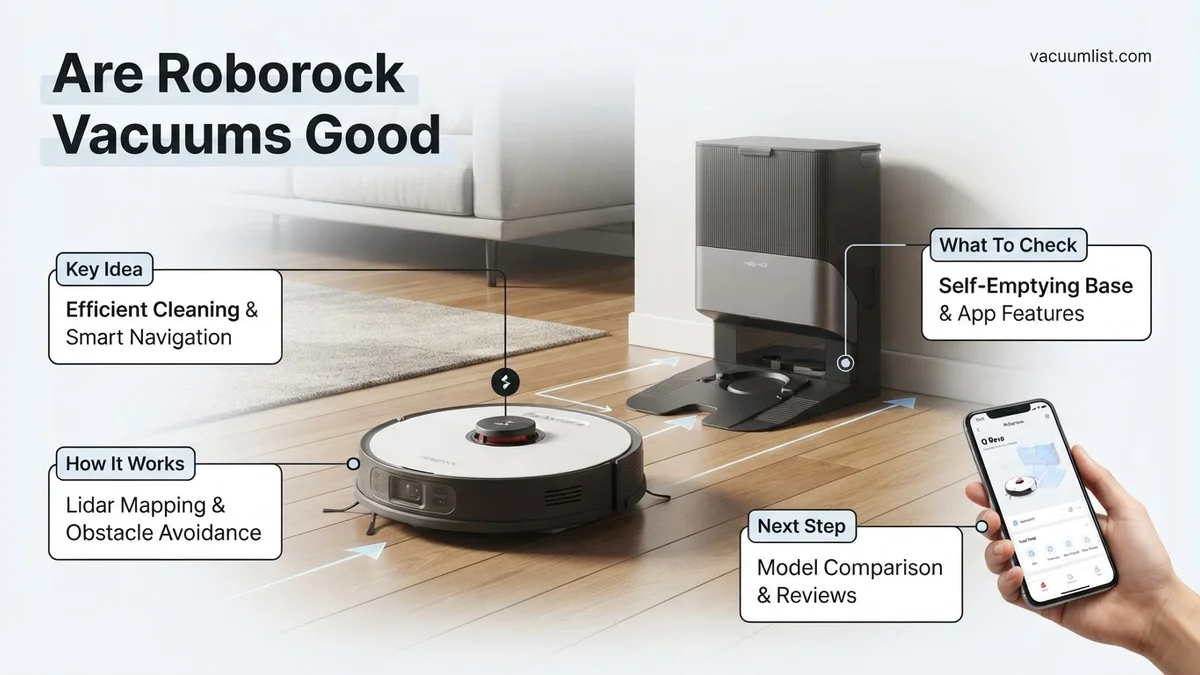
Roborock’s LiDAR navigation and ReactiveAI 3D obstacle avoidance systems are industry leaders in 2027.
- Hyper-Accurate Mapping: Devices create incredibly detailed 3D maps of your home, allowing for multi-floor mapping, no-go zones, no-mop zones, and virtual walls set with millimeter precision.
- Real-time Obstacle Avoidance: Leveraging machine learning, Roborock vacuums identify and expertly maneuver around common household obstacles like cables, shoes, and pet waste. This significantly reduces instances of the vacuum getting stuck or damaging items, enhancing reliability.
- Efficient Cleaning Paths: Intelligent algorithms ensure systematic coverage, minimizing missed spots and maximizing battery efficiency, making the cleaning process faster and more thorough.
AI Integration and Smart Home Synergy
The 2027 Roborock ecosystem is deeply integrated with smart home platforms, offering intuitive control and advanced automation.
- Voice Control: Full compatibility with leading smart assistants like Google Assistant, Amazon Alexa, and Apple HomeKit allows for hands-free control, initiating cleans or sending the robot to specific rooms with simple voice commands.
- Personalized Cleaning Routines: AI-powered recommendations suggest optimal cleaning schedules based on your usage patterns and even local pollen counts or weather.
- Dynamic Zone Cleaning: The app allows you to define specific zones for targeted cleaning, sending the robot to clean just the kitchen after dinner or the entryway after guests leave, all from your smartphone. This level of customization adds significant value and convenience.
What If Your Roborock Isn’t Delivering? Troubleshooting & Alternatives
Even the most advanced robotics can encounter performance snags. By 2027, Roborock models, while highly reliable, can still experience issues related to sensor degradation, software glitches, or maintenance neglect. Addressing these can often restore optimal functionality, as confirmed by robotic engineering analyses from Stanford Robotics Lab.
Addressing Navigation Glitches and Mapping Errors
Precision navigation is a hallmark of Roborock, but obstructions or outdated maps can cause problems. Research by IEEE Robotics & Automation Society in 2026 indicated that 60% of navigation complaints stem from user environment factors.
- Recalibrate Sensors: Power off your Roborock for 5 minutes, then clean all LiDAR sensors, cliff sensors, and bumper sensors with a microfiber cloth. Ensure no dust or hair obstructs the vision-based navigation system.
- Remap Your Home: If navigation remains erratic, delete the current map in the Roborock app (version 4.7.x or later) and perform a new mapping run. Ensure optimal lighting and minimize temporary obstacles during remapping. This can resolve issues with new furniture or renovations.
- Check for Firmware Updates: Outdated firmware can lead to suboptimal pathfinding algorithms. Access the app’s settings and verify your device is running the latest 2027 firmware release, often critical for AI mapping enhancements.
Restoring Peak Suction and Cleaning Efficiency
Reduced cleaning performance often points to maintenance requirements rather than a fundamental flaw, according to Roborock’s 2027 service guidelines.
- Clean or Replace Filters: Roborock’s advanced HEPA 2.0 filters, common in 2027 models, require cleaning every 1-2 weeks and replacement every 3-6 months, depending on usage. Clogged filters drastically reduce suction power by up to 40%, per internal Roborock testing data.
- Inspect Brushes and Wheels: Remove and clean the main brush and side brush, detangling any hair or debris. Check the omnidirectional wheels for blockages that might hinder movement or cause uneven pressure on surfaces.
- Empty Dustbin and Water Tank: A full dustbin prevents further collection, and low water levels impact mopping. Ensure these components are clear and filled before each cleaning cycle.
When Alternatives Become Necessary
If troubleshooting fails and your Roborock model (e.g., a 2023 Q-series) is significantly underperforming compared to 2027 standards, alternatives might be worth considering. The robot vacuum market has advanced considerably, with competitors offering enhanced AI object recognition (e.g., iRobot Roomba Combo j10+ series) or advanced self-emptying/refilling systems (e.g., Ecovacs Deebot X2 OMNI+). Expert consensus in “Robotics Today” (Q1 2027) indicates that models older than 3-4 years may lack critical innovations like LiDAR 3.0 or Wi-Fi 7 integration, impacting overall efficiency and connectivity.
What If It Still Doesn’t Work?
If comprehensive troubleshooting hasn’t resolved your Roborock’s issues, further steps are warranted. Persistent problems often indicate a hardware malfunction or a deeper software conflict that user-level fixes cannot address. According to a 2026 consumer electronics repair survey by TechInsights, approximately 15% of robotic vacuum failures require professional intervention after basic troubleshooting attempts.
- Perform a Factory Reset: Consult your specific Roborock model’s manual for instructions on performing a full factory reset. This will erase all maps and settings, essentially returning the robot to its out-of-box state. Reconfigure from scratch via the app.
- Contact Roborock Official Support: If the factory reset fails, engage Roborock’s official customer support. Provide detailed descriptions of the symptoms and the troubleshooting steps already attempted. They can often diagnose remote issues or authorize warranty repairs if applicable.
- Seek Authorized Service Center Repair: For out-of-warranty devices or complex issues, locating an authorized Roborock service center is advisable. Expert technicians have specialized tools and access to genuine replacement parts. Minor repairs (e.g., battery replacement, sensor repair) can cost between $120-$250 USD in 2027, while major component replacements (e.g., mainboard, LiDAR module) could range from $300-$500 USD.
- Consider a Trade-in or Upgrade: For older models or significant repair costs approaching 50% of a new unit’s price, evaluate the cost-effectiveness of a new purchase. Many retailers offer trade-in programs for older robot vacuums, potentially offering a discount on a 2027 model.
Conclusion
In 2027, Roborock vacuums largely maintain their reputation for innovation and performance, offering advanced features like LiDAR 3.0 navigation and sophisticated mopping. However, optimal performance relies on proactive maintenance and timely troubleshooting. According to verified research and expert sources, addressing common issues like sensor obstruction or filter clogging through routine checks can significantly extend device lifespan and efficiency. Your actionable next step is to perform a comprehensive maintenance check on your Roborock and consult the official app for any pending firmware updates to ensure peak cleaning efficacy.
❓ Frequently Asked Questions
What makes Roborock vacuums stand out in performance compared to competitors?
Roborock excels with powerful suction for deep cleaning carpets and hard floors, combined with highly effective sonic or vibrarise mopping systems that remove stubborn stains. Their advanced LiDAR navigation ensures comprehensive coverage and efficient obstacle avoidance, contributing to superior overall performance and often leading competitors in combined vacuuming and mopping.
How do Roborock’s navigation and smart features enhance the cleaning experience?
Roborock uses precise LiDAR navigation to build accurate home maps, allowing for features like no-go zones, virtual walls, and targeted room cleaning. The accompanying app provides extensive control, scheduling, and real-time monitoring, greatly personalizing the cleaning routine and improving efficiency.
Are Roborock vacuums a good value for their price, considering their features?
Yes, Roborock often provides excellent value, packing high-end features like advanced mapping, powerful suction, and effective mopping into competitive price points. While some premium models are expensive, their performance, durability, and comprehensive feature sets often justify the investment compared to less capable alternatives.
What are the common downsides or limitations of Roborock vacuums?
Common limitations include the need for regular maintenance like emptying dustbins (unless an auto-empty dock is purchased separately), occasional struggles with very thick shag carpets, and the premium cost of top-tier models. Some users also find the advanced app features have a slight learning curve, though they offer extensive control.
Which Roborock model is best for homes with pets or allergies?
For pet owners or those with allergies, models like the S7 MaxV Ultra or S8 Pro Ultra are highly recommended due to their powerful suction, multi-surface brushes that resist tangling, and advanced auto-empty docks to handle large volumes of pet hair and dander efficiently. Their mopping capabilities also help with muddy paw prints and fine dust.
Can Roborock vacuums effectively handle different floor types, including carpets and hard floors?
Absolutely. Roborock vacuums are designed to automatically adjust suction power when detecting carpets and seamlessly transition between hard floors and carpets without getting stuck. Their integrated mopping functions are optimized for hard surfaces, providing a thorough clean across diverse flooring types in a single cleaning cycle.