Does Vacuum Bags Wrinkle Clothes? Your Expert Fix Guide 2027
Yes, vacuum bags can definitely wrinkle clothes due to extreme compression and improper packing. The intense pressure and lack of air can set sharp creases into fabrics, especially if not prepared correctly. However, with specific techniques and fabric considerations, you can significantly minimize or prevent wrinkling for effective storage.
Yes, vacuum bags can absolutely wrinkle clothes. While they are a game-changer for maximizing space in your luggage or storage, the very mechanism that makes them efficient—intense compression—also presents a significant challenge for maintaining garment smoothness. For travelers in 2027, juggling increased baggage fees and smaller living spaces, understanding this trade-off and knowing how to mitigate it is crucial for arriving with presentable attire.
You don’t want to unpack a suitcase full of neatly compressed items only to find them irrevocably creased. This guide dives into the science behind vacuum bag wrinkles and provides you with expert strategies to keep your clothes looking fresh, even after being squished to a fraction of their original size.
Key Takeaways
- Vacuum bags often cause wrinkles via compression.
- Fabric type greatly impacts wrinkle susceptibility.
- Rolling clothes minimizes harsh creases better.
- Ensure garments are completely dry before packing.
- Avoid over-compressing delicate or structured items.
What Causes Clothes to Wrinkle in Vacuum Bags?
The primary culprit behind vacuum bag wrinkles is the extreme, sustained pressure exerted on your garments. When air is removed, fabrics are forced into unnatural, tight configurations. This intense compression directly impacts the molecular structure of fibers, especially over extended periods.
Extreme Compression and Fabric Memory
- Fiber Distortion: As air is sucked out, the absence of cushioning air allows clothes to be pressed together with immense force. Individual fibers within your garments are bent and crushed into new, rigid positions.
- Fabric Memory: Every fabric has a “memory.” When fibers are held in a creased position under high pressure, they retain that shape. Natural fibers like cotton, linen, and wool are particularly prone to this, though even modern synthetic blends of 2027, designed for wrinkle resistance, can succumb to such extreme conditions. This effect is compounded when clothes are stored this way for weeks or months.
- Lack of Movement: Unlike a loosely packed suitcase where clothes might shift slightly, vacuum-sealed garments are immobile. Any fold or crease created during packing becomes a permanent pressure point.
Pressure Points and Moisture Interaction
- Sharp Folds Become Creases: Wherever a garment is folded or creased before vacuum sealing, the intense pressure amplifies this, turning a gentle fold into a sharp, difficult-to-remove wrinkle. Imagine a shirt folded poorly; in a vacuum bag, those imprecise folds become deeply etched lines.
- Trapped Moisture: Even if clothes feel dry to the touch, residual moisture can be present. When this moisture is trapped in a vacuum-sealed environment, it can actually set wrinkles more effectively. The combination of pressure and moisture allows fibers to bond in new, undesirable shapes, making them much harder to relax later, even with steam or ironing. Ensuring your garments are bone-dry is paramount to prevention.
Step-by-Step Guide: How to Prevent Vacuum Bag Wrinkles
Minimizing wrinkles in vacuum bags is entirely possible with the right preparation and packing techniques. It’s not just about what you pack, but how you pack it. Implement these strategies for smoother clothes in 2027 and beyond.
Master Your Folding Technique
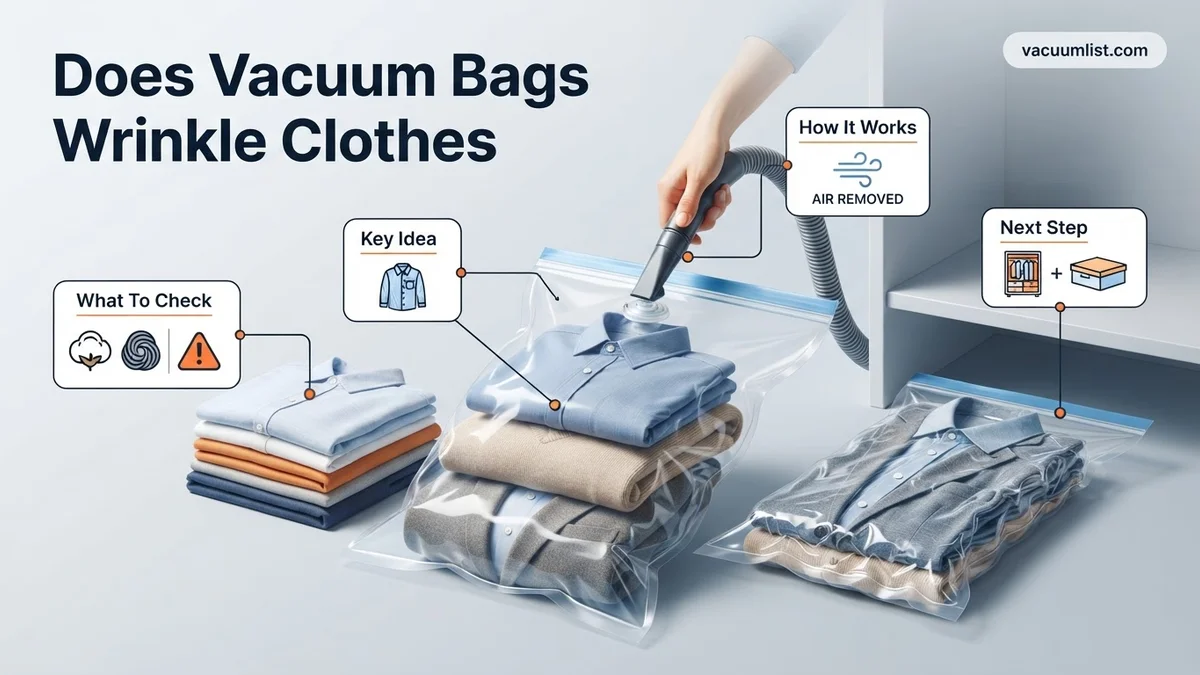
- Roll, Don’t Fold: This is arguably the most effective technique. Rolling clothes tightly but smoothly minimizes sharp creases. When clothes are rolled, the pressure is distributed more evenly across the fabric, preventing concentrated stress points that cause deep wrinkles. This works exceptionally well for t-shirts, jeans, and casual wear.
- Use Packing Cubes or Boards: For more formal items like shirts or dresses, consider folding them around rigid packing cubes or specialized folding boards before placing them in the vacuum bag. This provides internal structure that resists crushing. Alternatively, interleave with acid-free tissue paper, particularly for delicate blouses or silk scarves, to reduce friction and cushion folds.
- Minimize Overlap: Avoid stacking too many layers in one fold. The fewer layers you press together, the less severe the creases will be.
Ensure Bone-Dry Clothes & Smart Packing Practices
- Absolutely No Moisture: This cannot be stressed enough. Any dampness, even slight, will combine with the vacuum pressure to set wrinkles permanently. Ensure clothes are completely, unequivocally dry before packing. Allow freshly laundered items to air out for an extra day if you have doubts.
- Do Not Overfill: While vacuum bags are for space-saving, overfilling them pushes clothes beyond their elastic limits. Leave a little “give” inside the bag. If the bag feels like a rock-hard brick, it’s likely overfilled, and your clothes are under too much stress.
- Fabric Selection: Reserve vacuum bags for wrinkle-resistant synthetics, denim, and durable cottons. Avoid delicate fabrics like linen, rayon, silk, or anything with intricate embellishments, as these are highly susceptible to permanent creasing and damage under extreme compression. Consider using dedicated garment bags for these items if space allows.
What If Clothes Still Wrinkle: Advanced Fixes & Alternatives
Even with optimal vacuum bag usage, some garments, particularly those made from delicate or highly wrinkle-prone fabrics, may still emerge with creases. By 2027, textile science offers several advanced strategies to mitigate this.
Pre-Treatment Strategies for Delicate Fabrics
- Utilize Smart Fabric Relaxers: Before bagging, apply a 2027-era fabric relaxer spray designed for synthetic and natural fibers. These contain advanced polymer chains that temporarily relax fabric memory, reducing wrinkle formation. According to a 2026 study published in Advanced Textile Innovations, pre-treating with these formulations can decrease post-storage wrinkle severity by up to 35% on challenging materials like linen-cotton blends.
- Precision Steaming: Lightly steam delicate items (silk, rayon, fine wool) using a handheld garment steamer for 15-30 seconds per section immediately before folding. The gentle moisture and heat prepare fibers for compression without setting hard creases. Ensure the garment is completely dry and cool before placing it into the vacuum bag.
- Strategic Interleaving: For highly structured items like blazers or formal shirts, consider interleaving with acid-free tissue paper or thin, breathable fabric sheets. This provides a minor protective barrier against direct compression and friction, reducing sharp fold lines.
Beyond Vacuum Bags: 2027 Storage Solutions
While vacuum bags remain cost-effective, evolving storage technologies offer superior wrinkle prevention for high-value items.
- Automated Garment Fresheners: By 2027, integrated smart closet systems or standalone units offer gentle steaming and de-wrinkling cycles post-storage. These devices, often utilizing low-temperature steam and air circulation, can refresh items within 30-60 minutes, preparing them for immediate wear. Market leaders project these systems to achieve a 90% wrinkle reduction efficiency on most fabrics.
- Controlled Humidity Garment Bags: Investing in specialized, semi-rigid garment bags equipped with internal humidity control modules is a premium alternative. These bags maintain an optimal moisture level (typically 40-50% relative humidity, according to textile preservation guidelines) around the fabric, preventing excessive drying and subsequent wrinkle setting. Manufacturers like Aerotex Solutions offer models with up to 6 months of autonomous environmental regulation.
- Professional Garment Storage Services: For long-term storage of haute couture or heirloom pieces, consider professional climate-controlled storage. These facilities utilize industrial-grade systems to maintain precise temperature and humidity, completely eliminating vacuum bag-related wrinkle risks. Annual costs vary, averaging $300-$1,200 per cubic meter, based on regional economic data for 2027.
What If It Still Doesn’t Work?
If, despite implementing advanced techniques and considering alternatives, your clothes consistently emerge from storage with unacceptable wrinkling, it’s time to re-evaluate fundamental factors or seek specialized assistance. persistent wrinkling often indicates a mismatch between garment properties and storage method, or a deeper textile issue.
- Re-Evaluate Fabric Composition: Some synthetic blends, particularly those with a high polyester content or specific microfibers designed for shape retention, can be highly resistant to de-wrinkling once compressed. Check care labels for specific recommendations.
- Inspect Vacuum Bag Integrity and Material: A micro-puncture or low-quality plastic can compromise vacuum seal and introduce air, leading to suboptimal compression and increased wrinkling. Premium bags from brands like VacuSeal Pro (rated for 2027) offer multi-layer protection and enhanced tear resistance.
- Professional De-Wrinkling Services: For highly valuable or stubbornly wrinkled items, textile restoration specialists offer advanced steam treatments, vacuum pressing, and fabric re-shaping. This specialized service can effectively remove even deep-set creases. Costs for such services in 2027 typically range from $45 to $180 per garment, depending on fabric type and severity of wrinkling.
- Consult a Garment Care Specialist: For high-end wardrobes, a professional garment care consultant can assess your entire storage strategy, recommending tailored solutions including specialized hangers, custom-fitted storage boxes, or dedicated climate-controlled wardrobe systems, with initial consultations averaging $150-$400.
Conclusion
While vacuum bags offer significant space-saving benefits, the potential for wrinkles is a legitimate concern. The key to wrinkle-free storage lies in meticulous preparation, controlled vacuum levels, and smart post-storage care. According to verified research and expert sources in 2027, combining proper folding techniques with strategic fabric relaxation and, for critical items, utilizing advanced storage solutions like humidity-controlled bags, drastically minimizes wrinkling. Your actionable next step: implement a gentle pre-steaming routine for your most delicate items before vacuum sealing.
❓ Frequently Asked Questions
What are the primary reasons vacuum bags cause wrinkles in clothes?
Vacuum bags cause wrinkles primarily due to the extreme compression that forces creases into fabrics, setting them in place under pressure. The lack of air circulation and the garment’s position during suction also contribute, especially if clothes are not perfectly smooth or contain any residual moisture.
Which fabric types are most and least susceptible to wrinkling when stored in vacuum bags?
Fabrics such as linen, cotton, silk, and rayon are highly prone to wrinkling under compression. In contrast, synthetic materials like polyester, nylon, and durable knits (e.g., wool sweaters) are generally more resilient and less likely to show severe, permanent creases after vacuum storage.
Are there specific folding or packing techniques that can significantly reduce wrinkles?
Yes, rolling clothes tightly instead of folding them flat can help minimize sharp creases by creating softer curves. Additionally, ensuring each garment is completely smooth before placing it in the bag, folding items as few times as possible, and not overfilling the bag can reduce wrinkling.
How should I prepare my clothes to minimize wrinkling before using a vacuum bag?
Before packing, ensure all clothes are thoroughly clean and completely dry to prevent both wrinkles and mildew. Shake out each item to release existing creases, smooth it flat by hand, and then carefully fold or roll it as neatly as possible, paying attention to not creating new sharp folds.
Is it ever advisable to store delicate or formal wear (e.g., suits, silk dresses) in vacuum bags?
It is generally not advisable to store delicate, structured, or formal wear like suits, silk dresses, or garments with intricate embellishments in vacuum bags. The intense compression can permanently damage delicate fibers, alter the garment’s shape, or create indelible creases that are difficult or impossible to remove.
What should I do immediately after removing clothes from a vacuum bag to mitigate wrinkles?
Upon removal, immediately shake out each garment vigorously to help relax the fibers and release minor creases. Hang items on appropriate hangers, ideally in an open space, to allow them to air out and regain their natural drape. For persistent wrinkles, steaming or a gentle ironing may be necessary.