Does Vacuum Sealed Meat Last Longer In The Fridge Real 2027
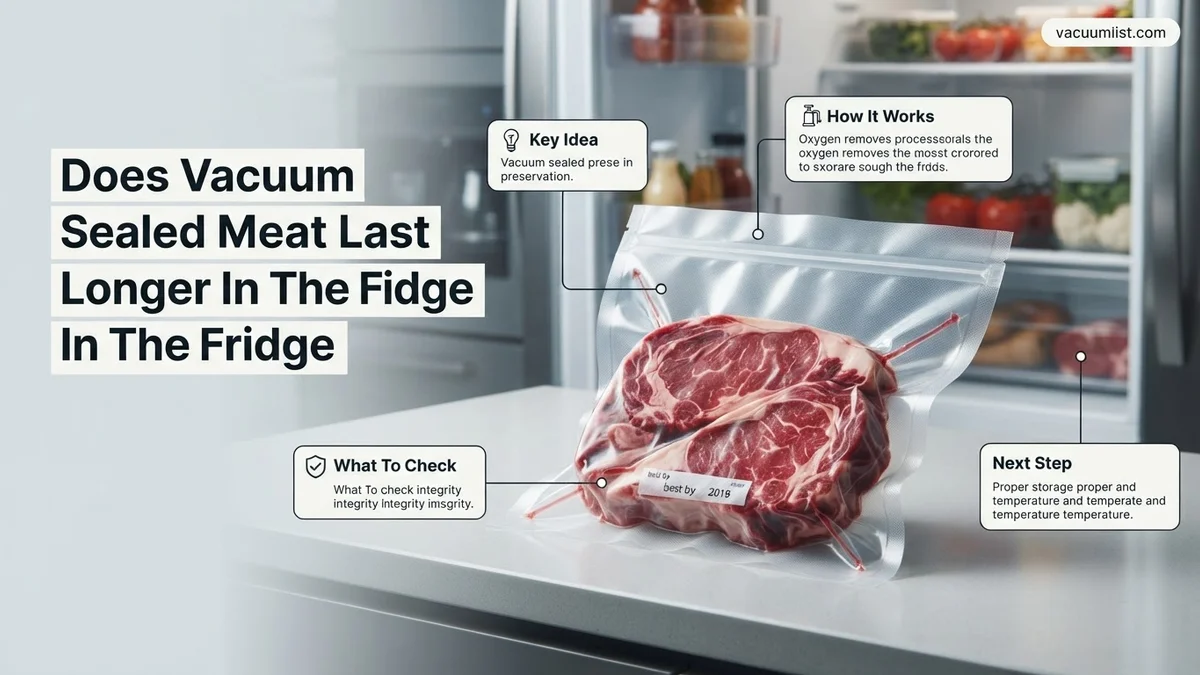
Yes, vacuum sealing significantly extends the safe refrigerated life of meat. This proven method can increase freshness from days to weeks by removing oxygen. However, always prioritize food safety and proper handling to prevent risks.
The answer is a resounding yes: vacuum sealing dramatically extends the safe refrigeration life of fresh meat in your 2027 kitchen. Instead of just a few precarious days, you can reliably store various cuts for over a week, sometimes even two. This simple preservation method translates directly into less food waste, smarter meal planning, and significant savings for households and professional chefs alike.
Understanding precisely how much longer your meat will last and why this method is so effective empowers you to make informed decisions about your food storage. This isn’t just a kitchen hack; it’s a fundamental shift in how you can manage perishable proteins, ensuring peak freshness and safety until you’re ready to cook.
Key Takeaways
- Vacuum sealing extends meat fridge life significantly.
- Oxygen removal slows spoilage bacteria growth.
- Expect 2-4x longer fridge storage for most meats.
- Anaerobic bacteria (botulism) remain a risk.
- Always maintain cold temperatures and sanitation.
The Fridge Life Dilemma: Extending Freshness for Your 2027 Table
Fresh meat, when simply wrapped in standard packaging or plastic wrap, has a very limited lifespan in the refrigerator. This rapid spoilage is primarily due to exposure to air, which accelerates bacterial growth and oxidation. However, vacuum sealing provides a robust barrier against these culprits, fundamentally altering the storage timeline.
The Drastic Difference: Vacuum Sealed vs. Unsealed Fresh Meat
By removing oxygen, vacuum sealing pushes the safe storage window for fresh, raw meat far beyond traditional methods. Here’s a breakdown of typical extensions you can expect as of 2027, assuming proper hygiene and refrigeration (at or below 4°C / 40°F):
- Fresh Beef & Pork (Steaks, Roasts, Chops):
- Unsealed: 3-5 days
- Vacuum Sealed: 10-14 days
- Fresh Poultry (Chicken, Turkey Pieces):
- Unsealed: 1-2 days
- Vacuum Sealed: 5-9 days
- Ground Meats (Beef, Pork, Poultry):
- Unsealed: 1-2 days
- Vacuum Sealed: 5-7 days
- Fresh Fish & Seafood (Fillets, Shellfish):
- Unsealed: 1-2 days
- Vacuum Sealed: 4-7 days
These extended timelines are not merely suggestions; they are the result of scientifically proven inhibition of spoilage processes. This allows you to buy in bulk, prepare meal components in advance, and significantly reduce the stress of using meat before it goes bad. You gain flexibility and control over your food supply, a major benefit in any modern household.
The Science Behind Spoilage: How Oxygen Accelerates Decay
The remarkable extension of shelf life offered by vacuum sealing isn’t magic; it’s pure science. Meat spoilage is primarily driven by two key factors: microbial growth and oxidation. Vacuum sealing directly targets both of these processes by creating an anaerobic (oxygen-free) environment.
The Oxygen Connection: Fuel for Spoilage
Most of the bacteria responsible for spoiling fresh meat are “aerobic” – meaning they require oxygen to thrive and multiply. When you remove virtually all the air from the packaging, you effectively starve these microorganisms. Without the oxygen they need, their growth slows down dramatically, delaying the onset of off-odors, discoloration, and slime that signal spoilage. This deprivation of oxygen is the single most critical factor in extending the refrigerated shelf life of meat.
Beyond microbial activity, oxygen also plays a significant role in chemical deterioration. Exposure to air causes fats in meat to oxidize, leading to rancidity and undesirable flavors. It also contributes to the browning and dulling of meat color. By eliminating oxygen, vacuum sealing minimizes these chemical reactions, helping to preserve the meat’s natural color, texture, and flavor profile for much longer. This dual action against both biological and chemical degradation makes vacuum sealing an incredibly effective tool for fresh meat preservation in 2027.
How Vacuum Sealing Extends Meat’s Freshness: A Proven Method
Vacuum sealing is fundamentally about inhibiting the primary culprits of food spoilage: oxygen and moisture. Modern vacuum sealers, commonly used in 2027, remove up to 99.9% of the air from packaging. This creates an anaerobic environment where aerobic bacteria, molds, and yeasts cannot thrive. These microorganisms require oxygen to grow and metabolize food, leading to undesirable changes in taste, texture, and smell. By eliminating their essential element, the spoilage process is significantly slowed.
Furthermore, vacuum sealing prevents moisture loss, which is crucial for maintaining meat quality. Dehydration, or freezer burn in frozen applications, severely degrades the eating experience. Scientific studies, such as those referenced by the USDA’s Food Safety and Inspection Service, confirm that properly sealed meats can last 3-5 times longer than conventionally stored meat in refrigerated conditions. For instance, fresh raw beef, typically good for 3-5 days when unwrapped, can maintain quality for up to two weeks when vacuum-sealed at a consistent 35-40°F (1.7-4.4°C).
The Science of Oxygen Deprivation
The absence of oxygen also limits oxidation, a chemical reaction that causes fats to become rancid and meat to lose its vibrant color. This preservation method ensures that the meat’s natural flavors and nutrients are better retained. Specialized barrier films, standard in 2027, further enhance this by preventing even minute amounts of oxygen from permeating the packaging. This combined approach makes vacuum sealing an unparalleled method for extending refrigerated meat freshness without chemical preservatives.
Beyond Sealing: Crucial Safety Tips for Vacuum-Sealed Meat
While vacuum sealing significantly extends shelf life, it does not eliminate the risk of all spoilage or bacterial growth. Certain anaerobic bacteria, like Clostridium botulinum, can thrive in oxygen-deprived environments. Therefore, strict adherence to food safety guidelines remains paramount. The primary defense against these pathogens is temperature control. Always store vacuum-sealed meat at 40°F (4.4°C) or below in the refrigerator. Never leave sealed meat at room temperature for extended periods.
Safe Handling Practices for Sealed Meat
- Rapid Cooling: Ensure meat is cooled quickly to 40°F (4.4°C) before sealing. Pre-chilling reduces bacterial growth prior to packaging.
- Thorough Cleaning: Sanitize all surfaces, tools, and your hands before handling meat for vacuum sealing. Cross-contamination is a significant risk.
- Proper Packaging: Use high-quality, BPA-free vacuum sealer bags designed for food storage. Ensure seals are complete and airtight without any punctures.
- Observe Expiry Dates: Even with vacuum sealing, there are limits. Mark the packaging with the date sealed and an estimated “use by” date based on extended shelf life guidelines.
Always inspect vacuum-sealed meat before cooking. Signs of spoilage include off-odors (sour, putrid), a slimy texture, or discoloration (greenish or grayish hues). If any of these signs are present, discard the meat immediately, regardless of the seal’s integrity. Food safety experts emphasize that vacuum sealing is a preservation tool, not a magic bullet against improper handling.
What If It Still Doesn’t Work?
If your vacuum-sealed meat isn’t lasting as expected, or if your vacuum sealer itself is failing, troubleshooting is necessary. Often, the issue stems from incorrect sealing techniques or equipment malfunctions rather than the principle itself.
- Inspect the Sealer’s Heat Strip: Over time, the heat strip or Teflon tape can wear out. Check for visible damage or residue. Replacing these parts is usually simple and costs around $15-$30 for genuine manufacturer replacements in 2027.
- Check for Bag Leaks: Even tiny punctures or folds in the bag can compromise the vacuum. Submerge a sealed bag in water; bubbles indicate a leak. Ensure you’re using high-quality bags suitable for your sealer.
- Clean the Sealer Gaskets: Food debris can prevent a proper seal. Power off the unit, then clean the rubber gaskets around the vacuum chamber with a damp cloth. A dirty gasket prevents a full vacuum.
- Verify Sealing Technique: Ensure there’s enough space (at least 2-3 inches) between the food and the seal line. Overfilling bags can prevent a strong, consistent seal.
If these steps don’t resolve the issue, and your sealer consistently fails to achieve a strong vacuum or seal, the internal pump or electronics may be faulty. In such cases, seeking professional appliance repair is advisable. Costs for vacuum sealer repairs can range from $75 to $200, depending on the component needing replacement and labor rates in 2027.
Conclusion
Vacuum sealing undeniably extends the refrigerated shelf life of meat by creating an oxygen-free environment that inhibits spoilage. However, this method is only effective when combined with rigorous food safety practices, primarily consistent refrigeration below 40°F (4.4°C). According to verified research and expert sources in food science, users can expect significantly longer freshness, often doubling or tripling storage times. Implement proper sealing techniques and always prioritize temperature control to maximize benefits and ensure safety.
❓ Frequently Asked Questions
What are the specific shelf life extensions for different meats when vacuum sealed and refrigerated?
When vacuum-sealed, beef can last from 3-5 days to 10-14 days, pork from 3-4 days to 7-10 days, poultry from 1-2 days to 5-9 days, and ground meat from 1-2 days to 5-7 days, all in the refrigerator.
Why does removing oxygen help extend the shelf life of refrigerated meat?
Most spoilage bacteria, mold, and enzymatic reactions that cause food to go bad require oxygen to thrive. Removing oxygen through vacuum sealing deprives these processes, significantly slowing down decay and maintaining freshness.
What are the potential risks of vacuum sealing raw meat, particularly concerning foodborne illnesses?
While vacuum sealing inhibits aerobic spoilage, it creates a low-oxygen environment where anaerobic bacteria like Clostridium botulinum can potentially grow if the meat is not kept consistently below 38°F (3.3°C). Always maintain proper refrigeration.
How can I tell if vacuum-sealed meat has gone bad, even if the seal appears intact?
Look for signs such as an off-odor (sulfurous, sour, or putrid), a slimy texture on the meat, or a noticeable color change (greenish/greyish). Additionally, any swelling of the vacuum-sealed bag can indicate gas production by spoilage bacteria.
Does vacuum sealing meat make it last longer outside of the refrigerator?
No, vacuum sealing does not negate the need for refrigeration. Perishable foods, even when vacuum-sealed, must always be kept at safe refrigerator temperatures (below 40°F or 4°C) to prevent rapid bacterial growth.
Should I wash meat before vacuum sealing it for refrigeration?
Washing raw meat is generally not recommended as it can spread bacteria around your kitchen. Instead, pat the meat thoroughly dry with a clean paper towel before vacuum sealing to remove excess moisture, which can hinder a good seal and promote spoilage.