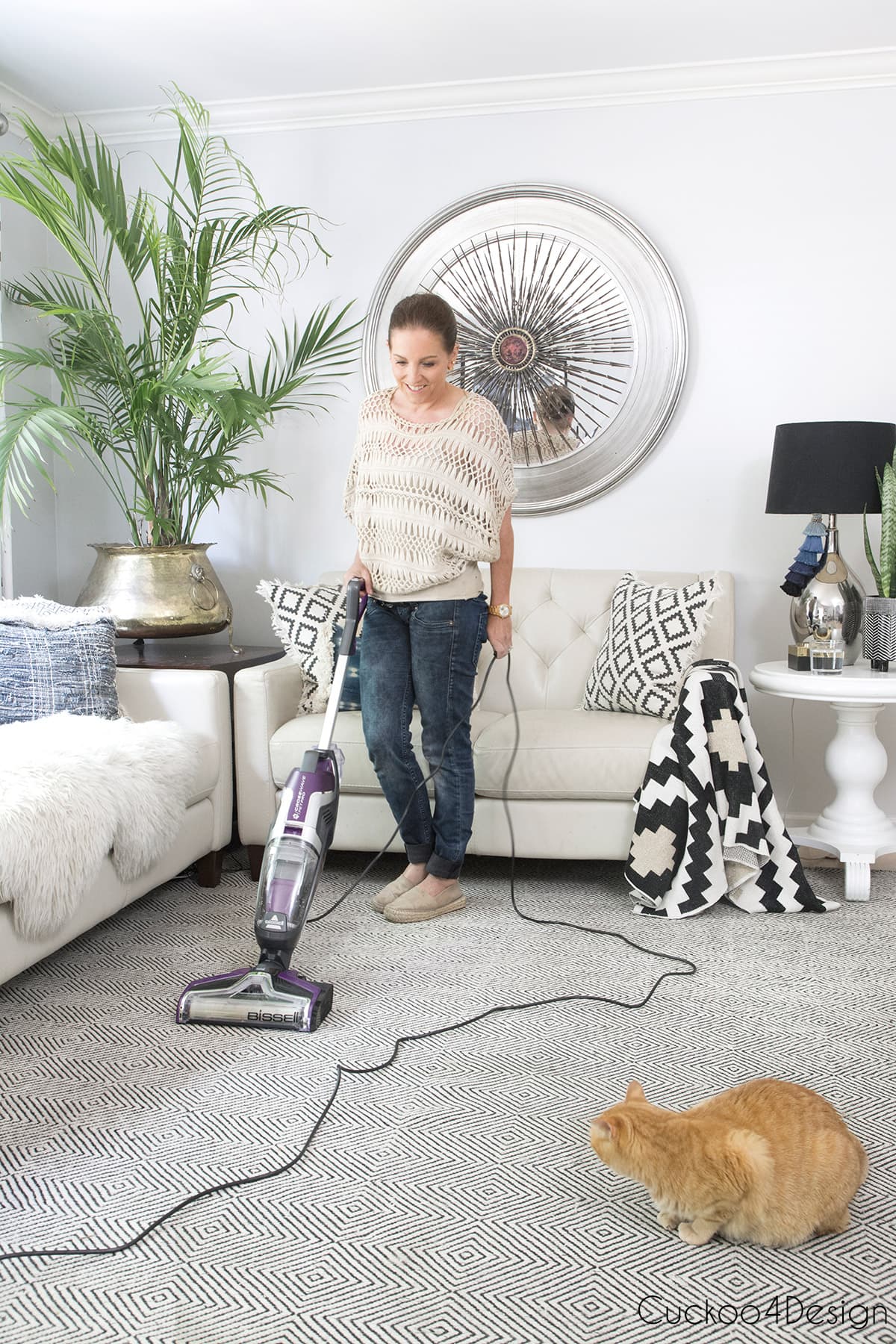
Can You Use The Bissell CrossWave On Carpet: Best 2026 Tips
Yes, but only on area rugs or low-pile, water-safe carpets and runners.
If you’re wondering can you use the Bissell CrossWave on carpet, you’re in the right place. I test floor-care gear for real homes and busy families. In this guide, I’ll break down where the CrossWave shines on carpet, where it does not, and how to use it safely for best results. Stick with me to understand the limits, the right settings, and smart, pro-level tips.
How the Bissell CrossWave Works on Floors
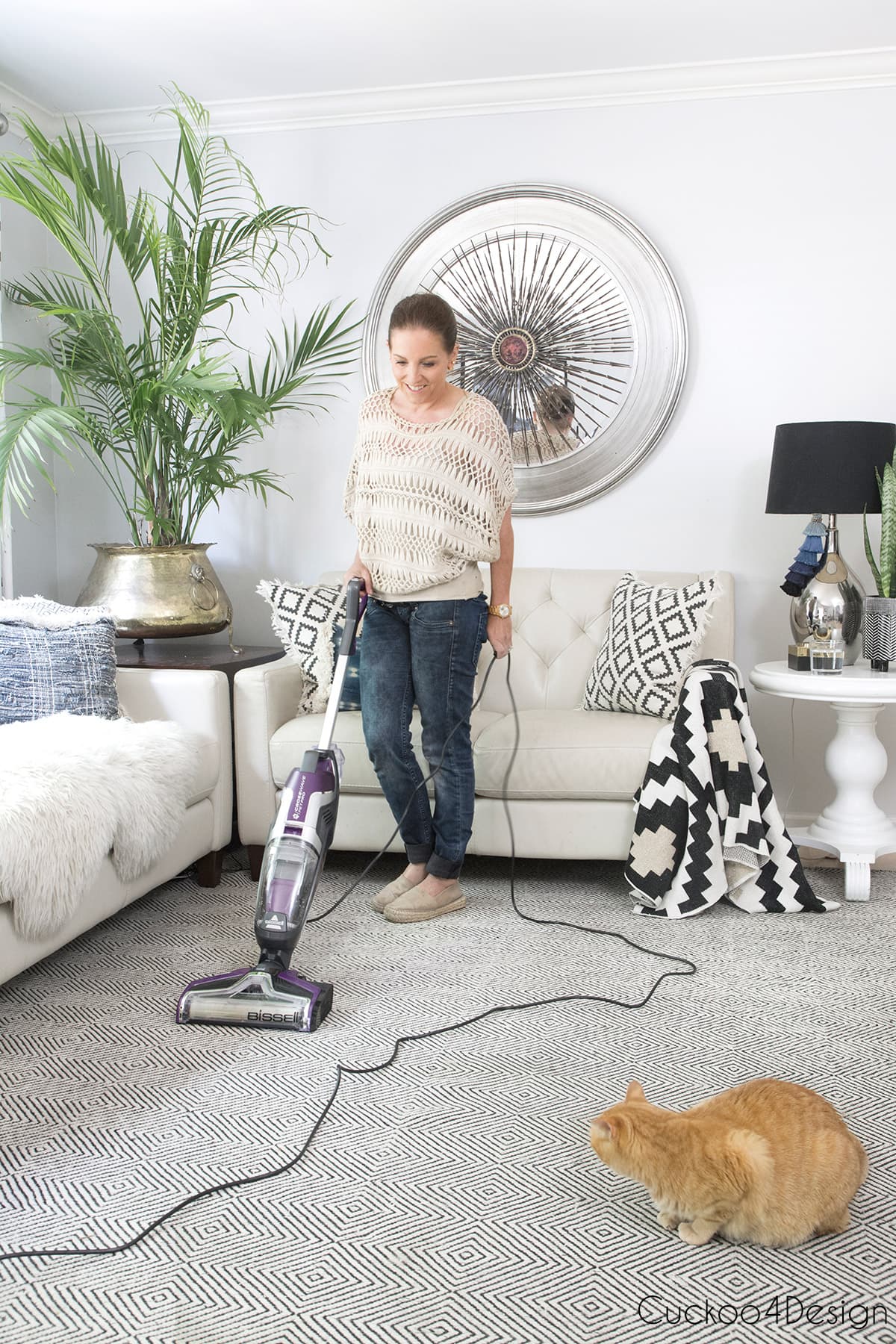
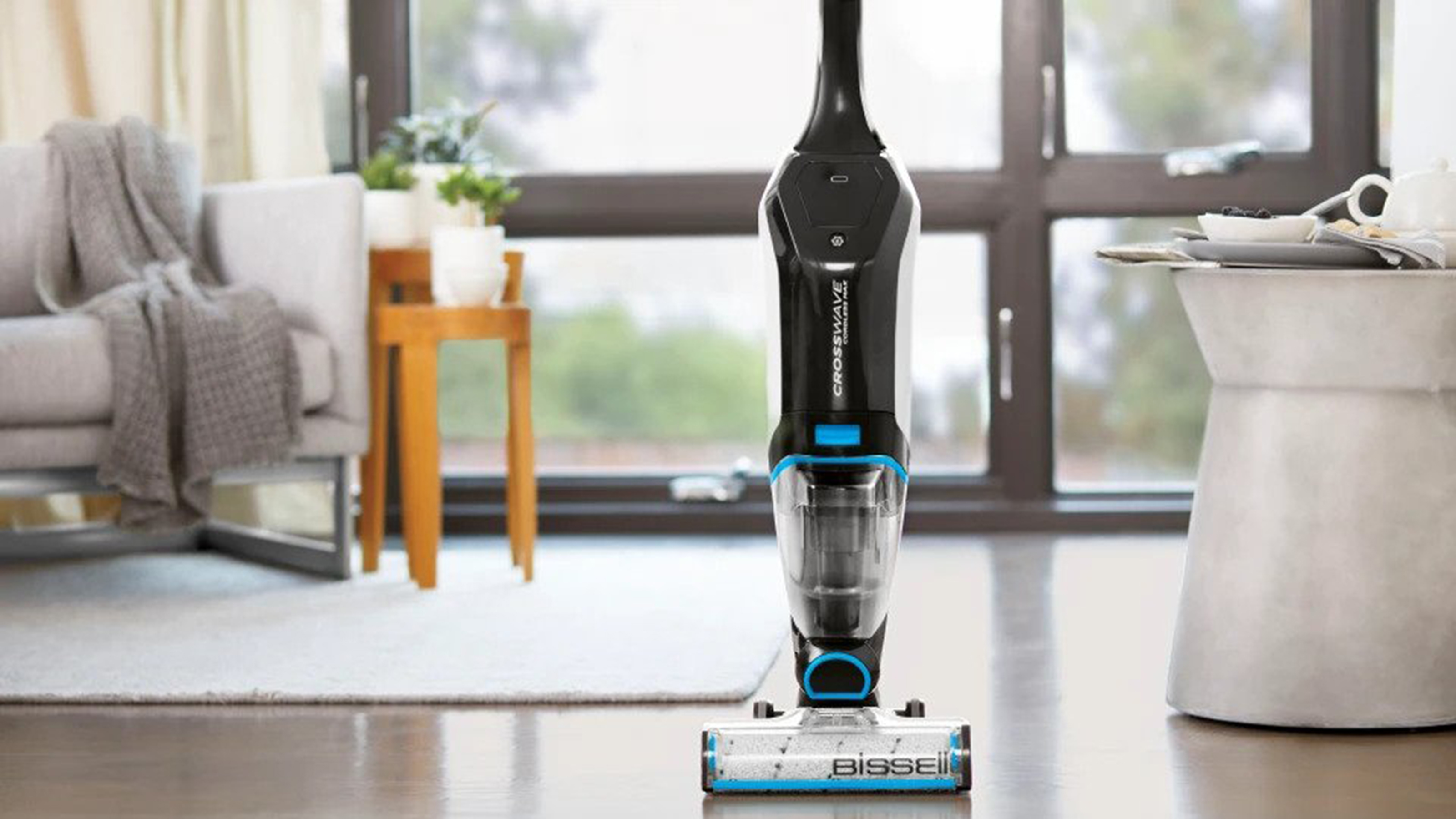
The CrossWave is a wet-dry vacuum with a powered brush roll. It dispenses cleaning solution, scrubs, and vacuums in one pass. On sealed hard floors, it mops and lifts debris. On area rugs, it can add moisture and suction to refresh the surface.
This is key to the whole question: can you use the Bissell CrossWave on carpet? Yes, but know what it is and is not. It is not a deep extractor. A carpet cleaner injects water deep into fibers and pulls it back with strong suction. The CrossWave cleans the top layer and light soil. That makes it great for quick refreshes and pet mess cleanups on rugs.
Some models include an “Area Rug” mode that boosts brush speed and solution. That helps lift surface grit and freshen fibers. But too much moisture is a risk on thick carpet. That can cause slow drying, musty smells, or fiber distortion.
So, can you use the Bissell CrossWave on carpet? Yes—on area rugs and low-pile, water-safe carpet sections, with care.
Where It Makes Sense on Carpet and Rugs
Use the CrossWave on:
- Low-pile area rugs and runners that are labeled water-safe.
- Synthetic rugs like nylon, olefin, or polyester.
- Flatweave rugs that need a quick refresh.
- Entry rugs with salty slush, sand, or pet traffic.
- Spot cleaning sticky spills after you remove solids.
Avoid it on:
- High-pile, shag, or plush wall-to-wall carpet.
- Natural fibers like wool, viscose/rayon, silk, sisal, or jute.
- Rugs with unstable dyes or no water-safe label.
- Antique, handmade, or delicate rugs.
If you searched “can you use the Bissell CrossWave on carpet” to clean your entire living room, pause. Choose a true carpet cleaner for full-room deep cleaning. Use the CrossWave for surface refreshes on area rugs instead.
Before you clean, do a colorfast test in a hidden spot. Blot a white cloth with a tiny bit of solution. Dab the rug. If color transfers, do not wet clean.
Step-by-Step: How to Safely Use a Bissell CrossWave on Carpet
If you still ask can you use the Bissell CrossWave on carpet, here is the safe way to do it:
- Read the rug tag. Look for “water-safe” or “wet clean.”
- Dry vacuum first. Remove grit so the brush does not grind soil into fibers.
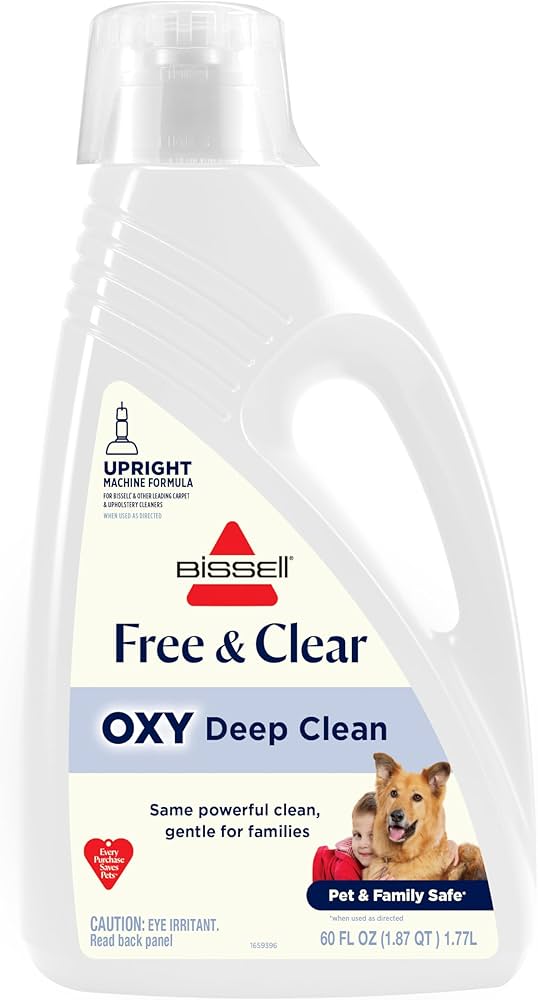
- Fill with the right formula. Use a Bissell multi-surface or area rug formula. Do not use bleach, vinegar, or hot water.
- Select Area Rug mode if your model has it. If not, use standard mode with light trigger pulls.
- Start on a small test area. Make one slow wet pass.
- Follow with 2–3 dry passes. Release the trigger and vacuum to pull up moisture.
- Check the rug. If it feels too wet, stop.
- Speed dry. Lift the rug edge for airflow. Use a fan. Open windows or run HVAC.
- Rinse the machine. Empty dirty water, rinse tanks, and clean the brush roll.
Pro tip: Less is more. Quick wet passes, more dry passes. That balance prevents soggy rugs and helps avoid odors.

Pros, Cons, and Limitations on Carpet
If you are weighing can you use the Bissell CrossWave on carpet for routine care, consider this:
Pros
- Fast way to refresh area rugs between deep cleans.
- Good on surface spills, salty footprints, and pet mess residue.
- Vacuums and scrubs in one step to save time.
Cons
- Not a deep carpet extractor. It will not pull soil from the backing.
- Over-wetting risk on thick or absorbent fibers.
- Can fuzz loops on some textiles if you push too hard.
- Residue risk if you use the wrong formula or too much solution.
Bottom line: Use it as a maintenance tool, not a full replacement for carpet cleaning.

CrossWave vs. Carpet Cleaners and Vacuums
You might still wonder can you use the Bissell CrossWave on carpet for deep cleaning. Think of it this way:
- Use a CrossWave when you want a fast refresh on area rugs. It is ideal after a party, a pet mess, or weekly touch-ups.
- Use a regular vacuum for dry soil removal across all carpets. Dry soil makes up most carpet dirt.
- Use a carpet cleaner for deep cleaning wall-to-wall carpet or well-used rugs. Hot water extraction reaches deeper and removes more embedded soil.
I often pair methods. Vacuum first. Use the CrossWave for light refreshes and spills. Deep clean with an extractor every 6–12 months, or more often with pets.

Troubleshooting and Care After Cleaning Rugs
If the rug feels sticky, make a water-only pass and then two dry passes. That lifts leftover solution.
If it smells damp the next day, improve drying. Raise the rug edge. Use a fan or dehumidifier. Avoid heat sources that may shrink fibers.
If fibers look fuzzy, reduce brush pressure on the next pass. Clean in the direction of the pile.
If you see streaks on hard floors after switching from rugs, rinse the CrossWave tanks and brush. Build-up can transfer.
Keep the machine healthy. Rinse the brush roll and the filter screen after each use. Empty the dirty tank. Leave parts to air dry.

Real-World Results: What I’ve Seen in Homes
People often ask me can you use the Bissell CrossWave on carpet for set-in stains. My field tests say it is great for top-layer spills but not for ground-in soil. For example, it made my hallway runner look brighter in five minutes. But it did not remove a years-old coffee ring until I used a carpet extractor.
Lessons learned:
- Two dry passes matter more than one long wet pass.
- A box fan cuts dry time in half.
- Test a hidden corner first. Some dyes will bleed with even a little moisture.
- Vacuum first. It prevents brush roll wear and dull results.
With the right settings and light touch, it is a solid upkeep tool for rugs.

Frequently Asked Questions
Can you use the Bissell CrossWave on carpet?
Yes, but limit it to area rugs and low-pile, water-safe carpets. Avoid thick, plush, or delicate fibers, and do not expect deep extraction.
Which carpets are safe to clean with a CrossWave?
Synthetic rugs like nylon, olefin, or polyester are usually fine. Always check the care label and do a small colorfast test first.
Does the CrossWave replace a carpet cleaner?
No. The CrossWave is a maintenance refresher for the surface layer. A carpet cleaner or extractor is best for deep soil and stains.
What solution should I use on area rugs?
Use a compatible multi-surface or area rug formula from the manufacturer. Do not use bleach, vinegar, or harsh chemicals.
How long will a rug take to dry after CrossWave cleaning?
Most area rugs dry within 1–3 hours with good airflow. Use fans and lift the edges to speed the process.
Will it damage wool or natural fiber rugs?
It can. Wool, viscose, silk, sisal, and jute are risky with moisture and agitation. Leave these to dry cleaning pros or use dry methods only.
Conclusion
Yes, you can use a Bissell CrossWave on area rugs and some low-pile carpets, but treat it as a quick-refresh tool, not a deep cleaner. Check the label, test first, use light wet passes, and follow with extra dry passes and airflow.
Make a plan that pairs dry vacuuming, smart CrossWave maintenance cleans, and periodic deep extraction. Your rugs will look better and last longer. If this helped, share it with a friend, subscribe for more home care guides, or drop your questions in the comments.